
Are you tired of watching your cucumber plants struggle to thrive? Overwatering is one of the most common mistakes gardeners make, and it can have devastating effects on your crop. If you’re noticing yellowing leaves, soft stems, or a sudden decline in production, chances are you’ve been overwatering your cucumbers. But don’t worry, recognizing the signs of overwatering is just the first step to recovery. In this article, we’ll delve into the common symptoms of cucumber overwatering and provide expert advice on how to adjust your watering schedule, improve soil drainage, and even explore advanced techniques like aquaponics to give your cucumbers the best chance at success. By the end of this guide, you’ll be equipped with the knowledge to prevent overwatering and ensure a bountiful harvest of healthy, delicious cucumbers.
Understanding Cucumber Water Requirements
To grow healthy and thriving cucumbers, it’s essential to understand their specific water needs, which can vary depending on several factors. Let’s dive into what makes a cucumber thirsty.
Why Are Cucumbers Prone to Overwatering?
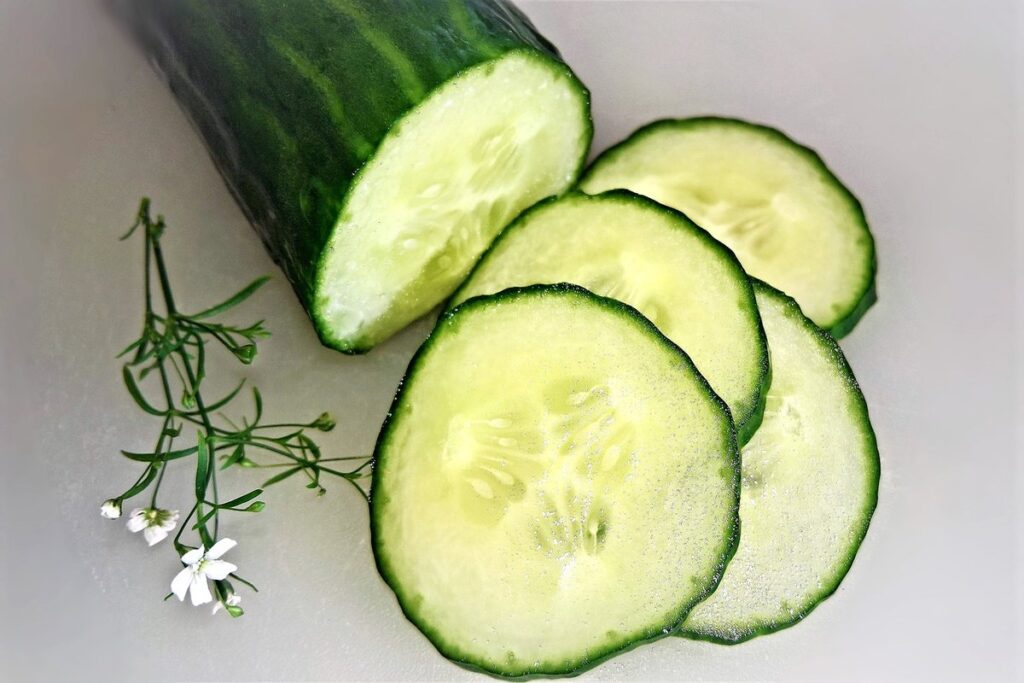
Cucumbers are notorious for being finicky when it comes to water, and their high water content is one of the main reasons why they’re prone to overwatering. With a whopping 96% water composition, cucumbers are essentially sponges just waiting to soak up excess moisture. Their tender skin is also particularly vulnerable to damage from too much water, making them susceptible to root rot and other water-related issues.
When you add these two factors together – high water content and delicate skin – it’s no wonder that cucumbers can quickly become overwhelmed by excess watering. In fact, a single overwatering incident can cause more harm than good, leading to an array of problems including yellowing leaves, soft and mushy stems, and a general decline in overall plant health.
To avoid this fate, it’s essential to monitor your cucumber plants’ water intake closely, making sure not to give them too much of a good thing. Check the soil regularly, and only water when necessary – you might be surprised at how quickly cucumbers can recover from minor neglect.
Recognizing Signs of Underwatering vs. Overwatering
When it comes to identifying issues with cucumber water requirements, recognizing signs of underwatering vs. overwatering is crucial for taking corrective action. Underwatered cucumbers typically exhibit a distinct set of symptoms that differ from those caused by overwatering.
One key difference is leaf color: underwatered cucumbers may display a washed-out or pale appearance due to reduced chlorophyll production, whereas overwatered cucumbers often develop yellow or brown leaves. Additionally, underwatered plants tend to wilt and droop more severely than their overwatered counterparts, which may appear waterlogged but still have green leaves.
Root development is another area where underwatering and overwatering differ. Underwatered cucumbers develop weak, sparse roots that struggle to absorb sufficient moisture, whereas overwatered cucumbers often grow long, straggly roots that rot due to excess water. Regularly monitoring your cucumber plant’s appearance and adjusting its watering schedule accordingly can help prevent these issues from arising in the first place.
Keep an eye out for subtle changes: a slight reduction in water intake or temporary increase in watering frequency may be all it takes to get your cucumber plant back on track.
Common Symptoms of Overwatered Cucumbers
Overwatering can cause a range of issues for your cucumber plants, from mild to severe symptoms that can impact their overall health. Let’s take a closer look at what these signs might be.
Yellowing or Wilting Leaves
Yellow leaves on cucumber plants are often a clear sign of overwatering. When roots sit in waterlogged soil for too long, they can rot and cause the plant’s leaves to turn yellow or develop brown spots. This happens because the excess moisture disrupts the roots’ ability to absorb nutrients from the soil.
The effects of root rot can be quite visible: once a single leaf has turned yellow or brown, it will likely wither away entirely within 24-48 hours if the conditions persist. In severe cases, you might see entire stems turning yellow and eventually dropping off altogether. The more waterlogged your cucumber plants are, the faster these problems develop.
If you suspect root rot is affecting your cucumber plant, check for any areas where the leaves meet the stem – it’s common to find black or brown patches on the lower leaves first. To prevent further damage: carefully prune away any affected leaves, making clean cuts just above the node (the joint where a leaf meets the stem). Then, repot the plant in well-draining soil and reduce watering frequency for a few weeks until new growth resumes.
Soft or Mushy Skin
When cucumbers are overwatered, their skin often becomes soft and mushy due to the excessive moisture in the soil. This can be caused by waterlogged soil that prevents oxygen from reaching the roots of the plant. As a result, the cucumber’s skin loses its firmness and elasticity, making it more prone to fungal diseases.
To identify if your cucumber is suffering from overwatering-induced soft skin, gently touch the skin with your fingers. If it feels squishy or soggy, it’s likely due to waterlogged soil. Be cautious not to confuse this symptom with normal growth stages of cucumbers, which often have slightly softer skin.
To avoid soft skin and related fungal diseases, ensure that the soil drains well and isn’t too wet for extended periods. Water your cucumber plant at the base, rather than overhead, to reduce water reaching the leaves and encourage healthy root growth. By monitoring your plant’s water needs and taking corrective measures, you can prevent overwatering and maintain healthy, firm cucumber skin. Regularly inspect the soil’s moisture levels by inserting a finger into the soil up to the knuckle; if it feels wet but not soggy, it’s ready for watering.
Root Rot and Other Complications of Overwatering
Root rot, fungal diseases, and nutrient deficiencies are just a few of the serious complications that can arise from overwatering your cucumber plants. Let’s dive into these potential problems.
Identifying Root Rot in Cucumbers
Identifying root rot in cucumbers can be a challenging task, but it’s crucial to catch this issue early on to prevent further damage. As the roots of your cucumber plant begin to succumb to overwatering, you may notice yellowed or blackened roots. This is often accompanied by a foul odor emanating from the soil. To inspect for root rot, carefully remove the plant from its pot and gently wash away the top layer of soil.
Gently tease apart the roots with your fingers or a blunt instrument to examine their condition more closely. Discoloration, softening, or mushiness can indicate the presence of root rot. Check for any visible signs of fungal growth, such as white cottony patches or black spots. If you suspect root rot, act quickly to prevent its spread.
To treat root rot, reduce watering and repot the plant in fresh, well-draining soil. Avoid using fungicides, as they can harm your plant further. Instead, focus on providing a dry, airy environment that allows the roots to recover. By catching root rot early and taking swift action, you may be able to save your cucumber plant from certain doom.
Fungal Diseases Caused by Overwatering
Overwatering creates an ideal environment for fungal diseases to thrive. Fungi like powdery mildew, downy mildew, and pythium are notorious for infecting cucumber plants when they’re consistently saturated with water.
Powdery mildew is a common issue in cucumbers, causing white, powdery patches on the leaves and stems. It thrives in humid conditions, making it a prime candidate for overwatered plants. Symptoms include distorted growth, stunted development, and reduced yields.
Downy mildew, on the other hand, attacks cucumber leaves, resulting in yellowing or bronzing of the foliage, followed by black spots and fungal spores. It spreads rapidly through rain-splashed water and can be devastating to an entire crop if left unchecked.
Pythium is another aggressive pathogen that takes advantage of excessive moisture. This fungus causes soft rot, which is characterized by a rapid breakdown of plant tissues, resulting in slimy, discolored lesions on the roots, stems, or leaves.
To prevent these fungal diseases from taking hold, it’s essential to maintain proper watering schedules and ensure excellent air circulation around your cucumber plants.
Causes of Cucumber Overwatering
Overwatering is often a result of good intentions, but it can be detrimental to your cucumber plant. Let’s explore some common causes behind this issue.
Inadequate Drainage or Waterlogging
When it comes to cucumbers, poor drainage is often overlooked as a contributor to overwatering. However, it’s crucial to understand that waterlogged soil can be just as damaging as underwatered plants. Soil with inadequate drainage allows water to accumulate around the roots, leading to root rot and other issues.
If you’re growing cucumbers in containers, make sure they have proper drainage holes to prevent water from collecting inside. Crammed pots or planters can also contribute to overwatering. When plants are too close together, excess moisture has nowhere to go but up into the leaves, causing problems like fungal diseases and leaf drop.
In raised beds or garden plots, ensure there’s enough space between each cucumber plant for air to circulate and water to evaporate. Typically, this is around 12-18 inches of clearance on all sides. Proper spacing prevents moisture buildup and gives roots room to breathe.
Irrigation Schedules Gone Wrong
When it comes to cucumber overwatering, neglecting weather forecasts, using improper watering tools, or following an inflexible irrigation plan can have severe consequences. Weather forecasting is a crucial aspect of irrigation planning, and ignoring local forecast can lead to too much water being applied during heavy rainfall periods. For instance, if you’re in an area prone to thunderstorms, checking the forecast regularly will help you avoid overwatering your cucumbers.
Using improper watering tools or techniques can also wreak havoc on your cucumber plants. For example, using a single nozzle for all your plants may not provide uniform water distribution, leading to some areas being overwatered while others are under-watered. Similarly, following an inflexible irrigation plan that doesn’t account for changing environmental conditions can cause more harm than good.
To avoid these mistakes, it’s essential to monitor the weather and adjust your irrigation schedule accordingly. Consider using a rain gauge or smart irrigation controllers that can help you detect changes in soil moisture levels. Furthermore, regularly inspecting your watering tools and techniques will ensure that they’re delivering water evenly throughout your garden.
Preventing and Treating Overwatering Issues
Now that you know the signs of overwatered cucumbers, let’s focus on preventing and treating these issues to save your plants from further damage. We’ll dive into practical solutions to get them back on track.
Adjusting Watering Schedules for Different Cucumber Varieties
When it comes to watering cucumber plants, one size does not fit all. Different varieties have unique water requirements that must be taken into account to prevent overwatering issues. For instance, slicing cucumbers tend to thrive in well-draining soil with moderate watering, while pickling cucumbers prefer a slightly drier environment.
On the other hand, English cucumbers are more sensitive and require consistent moisture levels to avoid browning and discoloration. To adjust your watering schedule accordingly, start by researching the specific needs of your cucumber variety. Check the seed package or consult with local nurseries for guidance.
In general, it’s essential to water your cucumber plants when the top 2-3 inches of soil feels dry to the touch. Avoid getting water on the leaves to prevent fungal diseases and focus on watering at the base of the plant instead. By tailoring your care routine to meet the unique needs of your cucumber variety, you’ll reduce the risk of overwatering and enjoy a healthier, more productive harvest.
Improving Soil Drainage and aeration
Improving soil drainage and aeration is crucial to prevent overwatering issues in cucumbers. When the soil can’t drain excess water quickly enough, it leads to root rot and other problems. One way to improve soil structure is by incorporating organic matter such as compost or well-rotted manure. This helps to break up clay particles and improve drainage.
Raised beds are another excellent option for improving soil aeration. By elevating the soil above the surrounding area, you allow excess water to drain more easily. You can also install sub-irrigation systems, which deliver water directly to the roots of the plant, reducing evaporation and runoff. When using these systems, ensure that the pot or container has good drainage holes to prevent waterlogged conditions.
To further enhance soil drainage, consider adding perlite or vermiculite to your soil mix. These materials help to break up compacted soil and improve air circulation around roots. By implementing these strategies, you’ll be able to provide your cucumbers with a healthy growing environment that’s less prone to overwatering issues. Regularly monitoring your plants’ water needs and adjusting your irrigation schedule accordingly will also help prevent overwatering.
Advanced Techniques for Overcoming Cucumber Overwatering Challenges
Now that you’ve identified the causes and effects of cucumber overwatering, let’s dive into advanced techniques to rescue your cucumbers from severe water damage. We’ll share expert tips for recovery and prevention.
Using Aquaponics or Hydroponics for Improved Water Management
When it comes to growing cucumbers, maintaining optimal water levels is crucial. However, overwatering remains a common challenge many gardeners face. This is where aquaponic and hydroponic systems come into play – offering benefits that can significantly reduce the risk of overwatering.
Aquaponics and hydroponics are soilless cultivation methods that allow for precise control over water levels. By recirculating nutrient-rich water, these systems promote healthy plant growth while minimizing waste. For cucumber growers, this translates to better yields and reduced water consumption. In fact, studies have shown that hydroponic cucumber crops can use up to 90% less water than traditional soil-based farming methods.
One of the key advantages of aquaponics or hydroponics is the ability to monitor and adjust water levels in real-time. This allows for quick responses to changing conditions, reducing the likelihood of overwatering. By implementing one of these systems, gardeners can enjoy improved water management and healthier crops – making it an attractive solution for overcoming cucumber overwatering challenges.
Monitoring Soil Moisture Levels with Sensors or Probes
Using soil moisture sensors can be a game-changer for optimizing your watering schedule. These devices allow you to detect subtle changes in soil conditions before they become critical, giving you the opportunity to adjust your irrigation strategy accordingly.
Soil moisture sensors work by measuring the water content in the soil, providing you with real-time data on the levels of moisture present. This information can be used to inform your watering decisions, ensuring that you’re not overwatering or underwatering your plants. For example, if your sensor detects a slight increase in moisture levels, you can adjust your schedule to reduce watering for the next few days.
By using soil moisture sensors, you can also identify areas of the garden that require more attention than others. This targeted approach allows you to fine-tune your irrigation strategy and prevent water from being wasted on areas that don’t need it. With a little practice and patience, you’ll be able to create a watering schedule that’s tailored to your specific cucumber plants’ needs.
This approach can also help detect issues such as root rot or other moisture-related problems before they cause significant damage. By keeping a close eye on soil moisture levels, you can intervene early and prevent costly mistakes from happening in the first place.
Frequently Asked Questions
What are the immediate steps to take if I’ve noticed overwatering symptoms on my cucumber plants?
If you suspect your cucumbers have been overwatered, stop watering immediately and inspect the soil moisture levels. Check for signs of root rot or fungal diseases, which can be detrimental to plant health. To prevent further damage, gently remove any affected leaves or stems, taking care not to spread the disease.
How do I adjust my irrigation schedule to ensure optimal water delivery to my cucumbers?
Adjusting your watering schedule requires understanding your cucumber variety’s specific needs and local climate conditions. Consider factors like temperature, humidity, and soil type when determining ideal watering intervals. Monitor soil moisture levels regularly using sensors or probes, and be prepared to make adjustments as needed.
What can I do if I’ve already noticed root rot in my cucumbers – is it too late for recovery?
While advanced root rot can be challenging to recover from, there’s still hope. Remove any severely affected roots, and treat the remaining soil with a fungicide to prevent further spread of disease. Improve soil drainage by adding organic matter like compost or perlite, and adjust your watering schedule to avoid waterlogging.
Are there specific techniques for improving soil drainage in containers where cucumbers are grown?
When growing cucumbers in containers, it’s essential to improve soil drainage to prevent waterlogged conditions. Use a well-draining potting mix, and consider adding perlite or vermiculite to enhance aeration. Ensure adequate container size and proper irrigation schedules to avoid overflow.
Can I use aquaponics as an alternative to traditional watering methods for cucumbers?
Aquaponics is indeed an effective method for managing water in cucumber cultivation, offering improved water efficiency and reduced risk of overwatering. This system relies on a recirculating environment where fish waste provides nutrients for plants, minimizing the need for chemical fertilizers. However, setting up an aquaponic system requires careful planning, space considerations, and specialized equipment.