
Are you tired of watching your precious cucumbers wither away without yielding a single harvest? Do you struggle to grow them successfully, despite following all the right steps? The truth is, even the smallest pruning mistakes can make a huge difference in the health and productivity of your cucumber plants. In this article, we’ll dive into the most common errors people make when it comes to pruning cucumbers, and share expert advice on how to get it right. From timing to tool use, we’ll cover all the best practices that will help you grow a bountiful harvest. With our guidance, you’ll learn what not to do and what to do instead, so your cucumber plants can thrive and give you the delicious rewards you deserve.
Understanding Cucumber Growth and Pruning Needs
Cucumbers need regular pruning to maintain their optimal growth and encourage a bountiful harvest, but improper pruning can do more harm than good. Let’s explore how to prune your cucumbers correctly.
Cucumber Plant Anatomy and Growth Patterns
A cucumber plant consists of several key parts that work together to produce fruit. The leaves are typically large, oval-shaped, and arranged oppositely on the stem. They play a crucial role in photosynthesis, allowing the plant to convert sunlight into energy. The stems, also known as vines, can grow quite long and are covered with fine hairs that help prevent moisture loss.
Beneath the surface lies a complex network of roots, which absorb nutrients and water from the soil. Cucumbers produce fruit through a process called “tendril formation,” where the plant uses modified leaves to climb up supports or other structures. As the plant grows, it will start producing more and more fruit, but this growth can also make it more susceptible to pruning mistakes.
One common area for pruning errors is when removing lower leaves that are in direct contact with the soil. These leaves often get infected by fungal diseases, which can spread quickly to other parts of the plant. To avoid spreading disease, gently remove these leaves using a pair of clean scissors or clippers. When pruning stems, make sure to cut just above a leaf node to encourage new growth.
Pruning Objectives: Why Proper Pruning Matters
Proper pruning is essential for cucumbers to thrive and produce an abundance of high-quality fruit. One of the primary objectives of pruning cucumbers is to promote bushy growth, which allows the plant to produce more lateral branches and increase overall yield. This can be achieved by selectively removing long, weak vines that are not producing fruit.
By encouraging bushy growth, you can also improve fruit quality, as the increased number of flowers and fruits will result in a higher percentage of perfect cucumbers. Additionally, pruning helps control vine spread, preventing the plant from becoming too leggy or sprawling out of control. This is especially important for compact or container-grown varieties that need to fit within a specific space.
To put this into practice, try to prune your cucumber vines when they reach about 12-18 inches in length. Remove any weak or spindly growth, and use the removed cuttings as a starter for new plants.
Over-Pruning: The Most Common Mistake
Pruning your cucumber plants too much can have devastating effects on your crop’s productivity, making over-pruning one of the most common mistakes gardeners make.
Let’s dive into why it happens and how you can avoid it.
Removing Too Much Leaf Growth
Removing too much leaf growth is one of the most common mistakes gardeners make when pruning cucumbers. While it’s essential to remove excess leaves to prevent disease and promote air circulation, over-pruning can be detrimental to your plant’s health.
When you remove too many leaves, you’re essentially stripping your cucumber plant of its ability to photosynthesize and produce energy. This can lead to a decrease in fruit production, as the plant will focus its energy on producing new growth rather than developing fruit. Additionally, an over-pruned plant is more susceptible to pests and diseases, which can further weaken the plant.
To avoid this mistake, inspect your cucumber plant regularly and remove only the leaves that are truly necessary. Remove any leaves that are:
• Yellow or wilted
• Showing signs of disease or pest infestation
• Blocking air circulation around the fruit
Instead, focus on maintaining a balanced plant by removing suckers (shoots that grow from the base of the plant) and tip-pruning to encourage bushy growth and more fruit production.
Pruning at the Wrong Time: Timing Considerations
Pruning cucumbers at the wrong time is one of the most common mistakes gardeners make. While pruning is essential for promoting healthy growth and increasing yields, timing is crucial to avoid causing more harm than good. Typically, it’s best to prune cucumber plants during periods of cooler temperatures and higher humidity.
Avoid pruning when the plant is under stress from extreme heat or drought. This can cause damage to tender shoots and leaves, making the plant even more susceptible to disease and pests. Prune your cucumbers in the morning or late afternoon, when the sun’s intensity is lower, to minimize stress on the plant.
As a general rule of thumb, wait until the cucumber vines have at least two sets of true leaves before pruning. This allows the plant to establish a robust root system and reduces the risk of shock from pruning. Prune during the vegetative growth stage, when the plant is focusing energy on leaf production rather than fruiting.
Keep in mind that pruning during periods of high temperatures can lead to reduced yields and lower quality fruits. Prune accordingly based on your climate and specific weather conditions to ensure optimal results.
Under-Pruning: The Hidden Pitfall
Be cautious of under-pruning, a common mistake that can lead to weak and unproductive cucumber vines, affecting your harvest’s quality and yield. It’s an easy error to make, but one that’s essential to avoid.
Failing to Remove Dead or Diseased Wood
When you fail to remove dead or diseased wood from your cucumber plant, it can lead to serious consequences. Not only will it continue to spread its decay and infect the surrounding healthy tissue, but it will also provide an ideal environment for pests and diseases to thrive.
As a cucumber grower, it’s essential to inspect your plants regularly and identify any areas of dead or diseased wood. This might involve removing entire sections of the plant, especially if they’re affected by a serious disease like powdery mildew or downy mildew. Be sure to disinfect your pruning tools between cuts to prevent the spread of infection.
If you notice any damage, remove it as soon as possible to prevent further decay and potential collapse of the entire plant. When removing dead wood, make clean cuts just above a node (where a leaf meets the stem) to minimize stress on the remaining tissue.
Regular inspections can help you catch issues early on, but if you’re not sure what to look for or how to prune your cucumber plants effectively, consider consulting with a local gardening expert or taking online tutorials. With proper care and attention, you’ll be well on your way to avoiding this common pruning mistake and enjoying a bountiful harvest.
Neglecting to Prune for Air Circulation
Pruning cucumbers for air circulation is an often-overlooked aspect of proper pruning techniques. However, it’s a crucial step in maintaining the overall health and productivity of your cucumber plants.
Fungal diseases such as powdery mildew and downy mildew thrive in humid environments where air circulation is poor. These diseases can spread quickly through a crowded plant population, causing significant damage to leaves and fruit. In severe cases, they can even lead to complete crop loss.
To avoid this pitfall, make sure to leave enough space between your cucumber plants for proper air circulation. A general rule of thumb is to space them about 12-18 inches apart. This will not only help prevent disease but also allow for better sunlight penetration and reduced humidity within the plant canopy.
Regular pruning can also help improve air circulation by removing lower leaves that may be touching the soil or other plants, creating a conducive environment for fungal growth. By paying attention to these details, you’ll be able to enjoy a healthier, more productive cucumber harvest.
Incorrect Pruning Tools and Techniques
When it comes to pruning cucumbers, using the wrong tools or techniques can lead to damage, disease, and a disappointing harvest. Let’s examine some common mistakes to avoid in this area.
Using the Wrong Pruning Tools
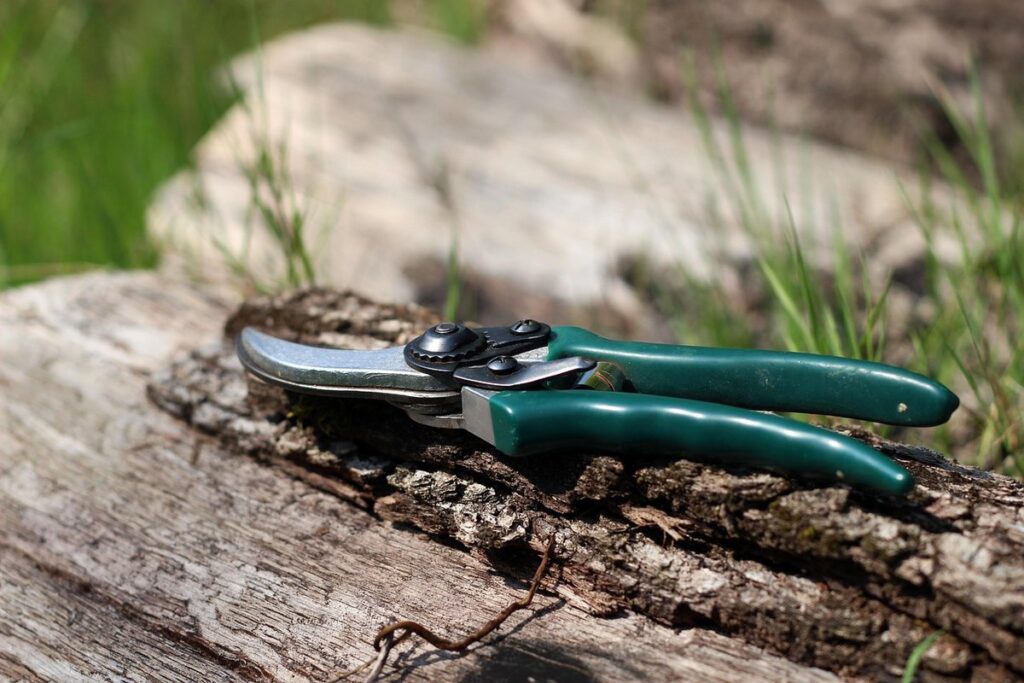
Using the wrong pruning tools can be detrimental to your cucumber plants. While it may seem like a minor issue, improper tool use and maintenance can lead to further problems down the line. Hand pruners, loppers, and pruning saws are all suitable for pruning cucumbers, but using them incorrectly or neglecting their maintenance can cause more harm than good.
For instance, using hand pruners that are too small or dull can lead to crushing the stem rather than making a clean cut, causing damage to the plant. Similarly, loppers with rusty blades or loose handles can make it difficult to prune effectively and may even break off during use. Pruning saws, on the other hand, require regular sharpening to maintain their effectiveness.
To avoid these issues, make sure to inspect your tools before each use and clean them thoroughly after pruning. Store them in a dry place to prevent rust and keep the blades sharp by regularly honing or replacing them. By using the right tools correctly and maintaining them properly, you’ll be able to prune your cucumbers with confidence and promote healthy growth.
Making Clean Cuts: Best Practices for Pruning
When pruning cucumbers, it’s essential to make clean cuts to promote healthy growth and prevent disease. Cutting at a 45-degree angle is a crucial technique to keep in mind. This angle allows for better water runoff, reducing the risk of fungal diseases that thrive in moist environments.
To make a proper cut, hold your pruning tool at an angle, with the blade facing towards the stem. Cut just above a node (where a leaf meets the stem), making sure not to crush or damage any underlying tissue. Leaving no stubs or tags is also vital, as these can become entry points for pests and diseases.
For example, when pruning off a long vine, cut it about an inch from the base of the plant, just above a node. This will help the remaining vines grow outwards, promoting air circulation and reducing the risk of disease. By making clean cuts and following proper pruning techniques, you’ll be well on your way to achieving a bountiful harvest and enjoying healthy, productive cucumbers all season long.
Other Common Mistakes to Watch Out For
Beyond proper pruning techniques, there are several other common mistakes that can sabotage your cucumber harvest. We’ll cover these critical errors next.
Pruning in the Wrong Direction
Pruning in the wrong direction can lead to serious damage to your cucumber plant. One common mistake is cutting too far back on the stem, which can cause irreparable harm to the vascular tissue. This delicate network of veins and vessels carries water and nutrients throughout the plant, making it essential for its survival.
When you cut too aggressively, you risk severing these vital tissues, leading to a slow decline in your plant’s health. To avoid this mistake, make shallow cuts just above a node, where a leaf meets the stem. This will help promote new growth and minimize the risk of damaging the vascular tissue.
Another error is making shallow cuts, which can cause the plant to become vulnerable to disease and pests. Aim for cuts that are about one-quarter inch deep, using sharp, clean pruning tools. Cutting too close to the node can also lead to sunscald, a condition where the exposed area becomes scorched by intense sunlight. By prunning carefully in the right direction, you’ll help your cucumber plant stay healthy and thrive throughout its growing season.
Failing to Maintain a Record of Pruning Activities
Keeping a record of your pruning activities may seem like an extra step, but it’s essential for maintaining a healthy and productive cucumber crop. By tracking your pruning techniques, you can identify patterns and areas where improvements are needed. For instance, if you notice that a particular pest or disease is recurring after a specific type of pruning, you can adjust your approach to avoid the issue in future seasons.
When documenting your pruning activities, consider logging details such as weather conditions, soil temperature, and any notable issues with pests or diseases. This information will allow you to correlate these factors with your pruning techniques and make data-driven decisions for next season’s crop management.
For example, if a severe frost occurred after a heavy pruning session, you may want to reconsider the timing of your pruning in future years. By keeping a record of your activities, you’ll be able to refine your approach and develop best practices tailored to your specific climate and growing conditions.
Best Practices for Avoiding Common Pruning Mistakes
Pruning your cucumber plants requires finesse to avoid mistakes that can harm yields. Let’s examine some of the most common pruning errors and how to correct them.
Regular Monitoring and Maintenance
Regular monitoring and maintenance are crucial in preventing common pruning mistakes that can impact your cucumber harvest. To avoid errors, schedule pruning tasks according to your crop’s growth stage. Typically, cucumbers need pruning every 7-10 days during the first month of growth.
Start by checking your plants regularly for signs of overgrowth, disease, or pests. Remove any weak or damaged vines to direct nutrients and energy towards healthy areas. You can also use this opportunity to train new cucumbers onto a trellis or other support system.
To stay organized, create a pruning schedule based on the weather forecast. For example, prune during cooler morning hours when the sun is not intense, and the risk of disease transmission is lower. Keep track of your pruning activities in a journal or using a mobile app to monitor progress and identify patterns.
By staying on top of regular monitoring and maintenance tasks, you’ll be better equipped to address common pruning mistakes before they affect your crop’s overall health and yield. This proactive approach will also help you anticipate potential issues, allowing for more informed decision-making when it comes to pruning.
Continuous Learning: Staying Up-to-Date with Industry Research and Techniques
Staying informed about the latest research and techniques is crucial to avoiding common pruning mistakes. The world of cucumber cultivation is constantly evolving, with new studies and innovations emerging regularly. To ensure you’re getting the best results from your crop, it’s essential to stay up-to-date on the latest findings.
Regularly check online forums, gardening communities, and academic journals for updates on cucumber research. Some notable publications, such as the Journal of the American Society for Horticultural Science, often publish studies on cucumbers and other related vegetables. You can also follow reputable researchers and experts on social media platforms to stay informed about their latest work.
Attend workshops or online webinars focused on cucumber cultivation to network with experienced gardeners and learn from industry leaders. This is a great opportunity to ask questions, share your own experiences, and gain valuable insights into the most effective pruning techniques. By making continuous learning a priority, you’ll be better equipped to tackle common pruning mistakes and ensure a bountiful harvest.
Conclusion
Now that we’ve covered the common mistakes, let’s wrap up with a quick rundown of how you can apply these best practices to achieve a thriving cucumber harvest.
Recap of Key Takeaways
In conclusion to our exploration of common cucumber pruning mistakes to avoid, let’s summarize the key takeaways that will help you achieve a bountiful harvest.
By avoiding these common errors, you’ll be well on your way to cultivating healthy and productive cucumber plants. For instance, not removing lower leaves can lead to fungal diseases and reduce fruiting, while over-pruning can shock the plant and reduce yields. On the other hand, leaving too much foliage intact can hinder air circulation and create an environment conducive to pests and diseases.
To ensure a thriving crop, it’s essential to prune your cucumbers regularly, removing any weak or diseased growth to promote healthy development. This will also encourage bushy growth, making it easier to support the plant as it grows. By pruning at the correct time, you’ll also be able to control the shape of your plants and direct their energy towards producing more fruit.
In addition to these key takeaways, remember that proper pruning technique is crucial for optimal results. Make clean cuts just above a node, using sharp, sterile tools to prevent the spread of disease. It’s also essential to monitor your plants regularly, identifying potential issues before they become major problems.
Now that you’re equipped with this knowledge, we encourage you to put it into practice and share your experiences with others. By implementing these best practices, you’ll be well on your way to growing a bounty of delicious cucumbers in no time.
Frequently Asked Questions
Can I prune my cucumbers at any time of day?
Yes, pruning can be done at any time of day, but it’s best to do it during a cooler part of the day to minimize stress on the plant. This is especially important for young or newly transplanted plants.
How often should I inspect my cucumber plants for dead or diseased wood?
Regularly inspecting your cucumber plants every 7-10 days can help you catch any issues early and prevent them from spreading. This will also allow you to remove any affected areas promptly, reducing the risk of disease transmission.
What’s the best way to handle a large or unruly cucumber plant?
Use a sturdy pair of pruning shears or loppers to carefully trim back the long vines, leaving only 2-3 sets of leaves at the top. This will help control the plant’s growth and direct its energy towards fruit production.
Can I use regular household scissors for pruning cucumbers?
No, it’s best to use specialized pruning tools like shears or loppers, which are designed specifically for cutting through thick stems and branches without causing damage to the plant.
What should I do if I accidentally over-prune my cucumber plant?
If you’ve over-pruned your cucumber plant, don’t panic! Start by removing any dead or damaged areas, then wait a few days before pruning back the healthy parts. This will give the plant time to recover and redirect its energy towards new growth.