
Are you ready to boost your cucumber harvest in the greenhouse? If so, you’re in the right place! Growing cucumbers in a controlled environment like a greenhouse can be incredibly rewarding, but it requires some finesse. The key to maximizing your yield lies in selecting the right variety for your climate and space constraints.
In this ultimate guide, we’ll walk you through the essential tips and tricks for growing cucumbers in a greenhouse setting. From choosing the perfect variety to fine-tuning temperature control and soil preparation, we’ve got you covered. We’ll also dive into pest management strategies to ensure that those pesky bugs don’t ruin your harvest.
By following these expert tips, you’ll be on your way to enjoying a bountiful cucumber harvest from your greenhouse in no time!
Choosing the Right Variety
When growing cucumbers in a greenhouse, selecting the right variety is crucial for optimal yields and flavor. We’ll help you choose the best cucumber type for your space.
Understanding Cucumber Types
When it comes to choosing the right cucumber variety for your greenhouse, understanding the different types is crucial. Cucumbers come in three main categories: slicing, pickling, and English. Each type has its unique growth habits, ideal uses, and characteristics.
Slicing cucumbers are the most commonly grown variety. They’re long and slender, with a sweet flavor and crunchy texture. These cucumbers are perfect for snacking, salads, and sandwiches. They require a trellis or other support to grow, as they can reach lengths of up to 10 inches.
Pickling cucumbers, on the other hand, are shorter and more compact than slicing varieties. They’re ideal for making pickles, relishes, and other fermented products. These cucumbers have a smaller, more rounded shape and a slightly sweeter flavor than slicing cucumbers.
English cucumbers are similar to slicing cucumbers but have a thinner skin and a longer, more cylindrical shape. They’re perfect for salads, sandwiches, and as a snack on their own. English cucumbers require less support than slicing cucumbers and can be grown using a simple cage or trellis.
When selecting a cucumber variety for your greenhouse, consider the specific uses you have in mind and choose the type that best suits those needs. By growing the right variety, you’ll maximize your harvest and enjoy a bountiful crop of delicious cucumbers all season long.
Selecting Disease-Resistant Varieties
When growing cucumbers in a greenhouse, selecting disease-resistant varieties is crucial to ensure a healthy and bountiful harvest. Greenhouse conditions are ideal for diseases like powdery mildew and downy mildew to thrive, making it essential to choose varieties that can withstand these common issues.
Some popular cucumber varieties bred for resistance to these diseases include ‘Tasty Green’, ‘Marketmore 76’, and ‘Suyo Long’. These varieties have been specifically developed to be resistant to powdery mildew and downy mildew, reducing the need for fungicides and minimizing crop loss. When selecting disease-resistant varieties, look for words like “resistant” or “tolerant” in their description.
In addition to choosing resistant varieties, maintaining good greenhouse ventilation and ensuring adequate space between plants can also help prevent disease spread. This includes proper air circulation, temperature control, and humidity management. By combining these strategies with the right variety selection, you’ll be well on your way to a healthy and productive cucumber harvest in your greenhouse.
Preparing Your Greenhouse Environment
Before you start sowing your cucumber seeds, it’s crucial to set up a perfect environment that will support their growth and maximize your harvest. We’ll walk you through the essential steps to create an ideal greenhouse setup.
Optimizing Temperature and Humidity
Achieving optimal temperature and humidity levels is crucial for cucumber growth. Aim to maintain a consistent temperature between 70-75°F (21-24°C), as this range allows for steady growth and development. To mimic these conditions, consider investing in a thermostat-controlled heating system or a ventilation system that can regulate air circulation.
Monitoring temperature fluctuations is essential, so install a thermometer near the plants. You can also use a hygrometer to track humidity levels, which should be kept between 40-60%. Be prepared to make adjustments based on external weather conditions and plant responses.
In extreme cases of heat or cold, take action promptly by increasing ventilation or providing supplemental heating/cooling. For instance, if daytime temperatures soar above 80°F (27°C), open windows or activate the ventilation system to prevent heat stress. Similarly, during prolonged periods of frost or freezing temperatures, apply thermal blankets or bring plants under cover.
By fine-tuning temperature and humidity controls, you’ll create a stable environment that fosters healthy cucumber growth.
Providing Adequate Light
Light is a crucial factor for cucumber plants, and sufficient illumination is essential to ensure optimal growth and production. Cucumbers require at least 6 hours of direct sunlight per day, but often this can be challenging, especially during winter months or in regions with limited daylight.
If you’re struggling to provide adequate natural light, consider supplementing it with LED grow lights. These energy-efficient options offer adjustable spectrums and intensities that cater specifically to cucumber growth stages. Installing LED grow lights above the plants will ensure they receive the necessary light, even on cloudy days or during the night.
Maximizing greenhouse glazing is another effective strategy for enhancing natural light intake. This can be achieved by installing skylights, solar tubes, or larger panels of glass in your greenhouse. A south-facing orientation and minimal shading from surrounding structures will also contribute to a well-lit environment.
To maximize your cucumber harvest, position plants near the most illuminated areas of your greenhouse. By ensuring they receive sufficient light, you’ll be well on your way to achieving optimal growth rates and yields.
Soil Preparation and Nutrient Management
To grow healthy cucumbers, it’s essential that you start by preparing your soil with the right mix of nutrients to give them a strong foundation. Proper soil preparation will lead to better growth and higher yields in the long run.
Creating a Balanced Potting Mix
When it comes to growing cucumbers in a greenhouse, having a high-quality potting mix is crucial for optimal growth and maximum harvest. A well-balanced potting mix specifically designed for cucumbers should have the right pH levels, nutrient content, and water-holding capacity.
The ideal pH range for cucumbers is slightly acidic to acidic, between 6.0 and 6.8. If your potting mix has a pH above 7.0, it may lead to nutrient deficiencies and reduced growth. To check the pH level of your potting mix, use a soil testing kit or send a sample to a lab for analysis.
In terms of nutrient content, look for a potting mix that is rich in organic matter such as compost or well-rotted manure. This will provide essential nutrients like nitrogen, phosphorus, and potassium that promote healthy growth and fruiting. Aim for a mix with a balanced NPK ratio (10-10-10) to ensure your cucumbers receive the necessary nutrients.
A good potting mix should also have excellent water-holding capacity to prevent overwatering and underwatering. Look for mixes containing ingredients like peat moss or coconut coir, which retain moisture but also drain excess water quickly.
Feeding Your Cucumbers
Feeding your cucumbers with the right nutrients at the right time is crucial for optimal growth and maximum harvest. A balanced fertilizer program tailored to cucumber needs at different growth stages will help you achieve this goal.
Cucumbers require a combination of nitrogen, phosphorus, potassium, and other micronutrients to produce high yields. The initial stage of growth (seedling to 2-3 weeks) requires more nitrogen for leaf development, while the fruiting stage (beyond 4-5 weeks) requires more potassium to promote fruit production.
For organic options, consider using fish emulsion or compost tea, which provide a slow release of nutrients and beneficial microbes. These products are rich in nitrogen, phosphorus, and potassium, making them ideal for cucumber growth. You can also use bone meal or alfalfa meal as an additional source of phosphorus and nitrogen.
Inorganic fertilizers like 20-20-20 (nitrogen-phosphorus-potassium) balanced fertilizers work well too, especially if you’re short on time. However, be cautious not to over-fertilize, as this can lead to weaker plants and reduced yields.
Watering Strategies
To ensure healthy and productive cucumber plants, it’s crucial to develop a consistent watering schedule that meets their unique needs. Let’s explore some effective watering strategies for your greenhouse cucumbers.
Monitoring Soil Moisture Levels
Monitoring soil moisture levels is crucial for optimal watering schedules and healthy cucumber growth. As cucumbers are prone to overwatering, which can lead to root rot and other issues, it’s essential to strike the right balance.
One simple yet effective technique for monitoring soil moisture is stick testing. Insert a wooden skewer or chopstick into the soil up to 1-2 inches deep, and then remove it. If the stick comes out dry, it’s time to water. If it’s moist but not soggy, you can wait another day before checking again.
For more precise measurements, consider installing sensors that can monitor soil moisture levels in real-time. These can be especially useful if you have a large greenhouse or multiple crops. Some popular options include digital probes and soil moisture meters with Bluetooth connectivity.
To make the most of these tools, be sure to calibrate your sensors according to the manufacturer’s instructions and adjust your watering schedule accordingly. By keeping a close eye on soil moisture levels, you’ll be able to provide your cucumbers with exactly what they need – just the right amount of water to thrive. Regular monitoring will also help prevent common issues like root rot, fungal diseases, and reduced yields.
Avoiding Overwatering
Overwatering is one of the most common mistakes greenhouse growers make when cultivating cucumbers. It’s easy to get caught up in providing enough water for these thirsty plants, but too much moisture can have devastating consequences. Root rot and fungal diseases are just a few of the problems that can arise from overwatering.
To put this into perspective, research suggests that a single day of excess watering can lead to 30% loss in plant growth. When roots sit in waterlogged soil for extended periods, they become susceptible to root rot. This condition is characterized by soft, mushy stems and a lack of vigor. Fungal diseases such as powdery mildew and downy mildew also thrive in humid environments.
To reduce water usage while maintaining healthy plants, start by ensuring your greenhouse has adequate ventilation. Use automated systems or manually open vents to regulate temperature and humidity levels. Monitor soil moisture regularly using a stick or probe, and only water when the top 1-2 inches of soil feels dry to the touch. Implementing these measures will help you avoid the pitfalls associated with overwatering and create an optimal environment for your cucumbers to thrive.
Training and Pruning
To ensure optimal growth and production, regular training and pruning of your cucumber plants is essential to promote healthy development and prevent overcrowding. Learn how to train and prune your cucumbers effectively in this section.
Support Systems and Spacing
When growing indeterminate cucumbers in a greenhouse, providing support is crucial for maximizing yields and ensuring healthy plant growth. Indeterminate varieties will continue to produce new growth throughout the season, producing multiple fruiting branches that need support as they grow.
Using trellises or cages can significantly increase air circulation around the plants, reducing the risk of fungal diseases like powdery mildew and fusarium wilt. With improved air movement, your cucumbers are better equipped to fight off pathogens and stay healthy throughout the season. Trellises also enable you to keep plants at a comfortable height for harvesting, making it easier to pick fruits without damaging them.
In addition to providing support, spacing is another critical factor in greenhouse cucumber growing. Give indeterminate varieties at least 3 feet of space between plants to allow air circulation and easy access for maintenance. By combining proper support systems with optimal spacing, you’ll be able to enjoy a bountiful harvest of healthy, disease-free cucumbers.
Pinching and Tipping
Pinching and topping are two crucial techniques that will help you control growth, promote branching, and increase yields. Pinching involves removing the terminal bud of a young cucumber plant to encourage it to produce more lateral branches. This technique is essential for compact varieties or when space is limited in your greenhouse. By pinching, you can expect the plant to produce more cucumbers as it focuses its energy on developing multiple side shoots.
For example, if you have a compact variety like ‘Bush Pickle’, pinch off the terminal bud after 2-3 sets of leaves have developed. This will encourage the plant to produce around 6-8 lateral branches, each producing several cucumbers. Remember to inspect your plants regularly and remove any weak or spindly growth.
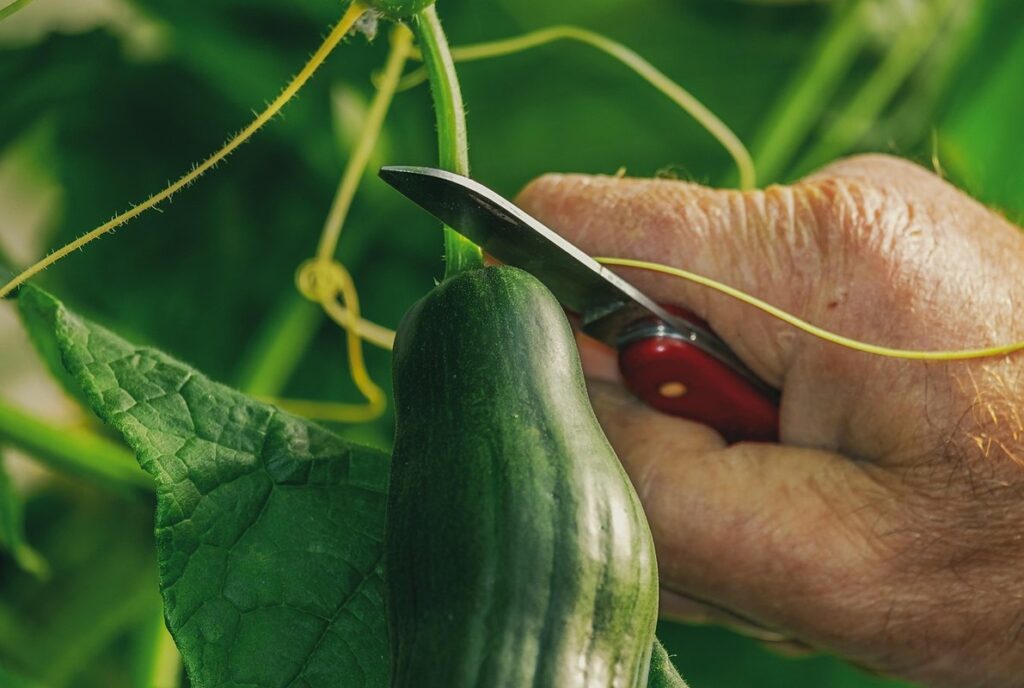
Topping is another technique that involves removing the tips of the cucumber vines to increase yields. By topping, you’re essentially directing the plant’s energy towards producing more fruit rather than growing taller. Simply cut off around 6-8 inches from the tip of the vine using a sharp knife or pruning shears.
Pest Management
Effective pest management is crucial for a healthy cucumber crop, which is why we’re covering common greenhouse pests and simple control methods to keep them at bay.
Identifying Common Pests
When it comes to growing cucumbers in a greenhouse, one of the biggest challenges you’ll face is managing pests. Unwanted critters can quickly multiply and cause significant damage to your crop, reducing yields and affecting flavor.
Let’s take a closer look at three common greenhouse pests that affect cucumbers: aphids, whiteflies, and spider mites.
Aphids are small, soft-bodied insects that feed on plant sap, causing curled or distorted leaves. They can also transmit diseases like cucumber mosaic virus (CMV). Check for aphids by inspecting the undersides of leaves and looking for sticky honeydew droplets, which can attract ants.
Whiteflies are tiny, winged insects that cluster around plants, sucking sap and causing yellowing or stunted growth. Spider mites are microscopic, eight-legged arachnids that feed on plant sap, leaving behind fine webbing and causing bronzing of leaves.
To prevent infestations, maintain good ventilation in your greenhouse, keeping temperatures below 85°F (30°C) to slow pest development. Regularly inspect plants for signs of pests, and use neem oil or insecticidal soap to control outbreaks before they spread.
Organic and Chemical Controls
When it comes to maintaining a healthy and thriving cucumber crop in your greenhouse, pest management is crucial. You can opt for organic methods that are environmentally friendly and gentle on your plants, or choose chemical controls that provide quick relief from pests.
For organic control, consider introducing beneficial insects such as ladybugs, lacewings, or parasitic wasps to prey on common cucumber pests like aphids, whiteflies, or spider mites. You can also use neem oil, a natural pesticide derived from the seeds of the neem tree, to control fungal diseases and insect infestations.
Chemical controls offer targeted solutions for specific pest problems. For instance, pyrethrin sprays effectively kill soft-bodied insects like aphids and whiteflies, while copper-based fungicides can be used to prevent powdery mildew and other fungal infections. Always follow the label instructions carefully when using chemical pesticides, and consider rotating with organic methods to maintain a balanced ecosystem.
It’s essential to monitor your greenhouse regularly for signs of pests or diseases and take action promptly to prevent infestations from getting out of control.
Frequently Asked Questions
Can I grow cucumbers in a greenhouse with limited space?
When working with small greenhouses, prioritize compact cucumber varieties that can thrive in limited space. Look for ‘Bush’, ‘Compact’, or ‘Patio’ varieties that are specifically bred for small spaces and will produce high yields without taking up too much room.
How do I protect my cucumbers from extreme temperatures?
Cucumbers are sensitive to temperature fluctuations, so it’s essential to maintain a stable environment within your greenhouse. If the temperature is expected to drop below 55°F (13°C) or rise above 85°F (29°C), take measures to regulate the temperature, such as using shading materials or supplemental heating.
Can I grow cucumbers in containers instead of directly in the soil?
Yes, you can successfully grow cucumbers in containers provided they are large enough and have good drainage. Use a well-balanced potting mix specifically designed for containers, and ensure that your cucumber plants receive sufficient light and water as needed.
How often should I water my cucumber plants to avoid overwatering?
Monitor soil moisture levels closely by checking the top 1-2 inches of soil daily. Water your cucumbers when the top inch of soil feels dry to the touch, taking care not to saturate the roots or cause waterlogged conditions that can lead to root rot and other issues.
Can I use a single variety for both slicing and pickling purposes?
While you can grow one versatile cucumber variety that suits multiple uses, it’s generally more productive to choose varieties specifically bred for your intended purpose. Slicing and pickling cucumbers have unique characteristics, growth habits, and flavor profiles, making it best to select varieties tailored to your desired use case.