
As a gardener, you know how frustrating it can be to see your prized cucumbers succumb to pesky spider mites. These tiny pests may look harmless, but they can quickly drain the life out of your plants, leaving them weak and vulnerable to disease. If left unchecked, cucumber spider mite infestations can decimate an entire crop in a matter of weeks. But don’t worry – we’ve got you covered! In this article, we’ll explore the best methods for preventing and controlling cucumber spider mites, from physical barriers and beneficial insects to organic treatments that are gentle on your plants and the environment. By the end of this post, you’ll be equipped with the knowledge you need to protect your garden from these pests and keep your cucumbers thriving all season long.
Understanding Cucumber Spider Mites: Causes and Effects
To effectively control cucumber spider mites, it’s essential to understand their causes and effects on your plants, which can vary depending on several factors.
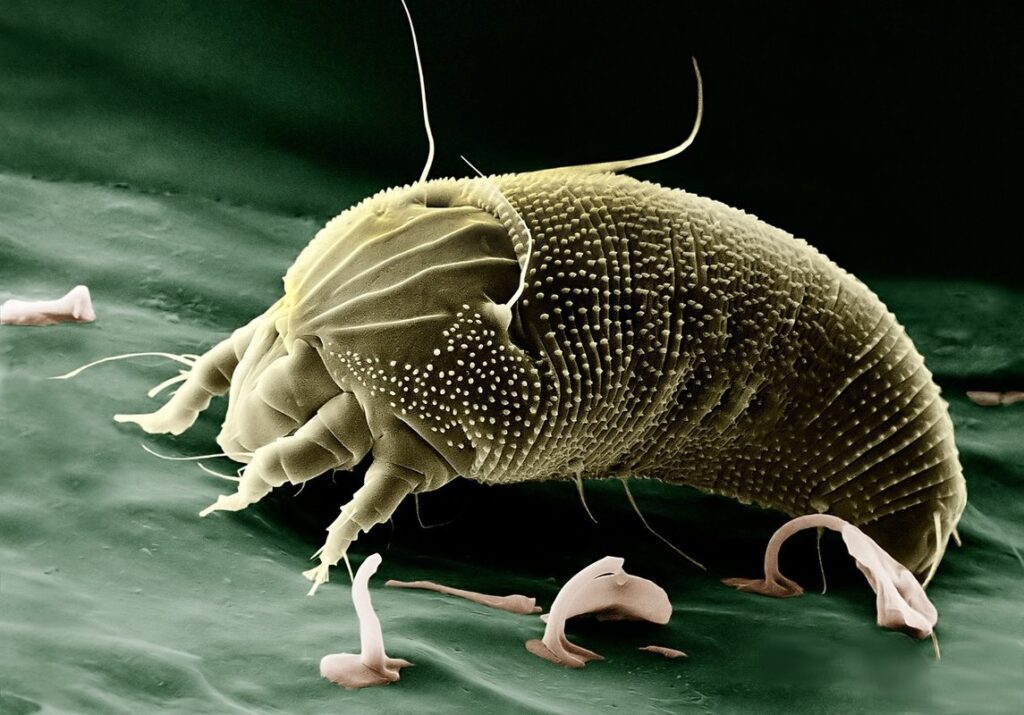
What are Cucumber Spider Mites?
Cucumber spider mites are tiny, spider-like arachnids that feed on plant sap, causing damage to cucumber and other related plants. These pests are microscopic, measuring about 1/16 inch in length, making them difficult to spot with the naked eye.
The life cycle of a cucumber spider mite consists of four stages: egg, larva, protonymph, and adult. Female mites can lay up to 20 eggs at a time, which hatch into larvae within 3-4 days. After molting twice, they reach adulthood in about 7-10 days. A single female mite can produce multiple generations per season.
Cucumber spider mites affect plants by sucking out their sap, causing yellowing or bronzing of leaves, and stunted growth. They also secrete a sticky substance called honeydew, which attracts other insects like ants and promotes the growth of sooty mold. To identify infestation, look for fine webbing on the underside of leaves or actual mites moving slowly across the plant’s surface.
Damage Caused by Cucumber Spider Mites
Cucumber spider mites are notorious for causing significant damage to cucumber plants. If you notice yellowing leaves, stunted growth, and reduced yields on your cucumbers, it’s likely an infestation of these pesky pests.
As the mites feed on plant sap, they weaken the plant’s ability to photosynthesize, leading to yellowing or discoloration of leaves. The damage can progress rapidly if left unchecked, causing entire sections of the plant to become discolored and eventually die off. Furthermore, severely infested plants may exhibit stunted growth, producing fewer fruits and lower yields.
In severe cases, the damage caused by cucumber spider mites can be catastrophic, resulting in complete crop loss. To avoid such losses, it’s essential for gardeners to recognize the early signs of infestation and take prompt action. Regular monitoring is key, so keep a close eye on your plants and inspect them regularly for any signs of damage.
In addition to visual inspection, you can also use sticky traps or yellow traps to monitor for mite activity. Early detection allows you to implement effective control strategies, preventing the damage from escalating into a full-blown infestation.
How to Identify a Cucumber Spider Mite Infestation
When inspecting your cucumber plants, it’s crucial to be vigilant for signs of an infestation. Cucumber spider mites can be tricky to spot, but there are several physical indicators and methods you can use to detect their presence.
Look out for fine webbing or a powdery coating on the leaves, stems, and fruits of your cucumber plants – these are common signs of an infestation. You may also notice small, yellowing areas on the leaves or a general decline in plant health. To inspect your plants more closely, use a hand lens or magnifying glass to search for tiny, moving dots on the undersides of leaves.
As you inspect, gently brush off any loose debris from the leaves and stems, as spider mites often hide in protected areas. Check the soil surrounding the roots, as mites can also infest nearby plants. Remember that it’s not always easy to spot an infestation early on – some cucumber spider mite colonies can remain hidden for a while, so be sure to check your plants regularly, especially during warmer months when mites are more active.
Prevention is Key: Best Practices for Avoiding Infestations
To effectively manage cucumber spider mite populations, it’s crucial to understand how to prevent infestations from occurring in the first place. Let’s explore some key strategies for avoiding these pesky pests altogether.
Maintaining Healthy Plants
Maintaining healthy plants is crucial in preventing infestations of cucumber spider mites. Proper watering techniques can make a significant difference. Overwatering can lead to weak and susceptible plants that are more prone to pest attacks, while underwatering can cause stress, making it easier for pests to establish themselves. Aim to water your cucumbers when the top inch of soil feels dry to the touch.
Fertilization is another vital aspect of maintaining healthy plants. Feed your cucumber plants with a balanced fertilizer once a month, following the manufacturer’s instructions. This will promote robust growth and help them withstand potential pest infestations. Organic fertilizers like compost tea or fish emulsion are excellent choices as they provide essential nutrients without harming beneficial insects.
Pruning techniques can also contribute to healthy plant development. Remove any weak or spindly growth to encourage bushy, compact plants that are less susceptible to pest damage. Regular pruning will also help improve air circulation within the plant, reducing humidity and making it more difficult for cucumber spider mites to thrive.
Using Physical Barriers and Row Covers
When it comes to preventing cucumber spider mites from reaching your plants, using physical barriers is an effective strategy. One of the most popular and easiest-to-use options is row covers. These lightweight, breathable fabrics are designed to allow light and water to reach your plants while keeping pests out.
Row covers can be draped over entire rows or individual plants to create a barrier that prevents mites from reaching them. When choosing a row cover, look for one with a mesh size of 0.5-1mm to ensure mites can’t penetrate. Apply the cover at planting time and leave it on until harvesting to maximize its effectiveness.
In addition to row covers, you can also use fine mesh screens or fine-netted bags around individual plants to create a barrier. These can be especially useful for smaller plants or those that are more susceptible to mite infestations. By using physical barriers like these, you’ll significantly reduce the risk of cucumber spider mites damaging your crops.
Some gardeners also use fine-netted row covers with built-in UV protection to prevent diseases from spreading. This is a great option if you live in an area prone to fungal diseases or have plants that are more susceptible to them.
Introducing Beneficial Insects for Biological Control
When it comes to managing cucumber spider mites, many gardeners overlook a highly effective yet natural solution: beneficial insects. These tiny heroes can be introduced into your garden to feed on spider mite eggs and larvae, thus controlling their populations.
Beneficial insects like ladybugs, lacewings, and parasitic wasps are voracious predators that target spider mites specifically. Ladybugs, for instance, are known to consume up to 60 aphids or spider mites per day, making them a valuable addition to your garden ecosystem. Lacewings, on the other hand, are often referred to as “aphid lions” due to their voracious appetite for these pests.
To introduce beneficial insects into your garden, start by choosing the right species that target spider mites in your area. Look for suppliers that offer live beneficial insects suitable for your climate and region. Release them near affected plants or areas where spider mite infestations are most prevalent. Repeat releases may be necessary to maintain a healthy balance of beneficial insects in your garden.
By harnessing the power of beneficial insects, you can reduce your reliance on chemical pesticides, create a more balanced ecosystem, and effectively control cucumber spider mites.
Chemical Controls: Understanding Options and Risks
When it comes to chemical controls, you have various options to manage cucumber spider mites, but understanding their risks is crucial for effective use. Let’s explore these choices together.
Types of Insecticides for Cucumber Spider Mites
When it comes to managing cucumber spider mites, insecticides are often a crucial part of the control strategy. However, not all insecticides are created equal, and choosing the right one can be overwhelming. Fortunately, there are various types of insecticides available, catering to different needs and preferences.
Organic options include neem oil, horticultural oil, and insecticidal soap. These gentle yet effective alternatives are derived from natural sources, making them a great choice for gardeners who prefer an eco-friendly approach. Neem oil, in particular, is a popular choice due to its ability to control not just spider mites but also other pests like aphids and whiteflies.
Synthetic options, on the other hand, offer more potent formulas that can provide quick results. Pyrethroids, such as permethrin and deltamethrin, are commonly used to control spider mite infestations. However, it’s essential to exercise caution when using synthetic insecticides, as they can harm beneficial insects and contaminate soil and water.
If you do decide to use a synthetic insecticide, make sure to follow the label instructions carefully and take necessary precautions to minimize risks.
How to Choose the Right Insecticide for Your Garden
When tackling cucumber spider mite infestations, choosing the right insecticide is crucial for effective control while minimizing risks to your plants and the environment. The severity of the infestation and plant sensitivity are key factors to consider when selecting an insecticide.
Begin by assessing the level of infestation – if it’s mild, a gentle, organic-based option might suffice. However, severe cases may require stronger chemical solutions. Consider the type of cucumber variety you’re growing; some plants are more susceptible to certain chemicals than others. For example, if your cucumber plant is young or in its seedling stage, opt for a less toxic option to avoid harming the developing roots.
When selecting an insecticide, read the label carefully and look for specific instructions for spider mite control. Some products may contain neem oil, sulfur, or pyrethrin – all of which are effective against spider mites but can also be hazardous if not used properly. Always follow the recommended application rates to prevent overuse and potential harm to your plants.
Risks Associated with Chemical Controls
When it comes to managing cucumber spider mites, chemical controls can be tempting due to their quick and effective results. However, it’s essential to consider the risks associated with these methods. One significant concern is toxicity to beneficial insects, which are crucial for maintaining a healthy ecosystem in your garden.
For instance, neem oil, a popular chemical control for spider mites, can also harm bees and butterflies if not used carefully. Similarly, pyrethrin-based sprays can be toxic to ladybugs and lacewings, both of which prey on spider mites. These beneficial insects play a vital role in controlling pest populations naturally, so it’s crucial to avoid harming them.
Human exposure is another risk associated with chemical controls. If not used properly or if you’re handling these chemicals frequently, you may be exposing yourself to toxins that can cause skin irritation, respiratory issues, and other health problems. To minimize risks, always follow the label instructions carefully, wear protective gear when applying chemicals, and opt for integrated pest management strategies that incorporate natural methods alongside chemical controls.
Integrated Pest Management (IPM) Approaches for Cucumber Spider Mites
For those struggling with persistent cucumber spider mite infestations, IPM approaches offer a holistic solution that minimizes harm to your plants and the environment. This section explores practical IPM strategies for effective control.
Combining Physical, Biological, and Chemical Controls
To effectively manage cucumber spider mite infestations, gardeners can adopt a holistic approach by combining physical, biological, and chemical controls. This integrated strategy not only ensures the long-term control of these pests but also minimizes the risk of developing resistance.
Physical controls involve using methods that directly remove or deter the mites from the plants. For example, you can use fine-mesh screens to cover plants, preventing adult mites from reaching them. Another effective method is to wash the plants with a strong jet of water, dislodging the eggs and immature stages.
Biological controls rely on introducing natural predators or parasites that feed on the spider mites. Encarsia formosa, a species of wasp, is known to prey on cucumber spider mites. These beneficial insects can be introduced into the garden to help control infestations.
Chemical controls are often used as a last resort due to their potential for harming beneficial organisms and contaminating soil and water. However, when combined with other methods, they can provide an effective solution. For example, you can use neem oil or horticultural oil to suffocate the mites. It’s essential to choose products that are specifically labeled for use against spider mites and follow the recommended application rates.
When combining these control methods, it’s crucial to understand their strengths and weaknesses and adjust your strategy accordingly. For instance, physical controls can be used in conjunction with biological controls to enhance their effectiveness.
Monitoring and Record-Keeping for Effective IPM
Monitoring plant health and maintaining accurate records is crucial for informed decision-making in IPM. It allows you to identify potential issues early on and take corrective action before the problem escalates. Regular monitoring involves inspecting plants at least once a week, checking for signs of mite infestations such as yellowing or stunted growth.
To monitor effectively, gardeners should keep a record of plant health, noting any changes in growth patterns, pest presence, and management strategies employed. This log helps track the effectiveness of various control methods and identify areas for improvement. For example, if you notice an increase in mite populations after applying chemical pesticides, it may be necessary to adjust your approach.
When maintaining records, consider including information such as: dates of inspections, observations made during each inspection, treatment applied (if any), and the impact observed following application. This detailed record-keeping enables gardeners to refine their IPM strategies over time, ultimately leading to more efficient and effective mite control. By combining regular monitoring with accurate records, you’ll be better equipped to make data-driven decisions that keep your cucumber plants healthy and thriving.
Organic Control Methods: Natural Solutions for Cucumber Spider Mites
When it comes to tackling cucumber spider mite infestations, many gardeners turn to natural and organic solutions that are gentle on plants yet tough on pests. Let’s explore some effective methods for controlling these tiny critters.
Neem Oil and Soap Solution Treatments
Neem oil and soap solution treatments are two natural methods that have proven to be effective in controlling cucumber spider mite populations. These treatments work by disrupting the life cycle of the mites, ultimately leading to their demise.
When neem oil is applied to infested plants, it interferes with the mites’ ability to molt, preventing them from reaching adulthood and reproducing. As a result, the population declines rapidly. Neem oil also has antifeedant properties, which means it prevents the mites from feeding on plant sap, further weakening their numbers.
On the other hand, soap solution treatments work by suffocating the mites with a fine layer of suds that coats their bodies. This is especially effective against young, delicate nymphs that are more susceptible to drowning in the soapy water. To use neem oil and soap solutions effectively, mix 2-3% neem oil or 1 tablespoon of mild liquid soap with 1 quart of water. Spray the solution thoroughly on all surfaces of the plant, making sure to cover every inch of foliage. Repeat treatments as necessary, usually at 7-10 day intervals, until mite populations are under control.
Horticultural Oils and Other Natural Controls
When it comes to controlling cucumber spider mites organically, you’ve got several effective options beyond neem oil and insecticidal soap. One such option is horticultural oils, which can be used as a direct spray on infested plants or as a preventative measure before outbreaks occur.
Horticultural oils work by suffocating the mite population, ultimately leading to their demise. They come in different types, including mineral oil and neem oil-based blends. Mineral oil is generally considered safer for use around beneficial insects, but it can stain some plant surfaces, so be cautious when choosing this type.
Pyrethrin sprays are another natural option that can help control cucumber spider mites. These sprays contain pyrethrins, which are derived from the flowers of daisy-like plants in the Chrysanthemum family. Pyrethrins are a quick-acting neurotoxin that can kill mites on contact.
When using either horticultural oils or pyrethrin sprays, it’s essential to follow the product label instructions carefully. Typically, you’ll want to mix the oil with water according to the specified ratio and spray both the upper and lower surfaces of leaves, making sure to reach any areas where mites might be hiding.
In addition to direct application, you can also use these oils as a preventative measure by spraying them on your plants during their dormant season or after a particularly harsh weather event. This can help create a barrier against future infestations.
Case Studies: Real-Life Examples of Effective Cucumber Spider Mite Control
Let’s dive into real-life examples that demonstrate how other gardeners have successfully controlled cucumber spider mites on their plants. You’ll learn from their experiences and strategies.
Successful IPM Strategies from Experienced Gardeners
Many gardeners have successfully controlled cucumber spider mites using integrated pest management (IPM) strategies. For instance, Sarah from California implemented a combination of crop rotation, neem oil spraying, and introducing natural predators to her garden. She observed that by rotating her crops every season and avoiding planting cucumbers in the same spot where spider mites were previously present, she significantly reduced their population.
Another gardener, Mark from Arizona, used a different approach by incorporating beneficial insects into his IPM strategy. He introduced Phytoseiulus persimilis, a natural predator of cucumber spider mites, to his garden. By releasing these predators regularly, he was able to maintain the balance in his ecosystem and keep spider mite populations under control.
These real-life examples demonstrate that effective cucumber spider mite control requires a multi-faceted approach. To replicate their success, gardeners can try combining crop rotation, using natural pest control methods like neem oil or insecticidal soap, and introducing beneficial insects to create an integrated pest management strategy tailored to their specific needs.
Lessons Learned from Failure
One of the most valuable lessons learned from battling cucumber spider mites is understanding what not to do. Many gardeners fall into common pitfalls that can exacerbate the problem, making it more challenging to control infestations.
For instance, overusing chemical pesticides or insecticides often does more harm than good. These treatments can weaken the plant’s natural defenses and even kill beneficial insects that help control mite populations. In fact, a study found that using broad-spectrum pesticides on crops reduced beneficial arthropod abundance by 40% (1). This is why it’s essential to adopt an integrated pest management (IPM) approach that balances chemical controls with cultural, biological, and physical methods.
Another critical mistake gardeners make is not addressing the root causes of infestations. Cucumber spider mites thrive in dry, hot conditions. Failing to provide adequate watering or using high-pressure irrigation systems can inadvertently create an environment conducive to mite growth. By acknowledging these common mistakes, you can avoid repeating them and take a more informed approach to controlling cucumber spider mite infestations.
When evaluating past failures, consider the following:
* Were chemicals used excessively?
* Was the environment not properly managed (e.g., inadequate watering or poor air circulation)?
* Were beneficial insects neglected or eliminated?
By understanding these pitfalls, you can refine your strategy and develop more effective control methods tailored to your specific garden conditions.
Conclusion: Taking Action Against Cucumber Spider Mites
Now that we’ve discussed prevention and treatment methods, it’s time to put our knowledge into action against these pesky mites. Let’s take a look at how to effectively manage a cucumber spider mite infestation.
Recap of Key Takeaways
When implementing effective cucumber spider mite control strategies, it’s essential to keep the key takeaways from this article top of mind. One crucial aspect is understanding the importance of integrated pest management (IPM) approaches that incorporate physical barriers, cultural controls, and biological methods.
To combat these pests effectively, gardeners should regularly inspect their plants for signs of infestation, taking swift action when necessary to prevent populations from getting out of control. This might involve applying insecticidal soap or neem oil treatments in a targeted manner.
Additionally, maintaining a clean and well-ventilated growing environment is vital for preventing the spread of spider mites. This includes disposing of infested plants, reducing humidity levels, and promoting air circulation through judicious pruning.
By combining these control strategies with an understanding of the life cycle and habits of cucumber spider mites, gardeners can significantly reduce their reliance on chemical pesticides and protect their crops from damage. Remember to monitor your plants regularly and adjust your approach as needed to achieve optimal results.
Encouragement to Take Action and Monitor Plant Health
Now that you’ve learned about the life cycle of cucumber spider mites and effective control strategies, it’s time to take action. Remember, prevention is key when dealing with these pests. Don’t wait until they’ve infested your entire plant – monitor your cucumbers regularly for signs of infestation.
Check your plants weekly by gently brushing off the leaves and inspecting for any tiny moving dots or sticky substance on the leaves’ undersides. If you notice any mites, isolate the affected plant to prevent the pests from spreading to other healthy plants.
Act quickly if you spot even a few mites – their populations can grow rapidly under favorable conditions. Start by introducing beneficial insects like lady beetles or lacewings that feed on spider mite eggs and larvae. Follow up with a horticultural oil spray, specifically designed for use against soft-bodied pests like cucumber spider mites.
By taking these proactive steps, you’ll be able to control cucumber spider mite infestations effectively and enjoy a healthy crop of cucumbers.
Frequently Asked Questions
Can I use physical barriers alone to control cucumber spider mites, or do I need a combination of methods?
Yes, using physical barriers alone can be an effective way to prevent cucumber spider mite infestations, especially if you have a small garden or are just starting out. However, for larger gardens or more severe infestations, combining physical barriers with other control methods like beneficial insects and organic treatments may provide better results.
How long does it take to see noticeable improvements after implementing IPM strategies?
The time it takes to notice improvements can vary depending on the severity of the infestation and the effectiveness of your IPM strategy. In general, you may start to see improvements within 1-2 weeks after introducing beneficial insects or applying organic treatments. However, full recovery can take several months, especially if the infestation was severe.
Can I use neem oil in combination with other natural controls like horticultural oils and soap solutions?
Yes, you can combine neem oil with other natural controls to enhance their effectiveness against cucumber spider mites. Neem oil can be used as a foliar spray or soil drench, while horticultural oils and soap solutions can be applied separately or in combination for optimal results.
What are some common mistakes gardeners make when trying to control cucumber spider mites?
One common mistake is relying too heavily on chemical controls, which can harm beneficial insects and pollinators. Another mistake is not monitoring plant health closely enough, allowing infestations to become severe before taking action. Regular monitoring and record-keeping can help you identify issues early and make data-driven decisions about your IPM strategy.
Can I use beneficial insects like ladybugs or lacewings to control cucumber spider mites in greenhouses?
Yes, beneficial insects like ladybugs and lacewings can be effective against cucumber spider mites in greenhouses. However, it’s essential to ensure that the greenhouse is well-ventilated and has adequate temperature and humidity controls to support the health of these beneficial insects. Additionally, introducing beneficial insects may require more planning and preparation than in outdoor gardens due to the controlled environment.