
Are you tired of seeing your prized cucumber plants ravaged by cucumber vine borers? These pesky insects can cause significant damage to your crops, reducing yields and stressing out even the most experienced gardeners. But don’t worry, there is hope! With the right knowledge and techniques, you can learn how to identify, prevent, and control cucumber vine borer infestations on your own terms.
In this article, we’ll explore organic and chemical methods for controlling cucumber vine borers, as well as integrated pest management strategies that will have your garden thriving in no time. We’ll cover the signs of an infestation, how to detect these pests early, and most importantly, provide you with practical tips on how to keep them at bay. By the end of this article, you’ll be equipped with the knowledge to protect your cucumber plants from these damaging insects.
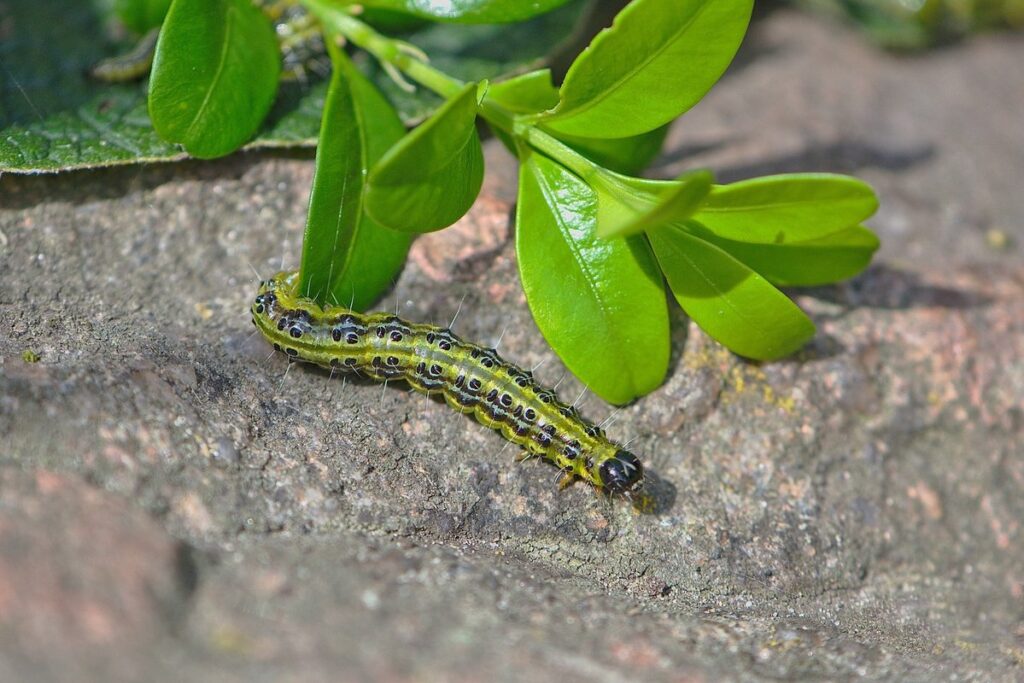
Understanding Cucumber Vine Borers
To effectively control cucumber vine borers, you first need to understand how these pests infest your plants and what signs to look for. Let’s take a closer look at their behavior and characteristics.
Identifying Common Symptoms of Cucumber Vine Borer Infestation
When it comes to identifying a cucumber vine borer infestation, being able to recognize the common symptoms is crucial. These pests can cause significant damage to your cucumber plants if left unchecked, leading to reduced yields and lower fruit quality.
One of the first signs of an infestation is yellowing or wilting leaves. This occurs when the borers tunnel into the stem, damaging the vascular tissue and restricting water flow. Inspect your plants closely for any unusual discoloration or droopy leaves.
Another indicator of a borer infestation is holes in the stems. These are typically oval-shaped and may be accompanied by frass (insect waste) or sawdust-like material around the entry point. Check the base of the plant, where the stem meets the soil, as this is often where borers first emerge.
If you notice any of these symptoms on your cucumber plants, take action immediately to prevent further damage and control the infestation. Regularly inspecting your plants can help you catch issues early, allowing for timely intervention.
Life Cycle of Cucumber Vine Borers: A Key to Control
To effectively control cucumber vine borers, it’s essential to understand their life cycle. The borer’s life cycle consists of four stages: egg, larva, pupa, and adult.
The female borer lays eggs on the underside of leaves or stems, usually during the night. These eggs are tiny, oval-shaped, and white. Within a few days, they hatch into larvae, which are also known as grubs. The larvae feed on the plant’s tissue, causing damage to the stem and leaves.
As the larva grows, it molts several times before entering the pupal stage. During this stage, the borer transforms into an adult. Adult borers emerge from the soil in late summer or early fall, typically 10-14 days after mating. Understanding these stages is crucial for implementing targeted control measures.
For example, if you catch a female borer laying eggs on your plant, you can remove and destroy them to prevent further infestation. Similarly, identifying the larval stage allows you to take action before significant damage occurs.
Organic Methods for Controlling Cucumber Vine Borers
If you’re looking for a more natural approach to controlling cucumber vine borers, we’ll explore some organic methods that can help you manage these pests without harsh chemicals. These techniques are gentle on your plants and the environment.
Using Neem Oil and Soap Solutions for Repellent Effects
When it comes to controlling cucumber vine borers using organic methods, incorporating neem oil and soap solutions into your gardening routine can be an effective approach. Neem oil, derived from the seeds of the neem tree, is a natural insecticide that repels pests while being safe for the environment.
To use neem oil as a repellent against cucumber vine borers, mix 2-3% neem oil with water and spray it directly on the plant’s leaves. You can also add a few drops of dish soap to help emulsify the neem oil. A recommended recipe is to mix 1 teaspoon of neem oil with 1 quart of water and 1 tablespoon of mild dish soap.
When applying these solutions, make sure to spray them thoroughly on both sides of the leaves, as well as the soil around the plant. Repeat this process every 7-10 days for optimal results. Keep in mind that while neem oil is a repellent, it may not kill existing infestations. Combination with other organic control methods will likely be necessary to ensure effective cucumber vine borer control.
Traps and Barriers: Effective Methods for Preventing Infestation
When it comes to controlling cucumber vine borers, preventing infestation is just as important as treating an existing problem. To effectively keep these pests at bay, you can use a combination of physical barriers and clever traps.
One simple yet effective method is to create a barrier around the plants using fine-mesh screens or row covers. These breathable fabrics allow for air circulation while keeping borers from reaching the vines. For example, a study in California showed that using row covers reduced borer damage by up to 80%. To make this method even more efficient, consider wrapping individual plant stems with sticky tape – a low-cost solution that’s been shown to capture over 90% of adult borers.
Another innovative approach is the use of UV-reflecting plastic tapes or collars. These materials repel adult borers and can be applied directly around the plant base. By combining these physical barriers with crop rotation and other organic methods, you’ll significantly reduce your chances of a borer infestation, saving you time and stress in the long run.
Sticky traps are another useful tool for capturing adult borers as they move from one plant to another. Place them near affected areas or around the perimeter of your garden to monitor for any signs of activity. Regularly inspecting these traps will allow you to respond quickly if an infestation does occur, making treatment more effective and reducing long-term damage to your crop.
Integrated Pest Management (IPM) Strategies
Effective control of cucumber vine borers requires a multi-faceted approach, which is where integrated pest management strategies come into play. This crucial aspect of borer control will be explored in this section.
Monitoring and Scouting for Cucumber Vine Borers
Monitoring for cucumber vine borers is crucial to effective control. The first step is to determine the timing of your monitoring efforts. In most regions, adult moths emerge around late spring to early summer, so plan your scouting visits during this period.
When scouting for signs of infestation, inspect at least 10-15 plants in a typical block. Look for the characteristic “shot hole” damage on leaves and vines, which can be easily mistaken for other pests or diseases. Check the underside of leaves and stems for actual borers, as they tend to burrow into these areas.
For more effective detection, consider using sticky traps placed near plant growth tips to capture adult moths. This method allows you to anticipate infestations before they become severe. Additionally, keep a keen eye out for unusual plant behavior such as stunted growth or discoloration, which can also indicate the presence of cucumber vine borers.
Regular monitoring and scouting will provide critical information on population levels and inform your decision-making when implementing control strategies.
Cultural Controls: Soil Preparation, Watering, and Pruning
Proper soil preparation is crucial for a healthy cucumber crop that can withstand potential borer infestations. When preparing the soil, ensure it has a pH between 6.0 and 6.8, which is ideal for cucumbers. Add compost or well-rotted manure to improve soil fertility and structure, as borers are more attracted to stressed plants.
Watering practices should also be optimized. Cucumbers require consistent moisture, especially when fruiting. However, overwatering can lead to weakened plants that are more susceptible to borer infestations. Monitor soil moisture regularly and water only when necessary. Aim for about 1-2 inches of water per week, either from rainfall or irrigation.
Pruning is another essential cultural control measure. Remove any weak or spindly growth, as these can provide easy access points for borers. Regular pruning also promotes air circulation within the plant, which can help prevent fungal diseases that may accompany borer infestations. Prune your cucumber vines to a single stem or remove lower leaves to reduce humidity around the fruiting area.
By incorporating these cultural controls into your growing practices, you’ll create an environment less conducive to cucumber vine borers and other pests. This integrated approach can help minimize the risk of infestation and promote a healthy, thriving crop.
Chemical Controls and Resistance Management
To effectively control cucumber vine borers, it’s essential to understand chemical controls and resistance management strategies that can prevent infestations from getting out of hand. We’ll explore these methods in detail below.
Systemic Insecticides for Cucumber Vine Borer Control
Systemic insecticides have gained popularity in recent years for their ability to control cucumber vine borers. These chemicals are absorbed by the plant and distributed throughout its tissues, allowing them to target borer larvae even before they emerge from eggs.
One of the main benefits of systemic insecticides is their long-lasting effect, which can reduce the need for frequent applications. For example, imidacloprid has been shown to provide up to 4 weeks of protection against cucumber vine borers. However, it’s essential to note that these chemicals are not a substitute for good agricultural practices, such as crop rotation and sanitation.
When using systemic insecticides, be sure to follow the recommended application guidelines carefully. The optimal timing for application is usually at planting or shortly after. This allows the chemical to be absorbed by the plant before borer eggs hatch. Additionally, it’s crucial to choose a product with a label that specifically mentions control of cucumber vine borers.
It’s also worth noting that some systemic insecticides may have drawbacks, such as potential harm to beneficial insects like bees and butterflies. Be sure to assess the risks and benefits carefully before making a decision about using these chemicals in your management strategy.
Managing Resistance: A Long-Term Approach to Control
Managing resistance to cucumber vine borers effectively requires a long-term approach that involves careful planning and execution. One key strategy is to rotate pesticides regularly, as using the same product repeatedly can lead to the development of resistant borer populations. This means switching between different classes of insecticides or even switching from chemical controls to biological ones.
Another important tactic is to adopt Integrated Pest Management (IPM) approaches that consider not just the pest itself but also its environment and ecosystem. This may involve monitoring for resistance development, identifying early warning signs such as increased borer populations or changes in pest behavior. By tracking these indicators, you can adjust your control strategy before resistance builds up.
In reality, managing resistance is an ongoing process that requires a commitment to continuous learning and improvement. Consider maintaining records of pest population dynamics, treatment efficacy, and any changes made to your management plan. This will help you identify areas for improvement and refine your strategies over time.
Best Practices for Cucumber Vine Borer Control
To effectively control cucumber vine borers, consider these best practices that have been tested and proven to yield successful results in garden settings. Proper planning and timing are key.
Crop Rotation and Sanitation: Essential Practices for Prevention
Crop rotation is a crucial practice that can significantly reduce cucumber vine borer infestations. This method involves changing the type of crop grown on a particular soil to break the borer’s life cycle. By rotating crops, you disrupt the borer’s natural habitat and make it difficult for them to survive. For example, if you’ve been growing cucumbers in the same field for several seasons, consider switching to a different crop like corn or soybeans. This change can prevent adult borers from laying eggs on your cucumber plants.
Sanitation is another vital aspect of preventing infestations. Remove any debris or weeds that may be harboring borer eggs or larvae. Regularly inspect your fields and eliminate any infected plants to prevent the spread of the pest. Destroying infested plants also prevents them from serving as a food source for beneficial insects that prey on cucumber vine borers.
To implement effective crop rotation and sanitation, consider the following tips:
* Rotate crops at least every 2-3 years to break the borer’s life cycle
* Choose non-host crops like corn or soybeans for rotation
* Remove weeds and debris from your fields regularly
* Eliminate infected plants immediately
* Consider integrating beneficial insects that prey on cucumber vine borers into your farming practices
Record Keeping and Data Analysis for Improved Decision-Making
Accurate record keeping is essential for making informed decisions about cucumber vine borer control. By tracking infestation rates over time, you can identify patterns and trends that may not be immediately apparent through visual inspection alone. For example, if you notice that infestations tend to spike during periods of high humidity or warm temperatures, you can adjust your control strategies accordingly.
Monitoring weather patterns is also crucial in cucumber vine borer management. By analyzing historical climate data, you can anticipate potential hotspots for pest activity and take proactive measures to mitigate damage. For instance, if you know that a severe infestation typically occurs after a prolonged period of dry weather followed by heavy rainfall, you can prepare your crop accordingly.
Moreover, analyzing pest activity allows you to fine-tune your control methods and allocate resources more effectively. By breaking down the data into specific metrics – such as affected areas, pest density, and damage severity – you can identify the most critical aspects of your control strategy and make targeted adjustments for better outcomes.
Conclusion
In conclusion, controlling cucumber vine borers requires a multi-faceted approach that combines cultural, biological, and chemical methods. By following the strategies outlined in this article, you can significantly reduce the occurrence of these pests in your garden. Regular monitoring, crop rotation, and using resistant varieties are all crucial steps in preventing infestations. Additionally, introducing beneficial insects such as parasitic wasps or lacewings can help control populations naturally.
Remember to also maintain a clean and tidy garden, removing any weeds that may harbor the borers’ eggs or larvae. And if you do encounter an infestation, act quickly by applying targeted pesticides or insecticides. By staying proactive and adaptable, you’ll be well on your way to enjoying a healthy and productive cucumber crop. With persistence and the right techniques, even novice gardeners can successfully control these pesky pests.
Frequently Asked Questions
Can I use a combination of organic and chemical methods to control cucumber vine borers?
Yes, many gardeners successfully integrate different approaches to manage infestations effectively. However, it’s crucial to choose methods carefully and consider the specific needs and risks associated with each method. Be sure to follow label instructions for chemical controls and rotate between methods to maintain efficacy.
How long after planting should I start monitoring for cucumber vine borer signs?
Begin monitoring your plants 2-3 weeks after transplanting or direct sowing, as this is typically when the first generation of borers emerges. Regularly inspect the undersides of leaves and stems for eggs, larvae, or adult moths.
What’s the best way to dispose of infested cucumber vines to prevent re-infestation?
Remove and dispose of infested plants promptly by cutting them at soil level and bagging them to prevent escape. Sterilize pruning tools between cuts to avoid spreading pests to other areas of your garden.
Can I use row covers as a preventative measure against cucumber vine borers?
Yes, lightweight row covers can help prevent adult moths from reaching your plants, reducing the risk of infestation. However, ensure the cover is breathable and allows for adequate air circulation to prevent heat buildup and moisture accumulation.
How do I know if my crop rotation plan is effective in preventing cucumber vine borer recurrence?
Keep a record of your planting schedules, pest management strategies, and yields over time. Analyze this data to identify patterns or areas where you may need to adjust your approach. Consider consulting with local gardening experts or extension services for guidance on optimizing your rotational strategy.