
Are you tired of dedicating valuable space in your garden to sprawling cucumber vines? Vertical gardening is here to revolutionize the way we grow our favorite cucumbers. Not only does it maximize your garden’s potential, but it also saves you time and effort by keeping plants organized and easily accessible.
In this comprehensive guide, we’ll walk you through the equipment, maintenance, and advanced techniques necessary for successfully growing cucumbers vertically. From trellises to self-watering planters, we’ll cover everything you need to know to get started. Whether you’re a seasoned gardener or just starting out, this article will equip you with the knowledge to grow lush, productive cucumber plants that thrive in even the smallest spaces.
We’ll explore the benefits of vertical gardening and how it can transform your garden into a productive oasis. So, let’s dive in and discover the art of growing cucumbers vertically!
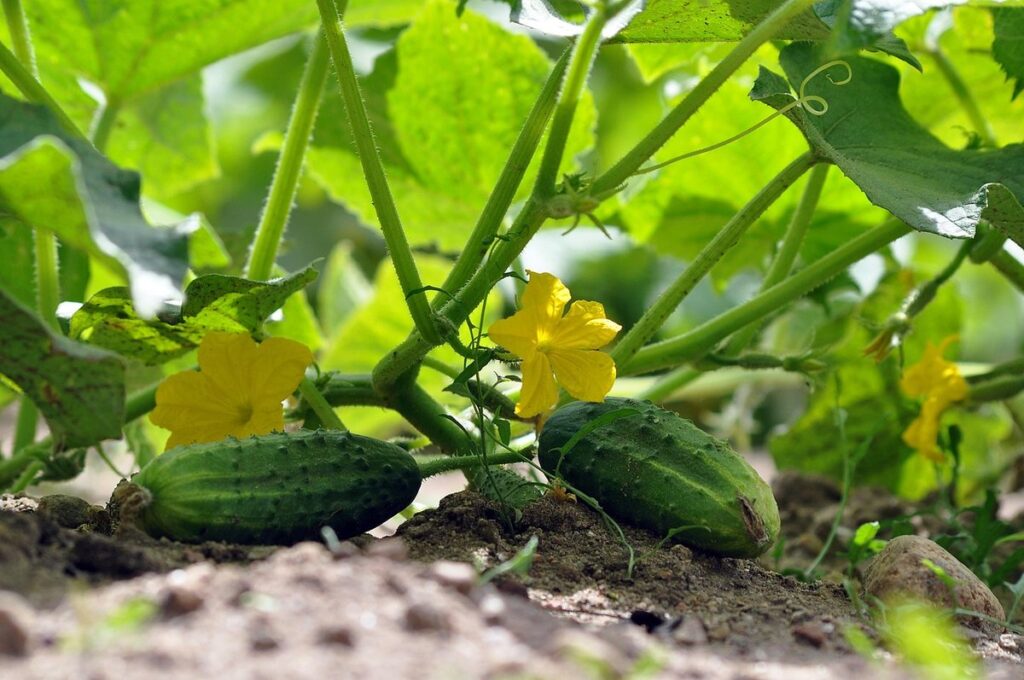
Benefits and Advantages of Cucumber Vertical Gardening
Cucumber vertical gardening offers a range of benefits, including increased space efficiency and reduced water usage. You’ll discover how these advantages can transform your garden in just a few simple steps.
Space-Saving Designs for Small Gardens
If you’re limited to a small garden space, don’t worry – vertical gardening is here to save the day. One of the most significant benefits of cucumber vertical gardening is its ability to maximize space. By growing cucumbers upwards, you can make the most of even the tiniest outdoor areas, ideal for urban dwellers or those with limited outdoor spaces.
To get started, consider using a trellis or a wall-mounted planter specifically designed for vertical gardening. These systems usually have built-in supports and pockets to hold the cucumber plants, allowing them to grow upwards while keeping the roots contained.
Make the most of your space by choosing compact or bush varieties of cucumbers that are naturally more suited to vertical growing. Not only do these varieties take up less room, but they also produce plenty of delicious fruits.
Some popular examples of compact cucumber varieties perfect for vertical gardening include ‘Bush Pickle’, ‘Salad Bush’, and ‘Tasty Green’. These varieties are specifically bred to thrive in small spaces while providing an abundance of fresh cucumbers.
Water Conservation and Reduced Labor
One of the significant advantages of cucumber vertical gardening is its water conservation capabilities and reduced labor requirements. Traditional farming methods often involve extensive irrigation systems that can waste a substantial amount of water. In contrast, cucumber vertical gardens typically utilize drip irrigation or capillary action-based watering systems, which deliver precisely the right amount of moisture directly to the roots.
This not only reduces water consumption but also minimizes evaporation and runoff, ensuring that every drop counts. Moreover, with vertical gardening, you can harvest cucumbers at a much faster rate than traditional methods, allowing for more efficient use of resources.
In addition to reduced water usage, cucumber vertical gardens often require significantly less labor input. Since the plants are grown in vertically stacked containers or trellises, maintenance tasks such as pruning and harvesting become easier and more streamlined. This is especially beneficial for small-scale farmers, urban gardeners, or individuals with limited space and time.
Some popular methods to implement water conservation and reduced labor in cucumber vertical gardens include using rainwater collection systems, installing automatic watering timers, and incorporating climbing support systems that encourage vertical growth patterns.
Choosing the Right Equipment for Cucumber Vertical Gardening
When it comes to setting up your cucumber vertical garden, choosing the right equipment is crucial for success. We’ll walk you through what to look for in a trellis, basket, and other must-haves.
Types of Trellises and Support Systems
When it comes to supporting the vertical growth of cucumbers, you’ll want to choose a trellis that’s sturdy enough to hold their weight. There are various types of trellises available, each with its pros and cons.
For the DIY enthusiast, building your own trellis can be a fun and cost-effective option. You can use materials like wooden stakes, twine, or wire mesh to create a unique design that suits your garden’s aesthetic. For instance, you could attach a wooden slat to a metal rod to create a simple yet effective support system.
Some popular store-bought trellises include:
• Bamboo trellises: lightweight and easy to set up
• Metal trellises: sturdy and durable, perfect for heavy yields
• Wooden trellises: rustic charm and adjustable heights
Considerations when choosing a trellis include its material, size, and adjustability. Make sure it’s at least 5-6 feet tall to accommodate the full growth of your cucumber plants. Some trellises also come with self-watering systems or planters attached, which can be convenient for gardeners who want a low-maintenance setup.
Ultimately, choose a trellis that complements your gardening style and meets the specific needs of your cucumbers.
Netting and Mesh Options for Trailing Varieties
For trailing cucumber varieties that spread out rather than climbing up trellises, netting and mesh options can provide essential support. These types of plants require a system that allows their vines to cascade downwards while keeping the fruit off the ground.
There are several ways to utilize netting or mesh in your vertical garden:
* Install a netting or mesh panel as a base for your cucumber plant. This will allow the vines to grow down through it and produce fruit without coming into contact with the soil.
* Use a trellis system and wrap mesh around it to create a containment area for the vines to spill over into.
* For more compact spaces, consider using individual mesh bags or pouches that can be attached directly to the plant’s stem.
When installing netting or mesh, ensure that it is tightly secured in place with tie wires or clips. Regularly inspect and clean the support system to prevent pests from harboring within the structure.
Planting and Maintenance Tips for Cucumber Vertical Gardening
To get started with your cucumber vertical garden, you’ll need to know how to plant and maintain it properly, which is exactly what we’ll cover next. Let’s dive into some essential tips.
Soil and Nutrient Requirements
When it comes to growing cucumbers vertically, providing the right soil and nutrient conditions is crucial for optimal growth. Cucumbers are heavy feeders that require a balanced diet of essential nutrients to produce a bountiful harvest.
To determine the ideal pH level for cucumber plants, aim for a slightly acidic to neutral range between 6.0 and 7.0. This allows them to absorb necessary micronutrients like calcium and magnesium. You can check your soil’s pH level with a simple DIY kit or consult with a local nursery expert.
Fertilization needs should be adjusted according to the cucumber variety, growth stage, and soil quality. A balanced fertilizer with N-P-K (nitrogen-phosphorus-potassium) ratio of 20-20-20 is suitable for most varieties. However, if you’re using hydroponics or coco coir as your growing medium, consider adding additional micronutrients like iron, zinc, and boron.
To ensure consistent nutrient delivery, use a fertilizer specifically designed for cucumbers, and apply it at the recommended rate to avoid over-fertilization. Regular soil testing will help you identify any nutrient deficiencies and make necessary adjustments for optimal growth.
Watering and Pruning Techniques
When it comes to watering and pruning techniques for vertical cucumber gardening, timing and frequency are crucial. Cucumbers need consistent moisture, especially when they’re producing fruit, but overwatering can lead to fungal diseases like powdery mildew.
Aim to water your cucumbers when the top 1-2 inches of soil feel dry to the touch, usually every 2-3 days during hot weather. Avoid getting water on the leaves or crown to prevent rot and other issues. Instead, water at the base of the plants, allowing the moisture to soak deep into the soil.
Pruning is also essential for promoting healthy growth and maximizing yields in vertical cucumber gardens. Remove any weak or spindly stems, as well as any diseased or damaged leaves. This will encourage the plant to focus its energy on producing fruit rather than foliage.
For vining varieties, train the tendrils up the trellis using clips or twine, leaving about 6-8 inches between each plant to ensure proper air circulation and sunlight penetration. Regular pruning also helps prevent pests like aphids and whiteflies from taking hold.
Popular Varieties for Cucumber Vertical Gardening
When it comes to growing cucumbers vertically, you’ve got a range of varieties to choose from, each with its own unique characteristics and benefits. Let’s explore some popular options that thrive in vertical gardens.
Compact and Dwarf Varieties
When it comes to growing cucumbers vertically, space is of the essence. That’s why compact and dwarf varieties are a great choice for vertical gardens. These types of cucumbers have been bred specifically to thrive in small spaces, making them perfect for container gardening or trellises.
Some popular compact cucumber varieties include ‘Salad Bush’, ‘Bush Pickle’, and ‘Baby White’. These varieties typically grow between 1-3 feet tall, allowing for easy access to the fruit and minimizing the need for pruning. Another great option is ‘Dwarf Swiss’, which produces high yields of delicious cucumbers on a compact plant that reaches only about 2 feet in height.
These space-saving varieties are ideal for small gardens or for those who want to maximize their vertical garden’s yield without sacrificing flavor or quality. By choosing compact and dwarf cucumber varieties, you can enjoy a bountiful harvest while still maintaining a manageable and organized growing space.
Heirloom and Hybrid Options
When it comes to choosing cucumber varieties for your vertical garden, you have two main options: heirloom and hybrid. While both types can thrive in a vertical gardening setup, they differ significantly in terms of characteristics, benefits, and uses.
Heirloom cucumbers are open-pollinated varieties that have been saved and handed down through generations. They often boast unique flavor profiles, such as sweet and tangy or crisp and refreshing. Heirlooms tend to be more sensitive to disease and require more maintenance, but they also offer a higher level of nutritional value and better texture. For example, the ‘Lemon’ heirloom cucumber variety has a bright yellow skin and a zesty flavor that’s perfect for snacking.
Hybrid cucumbers, on the other hand, are bred for specific traits like disease resistance and high yields. They often have a uniform appearance and consistent flavor, making them ideal for commercial growers or those who want a low-maintenance option. However, hybrids may lack the unique character and nutritional benefits of heirlooms.
If you’re looking to add some excitement to your vertical garden, consider trying an heirloom variety like ‘Tasty Green’ or ‘Marketmore’. These types will not only provide you with a delicious crop but also add visual interest to your space.
Troubleshooting Common Issues in Cucumber Vertical Gardening
If you’re running into problems with your cucumber vertical garden, we’ve got you covered. This section tackles common issues and provides solutions to get your harvest back on track quickly.
Pests and Diseases
When growing cucumbers vertically, it’s essential to be aware of common pests and diseases that can affect your crop. Aphids, whiteflies, and spider mites are common pests that thrive in the warm and humid conditions often found in vertical gardens. These insects feed on the sap of the cucumber plant, causing curled or distorted leaves, and can even transmit diseases.
To prevent infestations, make sure to regularly inspect your plants for signs of pests and take action immediately if you notice any issues. Use neem oil or insecticidal soap to control aphid populations, while introducing beneficial insects like ladybugs or lacewings can help maintain a natural balance in your garden.
Diseases such as powdery mildew and downy mildew can also affect cucumbers grown vertically. To prevent these diseases, ensure good air circulation around your plants, remove any infected leaves or stems, and treat with fungicides as needed. Keep your garden clean by disposing of debris and weeds, which can harbor pests and diseases.
Regular monitoring and prompt action are key to preventing pest and disease issues in your vertical cucumber garden.
Structural Integrity and Support
When setting up a cucumber vertical garden, one of the most critical aspects to consider is structural integrity and support. A well-designed trellis or support system can make all the difference between a thriving, productive garden and one that’s struggling to stay upright.
Look for signs of stress or failure in your trellis or support system. Do you notice any sagging, bending, or cracks? Are the cucumbers beginning to droop or become dislodged from their supports? These are all warning signs that something needs attention.
To prevent these issues, make sure to choose a sturdy trellis or support system specifically designed for vertical gardening. Consider using materials like metal, wood, or recycled plastic that can withstand wind and weather conditions. When assembling the structure, ensure it’s securely anchored to the wall or floor to prevent toppling over. Additionally, provide adequate spacing between each cucumber plant to allow for proper air circulation and reduce pressure on individual supports.
Regular inspections will also help identify any weaknesses in your structural integrity.
Advanced Techniques for Maximizing Yields
To take your cucumber vertical garden to the next level, we’ll explore advanced techniques for maximizing yields and overcoming common challenges that experienced growers often encounter. This includes strategies for pruning, training, and supporting your plants for optimal production.
Companion Planting Strategies
When it comes to maximizing yields and creating a thriving cucumber vertical garden, companion planting is a game-changer. By strategically growing certain plants alongside your cucumbers, you can reap numerous benefits that will boost growth, control pests, and even enhance flavor.
Take, for instance, the classic pairing of basil and cucumbers. Basil repels aphids, whiteflies, and spider mites – common cucumber pests – making it a natural companion plant. Plus, its fragrance can improve cucumber flavor and aroma. Other beneficial companions include marigolds (repel nematodes), nasturtiums (deter aphids and whiteflies), and chives (boost growth and repel pests).
To incorporate these plants into your vertical garden design, consider the following tips:
* Plant basil around the perimeter of your cucumber trellis to create a pest-repellent barrier.
* Incorporate marigolds or nasturtiums as a ground cover beneath your cucumber vines for added pest control.
* Use chives as a companion plant in containers nearby to improve growth and flavor.
By adopting these simple strategies, you can create a harmonious and productive ecosystem that maximizes yields and keeps pests at bay.
Crop Rotation and Seasonal Considerations
When it comes to maximizing yields in cucumber vertical gardening, understanding crop rotation strategies and seasonal considerations is crucial. Crop rotation not only prevents soil depletion but also reduces the risk of pests and diseases. For cucumber vertical gardens, aim to rotate crops every 6-8 weeks. This means planting a new crop, such as beans or squash, after the cucumbers have finished their growing cycle.
As temperatures fluctuate with seasonal changes, it’s essential to adjust your crop rotation accordingly. In warmer months (spring and fall), choose heat-tolerant varieties of cucumbers like ‘Marketmore’ or ‘Slicing’. For colder months (winter and early spring), opt for varieties like ‘Pickling’ or ‘English’, which are more resistant to frost.
Keep an eye on daylight hours as well. Cucumbers require at least 6 hours of direct sunlight per day, so plan your rotation around the changing seasons. Be mindful of companion planting too – some plants can actually harm cucumber growth (like tomatoes). By rotating crops and adapting to seasonal changes, you’ll be able to create a thriving vertical garden that maximizes yields and minimizes stress on your plants.
Frequently Asked Questions
Can I use existing gardening equipment for vertical cucumber gardening?
You can repurpose some of your existing gardening tools, but it’s essential to choose the right equipment for vertical gardening. Consider investing in a sturdy trellis or self-watering planter specifically designed for cucumbers. This will help ensure optimal support and water distribution.
How do I prevent pests and diseases from affecting my vertically grown cucumbers?
Regularly inspect your plants for signs of pests or disease, such as white powdery patches (powdery mildew) or aphid colonies. Use organic pest control methods like neem oil or diatomaceous earth to prevent infestations. For more severe issues, consider consulting a local nursery expert.
Can I grow compact or dwarf varieties in small spaces?
Compact and dwarf cucumber varieties are ideal for vertical gardening. These plants have naturally smaller growth habits and require minimal support, making them perfect for trellises or containers. Research popular compact varieties like ‘Bush Pickle’ or ‘Sour Sugar’.
How often should I water my vertically grown cucumbers in hot weather?
Cucumbers need consistent moisture, especially during hot weather. Water your vertical garden at least once a day, depending on the temperature and soil conditions. Check the soil’s moisture by inserting your finger; if it feels dry to the touch, it’s time for watering.
Can I grow cucumbers vertically in containers without a trellis?
Yes, you can use self-watering planters or hanging baskets with built-in support systems. These types of containers allow cucumbers to climb and spread naturally, eliminating the need for external trellises. Make sure the planter has adequate drainage holes to prevent waterlogged soil.