
Are you eager to grow your own juicy cucumbers but not sure where to start? Planning a successful cucumber garden can be overwhelming, especially for beginners. But don’t worry, with a little guidance and know-how, you’ll be enjoying crisp, refreshing homegrown cucumbers in no time. In this article, we’ll walk you through the essential steps of planning and cultivating a thriving cucumber garden. From selecting the perfect variety to preparing the ideal soil and providing necessary support systems, we’ve got you covered. Our comprehensive guide will share expert tips on growing cucumbers successfully, so you can reap the rewards of your hard work and enjoy a bountiful harvest. Whether you’re a seasoned gardener or just starting out, this article is packed with practical advice to help you grow delicious, healthy cucumbers in your garden.
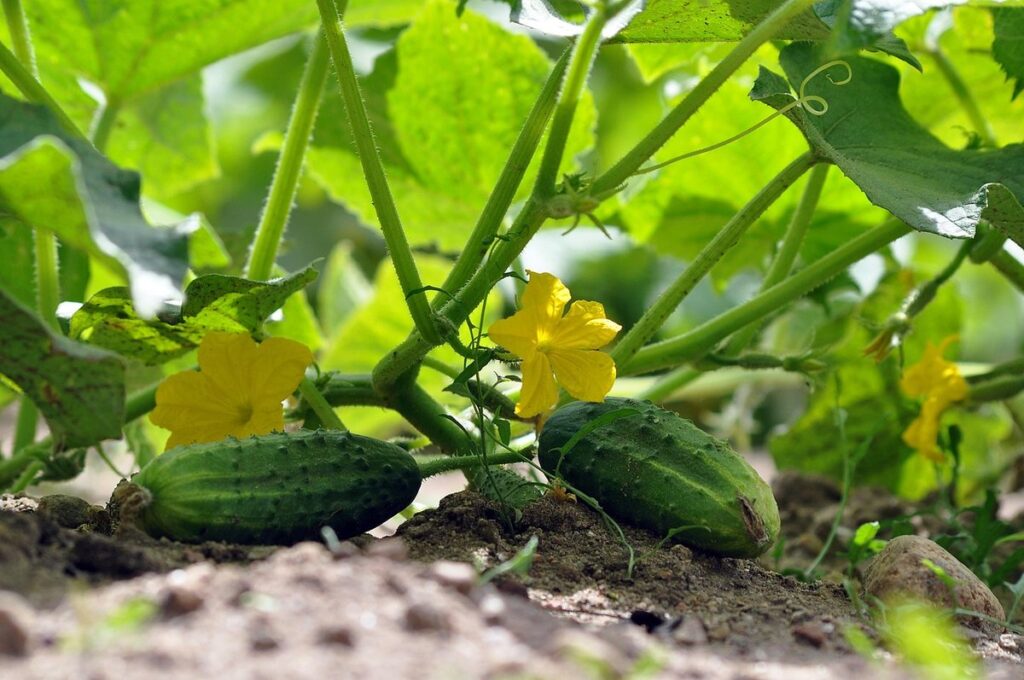
Choosing the Right Variety
With so many cucumber varieties out there, selecting the right one for your garden can be overwhelming. This section will help you narrow down your options and find the perfect fit for your needs.
Understanding Cucumber Types
When it comes to choosing the right cucumber variety for your garden, understanding the different types is crucial. You’ll find three main categories: slicing, pickling, and English cucumbers.
Slicing cucumbers are the most commonly grown type, known for their long, slender shape and mild flavor. They’re ideal for snacking fresh or adding to salads. These cucumbers have a high water content, making them perfect for hydrating on a hot summer day. Popular varieties like ‘Marketmore’ and ‘Straight Eight’ produce high yields of crunchy slices.
Pickling cucumbers, on the other hand, are smaller and more compact than slicing types. They’re typically harvested when immature and used in traditional pickling recipes. Their small size and tight skin make them perfect for canning and preserving. Varieties like ‘Dill Pickling’ and ‘Kirby’ excel in this category.
English cucumbers, also known as hothouse cucumbers, are characterized by their long, thin shape and dark green color. They have a higher sugar content than slicing types and a more delicate flavor. These cucumbers are perfect for slicing thinly and serving fresh or adding to sandwiches. Popular varieties like ‘Tasty Green’ and ‘Gherkin’ produce high-quality English cucumbers.
When selecting a cucumber variety, consider the space you have available in your garden and how you plan to use the harvest. Some types thrive in containers, while others prefer a larger growing area.
Selecting Disease-Resistant Varieties
When selecting cucumber varieties for your garden, it’s essential to consider their disease resistance. Common diseases such as powdery mildew, downy mildew, and fusarium wilt can wreak havoc on your crop, reducing yields and causing significant losses.
To minimize these risks, look for varieties that have built-in resistance to these diseases. Check the seed packet or consult with a reputable supplier to determine which varieties are resistant to specific diseases. Some popular disease-resistant cucumber varieties include ‘Marketmore’, ‘Suyo’, and ‘Tasty Green’.
When evaluating a variety’s disease-resistance, consider factors such as:
* The presence of specific genes that confer resistance
* Field trials and research data on the variety’s performance under stress conditions
* Recommendations from experienced growers or extension services
By choosing disease-resistant varieties, you’ll be able to enjoy healthier crops and spend less time fighting pests and diseases. Remember to also follow good gardening practices such as crop rotation, soil care, and proper watering techniques to further reduce disease risk.
Preparing the Garden Bed
Before planting your cucumber seeds, it’s essential to prepare the garden bed by loosening the soil and removing any debris. This will give your cucumbers a strong start in life.
Soil Requirements for Cucumbers
When it comes to growing cucumbers, having the right soil conditions is crucial for their success. The ideal pH level for cucumber growth is between 6.0 and 7.0, which is slightly acidic to neutral. If your soil’s pH level is outside of this range, it may affect nutrient availability and lead to reduced yields.
Cucumbers require a balanced diet of essential nutrients, including nitrogen, phosphorus, potassium, and calcium. To ensure they get what they need, add compost or well-rotted manure to the soil before planting. This will also improve its structure and fertility.
Drainage is another key consideration for cucumber growth. Cucumbers don’t like wet feet, so make sure your garden bed has good drainage to prevent waterlogged soil. You can achieve this by adding organic matter such as peat moss or perlite to the soil.
When preparing your garden bed, test its pH level and nutrient content to identify any potential issues. Based on the results, adjust your fertilization plan accordingly. By ensuring your soil meets cucumber’s requirements, you’ll be well on your way to a healthy and productive harvest.
How to Test Your Soil pH
Testing your soil pH is crucial before planting cucumbers. An ideal pH range for cucumber cultivation is between 6.0 and 6.8. If the pH level falls outside this range, it may impact the plant’s ability to absorb essential nutrients.
To test your soil pH, you can use a DIY kit or send a sample to a lab for analysis. The DIY kits are available at most gardening stores and usually come with easy-to-follow instructions. For accurate results, collect a small sample from different areas of the garden bed, mix them together, and follow the manufacturer’s guidelines.
If your soil pH is too high (above 7.0), it may be acidic, which can lead to nutrient deficiencies in cucumbers. To adjust the pH, you can add lime or dolomitic limestone according to the recommended amounts. On the other hand, if the pH is too low (below 6.0), it’s alkaline and may require sulfur or aluminum sulfate to lower it.
Keep in mind that adjusting soil pH takes time and patience. It’s essential to make gradual adjustments over a period of weeks rather than attempting drastic changes overnight.
Planting Cucumbers
Now that we’ve planned our cucumber garden, let’s move on to planting cucumbers directly into their optimal growing conditions. This includes choosing the right spot and preparing the soil for a successful harvest.
When to Plant Cucumbers in Your Region
When you’re planning to plant cucumbers, it’s essential to consider the ideal planting times for your region. This depends on your climate and local frost dates. In general, cucumbers are a warm-season crop that thrives in temperatures between 65°F and 95°F (18°C and 35°C).
In regions with long growing seasons, such as California or Florida, you can plant cucumbers as early as late winter to early spring. For example, in Southern California, the ideal time to plant cucumbers is from February to May, when the soil temperature has reached at least 60°F (15°C). On the other hand, in areas with shorter growing seasons, like the Northeast or Midwest, it’s best to wait until late spring to early summer.
To determine your local frost dates and ideal planting times, consult a reliable weather website or app. Once you have this information, plan accordingly to ensure your cucumber plants get off to a healthy start. In general, it’s best to plant cucumbers after the last frost date in your area, when the soil has warmed up and the risk of frost has passed.
How to Direct Sow or Transplant Cucumbers
When it comes to planting cucumbers, you have two main options: direct sowing and transplanting. Both methods can be effective, but they require different approaches.
Direct sowing is a great way to plant cucumbers if you’re starting from seed. Sow seeds 1 inch deep and 6-8 inches apart in late spring or early summer when the soil has warmed up to at least 60°F (15°C). Make sure the soil is well-draining and rich in organic matter. Keep the soil consistently moist during the first few weeks after sowing.
Transplanting, on the other hand, involves starting seeds indoors 2-3 weeks before the last frost date and then moving them outside when they have 2-3 sets of true leaves. Harden off seedlings by gradually exposing them to outdoor conditions over the course of 7-10 days before transplanting them into individual hills or containers. Space plants 12-18 inches apart, depending on the variety.
Regardless of which method you choose, make sure the soil is warm and the air is humid. Cucumbers are sensitive to extreme temperatures, so it’s essential to provide them with a sheltered spot that receives full sun and consistent moisture.
Supporting Cucumber Growth
Now that you’ve selected a suitable location for your cucumbers, let’s focus on creating an optimal environment for them to thrive and produce plenty of fruit. This involves careful attention to their needs during different growth stages.
Providing Support Systems for Cucumbers
When it comes to providing support systems for cucumbers, the right structure can make all the difference in their growth and production. As mentioned earlier, cucumbers are a vining crop that can spread out quite far if left unchecked, making them an ideal candidate for vertical gardening.
One of the most popular options for supporting cucumbers is using trellises. These can be made from a variety of materials such as wood, metal, or even recycled plastic. Simply place the trellis near your cucumber plants and gently guide their stems around it to create a sturdy framework for them to climb on.
Another option is using cages, which are especially useful if you have multiple cucumber plants that need support. Cages can be made from wire mesh or netting and come in various sizes to accommodate different plant varieties. To use a cage effectively, place it over the seedling when it’s still young and guide its stems through the openings.
Fences can also work well as a support system for cucumbers, especially if you have limited space but want to maximize your yield. A 6-foot tall fence is ideal for supporting cucumbers, allowing them to climb up and produce more fruit.
Pruning Techniques for Optimal Fruit Production
Pruning is an essential part of maintaining a healthy cucumber plant. It not only encourages optimal fruit production but also helps prevent disease spread. The right pruning techniques can make all the difference between a bountiful harvest and a disappointing yield.
When to Prune:
Cucumbers need regular pruning throughout their growth cycle. Remove any weak or spindly growth as it appears, this will help direct the plant’s energy towards producing fruit. Regular pruning also prevents the spread of disease by removing affected areas before they can infect other parts of the plant.
How to Prune:
To prune your cucumber plants effectively, follow these steps:
* Remove any dead or damaged leaves to prevent the spread of disease
* Pinch off flower buds that appear on the first three sets of true leaves to direct the plant’s energy towards fruit production
* Remove any weak or spindly growth to encourage bushy and compact growth
By pruning your cucumber plants regularly, you can ensure a bountiful harvest and promote healthy growth.
Pest and Disease Management
Effective pest and disease management is crucial for a healthy cucumber crop, so let’s explore some strategies to prevent common issues and keep your plants thriving. We’ll cover key techniques to monitor for pests and diseases.
Common Pests Affecting Cucumbers
When it comes to growing cucumbers, one of the biggest challenges you’ll face is dealing with pests. These unwanted visitors can cause significant damage to your plants and even ruin an entire crop if left unchecked.
Aphids are perhaps the most common pest that targets cucumbers. These small, soft-bodied insects feed on plant sap, causing curled or distorted leaves. They can also transmit diseases such as cucumber mosaic virus. To control aphid populations, use neem oil or insecticidal soap to spray infested areas. Encourage natural predators like ladybugs and lacewings by planting companion plants like dill and nasturtiums.
Whiteflies are another major pest that can devastate a cucumber crop. These tiny insects feed on plant sap, causing yellowing leaves and stunted growth. To control whitefly populations, use sticky traps or yellow traps to capture them, and introduce beneficial nematodes to attack their larvae.
Spider mites are a microscopic pest that can be difficult to spot but cause significant damage nonetheless. They feed on plant sap, causing fine webbing on the undersides of leaves. To control spider mite populations, increase humidity around your plants by grouping them together or using a humidifier.
Integrated Pest Management Strategies for Cucumbers
Managing pests is an essential aspect of growing cucumbers. Integrated Pest Management (IPM) strategies combine multiple techniques to minimize harm to plants and the environment while controlling pest populations effectively. To implement IPM for cucumber gardens, start by monitoring your crop regularly for signs of pests such as aphids, whiteflies, or spider mites.
Use physical barriers like fine mesh or fine-netted row covers to prevent pests from reaching your cucumbers. Cultural controls also play a crucial role; ensure good air circulation and maintain optimal watering schedules. Encourage beneficial insects by introducing natural predators like ladybugs or lacewings into the garden.
Biological control methods involve using living organisms to control pest populations. Introduce parasitic wasps that prey on specific pests, reducing the need for chemical pesticides. Chemical controls should only be used as a last resort and in combination with other IPM strategies. For example, if you notice severe aphid infestations, use neem oil or insecticidal soap to target the problem.
Rotate crops seasonally to reduce pest buildup and increase soil health. Also, maintain clean garden practices by removing weeds, debris, and fallen fruit. This not only reduces hiding places for pests but also minimizes the risk of spreading diseases through contaminated tools and water.
Harvesting and Storage
Now that you’ve learned how to plan and grow a thriving cucumber garden, it’s time to focus on harvesting and storing your bounty for optimal flavor and freshness. Proper storage techniques will keep your cukes crisp and delicious.
How to Identify Mature Cucumbers
When it comes to harvesting your cucumbers, identifying their maturity is crucial to ensure they’re picked at the right time. One of the most obvious signs of maturity is size – look for cucumbers that are between 6 and 8 inches long, although some varieties can grow much longer.
Another way to identify mature cucumbers is by checking their color. Most cucumber varieties will turn from a bright green to a more yellow or pale green as they ripen. However, some English or hothouse varieties may remain green throughout their life cycle, so be sure to check the specific characteristics of your plant.
Texture is also an important indicator of maturity – a ripe cucumber should be slightly soft to the touch but still firm enough to hold its shape. If it’s too hard, it’s not yet ready for harvest; if it’s mushy or soft, it may be past its prime.
To get a feel for what mature cucumbers look like, inspect your plants regularly and take note of their growth pattern. By checking on them daily, you’ll be able to identify the signs of maturity more easily and ensure that your cucumbers are picked at the peak of freshness.
Tips for Storing Fresh Cucumbers
When it’s time to harvest your cucumbers, you’ll want to store them properly to maintain their freshness and quality. Fresh cucumbers are highly perishable and can quickly become spoiled if not stored correctly.
To keep your cucumbers fresh for a longer period, start by trimming the blossom end with a sharp knife or pruning shears. This helps prevent moisture from accumulating inside the fruit, reducing the risk of rot and spoilage. Next, store them in a cool, dry place away from direct sunlight. A temperature between 45°F and 55°F (7°C to 13°C) is ideal for storing cucumbers.
If you’re planning to store your cucumbers for an extended period, consider using a ventilated container or bag. This allows for airflow while keeping the cucumbers cool and humid-free. Make sure to wash your hands before handling the cucumbers to prevent transferring bacteria that can cause spoilage. Store them loosely packed to avoid compressing the fruit.
For longer-term storage, you can also use methods like cold water bath or vacuum packing. For instance, submerging the cucumbers in ice water for several hours can slow down the ripening process, while vacuum-sealing them removes excess air and helps preserve their texture.
Frequently Asked Questions
What if I have limited space for my cucumber garden?
Cucumbers are relatively compact plants that can thrive in small spaces, such as containers or raised beds. Consider vertical gardening techniques, like trellises or arbors, to maximize space and promote air circulation.
Can I grow cucumbers in areas with poor soil quality?
Yes, while well-draining soil is ideal for cucumbers, they can still be grown in areas with poor soil quality. Add organic matter like compost or manure to improve the soil structure and fertility. You can also consider container gardening as a solution.
How often should I water my cucumber plants during hot weather?
Cucumbers require consistent moisture, especially when temperatures soar. Water your cucumbers deeply twice a week during hot weather. Monitor the soil’s moisture level by inserting a finger into the soil up to the knuckle; if it feels dry, it’s time for watering.
Can I harvest cucumbers at night or should they be picked in the morning?
Yes, it’s best to harvest cucumbers in the early morning when they’re typically at their peak freshness and flavor. Avoid harvesting during hot afternoons as this can cause moisture loss and reduced quality.
How do I prevent overwatering from occurring in my cucumber garden?
To prevent overwatering, check the soil daily for moisture by inserting a finger into the soil up to the knuckle. Cucumbers need about 1-2 inches of water per week, either from rain or irrigation. Avoid watering during extreme weather conditions like heavy rainfall or intense heat.