
When growing cucumbers, most gardeners are familiar with their unique flowering pattern. But did you know that cucumbers have distinct male and female flowers? It’s true! These sex-specific blooms play a crucial role in pollination and ultimately affect the plant’s yield. In this article, we’ll delve into the world of cucumber flowers and explore how to identify and cultivate both male and female varieties. We’ll also examine the genetic implications of sex ratios on cucumber breeding programs, providing valuable insights for gardeners and farmers looking to optimize their yields.
By understanding the intricacies of cucumber male vs female flowers, you can make informed decisions about your crop’s management and potentially increase its productivity. Whether you’re a seasoned gardener or just starting out, this guide will walk you through the process of sex determination and provide practical tips for cultivating both types.
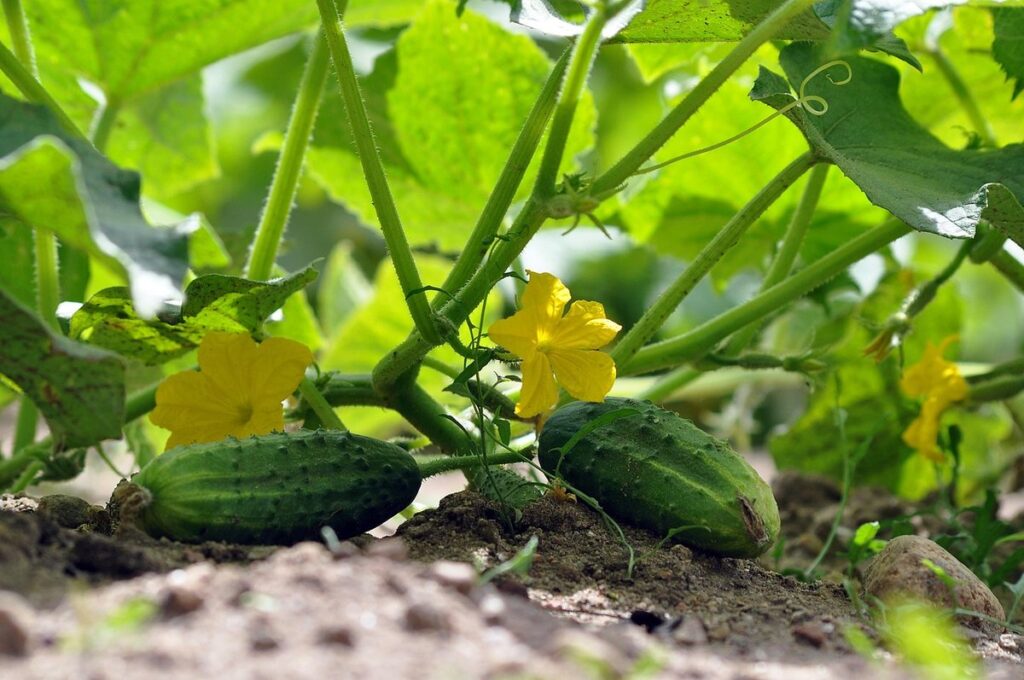
What are Cucumber Flowers?
When you notice tiny, yellowish blooms appearing on your cucumber plant, they’re probably male flowers, but have you ever wondered what exactly these delicate blooms look like and how they differ from their female counterparts?
Structure and Function of Cucumber Flowers
Cucumber flowers have a unique structure and function that plays a crucial role in pollination. Each flower consists of male and female reproductive parts, which are responsible for producing the gametes necessary for fertilization.
The male flowers, also known as the stamens, contain the pollen-producing organs called anthers. These anthers produce pollen grains that are released during pollination. The pollen contains the sperm cells that fertilize the egg cell in the female flower. Male flowers typically have five stamens, with the largest two being the functional ones.
The female flowers, also known as the pistils, consist of a stigma, style, and ovary. The stigma is the receptive surface where pollen grains land and germinate. The style connects the stigma to the ovary, which contains the egg cells. Female flowers typically have one or three stigmas, depending on the cucumber variety.
Pollination occurs when pollen from the male flower lands on the stigma of the female flower. This process is crucial for the production of cucumbers, as it allows for fertilization and seed development. Cucumber farmers often rely on bees and other pollinators to facilitate this process.
Types of Cucumber Flowers
When it comes to cucumber flowers, you’ll often come across three main types: monoecious, dioecious, and hermaphroditic varieties. Understanding the differences between these types is crucial for both cultivation and breeding.
Monoecious cucumbers have separate male and female flowers on the same plant, but they are not directly attached to each other. This type of variety is ideal for commercial production as it increases fruit yield and reduces labor costs. However, monoecious cucumbers may require more maintenance to ensure proper pollination.
Dioecious cucumbers, on the other hand, have male and female flowers on separate plants. This type requires two plants for every desired harvest, making it less practical for home gardeners but a good option for commercial growers who can manage the logistics.
Hermaphroditic cucumbers have both male and female reproductive organs in each flower, eliminating the need for cross-pollination. While this variety offers convenience, its fruit yield may be lower than that of monoecious varieties.
In practical terms, understanding the type of cucumber flowers you’re working with will help you tailor your cultivation methods to maximize results. For example, if you’re growing a monoecious variety, make sure to provide adequate support for the plants and ensure proper pollination by attracting beneficial insects or manually transferring pollen.
Male Cucumber Flowers
Male cucumber flowers are smaller, lack a fruit-bearing ovary, and are typically found on the end of tendrils. They’re an essential part of your plant’s reproductive cycle.
Characteristics of Male Cucumber Flowers
Male cucumber flowers are easily distinguishable from their female counterparts due to several distinct physical characteristics. The first notable feature is their structure, which typically consists of 5-7 stamens with yellow anthers that produce pollen. These anthers tend to be darker and more prominent than the lighter-colored filaments supporting them. In addition, male flowers usually have a smaller size compared to female flowers and often grow at the leaf nodes rather than at the shoot tips.
Another key characteristic of male cucumber flowers is their coloration. While female flowers are often green or slightly yellowish due to the presence of pistils, male flowers tend to be more vibrant with a strong yellow hue that’s usually noticeable from a distance. This bright coloration serves as an attractant for pollinators like bees and other insects.
In terms of function, male cucumber flowers play a crucial role in pollination by producing and releasing pollen into the air. As male flowers mature, they release their pollen, which is then carried away by pollinators to fertilize female flowers, enabling seed production.
Pollen Production and Release
Male cucumber flowers are responsible for producing and releasing pollen for fertilization. This process is crucial for seed production and fruit set in cucumbers. The male flower’s reproductive organs, known as stamens, produce tiny granules of pollen that contain the male gametes (sperm cells).
Pollen production and release are influenced by environmental factors such as temperature and humidity. Warmer temperatures typically increase pollen production, with optimal conditions ranging between 65°F to 75°F (18°C to 24°C). Conversely, high humidity can slow down pollen release, making it essential for growers to balance these factors.
The male flower’s anthers, which are the pollen-producing structures, must dry slightly before releasing pollen. This usually occurs in the late morning or early afternoon when the temperature is moderate. Growers can encourage healthy pollen production by providing adequate water and nutrients to their plants while maintaining optimal temperatures and humidity levels.
Female Cucumber Flowers
When it comes to growing cucumbers, one of the most important things to understand is how female flowers differ from male ones. In this next part, we’ll take a closer look at what makes female cucumber flowers unique.
Characteristics of Female Cucumber Flowers
Female cucumber flowers are smaller and less showy than their male counterparts. They typically have three petals that are pale yellow to creamy white in color, with a cluster of tiny greenish-yellow stamens (the reproductive parts) at the center. The female flower is usually slightly more prominent on the stem than the male flower, making it easier to spot.
In terms of structure, the female cucumber flower has a small ovary located at the base of its petals, which eventually develops into the fruit itself. This ovary contains several ovules where seeds will develop if pollination occurs. The tiny greenish-yellow stamens surrounding the ovary are actually modified leaves that support the reproduction process.
Female flowers play a crucial role in pollination by attracting bees and other pollinators through their fragrance, shape, and color. Once pollinated, they begin to develop into cucumber fruit, which grows as it matures over several weeks. To encourage pollination, it’s essential to maintain good air circulation around your plants, avoid overhead watering that can wash away pollen, and consider providing a trellis or other support for climbing varieties to promote healthy growth and flowering.
Receptivity to Pollen
When it comes to fertilization, female cucumber flowers play a crucial role. These flowers have a receptive stigma that allows them to receive pollen from male flowers. As the pollen lands on the stigma, it germinates and grows down through the style, eventually reaching the ovary where fertilization occurs.
Receptivity is not solely dependent on the presence of pollen; temperature and moisture levels also play significant roles. Ideally, temperatures between 65°F to 75°F (18°C to 24°C) allow for optimal receptivity, while excessive heat can lead to decreased fertility. Conversely, inadequate moisture can cause the stigma to become desiccated, reducing its ability to receive and hold pollen.
It’s essential to maintain a delicate balance of temperature and moisture levels in your cucumber patch to optimize fertilization. To promote healthy growth and reproduction, ensure that the soil is consistently moist but not waterlogged, and provide shade for plants when temperatures rise above 80°F (27°C). By understanding the intricacies of female flower receptivity, you can increase your chances of a bountiful harvest.
Distinguishing Male from Female Cucumber Flowers
Cucumber flowers can be quite deceiving, and it’s not uncommon for gardeners to mistake male for female blooms. Let’s take a closer look at how to identify each type of flower.
Visual Cues for Identification
When inspecting cucumber flowers, it’s essential to note that visual cues can help you identify male and female blooms. The most noticeable difference lies in the coloration of the flowers. Male flowers are typically a bright yellow color, often with a prominent cluster of stamens in the center. These stamens are long and thin, giving the flower a somewhat wispy appearance.
Female flowers, on the other hand, tend to be smaller and less showy than their male counterparts. They have a green or pale yellow tint and lack the prominent cluster of stamens found in male flowers. Instead, female flowers feature a central ovary, which contains the ovaries where seeds will develop.
When examining cucumber flowers, look for these visual cues to help you distinguish between males and females. Observe the coloration and shape of the flower, as well as the presence or absence of stamens in the center. By paying attention to these details, you’ll be better equipped to identify the sex of your cucumber flowers. This is particularly useful when planning for cross-pollination or seed production.
Timing of Pollination
Pollination timing plays a crucial role in cucumber cultivation. Male flowers typically bloom 1-3 days before female flowers and are responsible for pollinating them. This is because male flowers produce pollen, which is then transferred to the stigma of the female flower during pollination.
To ensure successful pollination, it’s essential to understand the specific timing needs of your cucumbers. In general, most cucumber varieties require at least one day for pollination to occur after anthesis (when the flower opens). This means that if you’re planning to hand-pollinate or rely on natural pollinators like bees and butterflies, you should do so within 24 hours of the female flowers opening.
In practice, this might mean inspecting your plants daily, looking for newly opened female flowers. You can then carefully transfer pollen from a nearby male flower using a small brush or cotton swab to ensure successful pollination. By timing pollination correctly, you’ll increase your chances of a bountiful harvest and minimize crop losses due to inadequate pollination.
Implications for Cultivation and Breeding
Now that you’ve learned how to identify male and female cucumber flowers, let’s explore what these differences mean for your cultivation and breeding practices.
Impact on Yield and Quality
The sex ratio of cucumber flowers can significantly impact the yield and quality of your crop. If there’s an imbalance between male and female flowers, it can lead to reduced yields and lower quality cucumbers. This is because male flowers are responsible for pollination, while female flowers produce the fruit.
To achieve optimal yields, it’s essential to strike a balance between male and female flowers. Aim for a ratio of 1:5 or 1:6 (one male flower for every five or six female flowers). You can achieve this by selecting cucumber varieties with a balanced sex ratio or through pruning techniques.
For example, you can remove weak or spindly growth to encourage bushy plants and promote more flower production. By creating an environment that supports the development of both male and female flowers, you’ll be able to optimize your yields and enjoy healthier, more abundant cucumbers. Remember to also consider factors like temperature, humidity, and soil quality to ensure a thriving crop.
Genetic Considerations
When selecting for specific sex ratios or traits in cucumber breeding programs, genetic considerations become crucial. Cucumber plants are dioecious, meaning they have separate male and female flowers on different plants. To create a desired sex ratio, breeders can exploit this characteristic by choosing parents with the right combination of sex-determining chromosomes.
Research has shown that cucumber sex is controlled by a single locus with two alleles: S (male) and s (female). The presence of an S allele leads to male flowers, while ss or Ss individuals develop female flowers. Breeders can select for specific genotypes to achieve the desired sex ratio, such as all-male or parthenocarpic (seedless) varieties.
However, this selection process can lead to unintended consequences, such as a loss of genetic diversity or reduced vigor in offspring. To mitigate these risks, breeders should consider maintaining genetically diverse populations and implementing careful selection strategies that balance desired traits with long-term sustainability. This approach will ensure the development of robust and productive cucumber varieties for future generations.
Conclusion: Balancing Sex Ratios for Optimal Growth
Now that you’ve learned how to identify and encourage the growth of male and female flowers on your cucumber plant, let’s talk balance. Achieving optimal sex ratios is crucial for a healthy crop.
Final Thoughts on Cucumber Flower Sex Ratios
As we conclude our exploration of cucumber male and female flowers, it’s essential to reflect on the key takeaways from this article. One crucial aspect to consider is the sex ratio of cucumber flowers, which plays a vital role in determining plant growth and productivity.
In our discussion, we explored the concept of Cucumber Flower Sex Ratios (CFR), highlighting that an imbalance between male and female flowers can significantly impact yields. A typical 3:1 or 5:1 sex ratio is often recommended for optimal growth. However, it’s worth noting that some research suggests a 2:1 ratio may be more beneficial in certain conditions.
To apply this knowledge practically, consider the following steps:
* Monitor your cucumber plants closely during flowering to assess their sex ratios.
* If you notice an imbalance, consider pruning or training the plant to promote a more favorable sex ratio.
* Research local climate and weather conditions to determine the most suitable sex ratio for your specific region.
By understanding and adapting to the optimal sex ratio of your cucumber flowers, you can unlock improved yields and overall plant health. Remember that these recommendations serve as guidelines; it’s crucial to observe and adapt to the unique needs of your plants.
In practical terms, achieving a balanced sex ratio requires attention to detail, observation, and flexibility. By embracing this approach, you’ll be better equipped to provide your cucumber plants with the ideal conditions for optimal growth. With these key takeaways in mind, you can confidently cultivate healthier, more productive cucumber plants that thrive under your care.
Frequently Asked Questions
What’s the optimal sex ratio for maximum yield in my cucumber crop?
The ideal sex ratio can vary depending on factors like climate, soil quality, and specific cultivar characteristics. However, as a general rule of thumb, maintaining a balance between male and female flowers (around 1:3 to 1:5) tends to promote higher yields. Monitor your plant’s performance and adjust the sex ratio accordingly.
Can I cultivate both male and female cucumber varieties together for cross-pollination?
Yes. This practice is known as “staggered planting” or “interplanting.” By growing both types of flowers in close proximity, you can encourage cross-pollination and increase genetic diversity within your crop. Just ensure that the varieties are compatible and have complementary growth habits.
How do I determine if my cucumber plant is producing enough male flowers for pollination?
A general guideline is to aim for at least 2-3 times more male flowers than female ones. You can also observe the plant’s overall health, ensuring it receives sufficient light, water, and nutrients. If your plant appears robust but you still notice a lack of pollen production, consider adding supplemental lighting or providing a trellis support.
What are some common mistakes gardeners make when trying to cultivate male cucumber flowers?
One common oversight is neglecting the importance of soil pH in affecting sex expression. Ensure your soil has an optimal pH range for cucumber growth (around 6.0-7.0), as this can influence the production and balance of both male and female flowers.
Can I use pesticides near my cucumber plants without harming their reproductive system?
No, using broad-spectrum pesticides can have devastating effects on pollinators like bees and other beneficial insects essential for cross-pollination. Instead, adopt integrated pest management (IPM) strategies that prioritize organic controls and habitat preservation to maintain a balanced ecosystem.