
Squash bugs are one of the most frustrating pests to deal with in your garden. These flat, brown insects can wreak havoc on your prized squash, zucchini, and melon plants, leaving them weak, wilted, and vulnerable to other diseases. Not only do squash bugs drain the life out of your plants by sucking their sap, but they also secrete a sticky substance that attracts other pests and fosters an ideal environment for fungal growth. If you’re tired of losing your harvest to these pesky critters, it’s time to learn how to effectively identify, prevent, and treat squash bug infestations on your plants. In this article, we’ll share tried-and-true control methods and strategies to help you protect your garden from the destructive effects of squash bugs.
Understanding Squash Bugs
To effectively manage squash bug infestations, it’s essential to understand their behavior and life cycle, which we’ll explore next. Let’s dive into the key characteristics of these pests.
What Are Squash Bugs?
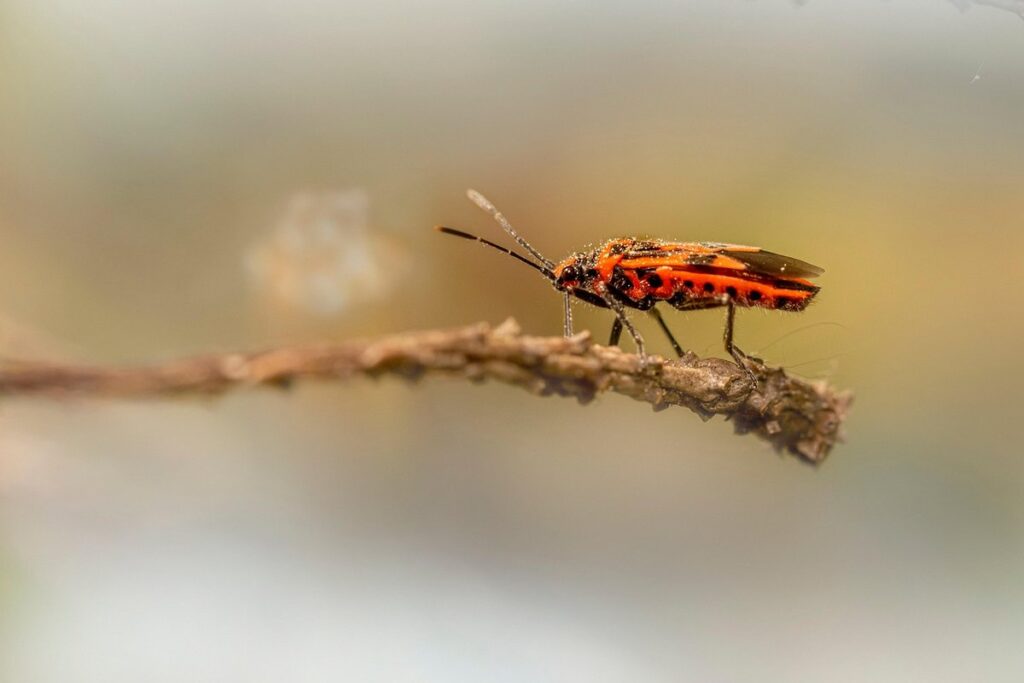
Squash bugs are small, flat insects that can be identified by their elongated body shape and distinctive shield-like shape on their back. They have a brown or black color with a reddish tint, and can grow up to 1/4 inch in length. These pests are known for feeding on the sap of squash plants, including zucchini, acorn squash, and other varieties.
When squash bugs feed on plant sap, they cause damage by disrupting photosynthesis and nutrient uptake. This can lead to yellowing leaves, stunted growth, and reduced fruit production. Infested plants may also become more susceptible to disease due to the weakened state of the plant.
In severe cases, squash bug infestations can be devastating, causing entire crops to fail. It’s essential for gardeners to recognize the signs of squash bugs early on to prevent long-term damage. Keep an eye out for eggs on plant stems and leaves, as well as actual adult insects on the undersides of leaves or on nearby plants.
Squash bugs are typically active from May to October, with peak activity in July and August. Regular monitoring during these periods can help you catch infestations before they get out of hand.
Types of Squash Bugs
There are several types of squash bugs that infest plants, each with their unique habits and habitats. The most common type is the southern squash bug (Anasa tristis), found primarily in the southeastern United States. These bugs are known to feed on plant sap, causing wilting and yellowing leaves.
Another type is the green stink bug (Acrosternum hilare), which is a significant pest of cucurbits, including zucchini, acorn squash, and pumpkins. They have a distinctive green color with a reddish-brown stripe running along their back. Green stink bugs are notorious for their ability to transmit plant viruses.
The brown stink bug (Euschistus servulus) is also a common squash pest. It has a more oval-shaped body than the green stink bug and tends to feed on younger leaves and stems. These bugs can cause significant damage by sucking plant sap, making it essential for gardeners to identify and manage them effectively.
In addition to these types, there are several other squash bugs that infest plants, including the striped cucumber beetle (Acalymma vittatum) and the spotted cucumber beetle (Diabrotica undecimpunctata).
Signs of a Squash Bug Infestation
If you suspect that your squash plant has been infested by squash bugs, it’s essential to identify the signs of an infestation early on. One common indication is yellowing leaves, which can be a sign that the bugs have sucked out the plant’s sap, causing nutrient deficiencies.
Look for white eggs, usually laid in clusters on the underside of leaves or stems. These eggs are a surefire way to confirm a squash bug infestation. As the nymphs hatch and grow, they will feed on the plant’s sap, further weakening it.
Stunted growth is another sign that your squash plant may be struggling with an infestation. If you notice your plant is not producing fruit as usual or its growth has slowed down significantly, it could be a result of squash bug damage.
Keep in mind that squash bugs can multiply quickly, so it’s crucial to monitor your plants regularly for any signs of infestation. Regularly inspecting your plants and taking prompt action will help prevent the problem from escalating further.
Identifying Squash Bug Damage
When you notice squash bug damage, it can be hard to tell what’s going on under the surface. This section will walk you through how to identify signs of infestation and potential harm.
Types of Plant Damage
When squash bugs infest plants, they can cause a range of damage that can be detrimental to crop yields and overall plant health. One of the most common types of damage caused by squash bugs is feeding damage. As these insects feed on the sap of the plant, they can weaken the stem and leaves, making them more susceptible to disease and pests.
Another noticeable sign of squash bug infestation is wilting. When squash bugs suck the sap from the plant’s roots, it can disrupt the normal flow of water and nutrients, causing the plant to wilt and become discolored. This damage can be irreversible if left unchecked.
Squash bugs can also cause a significant reduction in yields. By feeding on the plant’s reproductive organs, these insects can prevent fruits from forming or reduce their size. In severe cases, an entire crop may be lost due to squash bug infestation.
Early Detection
Early detection is key to effectively managing squash bug infestations. To catch these pests early on, it’s essential to monitor your plants regularly and be vigilant about signs of infestation. Start by inspecting the undersides of leaves and stems for clusters of eggs or the bugs themselves.
Look for dark spots or patches on the plant’s foliage, as these can indicate where the squash bugs have been feeding. Also, check for yellowing or wilting leaves, which may be a sign that the bugs are sucking sap from the plant.
To monitor your plants effectively, set aside some time each week to inspect them thoroughly. Check multiple areas of the plant, including the stems, leaves, and soil around the base of the plant. Keep an eye out for any suspicious-looking bugs or eggs, and take action immediately if you spot even a single squash bug.
Regular monitoring will help you catch infestations before they spread and cause significant damage to your plants.
Common Host Plants
Squash bugs have a wide range of host plants they target, making them a significant concern for gardeners and farmers alike. Some of the most common host plants susceptible to squash bug infestation are squash, melons, and cucumbers. These plants belong to the Cucurbitaceae family and are closely related, which is why squash bugs find them so appealing.
Squash bugs thrive on these plants due to their soft stems and leaves, making it easy for the bugs to feed on them. The most common types of squash affected by squash bugs include zucchini, acorn squash, and pumpkins. Melons like watermelon and cantaloupe are also frequent targets. Cucumbers, both the slicing and pickling varieties, are equally susceptible to infestation.
It’s essential for gardeners and farmers to recognize these common host plants and take preventative measures to avoid an infestation. This can include using physical barriers, such as fine mesh or row covers, to prevent squash bugs from reaching their target plants.
Prevention Methods
To keep squash bugs from taking over your garden, let’s dive into some effective prevention methods you can implement right away. We’ll explore the best ways to protect your plants from these pesky insects.
Crop Rotation
Crop rotation is a crucial prevention method for managing squash bug infestations. By changing the type of crop grown in a particular area, you can break the squash bug life cycle and reduce their population over time. This simple yet effective technique involves rotating crops to areas where squash bugs are less likely to be present.
When selecting a new crop to rotate into your garden, choose one that is known to repel or resist squash bugs. Some examples of resistant varieties include marigolds, nasturtiums, and basil. These plants release chemicals that deter squash bugs from approaching them, creating an uninhabitable environment for the pests.
In addition to rotating crops, selecting resistant varieties can also help reduce squash bug infestations. When purchasing seeds or seedlings, look for varieties that have been bred specifically to resist squash bugs. This proactive approach can save you time and effort in controlling pest populations, ultimately reducing the need for pesticides and other chemicals.
Physical Barriers
When it comes to preventing squash bugs from reaching your plants, using physical barriers can be an effective method. One popular option is row covers, which are lightweight, breathable fabrics that allow light and water to reach your plants while keeping pests out. By covering your plants with row covers, you can prevent squash bugs from laying eggs on the leaves or stems.
Another option for physical barriers is fine mesh screens, which can be placed around individual plants or over raised beds. These screens have small holes that are just big enough for water and air to pass through, but too small for squash bugs to fit through. To use a fine mesh screen effectively, make sure it’s securely attached to the plant stake or bed frame.
When choosing physical barriers, consider factors such as ease of installation, durability, and visibility. Some row covers are treated with UV light to prevent squash bugs from being attracted to them, while others have a reflective surface that can scare pests away.
Companion Planting
When it comes to preventing squash bugs from infesting your plants, companion planting can be a valuable tool. By strategically pairing certain herbs and flowers with susceptible plants, you can create an environment that deters these pesky insects.
Some effective companions for squash include basil, mint, and nasturtiums. These plants repel squash bugs through their strong scents or physical properties. For example, basil’s pungent aroma is known to deter a wide range of pests, including squash bugs. Planting basil nearby can help keep these insects at bay.
Other options like marigold, calendula, and radish also show promise in repelling squash bugs. These plants can be interplanted with susceptible crops, creating a diverse and resilient garden ecosystem that minimizes the risk of infestation. To maximize their effectiveness, remember to plant these companions around the perimeter of your garden bed or interspersed among your susceptible crops.
Remember to maintain a balanced mix of companion plants and ensure they receive adequate sunlight and water for optimal performance.
Treatment Options
If you’re dealing with a squash bug infestation, knowing your treatment options is crucial to saving your plants. Here, we’ll explore the most effective methods for getting rid of these pesky insects.
Organic Controls
When dealing with squash bug infestations, it’s essential to explore organic control methods that are gentle on the environment and your garden. One effective way to manage squash bugs is by introducing their natural predators into your garden ecosystem.
Lady beetles, lacewings, and parasitic wasps are known to feed on squash bugs, helping to regulate their populations naturally. Encourage these beneficial insects by planting a diverse range of flowers that provide nectar and pollen, such as marigolds, sunflowers, and dill. This will create a welcoming habitat for them in your garden.
Another organic control method involves using neem oil, which is derived from the seeds of the neem tree. Neem oil interferes with the squash bug’s hormone system, preventing them from reproducing and eventually killing them. Mix 2-3% neem oil with water according to the product’s instructions and spray it on your plants to repel and kill squash bugs.
Chemical Controls
Chemical controls can be an effective method to manage squash bug populations when other control methods are not sufficient. Pyrethrin sprays are a common choice for this purpose. These sprays contain natural insecticides derived from chrysanthemum flowers and are safe for use around people and pets.
However, it’s essential to note that pyrethrin sprays may only provide temporary relief as squash bugs can develop resistance over time. Systemic insecticides, on the other hand, work differently by being absorbed by the plant, making them toxic to insects that feed on its sap. This type of insecticide is often used in combination with other control methods for optimal results.
When using chemical controls, it’s crucial to follow the product instructions carefully and take necessary precautions to avoid harming beneficial insects or the environment. For example, apply pyrethrin sprays during the early morning or evening when adult squash bugs are most active, and make sure to cover all areas of the plant thoroughly. Regular monitoring is also vital to prevent overapplication and minimize harm to the plant and surrounding ecosystem.
Integrated Pest Management (IPM)
When it comes to managing squash bug populations, Integrated Pest Management (IPM) is an effective approach that combines multiple strategies for optimal results. IPM involves monitoring for pests, using resistant varieties, and applying control methods strategically.
Monitoring for squash bugs involves regularly inspecting your plants for signs of infestation, such as yellowing or distorted leaves, eggs on the underside of leaves, or actual bugs present. Keep in mind that a single female squash bug can lay up to 500 eggs, so early detection is crucial.
Using resistant varieties is another key component of IPM. Some plant breeders have developed squash varieties with built-in resistance to squash bugs, reducing the need for chemical controls. If you’re unsure which variety to choose, check with local nurseries or extension services for recommendations.
Applying control methods strategically means identifying the most effective approach based on your specific situation. For example, if you’ve already noticed a significant infestation, consider applying a targeted insecticide.
Managing Squash Bug Populations
To effectively manage squash bug populations, it’s essential to understand their life cycle and behavior, allowing you to take targeted control measures. This helps prevent further infestations.
Long-Term Strategies
To truly tackle squash bug populations in the long term, it’s essential to adopt strategies that go beyond quick fixes. One effective approach is selecting resistant varieties of squash plants. By choosing cultivars bred for their natural resistance to squash bugs, you can significantly reduce the likelihood of infestations. For example, ‘Crookneck’ and ‘Straightneck’ are popular summer squash options known for their resilience against these pests.
In addition to planting resistant varieties, practicing good agricultural practices is crucial in managing squash bug populations. This includes maintaining a clean garden by removing weeds and debris that can harbor the bugs. Proper watering techniques are also vital, as overwatering can exacerbate pest issues. Furthermore, incorporating beneficial insects like lacewings or parasitic wasps into your ecosystem can help naturally control squash bug numbers.
By combining these long-term strategies with preventative measures like using physical barriers or row covers, you’ll be well on your way to maintaining a healthy and sustainable squash crop.
Short-Term Solutions
When a severe squash bug infestation strikes, it’s essential to take immediate action to prevent further damage. Emergency treatments are crucial in these situations, and here’s what you can do.
Firstly, inspect the affected plants thoroughly to determine the extent of the infestation. Look for signs like yellowing leaves, stunted growth, and actual squash bugs on the underside of leaves or stems. Once you’ve identified the problem, it’s time to act.
Remove any severely damaged or dead plants to prevent the spread of disease and further bug infestations. This is a rapid removal process that requires immediate attention. Disinfect tools and equipment thoroughly between each plant to avoid transferring squash bugs from one plant to another.
If you have a severe infestation, consider applying insecticidal soap or neem oil as an emergency treatment. These products are quick-acting and can provide relief within 24-48 hours. However, always follow the product’s instructions carefully and take necessary safety precautions to avoid harming yourself or other beneficial insects.
Record Keeping
Effective record keeping is crucial for managing squash bug populations. It allows you to track pest pressure, monitor treatment efficacy, and make informed decisions about future management strategies. Start by setting up a simple system to record the presence of squash bugs on your plants, including dates, affected areas, and any treatments applied.
Keep a separate log for each season or growing period to monitor trends and patterns in pest activity. Note the timing of peak infestations, as this can help you anticipate and prepare for future outbreaks. Regularly review your records to assess the effectiveness of different treatments and adjust your strategy accordingly.
For example, if you’re using an integrated pest management (IPM) approach that involves multiple control methods, keep track of which techniques are working best in your specific environment. This will enable you to refine your IPM plan and optimize its impact on squash bug populations.
Frequently Asked Questions
What’s the most effective way to prevent squash bug infestations?
Prevention is key when it comes to managing squash bugs. To reduce the risk of an infestation, focus on crop rotation, physical barriers, and companion planting. Rotate your squash crops regularly (at least 3-4 times a year) to break the life cycle of squash bugs. Use fine mesh or row covers to prevent adult bugs from reaching your plants. Plant certain herbs like basil, mint, or dill alongside your squash to repel these pests.
How do I know if my squash bug treatment is working?
When using treatment methods for squash bugs, it’s essential to monitor their effectiveness. Look for signs of reduced damage, such as healthy leaves and stems on your plants. Check for a decrease in the number of squash bugs present on your plants over time. Consider keeping a record of your treatments and observations to track progress.
Can I use neem oil or insecticidal soap to control squash bug populations?
Yes, neem oil and insecticidal soap can be effective against squash bugs. These products work by disrupting the life cycle of these pests, preventing them from reproducing. However, ensure you follow label instructions for application rates and timing to avoid harming your plants.
How long does it take to see results after implementing a squash bug management plan?
The time frame for seeing results varies depending on the severity of the infestation and the effectiveness of your control methods. With proper implementation of crop rotation, physical barriers, and other prevention strategies, you may notice a reduction in damage within 1-2 weeks. For more severe infestations or when using treatment options, it can take several weeks to see significant improvement.
Can I still grow squash in the same spot if I’ve had a squash bug problem in the past?
While it’s tempting to stick with familiar soil and climate conditions, repeat infestations often occur due to factors like inadequate crop rotation or lingering pests. Consider rotating your squash crops at least 3-4 times a year and incorporating physical barriers or other prevention methods to minimize the risk of future infestations.