
Are you tired of seeing those pesky little aphids sucking the life out of your precious plants? If so, you’re not alone. Aphid infestations can be frustrating and damaging to your garden, but don’t worry – we’ve got you covered! In this article, we’ll delve into the world of aphid control on plants, exploring both organic and chemical methods to help you tackle these unwanted pests.
We’ll start by understanding the causes and symptoms of aphid infestations, so you can identify them early on. From there, we’ll dive into prevention strategies that will keep your garden healthy and thriving. We’ll also cover integrated pest management techniques that combine multiple approaches for maximum effectiveness. Whether you’re a seasoned gardener or just starting out, our goal is to provide you with the knowledge and tools to prevent and control aphid infestations on your plants. Let’s get started!
Understanding Aphids and Their Impact
To effectively control aphid infestations, it’s essential to understand what these tiny insects are and how they impact your plants. Let’s dive into the world of aphids!
What are Aphids?
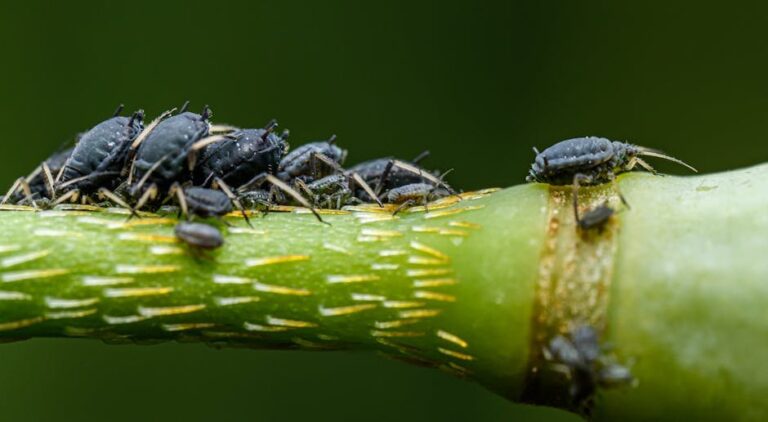
Aphids are small, soft-bodied insects that can be found on almost every type of plant. These tiny creatures are typically between 1-10 millimeters long and have a pear-shaped body with two long antennae. They feed on plant sap, causing curled or distorted leaves, stunted growth, and reduced yields.
Aphids go through several life stages, including eggs, nymphs, and adults. The female aphid can lay live young without mating, allowing her to reproduce quickly and abundantly. This rapid reproduction is a major reason why aphid infestations can spread so quickly on plants. As aphids feed, they secrete a sticky substance called honeydew that attracts other insects and promotes the growth of sooty mold.
Aphids also transmit plant viruses such as beet leaf curl and potato virus Y, which can have devastating effects on plant health. To control aphid populations, it’s essential to understand their life cycle and how they interact with plants. By recognizing the signs of an infestation early on, you can take targeted action to prevent further damage and promote healthy plant growth.
Identifying Common Aphid Species
When it comes to aphid infestations, not all species are created equal. Some common types of aphids that can wreak havoc on plants include the rose aphid (Macrosiphum rosae), green peach aphid (Myzus persicae), and apple aphid (Aphis pomi). These pests are notorious for their ability to spread disease and cause significant damage to leaves, stems, and flowers.
The rose aphid is often found on roses, of course, but can also infest other plants like succulents and herbs. Its white or yellowish body is a dead giveaway, and it’s usually accompanied by sticky honeydew droplets on the plant’s leaves. The green peach aphid, on the other hand, can infect a wide range of hosts including apples, pears, and plums. This aphid species is known for its ability to transmit viral diseases like tomato spotted wilt virus.
To identify these pests accurately, look for distinctive markings or color patterns on their bodies. For example, the apple aphid has a distinctive pinkish-red head and thorax. Knowing which type of aphid you’re dealing with can help inform your control methods.
The Dangers of Untreated Aphid Infestation
Leaving aphid infestations unaddressed can have severe consequences on your plants’ health. One of the most significant risks is weakened plant immunity. Aphids secrete a sticky substance called honeydew, which attracts other pests and promotes fungal growth. This creates an environment where diseases thrive, making your plants more susceptible to infections.
As aphid infestations persist, your plants may become increasingly vulnerable to root rot, leaf spot, and other common plant diseases. For instance, the fungus powdery mildew can cause white, powdery patches on leaves, leading to reduced photosynthesis and stunted growth. In severe cases, disease-infested plants can even die.
Untreated aphid infestations can also have a cascading effect on your garden’s ecosystem. The honeydew secreted by aphids can attract ants, which protect the aphids from natural predators, creating an unbalanced food chain. This can lead to the introduction of other pests and diseases, further compromising your plants’ health.
Regular monitoring and prompt action are crucial in preventing such outcomes. By identifying and addressing aphid infestations early on, you can mitigate their negative impacts and preserve your plants’ well-being.
Environmental Factors Contributing to Aphid Infestations
When it comes to aphid infestations, certain environmental conditions can significantly contribute to their growth and proliferation on your plants. Let’s take a closer look at these factors.
Weather Conditions Favoring Aphid Growth
Aphids thrive in specific weather conditions that create an ideal environment for their growth and reproduction. Understanding these factors is crucial to developing effective aphid control methods.
Temperature plays a significant role in aphid population dynamics, with most species reproducing rapidly between 64°F (18°C) and 90°F (32°C). Above this range, aphids tend to die off quickly due to heat stress. Conversely, temperatures below 40°F (4°C) can also lead to their demise.
Humidity is another critical factor, as high humidity allows for the spread of disease-causing pathogens between aphid colonies. When relative humidity exceeds 70%, aphids are more likely to reproduce and establish large populations.
Precipitation patterns also influence aphid growth. Consistent moisture, often associated with warm and humid climates, fosters a perfect environment for aphid development. Conversely, dry spells can lead to the collapse of local aphid populations.
Keep in mind that not all plants react equally to these conditions; some are more susceptible than others. Understanding your specific plant’s vulnerabilities will help you target effective prevention methods.
Soil Quality and Its Role in Aphid Control
When it comes to controlling aphids on your plants, many gardeners overlook one crucial aspect: soil quality. The health of your soil has a direct impact on your plant’s ability to resist aphid infestations. Soil with poor structure and nutrient levels can weaken your plant’s defenses, making it more susceptible to pest attacks.
To improve soil quality, start by testing its pH level and nutrient content. Based on the results, amend the soil with organic matter such as compost or manure. This will help increase beneficial microbial activity, which is essential for healthy plant growth. You can also add rock dust or crushed eggshells to enhance calcium levels, a crucial nutrient for plant development.
Incorporating cover crops and crop rotation techniques can also improve soil health by introducing beneficial microorganisms and organic matter. For example, planting marigold or nasturtiums as companion plants can help repel aphids due to their strong scent. By taking these simple steps, you’ll be creating a more resilient plant environment that’s better equipped to fight off aphid infestations. Regularly monitoring soil moisture and nutrient levels will also ensure your plants stay healthy and pest-free.
Other Environmental Factors Affecting Aphid Populations
When considering aphid infestations on your plants, it’s essential to recognize that environmental factors can play a significant role. While climate and weather patterns are crucial, other external influences can also contribute to the presence of these pests. Nearby host plants, for instance, can harbor aphid populations, allowing them to easily migrate onto your plants.
Water sources, such as nearby ponds or irrigation systems, can also attract aphids. These pests need water to survive and thrive, so having an accessible water source nearby can exacerbate infestations. Landscape features like dense vegetation, tall weeds, or overgrown gardens can provide shelter for aphids, allowing them to hide from predators and continue multiplying.
To minimize the impact of these external factors, assess your garden’s layout and surroundings. Regularly inspect nearby host plants and consider removing them if necessary. Also, ensure that your irrigation system is well-maintained, and that any standing water is eliminated. By taking these steps, you can create a more inhospitable environment for aphids and reduce the likelihood of infestations.
Organic Methods of Aphid Control
When it comes to controlling aphids, many gardeners are looking for alternatives to harsh chemicals. This section explores organic methods of aphid control that can be just as effective.
Using Neem Oil and Soap Solutions
When it comes to organic methods of aphid control, neem oil and soap solutions are two effective options that can be used together to repel and kill these pesky pests. Neem oil is derived from the seeds of the neem tree and contains compounds that disrupt the aphid’s hormonal system, preventing them from reproducing.
Soap solutions work by physically disrupting the aphid’s exoskeleton, causing them to dehydrate and die. When combined, neem oil and soap solution can create a powerful synergy that effectively repels aphids without harming beneficial insects or the environment. To use this combination safely, mix 2-3 teaspoons of mild dish soap with 1 quart of water and add 2 tablespoons of neem oil. Spray the solution on your plants, making sure to cover all surfaces evenly.
When using these solutions, it’s essential to follow some safety precautions. Start by testing a small area to ensure you don’t damage any sensitive plant tissue. Also, avoid applying these solutions during hot or windy weather to prevent drift onto desirable plants. By incorporating neem oil and soap solution into your aphid control routine, you can maintain healthy plants without resorting to harsh chemicals.
Sprays and Dusts Containing Insecticidal Soap
When it comes to controlling aphid populations, insecticidal soap sprays and dusts are a popular choice among organic gardeners. These products work by breaking down the aphid’s exoskeleton and dehydrating them, ultimately leading to their demise.
Insecticidal soap sprays and dusts are generally considered safe for use around pets and children, making them a great option for families who want to maintain an organic garden. However, it’s essential to note that these products can still cause some harm if not used correctly. Always read the label carefully before application and follow the instructions provided.
A study published in the Journal of Insect Science found that insecticidal soap sprays were effective in controlling aphid populations on tomato plants. The study also noted that repeated applications may be necessary to achieve optimal results.
When using insecticidal soap sprays or dusts, it’s crucial to spray or dust all surfaces of the plant, including the undersides of leaves and stems. This will ensure that you’re targeting as many aphids as possible. Additionally, make sure to spray or dust in the early morning or evening when the sun is not intense to prevent any potential damage to the plant.
Some popular brands of insecticidal soap sprays and dusts include Safer Soap and Ortho Insecticidal Soap. When selecting a product, be sure to choose one that is specifically labeled as safe for use on edible plants if you plan to harvest from your garden.
Biological Control Methods: Ladybugs and Lacewings
One of the most effective and eco-friendly ways to control aphid populations is by introducing beneficial insects that prey on them. Ladybugs and lacewings are two such predators that can be a gardener’s best friends when it comes to keeping aphids under control.
Ladybugs, also known as lady beetles or ladybird beetles, feed on aphids, scales, and mealybugs. They are voracious eaters and can consume up to 60 aphids per hour. To attract ladybugs to your garden, plant flowers that provide nectar for them, such as marigolds, zinnias, and cosmos. Also, ensure that you have a diverse range of plants in your garden that will attract different types of beneficial insects.
Lacewings, on the other hand, are known to feed on aphids, whiteflies, and scale insects. They have long, delicate wings that allow them to fly quickly and catch their prey off guard. To encourage lacewings to visit your garden, plant flowers such as angelica, fennel, and dill, which provide a source of food for the adults.
When introducing beneficial insects like ladybugs and lacewings into your garden, it’s essential to ensure that you have a suitable environment for them to thrive. This includes providing shelter from wind, rain, and extreme temperatures, as well as a diverse range of host plants that will support their life cycle.
Chemical Controls for Severe Infestations
When aphid infestations get out of hand, chemical controls can be a necessary step to protect your plants, and we’ll explore some of these options in more detail. We’ll cover the safest and most effective methods for severe cases.
Systemic Insecticides for Aphid Management
When it comes to managing severe aphid infestations, systemic insecticides can be a valuable tool. These chemicals are absorbed by plants and distributed throughout their tissues, providing long-lasting protection against aphids and other pests.
Systemic insecticides work by disrupting the pest’s nervous system or interfering with its ability to feed on plant sap. This mode of action allows them to target specific pests without harming beneficial insects like bees and butterflies. For example, neonicotinoids are a type of systemic insecticide that bind to receptors in an aphid’s nervous system, eventually leading to the pest’s death.
When using systemic insecticides, it’s essential to consider their potential impact on beneficial insects and the environment. Always follow label instructions carefully, taking into account factors like application timing, dosage, and plant species. Start by treating only infested plants, as this helps minimize the risk of chemical drift or runoff. Additionally, choose products with integrated pest management (IPM) strategies to ensure they’re used in conjunction with other control methods whenever possible.
Using Horticultural Oils as a Barrier
When using horticultural oils as a barrier to prevent aphids from reaching plants, it’s essential to understand their role and application. Horticultural oils, such as neem oil and vegetable oil, create a physical barrier on the plant’s surface that prevents aphids from landing and feeding.
To apply horticultural oils effectively, spray them directly onto the leaves and stems of your plants when they are dry. This will help prevent any damage to the plant while ensuring the oil reaches its target area – the aphid-repelling zone. For example, neem oil has a contact killing effect on aphids, making it an excellent choice for aphid control.
When choosing horticultural oils, look for products that are specifically labeled as “for garden use” and follow the recommended application rates to avoid any potential damage to your plants. It’s also crucial to apply these oils before aphid populations become severe to ensure maximum effectiveness.
Integrated Pest Management (IPM) Approaches
When it comes to managing aphids on plants, relying solely on chemical controls can have its drawbacks. Integrated Pest Management (IPM) approaches offer a more holistic solution by combining multiple methods for comprehensive aphid management.
At the heart of IPM is the concept of using a combination of techniques to control pests like aphids. This might include organic methods such as introducing beneficial insects, practicing good garden hygiene, and using physical barriers to prevent infestations. Chemical controls may also be used, but in conjunction with these other approaches, rather than as a standalone solution.
A key principle of IPM is the use of monitoring and identification techniques to accurately diagnose aphid infestations. This involves regularly inspecting plants for signs of aphids, such as sticky honeydew droplets or curled leaves. Once an infestation has been identified, IPM strategies can be tailored to target specific pest populations.
For example, if you’ve identified an infestation caused by a particular species of aphid, you might use a targeted chemical control method specifically designed for that type of pest. At the same time, you could also introduce beneficial insects like ladybugs or lacewings that feed on aphids, providing an additional layer of protection.
By combining these different approaches, IPM offers a more sustainable and effective way to manage aphid populations over the long term. It’s not just about spraying chemicals willy-nilly; it’s about creating a balanced ecosystem where beneficial insects thrive and pests are kept under control.
Preventative Measures for Future Infestations
To keep your plants aphid-free, we’ll explore preventative measures you can take to prevent future infestations and maintain a healthy garden ecosystem.
Monitoring for Early Signs of Aphid Activity
Regular monitoring is crucial to catch early signs of aphid activity on your plants. This allows you to take swift action and prevent a full-blown infestation from occurring. Check for the following indicators: yellowing leaves, distorted growth, or curled leaves. These symptoms can be a clear sign that aphids are feeding on your plant’s sap.
Another telltale sign is the presence of sticky honeydew droplets on the leaves or stems. Aphids secrete this sweet, sticky substance as they feed, and it can attract other pests like ants and bees. If you notice any of these signs, inspect the undersides of leaves and stems for aphid colonies.
To monitor your plants effectively, set a regular schedule to check for aphid activity, such as once a week during peak growing seasons. Look for areas where new growth is occurring or where water and nutrients are being applied. By staying vigilant and catching aphids early, you can prevent the spread of disease and damage caused by these pests.
Cultural Practices to Deter Aphids
When it comes to preventing aphid infestations, cultural practices play a significant role. By implementing these methods, you can create an environment that’s less conducive to aphid populations. One effective technique is crop rotation. This involves changing the location of your plants each season to break the aphid life cycle. For example, if you’ve grown tomatoes in a particular spot and they became infested with aphids, move them to a different area for next year’s crop.
Pruning is another crucial practice that helps deter aphids. Regular pruning encourages bushy growth, making it harder for aphids to feed on your plants’ sap. To prune effectively, remove any dead or diseased branches and reduce the plant’s height by one-third. This will promote healthy new growth and prevent waterlogged areas where aphids love to breed.
Additionally, consider planting companion plants alongside your main crops. Some species, like marigolds and basil, repel aphids naturally. By incorporating these into your garden layout, you’ll create a more balanced ecosystem that discourages pests like aphids from taking hold.
Long-term Solutions: Encouraging Beneficial Insects
To create a garden ecosystem that encourages beneficial insects like bees, butterflies, and ladybugs, you need to focus on creating a diverse and thriving environment. This means planting a variety of flowers that are rich in nectar and pollen, such as sunflowers, zinnias, and marigolds. These flowers will not only attract beneficial insects but also provide them with the resources they need to survive.
Ladybugs, for instance, feed on aphids, so by creating an environment that encourages ladybug populations, you’re indirectly controlling aphid infestations. Planting herbs like mint and basil can help attract these beneficial insects. You should also avoid using pesticides, which can harm or kill beneficial insects. Instead, opt for natural methods of pest control, such as introducing beneficial nematodes to your soil.
By creating a garden ecosystem that welcomes beneficial insects, you’re taking a proactive approach to aphid control. This long-term solution will not only reduce the risk of infestations but also promote overall plant health and biodiversity in your garden.
Additional Considerations for Specific Plant Types
When tackling aphid infestations, it’s essential to consider the unique needs of specific plant types, such as roses and tomatoes. We’ll explore these special considerations below.
Aphid Control in Indoor Gardens
Indoor gardens are particularly susceptible to aphid infestations due to the controlled environment and lack of natural predators. To control aphids effectively in indoor gardens, it’s essential to consider a few key factors.
Proper air circulation is crucial in preventing aphid infestations. Since indoor plants often have limited space and can be placed close together, stagnant air can contribute to the spread of aphids. Make sure to provide enough space between plants and use fans or vents to circulate air. This will not only prevent aphid infestations but also promote healthy plant growth.
In addition to air circulation, using insecticidal soap sprays is an effective method for controlling aphids in indoor gardens. Mix a mild dish soap with water according to the manufacturer’s instructions and spray it directly on the affected plants. This method is gentle enough not to harm the plants yet strong enough to kill aphids. Regularly inspect your plants, and repeat as necessary.
When using insecticidal soap sprays, avoid over-saturating the leaves or soil, as this can cause damage to the plant.
Managing Aphids on Fruit Trees and Vines
Managing aphid infestations on fruit trees and vines requires a combination of cultural controls and targeted pesticide applications. Pruning is an essential step in controlling aphid populations, as it helps to remove infested areas and prevent the spread of disease.
When pruning infected branches, make sure to disinfect your tools between cuts to prevent the transfer of aphids or other pests. Cut back infested branches to about 6-8 inches from the main trunk, and remove any debris or suckers that may be harboring aphid colonies. Regular pruning also encourages healthy growth and improves air circulation within the plant.
Systemic pesticide application can be an effective way to control aphid populations on fruit trees and vines. However, it’s essential to choose a product specifically labeled for use on your type of plant and follow the instructions carefully to avoid damage or toxicity.
Some popular systemic pesticides include neonicotinoids and pyrethroids, which work by targeting the insect’s nervous system or disrupting its growth and development. Always read the label and follow any recommended safety precautions before applying a systemic pesticide, especially when using it on edible crops like fruit trees.
Frequently Asked Questions
Can I use a single method for aphid control, or do I need to combine approaches?
While some methods may be more effective than others, it’s often best to combine multiple approaches for comprehensive aphid control. For example, using neem oil and soap solutions together can provide both short-term and long-term benefits. Integrated Pest Management (IPM) approaches encourage a holistic strategy that incorporates cultural, physical, chemical, and biological controls.
How do I know if my plants are susceptible to severe aphid infestations?
Some plant species are more prone to aphid infestations than others. If you have plants like roses, chrysanthemums, or vegetables in your garden, they may be more vulnerable to aphids. Additionally, factors such as soil quality and weather conditions can contribute to aphid growth. Regular monitoring for early signs of aphid activity is crucial.
Can I use the same control methods for indoor gardens as I would for outdoor gardens?
No, not all control methods are suitable for indoor gardens. For example, some insecticidal soaps may be too harsh for delicate plants or contaminate waterways. Instead, opt for gentle and targeted approaches like using neem oil or introducing beneficial insects like ladybugs.
What if I have a large garden with multiple aphid infestations? How do I prioritize control efforts?
Prioritize the most severely affected areas first and focus on controlling aphids at the source of the infestation. Use a combination of cultural, physical, and chemical controls to address the issue. Regularly monitor for new infestations and adjust your control strategy as needed.
Can I prevent aphid infestations in the future by maintaining healthy plants?
Yes! Healthy plants are less susceptible to aphid infestations. Practices like providing adequate water, nutrients, and space between plants can help deter aphids. Regular pruning and monitoring for early signs of aphid activity also reduce the risk of severe infestations.
What about using beneficial insects in small gardens or indoor spaces?
Beneficial insects can be effective even in small gardens or indoor spaces. Consider introducing a few ladybugs or lacewings to your garden, as they are natural predators that feed on aphids. Ensure you provide a suitable environment for these beneficial insects by offering shelter and food sources.