
If you’re anything like me, there’s nothing quite as frustrating as seeing those pesky white spots pop up on your precious plant’s leaves. Not only do they look unsightly, but they can also be a sign of bigger problems down the line. White spots on leaves are a common issue many gardeners face, and it’s essential to understand what causes them in order to prevent their spread and keep your plants healthy.
In this article, we’ll explore the most common reasons behind white spots on leaves, from fungal diseases to pests and environmental stressors. You’ll also learn practical solutions for treating these issues and preventing future outbreaks. We’ll cover prevention strategies, treatment options, and maintenance tips to help you identify and address white spot problems before they become severe. Whether you’re a seasoned green thumb or just starting out, this guide will give you the tools you need to keep your plants thriving and spot-free.
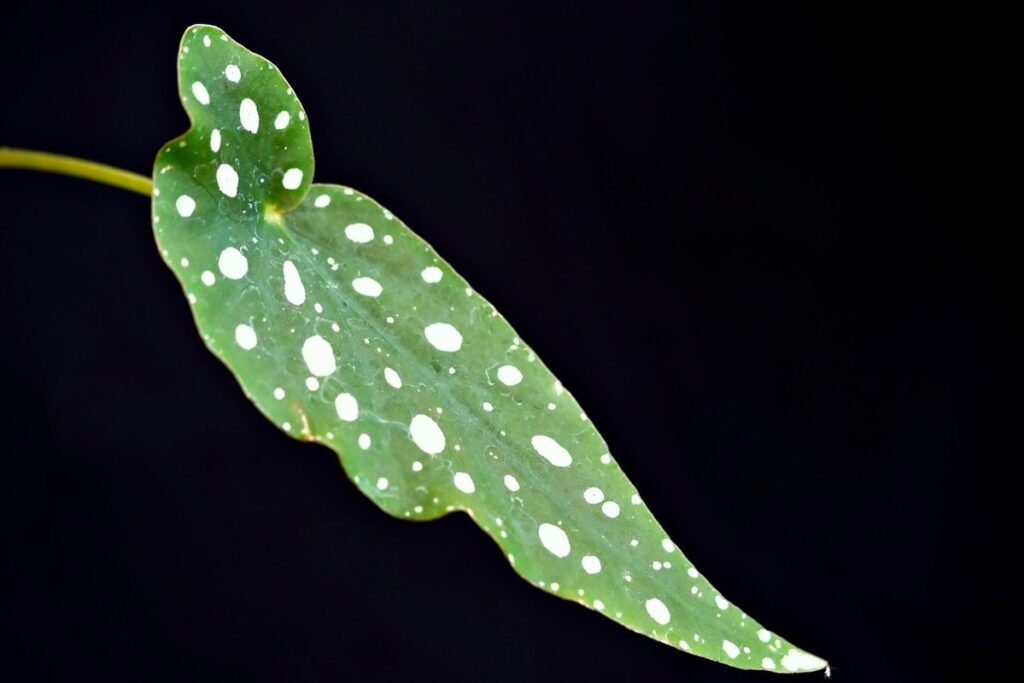
Understanding White Spots on Leaves
So, you’ve noticed those pesky white spots on your plant’s leaves and want to know what they mean? Let’s dive into what causes these annoying marks.
Common Causes of White Spots
White spots on leaves can be caused by a variety of factors. One common reason is environmental stress due to extreme temperatures, intense sunlight, or drought conditions. This can cause the plant’s cells to die and turn white, often accompanied by yellowing or browning around the edges. For example, if you notice your indoor plants developing white spots after being exposed to direct sunlight for an extended period, it might be worth moving them to a shadier location.
Pests like aphids, mealybugs, and spider mites can also cause white spots on leaves. These tiny insects feed on the plant’s sap, causing damage that leads to white patches. If you suspect pest infestation, inspect your plants thoroughly and treat them with insecticidal soap or neem oil according to the product’s instructions.
Diseases such as powdery mildew and leaf spot can also cause white spots. These fungal infections thrive in moist environments and often appear as a white, powdery coating on leaves. To prevent disease, ensure good air circulation around your plants and avoid overwatering.
Nutrient deficiencies, particularly a lack of magnesium or potassium, can lead to white spots as well. If you suspect this is the cause, consider getting a soil test done and adjusting your fertilization schedule accordingly.
Types of White Spots
When it comes to white spots on leaves, it’s essential to understand that they can be caused by various factors. One of the most common types of white spots is powdery mildew, a fungal disease that appears as a white or grayish coating on the leaf surface. This condition thrives in humid environments and can be exacerbated by poor air circulation.
Mealybugs are another type of pest that can cause white spots on leaves. These small, white insects feed on plant sap, leaving behind a sticky residue and white cottony patches. If you notice mealybugs on your plants, treat them with insecticidal soap or neem oil to prevent infestation.
Salt deposits from fertilizers or de-icing salts can also cause white spots on leaves. When these substances accumulate on the leaf surface, they can create a white residue that appears as small dots or patches. To prevent salt damage, always water your plants during the cooler parts of the day and avoid using high-salt fertilizers.
Regularly inspecting your plants for signs of pests or diseases is crucial in preventing the spread of these issues. Keep an eye out for yellowing leaves, stunted growth, or other symptoms that may indicate a more severe problem.
Symptoms and Diagnosis
If you’re looking for answers, you’ll want to know what white spots on leaves actually look like when they’re causing problems, and how to identify them. This is where symptoms and diagnosis come into play.
Visual Inspection
A visual inspection is often the first step to identifying white spots on leaves. This involves closely examining the affected plant’s foliage for signs of discoloration, lesions, or patches. It’s essential to consider the size and shape of the white spots, as well as their distribution across the leaf.
Pay attention to how these spots are grouped together – are they scattered randomly, or do they appear in distinct patterns? Also, take note of whether new growth is being affected more severely than older leaves. These observations can provide valuable clues about the underlying cause of the issue.
When conducting a visual inspection, it’s crucial to consider factors like plant health and environmental conditions. For instance, certain pests like spider mites or mealybugs may be responsible for white spots on leaves if you notice webbing or sticky residue around affected areas.
To take your observation further, take close-up photographs of the affected leaves using a smartphone camera or DSLR lens. This can help capture minute details and provide a clear visual record for future reference.
Common Combinations of Symptoms
When multiple symptoms appear together on leaves with white spots, it can be a strong indication that a more complex issue is at play. This combination of symptoms can make diagnosis and treatment more challenging, but by understanding the common combinations, you can better address the underlying problem.
For example, white spots accompanied by yellowing leaves or stunted growth may indicate nutrient deficiencies or root damage. In these cases, it’s essential to examine the soil pH and adjust it if necessary, as well as inspect the roots for signs of disease or pests. On the other hand, white spots paired with black spots or holes in the leaves could suggest a fungal infection.
Be aware that some symptoms can overlap, making diagnosis tricky. A common combination is white spots accompanied by webbing or eggs from aphids or spider mites. To address this issue, use neem oil or insecticidal soap to control the pest population and treat the affected area with a fungicide if necessary. Always inspect multiple plants for similar symptoms, as pests can spread quickly through the garden, making comprehensive diagnosis crucial to effective treatment.
Tools for Accurate Diagnosis
Accurate diagnosis of white spots on leaves requires a combination of visual examination and laboratory testing. A microscope is an essential tool for this process. It allows you to examine the spot closely, taking note of its texture, shape, and color. When using a microscope, be sure to take high-quality images or videos for further analysis.
In addition to microscopy, laboratory tests can provide valuable insights into the underlying cause of white spots on leaves. These tests may involve collecting tissue samples from affected areas and sending them to a laboratory for examination. Techniques such as DNA sequencing and PCR (polymerase chain reaction) are commonly used to identify pathogens like fungi, bacteria, or viruses.
When interpreting results from laboratory testing, it’s essential to consider the context in which the sample was taken. Factors such as environmental conditions, plant age, and previous treatments can all impact the accuracy of test results. By combining visual examination with laboratory testing, you’ll be well-equipped to identify the underlying cause of white spots on your leaves and develop an effective treatment plan.
Plant Health Implications
The white spots on your leaves may be a sign of a bigger issue, and understanding their plant health implications is crucial to preventing long-term damage. We’ll break down what this means for your plants’ overall well-being.
Impact on Photosynthesis
When white spots appear on leaves, they can disrupt photosynthesis, the process by which plants convert sunlight into energy. This disruption affects plant growth and development, ultimately impacting yields and overall health.
Photosynthesis is crucial for plant survival, as it provides the necessary energy and organic compounds required for growth and reproduction. When leaves develop white spots, their ability to undergo photosynthesis is impaired. As a result, plants may exhibit reduced growth rates, stunted development, or lower yields.
The impact on photosynthesis can be attributed to several factors, including the disruption of chloroplasts in affected areas. Chloroplasts are organelles responsible for capturing light energy and converting it into chemical bonds. When white spots cover these essential structures, plant cells are unable to produce the energy they need to thrive.
To mitigate this issue, gardeners can take steps to promote healthy leaf growth and minimize the spread of white spots. Regular pruning, proper watering, and balanced fertilization can help plants recover from damage and prevent further decline.
Systemic Effects of White Spots
When white spots appear on leaves, it’s not just a cosmetic issue – it can also have systemic effects that spread throughout the plant. As the infection takes hold, it can infect other parts of the plant, such as stems, branches, and even roots. This is because many fungal and bacterial pathogens that cause white spots are able to move through the plant’s vascular system, causing damage to healthy tissues.
In severe cases, this can lead to a decline in the plant’s overall health, stunting its growth or even killing it altogether. For example, if you’re growing roses with powdery mildew, which causes white spots on leaves, the infection can spread to other parts of the rose bush, including the stems and flowers.
To prevent this from happening, it’s essential to catch the problem early. Monitor your plants closely for signs of white spots, and take action as soon as you spot them. This may involve pruning affected areas, using fungicides or bactericides, and improving air circulation around the plant. By taking these steps, you can help contain the infection and prevent it from spreading throughout the plant.
Compromised Plant Defenses
When white spots appear on leaves, it’s not just an aesthetic issue – it can also compromise a plant’s natural defenses against pests and diseases. Weakened plants are more vulnerable to secondary infections, which can lead to further damage or even kill the plant.
White spots on leaves often result from fungal or bacterial infections that have weakened the plant’s immune system. As these microorganisms continue to spread, they disrupt the production of defense compounds in the plant, making it easier for pests and diseases to take hold. This creates a vicious cycle where the plant is more susceptible to additional infections.
To combat this issue, consider implementing integrated pest management (IPM) strategies that address both the primary cause of white spots and any potential secondary infections. This may involve adjusting watering habits, pruning affected areas, or applying targeted fungicides or bactericides. Regular monitoring of your plants will help you catch any issues early on, reducing the risk of further damage.
Prevention and Control Strategies
To prevent white spots from appearing on your plants, you’ll want to implement some effective control strategies that keep fungal diseases at bay. This involves making a few simple changes to your gardening routine.
Sanitation and Hygiene Practices
Maintaining a clean and sanitized growing environment is crucial to prevent the spread of disease-causing agents that can lead to white spots on leaves. A dirty grow space can harbor fungal spores, bacteria, and other pathogens that can infect plants.
To keep your grow area spotless, establish a regular cleaning schedule. Start by disinfecting all surfaces with a solution of 1 part bleach to 10 parts water. Pay particular attention to areas around irrigation systems, where moisture tends to accumulate. Use a soft-bristled brush or cloth to gently scrub away any debris.
It’s also essential to practice good hygiene when handling plants. Wash your hands thoroughly before and after touching your plants, and use disposable gloves when working with potting mix or soil. Remove any infected leaves or stems, and dispose of them immediately to prevent the spread of disease.
Remember, a clean grow space is not just about aesthetics; it’s also a matter of plant health. By following these simple sanitation practices, you’ll be well on your way to preventing the spread of disease-causing agents that can lead to white spots on leaves.
Organic Pest Management Techniques
When it comes to managing pest populations that contribute to white spots on leaves, organic methods are often the most effective and environmentally friendly approach. One of the key benefits of using organic pest control is that it avoids harming beneficial insects, such as bees and butterflies, which are essential for pollination.
Some common pests that can cause white spots on leaves include aphids, spider mites, and fungal diseases like powdery mildew. To manage these pests organically, consider the following techniques:
* Use neem oil, a natural insecticide derived from the seeds of the neem tree, to control aphid populations.
* Spray water mixed with mild dish soap on affected areas to repel spider mites and other soft-bodied insects.
* Practice good garden hygiene by removing weeds and debris that can harbor pests and diseases.
* Encourage beneficial insects, such as ladybugs and lacewings, which prey on pests that cause white spots.
Remember, a combination of these organic methods is often more effective than relying on a single approach. Be sure to monitor your plants regularly and adjust your strategy accordingly.
Nutrient Balancing and Fertilization
Providing optimal nutrient balance is crucial for plants to recover from deficiencies that cause white spots on leaves. This means ensuring that your plant receives a balanced mix of essential nutrients such as nitrogen (N), phosphorus (P), potassium (K), and micronutrients like iron, magnesium, and sulfur.
When these micronutrients are lacking, they can trigger the formation of white spots or lesions on the leaves. For instance, a deficiency in iron can cause interveinal chlorosis, which appears as yellowish or whitish patches between leaf veins. Similarly, a lack of magnesium can lead to marginal scorching and spotting.
To correct nutrient imbalances, you should test your soil pH and adjust it if necessary. Then, apply a balanced fertilizer specifically formulated for your plant’s type. You can also use organic matter like compost to improve soil fertility and structure. Aim to fertilize during the growing season, usually spring or summer, when plants are actively producing new growth.
Foliar spraying with micronutrients can provide an immediate boost, but be sure to follow the product instructions carefully to avoid over-fertilization.
Remediation and Recovery
Now that we’ve identified the possible causes of white spots on your leaves, let’s dive into the process of remediation and recovery to get your plants back to health. This is where things can get a bit more involved.
Removing Affected Leaves
Removing affected leaves is an essential part of remediation and recovery. This process not only prevents further damage to the plant but also promotes healthy growth. The first step is to carefully inspect the affected area. Look for signs of disease or pests that may have caused the white spots.
When removing infected leaves, make sure to disinfect your pruning tools between each cut to prevent spreading the issue. Cut the leaves at a 45-degree angle, just above a node (where the leaf meets the stem). This helps the plant focus its energy on the remaining healthy foliage.
It’s essential to remove all affected areas, as even a small amount of infected tissue can continue to spread the problem. However, avoid over-pruning, which can stress the plant and make it more susceptible to disease. Remove only what is necessary, taking care not to damage any nearby leaves or stems.
After removal, keep an eye on your plant for further signs of trouble. With proper care and attention, most plants will recover quickly, and healthy new growth should begin soon.
Treatment Options for Specific Causes
If you’ve identified that white spots on leaves are caused by pests like aphids, mealybugs, or spider mites, you’ll want to employ treatment options specifically designed for insect control. In this case, insecticidal soap is a popular and effective choice. This mild detergent-based solution suffocates the insects while also removing any eggs they may have laid on the plant’s leaves.
For fungal infections like powdery mildew or downy mildew, you’ll need to use fungicides that target specific pathogens. Copper-based fungicides are often recommended for their broad-spectrum activity against various fungi. However, always ensure you follow the product instructions carefully and choose a fungicide specifically labeled for use on your plant’s type.
In addition to these chemical treatments, there are organic methods to consider. Neem oil is another natural insecticide that can help control infestations by disrupting insect development and preventing reproduction. To apply neem oil effectively, mix it with water according to the product instructions and spray it thoroughly onto all affected areas of your plant’s leaves.
When choosing a treatment option, keep in mind the potential risks associated with using chemical-based products, including residue buildup on leaves and harm to beneficial insects like bees or butterflies. Always opt for organic methods whenever possible, or consider integrated pest management (IPM) strategies that combine multiple techniques to minimize environmental impact.
Encouraging Plant Recovery
Providing optimal growing conditions can significantly aid in plant recovery from the shock of losing leaves. When plants are under stress, they divert their energy towards survival rather than growth. By creating a conducive environment, you can help your plant focus on recovery.
Start by ensuring that your plant is receiving sufficient light. Most houseplants prefer bright, indirect light but some may tolerate low light conditions. Place your plant near an east- or west-facing window for optimal lighting. If you’re unable to move your plant, consider using grow lights to supplement natural light.
Maintain a consistent temperature between 65°F to 75°F (18°C to 24°C). Avoid placing plants near heating or cooling vents, fireplaces, or drafty windows. Water your plant thoroughly after repotting or fertilizing to prevent shock.
Keep the soil consistently moist but not waterlogged. Reduce watering if you notice yellowing leaves or a decrease in growth. Prune damaged leaves to encourage new growth and maintain air circulation around the plant to prevent fungal diseases.
Monitor your plant’s progress closely, adjusting growing conditions as needed. With patience and attention to detail, you can help your plant recover from the stress of losing its leaves.
Maintenance and Monitoring
To keep those pesky white spots from coming back, you’ll want to establish a regular maintenance routine that includes monitoring your plant’s health closely. This is where regular checks become crucial.
Regular Inspections and Record-Keeping
Regular inspections of your plants are crucial to catching issues before they escalate into severe problems. White spots on leaves can be a sign of underlying conditions that require prompt attention. By conducting regular checks, you’ll increase the chances of addressing these issues early on and preventing further damage.
Maintaining accurate records is also vital for tracking progress over time. Keep track of when you notice white spots appearing, what treatments you’ve applied, and any changes in your plant’s condition. This record-keeping will help you identify patterns and make informed decisions about future care.
For example, if you observe that the white spots on your leaves appear after a specific weather event or fertilization routine, you can adjust your maintenance schedule accordingly. By combining regular inspections with meticulous record-keeping, you’ll be better equipped to tackle potential problems before they reach critical stages.
Environmental Adjustments
When it comes to white spots on leaves, adjusting environmental factors can make all the difference in supporting plant growth and resilience. Temperature fluctuations are a common culprit behind these unsightly spots. Keep in mind that most houseplants prefer daytime temperatures between 65-75°F (18-24°C) and nighttime temperatures around 55-65°F (13-18°C). Avoid placing your plants near heating vents, radiators, or air conditioning units, as sudden temperature changes can cause stress.
Humidity levels also play a significant role in preventing white spots. If the air is too dry, it can lead to moisture loss from the leaves, resulting in unsightly spots. To combat this, you can use a humidifier nearby or group plants together to create a microclimate. For example, if you live in a dry climate, consider investing in a humidifier to maintain a humidity level between 40-60%.
Light exposure is another crucial factor to consider. Most houseplants prefer bright, indirect light but not direct sunlight, which can cause scorching and promote white spots. East- or west-facing windows are ideal for most plants. By adjusting your plant’s environment, you can create a more conducive atmosphere that fosters healthy growth and prevents the formation of those pesky white spots.
Frequently Asked Questions
What should I do if I’ve identified the cause of white spots on my leaves, but I’m not sure which treatment option to choose?
Consider the specific needs of your plant, including its age, health, and environmental conditions. For example, if you’re dealing with a fungal disease, an organic fungicide might be a better choice than a chemical one. On the other hand, if pests are causing white spots, introducing beneficial insects or using physical barriers might be more effective.
How can I prevent white spot problems from recurring in the future?
Regularly inspect your plants for signs of stress or pest infestations, and adjust their environment accordingly. Maintain good sanitation and hygiene practices by removing affected leaves, disinfecting pruning tools, and avoiding overwatering. Also, ensure that your plants receive adequate nutrients and water to promote overall health.
What are some common challenges I might face when trying to remove white spots from my plant?
One common challenge is the risk of spreading disease or pests during the removal process. To minimize this risk, use clean and sterile tools, and consider using a fungicide or insecticidal soap to disinfect any affected areas before removing them.
Can I still propagate a plant with white spots on its leaves, or will it compromise the new plants’ health?
While it’s technically possible to propagate a plant with white spots, doing so may inadvertently spread the problem to the new plants. It’s generally recommended to remove all affected leaves and treat the mother plant before propagating, ensuring that the new plants have a healthy start.
How often should I inspect my plants for signs of white spot problems, and what specific factors should I be looking for?
Regular inspections can help catch problems early on, when they’re easier to address. Look for changes in leaf color, texture, or growth patterns, as well as signs of pests or fungal diseases. Consider inspecting your plants weekly during peak growing seasons or whenever you notice any unusual symptoms.