
Black beetles can be a real nuisance in your garden, causing damage to plants and flowers. These pesky insects are attracted to the sweet sap of certain plant species, and once they’ve moved in, it’s not easy to get rid of them. If you’re dealing with a black beetle infestation, you know how frustrating it can be to try and control their population. But don’t worry, we’ve got you covered! In this article, we’ll explore the best ways to identify, prevent, and control black beetles in your garden using both organic and chemical methods. We’ll also share some expert tips on introducing beneficial insects that can help keep these pests at bay. By the end of this guide, you’ll be equipped with the knowledge to effectively manage a black beetle infestation and protect your garden for good.
What are Black Beetles and Why Are They a Concern?
Black beetles can be intimidating, but before you start panicking, let’s get to know them: what they look like, and why they might be causing problems in your garden.
Common Types of Black Beetles Found in Gardens
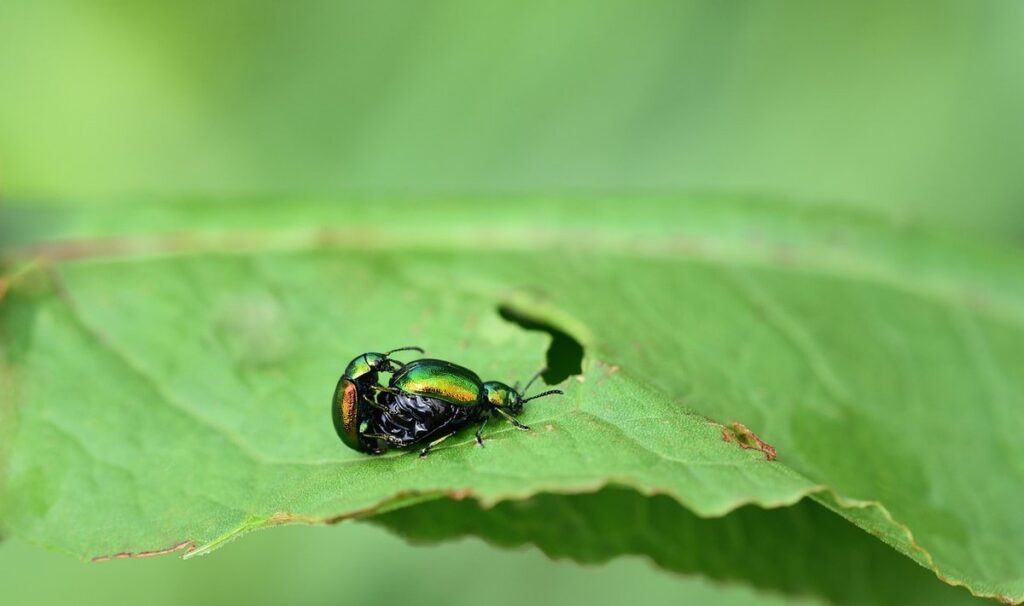
When it comes to identifying black beetles in your garden, it’s essential to know the common types that can cause damage. One of the most recognizable is the Black Garden Beetle (Phyllotreta nemorum). These beetles are typically around 5-8 mm long and have a shiny, metallic sheen on their elytra. They feed on plant sap, causing yellowing or stunted growth.
Another common type is the Lesser Black Beetle (Pseudococcus maritimus), which is usually found in soil and compost heaps. These beetles are smaller than the Black Garden Beetle, around 3-5 mm long, and have a rougher texture to their elytra. They feed on organic matter, causing rot and decay.
The Common Black Ground Beetle (Pterostichus cupreus) is also widespread in gardens. It’s typically around 10-15 mm long and has a distinctive metallic blue sheen on its elytra. These beetles are beneficial to your garden as they feed on slugs, snails, and other pests.
To differentiate between these types, observe their size, shape, and behavior. Keep in mind that some black beetles can be beneficial, while others may cause damage. Regular monitoring of your garden and understanding the habits of these beetles will help you take effective control measures.
Damage Caused by Black Beetles to Plants
Black beetles can cause significant damage to plants in various ways. One of the most noticeable forms of damage is the destruction of leaves and stems. These pests feed on plant tissue, leaving behind a trail of holes, torn edges, and distorted growth. In severe cases, entire branches may be consumed, leading to a weakened plant structure.
Beyond leaf and stem damage, black beetles can also target plant roots. As they feed on root tissue, plants may experience stunted growth, reduced water uptake, and increased susceptibility to disease. This type of damage is often more challenging to detect, as it occurs beneath the soil surface.
When left unchecked, repeated feeding by black beetles can lead to a decline in plant health and even death. To mitigate this damage, gardeners should regularly inspect their plants for signs of infestation, monitoring for holes, tears, and other types of tissue damage. Early detection enables prompt action, including the use of targeted pesticides or integrated pest management strategies.
Identifying and Preventing Black Beetle Infestations
To effectively manage black beetles in your garden, it’s crucial to identify their presence early on and take preventive measures before they cause significant damage. This section will guide you through the process of detection and prevention.
Signs of a Black Beetle Infestation
A black beetle infestation can be frustrating to deal with, especially when it’s not immediately apparent. To detect an issue early on, keep an eye out for several key signs. Damaged plants are a clear indication of black beetles, but the problem often lies beneath the surface. Look for eggs laid on plant stems or leaves, usually visible as small white spots. Black beetle larvae can also be found near roots, eating away at them and causing damage that may not be immediately noticeable.
If you’re lucky, you might catch a glimpse of the actual beetles, which are typically black with distinctive markings. However, this is less common than finding signs of infestation elsewhere. To confirm an issue, inspect your plants carefully for any signs of holes or tunnels, as well as discolored leaves. If you suspect a problem, take action promptly to prevent further damage and reduce the risk of long-term harm to your garden’s ecosystem.
Check for beetles’ favorite hiding spots like under mulch, in soil crevices, or near decaying plant matter.
Factors That Attract Black Beetles to Your Garden
Black beetles are often drawn to gardens with specific characteristics that provide them with an ideal environment for survival and reproduction. Soil quality is a crucial factor in attracting black beetles to your garden. These pests thrive in areas with nutrient-rich, moist soil that’s high in organic matter. If your garden has been fertilized excessively or has poor drainage, it may become a magnet for black beetles.
Nearby food sources are another significant attractant for these pests. Black beetles are known to feed on a wide range of plants, including vegetables, fruits, and flowers. If there’s an abundance of food in your garden, you can expect black beetle populations to rise accordingly. For instance, if you have a compost heap nearby, it may become a hotspot for black beetles as they’re attracted to the decaying matter.
Climate conditions also play a significant role in attracting black beetles to your garden. These pests prefer warm and humid environments, which make them thrive during periods of high rainfall or drought. By understanding these factors, you can take proactive steps to prevent black beetle infestations by modifying your gardening practices and creating an environment that’s less conducive to their presence.
Control Methods for Black Beetles
When dealing with a black beetle infestation, it’s essential to understand your control options. We’ll explore effective methods to help you regain control over your garden.
Organic Control Methods
Managing black beetles can be a challenge, but there are several effective organic control methods you can try to keep their populations under control. One of the most straightforward methods is hand-picking. This involves manually removing the beetles from your plants using a gentle yet firm grip. It’s essential to do this early in the morning when the beetles are most active, and be sure to wear gloves to protect yourself from any potential stings.
For more persistent infestations, consider using neem oil or diatomaceous earth as a natural deterrent. Neem oil can be applied directly to the affected areas of your plants, while diatomaceous earth works by dehydrating the beetles’ exoskeletons, causing them to die off within 24-48 hours. Both methods are non-toxic and environmentally friendly.
It’s also crucial to maintain a clean garden environment. Regularly inspect your plants for signs of black beetle infestations, and remove any weeds or debris that could provide shelter for the beetles. By combining these organic control methods with good gardening practices, you can effectively manage black beetle populations and protect your garden from further damage.
Chemical Control Methods
When it comes to controlling black beetles in your garden, chemical pesticides are often considered an effective solution. These products contain active ingredients that target and kill the insects, providing quick relief from infestation. For example, neem oil and pyrethrin-based sprays have shown significant success in managing black beetle populations.
However, it’s essential to acknowledge the potential risks associated with using chemical pesticides. Exposure to these substances can pose health hazards, particularly for children and pets. Moreover, long-term use of chemical pesticides can contribute to soil contamination, water pollution, and harm beneficial insects like bees and butterflies.
Before resorting to chemical control methods, consider integrated pest management strategies that combine physical barriers, cultural controls, and biological methods to minimize reliance on chemicals. Always follow the product label instructions, wear protective gear when applying pesticides, and take necessary precautions to prevent accidental exposure.
In particular, look for products labeled as “biodegradable” or “environmentally friendly,” which are designed to break down more easily in the environment and have reduced toxicity. Nonetheless, chemical control methods should be used judiciously, as part of an overall holistic approach to maintaining a balanced ecosystem in your garden.
Natural Predators and Beneficial Insects
While black beetles can be a nuisance, your garden also harbors some amazing natural allies that’ll help keep their populations in check. Let’s meet these beneficial insects!
How Ladybugs and Lacewings Help with Black Beetle Control
When it comes to managing black beetle populations in your garden, natural predators can play a significant role. Ladybugs and lacewings are two beneficial insects that feed on aphids, but they also prey on various species of black beetles. These small but mighty insects are an essential component of maintaining a balanced ecosystem in your garden.
Ladybugs, for instance, are voracious consumers of black beetle larvae. They can consume up to 60 eggs and 20 larvae per day, making them a powerful ally in the fight against black beetles. Lacewings, on the other hand, feed on adult black beetles as well as their eggs. These insects are particularly effective at controlling black beetle populations when they’re introduced to your garden early in the growing season.
To encourage these beneficial insects in your garden, create a welcoming environment by planting a diverse range of flowers and herbs that provide nectar and pollen for them. By attracting ladybugs and lacewings, you can naturally control black beetle populations without relying on pesticides or other chemicals.
Attracting Beneficial Insects to Your Garden
Attracting beneficial insects to your garden is one of the most effective ways to maintain a balanced ecosystem and reduce the presence of unwanted pests like black beetles. By creating a welcoming environment for these helpful creatures, you can encourage them to visit and stay in your garden.
Start by planting a diverse range of flowers that are rich in nectar and pollen, such as marigolds, sunflowers, and cosmos. These will not only attract beneficial insects but also add color and vibrancy to your garden. Consider using companion planting techniques, where you pair plants with complementary growth habits or pest-repellent properties.
Using compost tea is another great way to attract beneficial insects. This liquid solution is made by steeping compost in water, which releases a nutrient-rich elixir that’s packed with beneficial microbes. By applying it to your soil, you’ll create an environment that’s perfect for beneficial insects like ladybugs and lacewings.
Remember, every small action counts, and making these simple changes can have a significant impact on the overall health of your garden.
Long-Term Solutions for Black Beetle Prevention
Now that you’ve learned how to identify and manage a black beetle infestation, let’s explore some effective long-term strategies to prevent these unwanted visitors from coming back.
Understanding the Life Cycle of Black Beetles
Understanding the life cycle of black beetles is crucial to comprehend their impact on garden health. Black beetles undergo a complete metamorphosis, consisting of four distinct stages: egg, larva, pupa, and adult.
The female beetle lays her eggs in soil or under debris, which hatch into larvae within 2-4 weeks. The larval stage is the most detrimental to gardens, as these grub-like creatures feed on roots, tubers, and underground plant parts, causing significant damage. They can also transmit fungal diseases to plants through their feeding activities.
As the larvae grow, they enter a pupal stage, lasting around 2-4 weeks, during which time they undergo extensive transformation into adult beetles. The emergence of adult black beetles typically occurs in spring or early summer, when they begin searching for mates and suitable locations to lay eggs.
To manage black beetle populations effectively, it’s essential to monitor your garden regularly for signs of larval activity, such as small patches of dead plants, uneven growth, or tiny mounds of soil. Early detection enables you to take targeted measures to prevent infestations, reduce damage, and maintain a healthy garden ecosystem.
Strategies for Preventing Future Infestations
Implementing long-term strategies is crucial to preventing future black beetle infestations. One effective approach is to create a balanced ecosystem in your garden by incorporating plants that repel black beetles. For instance, basil and mint are known to deter these pests, so consider adding them to your garden beds.
Another strategy involves maintaining optimal soil conditions. Black beetles thrive in moist environments, so ensure that your soil drains well and avoid overwatering. You can also introduce beneficial nematodes into the soil, which feed on black beetle larvae.
Regular monitoring is essential for early detection and prevention. Check your plants regularly for signs of infestation, such as tiny holes or damaged leaves. Remove any infested areas immediately to prevent the problem from spreading.
It’s also vital to keep a clean garden by removing weeds and debris that can attract black beetles. By adopting these strategies, you’ll be better equipped to manage future black beetle infestations and protect your garden’s health.
Frequently Asked Questions
What if I’m not sure what type of black beetle is infesting my garden?
It’s common to be unsure about the type of beetle, especially if you’re new to gardening or haven’t dealt with them before. If you can’t identify the type from a picture or description, try observing their behavior, size, and coloration. You can also consult with a local nursery or gardening expert for guidance.
Can I use chemical control methods as a last resort if my infestation is severe?
Yes, in extreme cases where organic methods aren’t effective, chemical control methods may be necessary to quickly reduce the population. However, it’s essential to carefully follow the instructions on the product label and take necessary precautions to avoid harming beneficial insects or the environment.
How long does it typically take for beneficial insects like ladybugs and lacewings to become established in my garden?
The time it takes for beneficial insects to become established can vary depending on factors such as climate, food availability, and pest population. Generally, you can expect to see some activity within 1-3 weeks after introducing these beneficial insects.
Can I use the same methods to control both adult black beetles and their larvae?
No, it’s essential to tailor your control strategy to address the specific life stage of the beetle. Adult black beetles are often more active at night and can be controlled using methods like hand-picking or traps, while larvae are typically found underground and require different approaches, such as soil treatments or crop rotation.
How do I ensure that my garden is not attracting new black beetles in the future?
To prevent future infestations, focus on creating a balanced ecosystem by introducing beneficial insects, practicing good gardening habits like crop rotation and sanitation, and maintaining a healthy plant population. Regularly inspect your plants for signs of damage or pests and take action promptly to address any issues that arise.