
Are you looking for a nutritious and versatile addition to your garden or kitchen? Look no further than the blackberry tree! Not only is this stunning tree a feast for the eyes, but it also offers an array of benefits that make it a must-have for health-conscious individuals, environmentally aware homeowners, and creative cooks alike. From its rich antioxidant content to its ability to support local wildlife, the advantages of blackberry trees are numerous.
In this article, we’ll delve into the wonderful world of blackberries and explore their nutritional benefits, health perks, environmental importance, and innovative uses in cooking and crafting. Whether you’re a seasoned gardener or just starting out, this tree is sure to impress with its simplicity, elegance, and sheer versatility. So, let’s get started on discovering all the amazing ways blackberry trees can enrich your life!
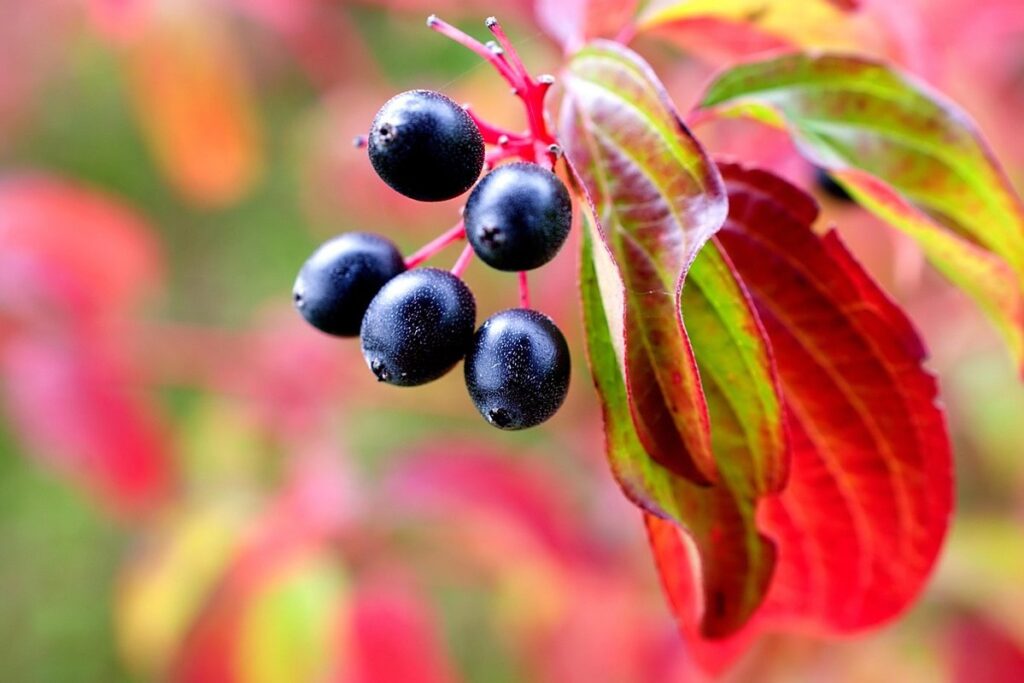
What is a Blackberry Tree?
Let’s start by learning what exactly a blackberry tree is, and how it differs from other types of bramble plants that produce delicious fruit. A blackberry tree, however, isn’t actually a tree at all!
Definition and Classification
A blackberry tree is a type of shrub that belongs to the Rosaceae family, which also includes roses and raspberries. From a botanical standpoint, it’s classified as Rubus fruticosus, a species that encompasses multiple subspecies and varieties. Notably, blackberry trees are dioecious, meaning they have separate male and female plants, with the latter producing the edible fruits.
One of the defining features of a blackberry tree is its thorny stem, which can grow up to 10 feet tall or more in ideal conditions. The leaves are trifoliate, consisting of three leaflets, and are typically dark green in color. Blackberry trees produce small, white flowers that bloom in late spring, followed by the development of fruits in mid-to-late summer.
In terms of classification, blackberry trees can be divided into several categories based on their growth habits, fruit size, and other characteristics. For example, some common varieties include the ‘Apache’ and ‘Triple Crown’ types, which are known for their vigorous growth and high yields of large, sweet fruits.
Types of Blackberry Trees
When it comes to growing blackberries, you have several types to choose from, each with its unique characteristics and benefits. One popular variety is the thornless blackberry, which eliminates the need for gloves when harvesting. These trees are perfect for small gardens or areas where space is limited. They’re also a great option for families with young children who might not appreciate the scratches associated with traditional thorny varieties.
Another type of blackberry tree is the semi-erect variety, which is ideal for containers or smaller spaces. These trees have a more compact growth habit and produce fruit at a younger age than other types. If you’re looking to grow blackberries in a large garden, consider the erect variety, which can reach heights of up to 6 feet and produce an abundance of fruit.
When selecting a type of blackberry tree, think about your lifestyle and growing conditions. Consider factors such as space constraints, desired yield, and maintenance requirements. With so many varieties available, you’re sure to find one that suits your needs.
Growing and Cultivating Blackberry Trees
To successfully grow a thriving blackberry tree, you’ll need to understand its specific needs for sunlight, water, and soil quality. With these tips, you can create an ideal environment for your new tree.
Choosing the Right Location
When selecting a location for planting a blackberry tree, several factors come into play. Firstly, consider the climate of your area. Blackberries thrive in temperate climates with warm summers and cold winters. They are hardy in USDA zones 5-9, meaning they can tolerate temperatures as low as -20°F (-29°C) and as high as 90°F (32°C). If you live in an area with extreme temperatures or droughts, it’s essential to provide your tree with proper protection.
Next, think about the soil type. Blackberries prefer well-draining soil that is rich in organic matter. A pH between 5.5 and 6.5 is ideal for growth. Avoid planting in areas with standing water or where water tends to collect, as this can lead to root rot.
Sunlight requirements are also crucial. Blackberry trees need full sun to produce an abundance of fruit, so choose a location that receives at least six hours of direct sunlight per day. By considering these factors, you’ll be well on your way to creating the perfect environment for your blackberry tree to flourish.
Planting and Maintenance Tips
When planting blackberry trees, it’s essential to choose a location with full sun and well-draining soil. Dig a hole that’s twice as wide and just as deep as the tree’s root ball, and gently place the roots into the hole. Backfill with a mix of soil and compost, tamping down firmly around the roots.
Water your newly planted blackberry tree regularly during its first year, providing about 1 inch of water per week. Aim to water deeply once or twice a week, rather than lightly every day. Pruning is also crucial for healthy growth and high yields. Remove any dead or diseased branches in late winter or early spring, cutting them back to the ground.
In the following growing seasons, prune your blackberry tree annually to promote new canes and encourage fruiting. Remove 1-2 year-old canes after they’ve produced a crop, as these will naturally decline with age. Thin out weak or spindly growth, leaving about 12 inches between each cane. This will help maintain the tree’s structure and allow air to circulate around the fruit.
Blackberry Tree Health Benefits
Blackberries are packed with nutrients, and when you grow your own blackberry tree, you can reap a multitude of health benefits from its delicious fruit. Let’s dive into some of these amazing advantages for your well-being.
Nutritional Value
Blackberries are not just delicious, but they’re also an excellent source of essential nutrients. A single serving of blackberries provides a boost of vitamins C and K, as well as minerals like manganese, copper, and iron. The antioxidants present in blackberries, particularly anthocyanins and ellagic acid, have been shown to exhibit anti-inflammatory properties and protect against cell damage.
Blackberries are also an excellent source of dietary fiber, containing both soluble and insoluble fiber. This makes them a great addition to a weight management plan, as they can help regulate bowel movements and support healthy digestion. In fact, studies have found that consuming blackberry extracts can reduce inflammation and improve symptoms in individuals with irritable bowel syndrome (IBS).
To maximize the nutritional benefits of your blackberries, it’s best to consume them fresh or frozen. Freezing helps preserve their nutrient content, so feel free to add them to smoothies or oatmeal throughout the winter months. When shopping for blackberries, choose those that are dark in color and plump in texture – these will have a higher antioxidant capacity than lighter-colored berries.
Medicinal Properties
Blackberries have been long revered for their medicinal properties, and it’s not hard to see why. These small, dark fruits are packed with nutrients and compounds that have been shown to have a significant impact on our health. Research has highlighted the anti-inflammatory properties of blackberries, which can help alleviate symptoms of conditions such as arthritis, gout, and even some types of cancer.
The antioxidants present in blackberries also play a crucial role in supporting cardiovascular health. The high levels of flavonoids and anthocyanins have been shown to reduce blood pressure, improve circulation, and prevent the formation of blood clots. In fact, studies have found that consuming blackberry extract can lower LDL cholesterol by up to 10% within just six weeks.
To reap the medicinal benefits of blackberries, it’s best to consume them fresh or frozen rather than relying on supplements. Simply toss a handful into your morning smoothie or salad for an instant boost of antioxidants and anti-inflammatory compounds. Alternatively, you could try making your own blackberry jam or preserves using fresh berries – just be sure to use minimal added sugar to preserve the natural benefits.
Using Blackberry Trees in Cooking and Crafts
Blackberry trees are incredibly versatile, offering more than just a sweet harvest – they can also be used to create delicious dishes and beautiful crafts. Let’s explore some creative ways to use them in cooking and crafting!
Culinary Applications
Blackberries are incredibly versatile, and their uses extend far beyond just making jam. In cooking and baking, they add a burst of flavor and sweetness to a variety of dishes. One of the simplest ways to use blackberries is by adding them fresh or frozen to salads, yogurt, or oatmeal. Their slightly tart taste pairs particularly well with creamy ingredients like Greek yogurt, avocado, or goat cheese.
When it comes to baking, blackberries make a fantastic addition to muffins, cakes, and scones. They’re also a key ingredient in homemade pies and tarts. To incorporate blackberries into your baked goods, try substituting some of the sugar with jam or pureed blackberries to add depth and moisture.
Some essential tips for preparing blackberries are: wash them gently before using, as they can be prone to bruising; remove any stems or leaves before chopping; and use them at peak ripeness for the best flavor. Consider freezing them to enjoy year-round – simply rinse, dry, and store in an airtight container or freezer bag.
Blackberry puree or jam is also a great way to add blackberry flavor to desserts like cheesecakes, trifles, or even ice cream. Try substituting some of the sugar with honey or maple syrup for added complexity. The possibilities are endless when it comes to using blackberries in cooking and baking – experiment with different recipes and techniques to find your new favorites!
Craft and DIY Projects
Blackberry branches and leaves are not just useful for cooking and medicine, but also make fantastic materials for craft projects. With a little creativity, you can turn these natural resources into unique and functional items that bring character to your home.
One of the most popular uses for blackberry branches is basketry. The flexible stems can be woven together to create beautiful and sturdy baskets perfect for storing fruits, vegetables, or as decorative pieces. To make a simple blackberry branch basket, start by collecting straight branches with no knots or splinters. Then, use a sturdy thread or twine to tie the ends of the branches together, forming a circular base. Continue adding more branches, overlapping them slightly as you go, until your basket is the desired shape and size.
Blackberry leaves can also be used in craft projects, such as making wreaths or garlands. Simply collect a bunch of fresh or dried leaves, tie them to a wire frame or a grapevine wreath form with floral wire, and hang them on your door or wall for a beautiful and fragrant display. You can also use blackberry leaves to create potpourri or scented sachets by drying and mixing them with other herbs and spices.
When working with blackberry branches or leaves, remember to clean and dry them thoroughly before using them in your craft project. This will help prevent any mold or mildew from growing on the materials and ensure they last for a long time.
Environmental Benefits of Blackberry Trees
Blackberry trees are not only a delicious source of fruit, but they also play a crucial role in supporting local ecosystems. In this section, we’ll explore their impressive environmental benefits.
Erosion Control and Soil Stabilization
One of the lesser-known benefits of blackberry trees is their ability to prevent soil erosion and stabilize slopes. This is largely due to their extensive root system, which can grow up to three times the width of the tree’s canopy. As a result, the roots of blackberry trees work tirelessly to hold the soil in place, preventing it from being washed or worn away by wind or water.
This is especially useful for landowners who live on steep slopes or have areas prone to landslides. By planting blackberry trees in these areas, you can create a natural barrier that helps to stabilize the soil and prevent erosion. In fact, studies have shown that tree roots can increase soil stability by up to 40%, reducing the risk of landslides and soil degradation.
To incorporate blackberry trees into your erosion control strategy, start by selecting a location with suitable soil and sunlight conditions. Plant multiple trees in a staggered formation to maximize root growth and prevent competition for resources. With proper care and maintenance, your blackberry trees will begin to take hold, providing a natural solution to soil erosion and slope stabilization.
Attracting Pollinators and Wildlife
Blackberry trees are not only a delicious addition to our diets, but they also play a vital role in supporting local ecosystems. One of the most significant benefits of having blackberry trees is their ability to attract pollinators and wildlife.
For example, blackberries provide nectar-rich flowers that are a feast for bees, butterflies, and other beneficial insects. By planting blackberry trees in your garden or yard, you can create a haven for these important pollinators. In fact, studies have shown that native plants like blackberry trees support up to 50% more biodiversity than non-native species.
In addition to attracting pollinators, blackberry trees also provide food sources for wildlife such as birds, rabbits, and deer. The berries themselves are a vital source of nutrition during the summer months when other food sources may be scarce. To attract even more wildlife to your garden, consider planting native flowers like coneflowers or cosmos that bloom at the same time as your blackberry trees.
By supporting local ecosystems in this way, you’ll not only be creating a haven for pollinators and wildlife, but also contributing to the overall health and resilience of your community’s environment.
Frequently Asked Questions
How can I propagate my blackberry tree to ensure a continuous supply of fresh fruit?
To propagate your blackberry tree, you can use the layering method or take cuttings from healthy branches. This will allow you to create new plants and increase your yield. It’s essential to choose healthy material, and make sure the environment is suitable for rooting. With proper care, these new plants should thrive and produce delicious fruit in no time.
Can I grow blackberry trees in containers or do they require a lot of space?
Yes, you can grow blackberry trees in containers if you have limited space. However, keep in mind that they will still need regular watering and fertilization to thrive. Choose a large container (at least 12-18 inches deep) with good drainage holes, and use a well-draining potting mix specifically designed for fruiting plants.
How can I protect my blackberry tree from pests and diseases?
To protect your blackberry tree from pests and diseases, maintain good hygiene practices, such as removing weeds and debris that can harbor insects or fungi. Regularly inspect your plant for signs of damage, and use organic pest control methods whenever possible. Prune your tree regularly to promote air circulation and prevent moisture buildup.
Can I harvest blackberries in the first year after planting?
Yes, you can start harvesting blackberries in the first year after planting, but it’s essential to note that they may not be as productive as established plants. Blackberry trees typically take two to three years to reach their full potential, so be patient and enjoy any early yield as a bonus.
How do I know if my blackberry tree is male or female?
To determine the sex of your blackberry tree, look for small white flowers on male plants (usually smaller than 1 inch in diameter) and larger, more fragrant flowers with pink or red highlights on female plants. This will give you an idea which plants to pair together for optimal pollination.