
Are you struggling to grow beautiful and healthy rose bushes in your garden? With the right care, these stunning flowers can add a touch of elegance and fragrance to any outdoor space. However, many rose enthusiasts face challenges when it comes to location selection, planting, and maintenance. To help you overcome these hurdles, we’ve put together a comprehensive guide on how to grow and maintain optimal rose bushes.
In this article, we’ll cover the essential steps for successful rose bush care, from selecting the perfect spot in your garden to fertilizing and pruning techniques. Whether you’re a seasoned gardener or just starting out, our expert tips will help you maximize blooms and keep your rose bushes thriving throughout the seasons. With this guide, you’ll learn how to create a stunning display of roses that will brighten up your garden for years to come.
Understanding Your Rose Bush
To grow and thrive, your rose bush needs a solid foundation of knowledge, including understanding its unique characteristics and specific needs. Let’s dive into what makes your rose bush tick.
Choosing the Right Location
When it comes to choosing the right location for your rose bush, sunlight and soil quality are top priorities. Roses need at least six hours of direct sunlight per day to thrive, so select a spot that receives plenty of direct sunlight. If this isn’t possible, consider planting a variety of rose that’s more tolerant of shade.
In addition to sunlight, roses also require well-draining soil with a pH between 6.0 and 6.5. Test your soil type before planting to determine its pH level and drainage capacity. If you have heavy clay or sandy soil, amend it with organic matter like compost or well-rotted manure to improve its structure.
Consider the space available for root growth when selecting a location. Rose bushes need room to spread out, so plant them at least 3-4 feet away from any surrounding structures or plants. Also, take note of nearby water sources and avoid planting roses in areas prone to flooding. By carefully evaluating your yard’s conditions and selecting a suitable location, you’ll set your rose bush up for success and enjoy a beautiful display of blooms all season long.
Preparing the Soil
When it comes to planting your rose bush, the soil preparation is a crucial step that often gets overlooked. However, taking the time to prepare the soil properly will set your rose bush up for success and ensure it grows strong and healthy.
First things first, you’ll want to test the pH levels of your soil. Roses prefer a slightly acidic to neutral soil pH, ranging from 6.0 to 7.0. You can purchase a soil testing kit at your local nursery or have your soil tested by a lab. If your soil’s pH is too high (alkaline), you’ll need to add sulfur or peat moss to lower it. On the other hand, if it’s too low (acidic), you may need to add lime to raise it.
In addition to testing pH levels, you should also consider adding organic matter to your soil. Rose bushes love rich, fertile soil that’s high in nutrients and humus. You can add compost, manure, or well-rotted leaf mold to give your soil a boost. Mix these amendments into the top 12 inches of soil before planting your rose bush. This will not only provide essential nutrients but also improve drainage and aeration.
A general rule of thumb is to add about 2-3 inches of organic matter to the soil, depending on its quality and condition. For example, if you have poor-quality soil with low nutrient levels, you may need to add more compost or manure to get it up to par. Remember, preparing your soil is an investment in your rose bush’s long-term health and happiness!
Planting and Establishing Your Rose Bush
When planting a new rose bush, getting it established correctly is crucial for long-term health and success. This section will walk you through the essential steps to plant and establish your rose bush successfully.
Digging the Perfect Hole
When digging the perfect hole for your rose bush, it’s essential to consider its root system and growth habits. A well-placed hole can make all the difference between a thriving plant and one that struggles to survive.
First, take a close look at the size of the rose bush you’re planting. Most varieties have a spread of around 3-4 feet (90-120 cm) in width, so aim for a hole about two to three times as wide and just as deep. This will give the roots room to grow without becoming constricted.
Keep in mind that rose bushes have a fibrous root system, which means they don’t have a single taproot like some other plants do. This makes them more adaptable to different soil types, but also requires a slightly deeper hole for proper drainage and establishment. Use a garden fork or trowel to gently loosen the surrounding soil, creating a shallow lip around the hole’s edge.
For new rose bushes, it’s best to dig the hole in the early morning or late afternoon when the soil is at its most workable. Avoid digging during extreme heat or rain, as this can cause the soil to become too compacted or waterlogged.
Watering and Mulching
Proper watering techniques are crucial for newly planted rose bushes. When you first plant a rose bush, it’s essential to water thoroughly, but not too frequently. Watering too much can lead to root rot and other problems. As a general rule, water your rose bush once or twice a week during its first growing season, depending on the weather.
However, the frequency of watering will depend on several factors, including the soil type, climate, and time of year. In areas with high temperatures or low rainfall, you may need to water more often. It’s also essential to check the moisture level of the soil by inserting your finger into it up to the knuckle. If the soil feels dry, it’s time to water.
As for mulching, applying a layer of organic material such as wood chips or bark around the base of your rose bush will help retain moisture and suppress weeds. Mulch can also regulate soil temperature and prevent the soil from becoming too compacted. Aim for a 2-3 inch layer of mulch around the plant, keeping it several inches away from the trunk to avoid rotting the stem. By following these watering tips and incorporating mulching into your care routine, you’ll be well on your way to establishing a healthy and thriving rose bush.
Ongoing Care and Maintenance
To keep your rose bushes thriving, it’s essential to establish a regular routine for ongoing care and maintenance that addresses their unique needs throughout the year. This involves tasks like pruning and fertilizing.
Pruning Techniques
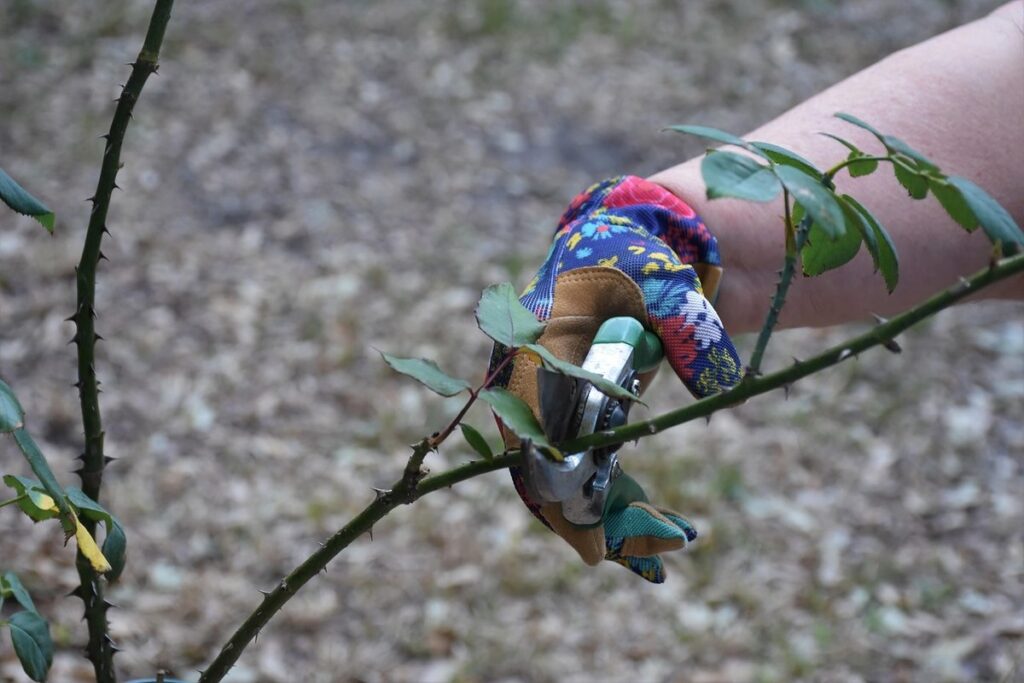
Pruning is an essential aspect of rose bush care that promotes healthy growth, encourages blooming, and removes diseased or damaged branches. To prune a rose bush effectively, start by removing dead, diseased, or damaged stems as they can spread disease to the rest of the plant. Cut these stems at a 45-degree angle just above a bud eye, making sure to disinfect your pruning tools between cuts.
Next, reduce the height of overgrown stems by cutting back one-third to one-half of the stem’s length. This will help control the plant’s size and promote new growth from the base. Be mindful of the plant’s natural shape and do not remove more than 25% of the overall structure in a single pruning session.
Encourage blooming by removing weak or spindly growth, as these stems tend to produce few flowers. Cut back these stems to about six inches from the ground, allowing new shoots to emerge from the base. Regular pruning will help keep your rose bush healthy, vigorous, and producing plenty of beautiful blooms throughout the growing season.
Fertilizing Your Rose Bush
When it comes to fertilizing your rose bush, choosing the right type of fertilizer is crucial for optimal growth and blooming. There are several options available, ranging from organic to synthetic, each with its own set of benefits and drawbacks.
Organic fertilizers, such as compost tea or fish emulsion, release nutrients slowly into the soil, promoting healthy root development and disease resistance. These options are perfect for gardeners looking for a more natural approach to rose care. For example, compost tea can be made at home using a burlap bag filled with compost and steeped in water – a cost-effective and eco-friendly option.
Synthetic fertilizers, on the other hand, provide a quick boost of nutrients but may require repeated applications. Look for products specifically formulated for roses, as they typically contain a balanced mix of nitrogen, phosphorus, and potassium (N-P-K). Apply these fertilizers according to package instructions, usually once a month during the growing season.
As a general rule, aim to fertilize your rose bush every 4-6 weeks during the active growth period. However, avoid over-fertilizing, as this can lead to weak growth and decreased blooming. By selecting the right fertilizer and following proper application guidelines, you’ll be well on your way to achieving vibrant blooms and a thriving rose bush.
Dealing with Common Issues
As you tend to your rose bushes, you’ll inevitably encounter some common problems that can be frustrating and discouraging. Let’s tackle these issues together and find solutions.
Pests and Diseases
Rose bushes are susceptible to various pests and diseases that can cause damage and reduce their overall health. One of the most common signs of pest infestation is the presence of insects such as aphids, whiteflies, and spider mites on the leaves or stems. To prevent these pests, maintain good garden hygiene by removing weeds, debris, and infested plants.
Some diseases to watch out for include black spot, powdery mildew, and rust. These fungal diseases often appear as yellowing leaves, black spots, or a white powdery coating on the leaves. Prevention methods include watering at the base of the plant, avoiding overhead watering, and providing good air circulation around the rose bush.
If you do notice any signs of pests or diseases, there are various treatment options available. For fungal diseases, use fungicides specifically designed for roses. For pest infestations, introduce natural predators such as ladybugs or lacewings to control populations. Keep in mind that prevention is often more effective than treatment, so focus on creating a healthy environment for your rose bushes by providing optimal growing conditions and regular care.
Regular inspections can help catch issues early, reducing the risk of severe damage. Be sure to inspect your rose bushes regularly during peak pest and disease seasons, typically spring and fall.
Soggy Soil and Root Rot
Rose bushes are susceptible to root rot and soggy soil conditions, which can be detrimental to their health. If you notice a sudden decline in your rose bush’s vigor or an increase in pests, it may be due to these underlying issues.
Warning signs of root rot include yellowing leaves, droopy stems, and a soft, mushy texture at the base of the plant. On the other hand, soggy soil can cause roots to become waterlogged, leading to root rot. To prevent these problems, ensure good drainage by raising your rose bush’s planting bed or using a well-draining potting mix.
To avoid overwatering, check the moisture level in the soil by inserting your finger into it up to the first knuckle. If the soil feels wet, wait another day before watering. Also, consider implementing a drip irrigation system to deliver water directly to the roots while minimizing evaporation and runoff.
Regularly inspect your rose bush’s roots during repotting or pruning to catch any signs of root rot early on.
Maximizing Blooms and Performance
Now that you’ve learned how to properly care for your rose bush, let’s dive into maximizing those beautiful blooms and getting the best performance from your plant.
Encouraging Continuous Bloom
To ensure your rose bush continues to thrive and provide an abundance of blooms throughout the growing season, it’s essential to promote continuous bloom. This involves a combination of proper pruning techniques, fertilization, and providing optimal growing conditions.
Proper pruning is key to maintaining a healthy rose bush that continues to produce an abundance of flowers. The best time to prune your rose bush depends on the type of rose. For hybrid teas and grandifloras, it’s best to prune in late winter or early spring before new growth begins. This allows you to shape the plant, remove any dead or damaged branches, and promote new growth.
To encourage continuous bloom, be sure to fertilize your rose bush regularly. Use a balanced fertilizer that contains nitrogen, phosphorus, and potassium, and follow the instructions on the label for application rates. Additionally, provide your rose bush with enough sunlight and water, as these are essential for flower production.
Protecting Your Rose Bushes During Harsh Weather
As we delve into the world of rose bush care, it’s essential to address one of the most significant challenges gardeners face: protecting their beloved bushes from harsh weather conditions. Extreme temperatures, strong winds, and other environmental stressors can cause irreparable damage or even kill your prized roses.
To shield your rose bushes from these dangers, begin by choosing a location that provides some protection from wind and frost. If this isn’t possible, consider using a burlap wrap or snow fence to block cold winds and reduce the risk of frost damage. During heatwaves, mulch around the base of your rose bushes to retain moisture and regulate soil temperature.
In addition to these preventive measures, keep an eye on weather forecasts and take action before extreme conditions hit. Bring potted roses under cover or move them to a protected area during intense winds or freezing temperatures. For in-ground roses, apply a layer of anti-desiccant spray to prevent water loss through transpiration, which can exacerbate damage caused by drought or heat stress.
Regularly inspect your rose bushes for signs of damage and address any issues promptly to minimize long-term harm. By taking these proactive steps, you’ll be well-equipped to safeguard your rose bushes against the harshest weather conditions.
Frequently Asked Questions
How soon after planting should I expect my rose bush to bloom?
You can expect your rose bush to start blooming within the first year, but this depends on factors like climate, soil quality, and the specific variety you’re growing. On average, it takes 6-12 months for a newly planted rose bush to produce its first blooms. Be patient and ensure proper care to encourage optimal growth.
What’s the best way to protect my rose bushes from extreme weather conditions?
To protect your rose bushes from harsh weather, use techniques like mulching, staking, or covering with a frost blanket during periods of extreme cold or heat. Also, trim any damaged branches after severe storms to prevent disease and pests from taking hold.
Can I grow multiple types of roses together in the same bed?
Yes, you can grow multiple types of roses together, but ensure they have similar sunlight requirements and soil preferences. However, keep in mind that different rose varieties may have specific pruning needs, so plan for regular maintenance to avoid overwhelming yourself or damaging your plants.
How often should I water my newly planted rose bush during hot summer months?
During the first growing season, newly planted rose bushes need consistent moisture, especially in hot weather. Water them deeply once or twice a week, depending on soil conditions and climate. Avoid overwatering, which can lead to soggy soil and root rot.
Can I use regular garden fertilizer for my rose bush, or do I need something specialized?
While you can use general-purpose fertilizers, they might not provide the specific nutrients roses require. Consider using a balanced fertilizer (10-10-10 NPK) during the growing season and a rose-specific fertilizer in the spring to promote healthy growth and blooming.