
Are you ready to grow your own delicious figs at home? With a little care and attention, potted fig trees can thrive indoors or out, providing a bountiful harvest of juicy fruit. However, choosing the right variety for container gardening and giving your tree the best chance to succeed can be a daunting task.
In this comprehensive guide, we’ll walk you through everything you need to know to choose, plant, and care for a thriving potted fig tree. We’ll cover topics such as selecting the ideal fig tree variety for container growth, preparing containers with the right mix of soil and nutrients, and providing optimal conditions for your tree’s health and productivity. Whether you’re an experienced gardener or just starting out, this article will give you all the tips and advice you need to grow a healthy and fruitful potted fig tree.
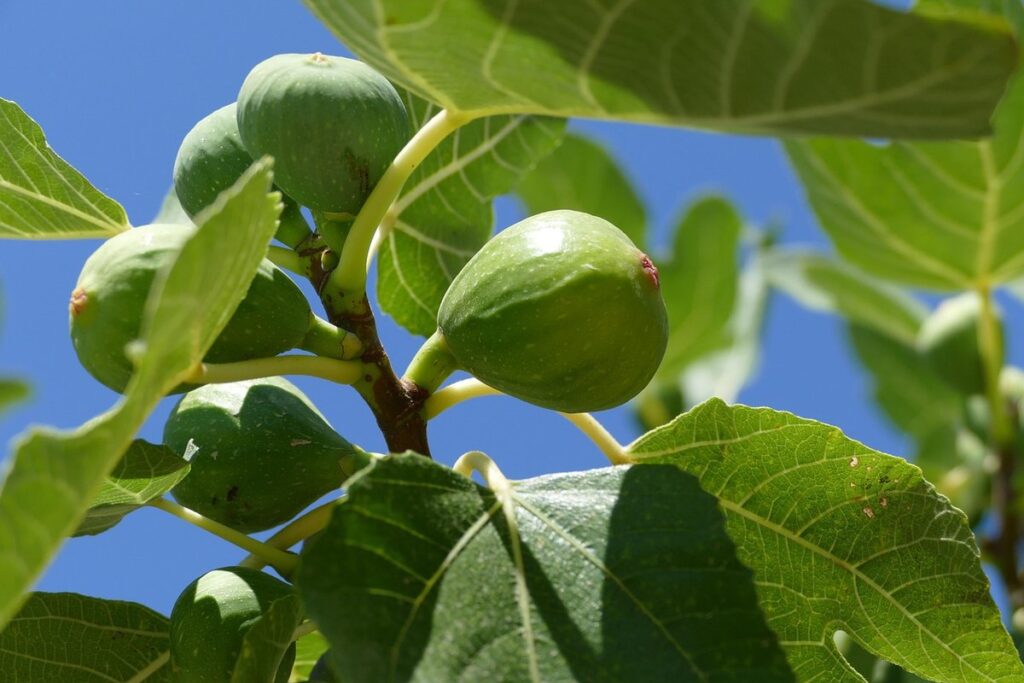
Understanding Fig Trees and Container Gardening
Now that you’re familiar with fig trees, let’s explore how to successfully grow them in containers, covering essential tips for a healthy tree. This includes choosing the right container size and soil mix.
Choosing the Right Variety of Fig Tree
When choosing a fig tree variety for container growing, several factors come into play. Climate is one of the primary considerations. If you live in a cooler region with frost, look for varieties that are more cold-hardy, such as ‘Brown Turkey’ or ‘Celeste’. These trees can tolerate temperatures as low as 10°F (-12°C).
On the other hand, if you reside in a warmer climate, consider ‘Black Jack’, which thrives in temperatures up to 100°F (38°C). Another crucial factor is space constraints. If you have limited space, opt for compact or dwarf varieties like ‘Brown Turkey’ or ‘Violette de Bordeux’. These trees grow smaller and produce fewer fruits, but they are perfect for small containers.
When it comes to fruit production, some fig tree varieties are more prolific than others. ‘Celeste’, for instance, produces two crops of fruit per year, while ‘Black Jack’ yields one crop annually. Consider your needs and choose a variety that suits your space and desired level of fruit production.
Preparing Containers for Fig Trees
When preparing containers for fig trees, it’s essential to focus on three critical factors: potting mix, container size, and drainage. A well-draining potting mix is vital to prevent waterlogged soil, which can lead to root rot and other issues that can be detrimental to your tree’s health.
Choose a container with adequate room for root growth, ideally one that is at least 14-16 inches deep and 24-30 inches wide. This will give the roots enough space to spread out and absorb nutrients without becoming constricted. Make sure the container has drainage holes in the bottom to prevent water from accumulating and causing damage.
Select a potting mix specifically designed for containers, as it will retain moisture but also drain excess water efficiently. Avoid using regular garden soil, as it can compact and cause waterlogging. Consider adding organic matter like compost or perlite to enhance drainage and fertility. By selecting the right container and potting mix, you’ll be well on your way to creating a healthy environment for your fig tree to thrive in its container.
Selecting the Perfect Container and Potting Mix
When growing fig trees in containers, choosing the right pot and soil is crucial for your tree’s health. We’ll walk you through selecting a suitable container and potting mix.
Types of Containers Suitable for Fig Trees
When it comes to choosing the right container for your fig tree, there are several options available. Ceramic pots, for instance, are a popular choice due to their aesthetically pleasing designs and ability to retain moisture. However, they can be heavy and may require more frequent watering.
Wooden planters, on the other hand, offer excellent drainage and can add a rustic touch to your outdoor space. But, they may not provide enough support for larger fig trees and can be prone to rot if not properly maintained.
Self-watering containers are another great option for busy gardeners or those with limited time for maintenance. These containers feature an inner reservoir that holds excess water, allowing the tree to draw on it as needed. This type of container is ideal for indoor growing, but may require more frequent cleaning to prevent bacterial growth.
When selecting a container, consider one with good drainage holes and a sizeable enough to accommodate your fig tree’s mature root system. A minimum depth of 12-18 inches is recommended, with a width of at least 24-36 inches for larger varieties.
Potting Mixes for Fig Trees in Containers
When it comes to growing fig trees in containers, selecting the right potting mix is crucial for their health and productivity. A good potting mix should have high organic matter content, which will provide nutrients and improve soil structure. Look for mixes that contain ingredients like compost, peat moss, or coconut coir, as these will help retain moisture and suppress diseases.
Adequate water-holding capacity is also essential, especially in containers where the soil can dry out quickly. Consider using potting mixes with added perlite or vermiculite to improve drainage and prevent waterlogged soil. Additionally, choose a mix that resists nutrient deficiencies, which can be common in container-grown fig trees.
If you prefer to create your own potting mix, you can try a DIY recipe like 2 parts compost, 1 part peat moss, and 1 part perlite. This mix will provide the necessary nutrients, retain moisture, and prevent waterlogging. Keep in mind that fig trees require a slightly acidic pH, so ensure your potting mix has a pH between 6.0 and 7.0 to promote healthy growth.
Planting and Caring for Fig Trees in Pots
To successfully grow fig trees in containers, you’ll need to know how to plant and care for them properly, which is exactly what we’re going to cover next. This section will walk you through essential tips and techniques.
Planting Techniques and Timing
When planting a fig tree in a container, it’s essential to get the soil right. Dig a hole that’s about two times as wide and just as deep as the root ball of the tree. Gently remove the fig tree from its pot and place it in the hole, making sure the graft union (if applicable) is above the soil level. Backfill with a well-draining potting mix, leaving enough space for watering.
Fertilize your fig tree immediately after planting with a balanced fertilizer to promote healthy growth. During the growing season, feed your tree with a high-phosphorus fertilizer to encourage fruiting. Mulch around the base of the tree to retain moisture and suppress weeds.
Planting timing is crucial when it comes to fig trees in containers. In regions with warm climates (USDA zones 9-11), you can plant at any time of the year, except for the hottest summer months. For cooler climates (USDA zones 4-8), spring or fall are ideal planting times. Be sure to choose a container that provides sufficient light for your fig tree – most varieties require full sun to partial shade.
Watering and Fertilizing Fig Trees in Containers
Watering and fertilizing fig trees grown in containers requires careful attention to ensure optimal growth. When it comes to watering, a general rule of thumb is to check the soil moisture by sticking your finger into the soil up to the first knuckle. If the soil feels dry, it’s time to water. However, this can vary depending on factors like temperature and humidity. A good starting point is to water your fig tree when the top 1-2 inches of soil feel dry.
When fertilizing, use a balanced fertilizer (10-10-10 NPK) during the growing season (spring-fall). Dilute it to half the recommended strength to avoid burning your tree’s roots. You can also add a fruiting fertilizer (15-30-15 NPK) during the summer months to promote fruit production.
Monitor your fig tree’s response to these care practices and adjust accordingly. For example, if you notice leaves turning yellow or dropping, it may be a sign that the soil is too dry or you’re over-fertilizing. Keep an eye on your tree’s growth rate and make adjustments as needed.
Common Challenges and Solutions for Fig Tree Container Gardening
As you begin growing your fig tree in a container, you’ll likely encounter some common challenges that can be frustrating to resolve. This section will help address those issues and provide practical solutions for success.
Addressing Pests and Diseases
When growing fig trees in containers, it’s not uncommon to encounter pests and diseases that can harm your tree’s health. Some common issues you may face include aphids, spider mites, and root rot. These pests and diseases can be caused by a variety of factors, such as overwatering, poor air circulation, or introducing infested plants into your garden.
To prevent these problems, it’s essential to maintain good hygiene practices when handling your fig tree. Inspect your plant regularly for signs of pests or disease, and take action immediately if you notice any issues. For aphids and spider mites, try using neem oil or insecticidal soap as a natural remedy. For root rot, reduce watering and repot the tree in fresh soil.
If natural remedies aren’t effective, chemical treatments may be necessary. However, use these with caution and follow the manufacturer’s instructions to avoid harming your tree further. Some popular chemical treatments for fig trees include horticultural oil and insecticides containing pyrethrin or permethrin.
Overcoming Space Constraints and Light Limitations
One of the most significant challenges of container gardening is making the most of limited space and light. Fig trees can thrive in small containers, but they still require sufficient sunlight to produce a bountiful harvest.
To overcome space constraints, consider pruning your fig tree regularly. Pruning not only helps maintain a compact shape but also encourages new growth and fruiting. Remove any weak or damaged branches, and trim back the tips of the existing ones to promote bushy growth.
Espaliering is another technique that can help maximize available space. By training your fig tree against a trellis or wall, you can direct its growth upwards, making it ideal for small gardens or balconies. This method also allows air to circulate around the plant, reducing the risk of disease and promoting healthy growth.
In areas with insufficient light, consider using mirrors to reflect natural sunlight onto your fig tree. Place a mirror on a sunny wall opposite your container garden to bounce light towards your plant. You can also use a sunlamp or LED grow lights specifically designed for indoor plants. By implementing these techniques, you can create an ideal environment for your fig tree to thrive in even the most challenging spaces.
Tips for Harvesting and Enjoying Your Homegrown Fig Fruits
Now that your fig tree is thriving, it’s time to reap the rewards of your labor – learn how to properly harvest and enjoy your homegrown figs for a delicious and extended season.
Determining Ripeness and Timing of Harvest
Determining the ripeness of figs can be a bit tricky, especially if you’re growing them in containers. However, with some knowledge and observation, you’ll be able to identify when they’re ready for harvest. Climate plays a significant role in determining the optimal harvest time. In warmer climates, figs tend to ripen faster, while cooler climates may require a longer ripening period.
As your fig tree matures, typically after 2-3 years of growth, it will start producing fruit. Observe the fruit development stages closely. Start by checking for color changes – ripe figs turn from green to shades of yellow, red, or purple, depending on the variety. You can also check for slight softening around the neck where the stem meets the fruit.
It’s essential to harvest your figs at the right time to ensure optimal flavor and texture. If you leave them too long, they may become overripe and spoil quickly. On the other hand, if you pick them too early, they might not be sweet or tender. Check on your figs every 5-7 days, and with a little practice, you’ll develop a sense of when to harvest them perfectly.
Another factor to consider is the tree’s age. Younger trees may produce smaller fruit that ripens more quickly than those from mature trees. Keep an eye out for the first signs of ripening on your figs, and plan accordingly. With experience, you’ll be able to gauge when they’re at their peak ripeness.
If you notice any insects or diseases affecting your tree’s productivity, consider adjusting your harvest schedule accordingly. Healthy fig trees produce more fruit consistently throughout the season.
Using and Storing Homegrown Figs
When you’ve finally harvested those luscious homegrown figs, it’s time to think about using them up and storing them for future enjoyment. The uses for fresh figs are numerous and delicious – enjoy them as a sweet snack on their own, or add them to salads, yogurt parfaits, or sandwiches for a burst of flavor.
In the kitchen, figs are a versatile ingredient that can be used in baking, cooking, and preserving. Try adding them to homemade jam, chutney, or relish recipes for a unique twist. You can also use fresh figs in savory dishes like stews, braises, or as a topping for pizza.
To store fresh figs, keep them at room temperature until ripe, then refrigerate to prolong their shelf life. Dried figs can be stored in an airtight container in a cool, dark place – they’ll retain their flavor and texture for up to six months. To dry your own figs, simply slice or chop them thin and spread out on a baking sheet; dehydrate at 135°F (57°C) for 6-8 hours. With proper storage, you can enjoy your homegrown figs throughout the year.
Conclusion: Growing Fig Trees in Pots – A Rewarding Experience
As you’ve now learned the ins and outs of growing fig trees in containers, let’s summarize what we’ve covered to ensure your potted tree thrives. We’ll highlight key takeaways for a rewarding experience.
Recap of Key Takeaways and Recommendations
As you’ve made it through this comprehensive guide on growing fig trees in containers, let’s recap the key takeaways and recommendations to ensure you’re equipped with everything you need for a thriving container garden.
Firstly, selecting the right variety of fig tree is crucial. We discussed how dwarf or compact varieties like ‘Brown Turkey’ and ‘Black Jack’ are ideal for container gardens due to their smaller size and productivity. These trees can thrive in containers as small as 14-16 inches deep and wide, making them perfect for patios, balconies, or indoor spaces.
Another key consideration is providing sufficient sunlight and warmth for your fig tree. As a Mediterranean native, figs require full sun to partial shade and temperatures above 64°F (18°C) to produce fruit. Make sure to place your container garden in a spot that receives at least six hours of direct sunlight per day.
Regular watering and fertilization are also essential for maintaining healthy roots and promoting fruit production. Water your tree when the top inch of soil feels dry, and use a balanced fertilizer during the growing season (spring-fall) to provide essential nutrients. Don’t forget to repot your fig tree every two years to maintain its container size and promote fresh growth.
As you embark on this rewarding journey of growing fig trees in containers, we encourage you to share your experiences with us! Join our community and connect with other enthusiasts who are passionate about container gardening. For additional advice or resources on growing figs in pots, check out the recommended books and online forums listed below.
Frequently Asked Questions
Can I grow a fig tree indoors year-round, or do I need to bring it outside during warmer months?
While fig trees can thrive indoors, they typically require protection from extreme temperatures and humidity levels. If you live in an area with mild winters, you can leave your potted fig tree outdoors all year round. However, if you experience frost or freezing temperatures, consider moving the tree to a protected location or bringing it inside during winter.
How often should I fertilize my potted fig tree, and what type of fertilizer is best?
Fertilize your potted fig tree regularly throughout the growing season (spring-fall) with a balanced, water-soluble fertilizer. Dilute the fertilizer to half the recommended strength to avoid burning the roots. You can also use a fruit-tree specific fertilizer for optimal results. Avoid fertilizing during winter when the tree is dormant.
Can I propagate new fig trees from cuttings or seeds, or do I need to purchase nursery stock?
Fig trees are typically propagated through cuttings, which ensures the new tree will have the same characteristics as the parent plant. This method is more successful and reliable than growing from seed. You can take 6-12 inch (15-30 cm) stem cuttings from a mature fig tree during the dormant season, root them in a potting mix, and then transplant the new trees into larger containers.
How do I protect my potted fig tree from pests like aphids, whiteflies, and spider mites?
Regularly inspect your tree for signs of pests, and take action promptly to prevent infestations. Use neem oil or insecticidal soap to control aphid and whitefly populations. For spider mite issues, spray the undersides of leaves with water and apply a miticide as directed.
Can I grow multiple fig trees in one large container, or do they need separate pots?
While it’s technically possible to grow multiple fig trees in a single container, this can lead to competition for resources like light, water, and nutrients. It’s generally recommended to provide each tree with its own pot to ensure optimal growth and fruit production. This also makes maintenance easier and reduces the risk of disease transmission between plants.