
Are you tired of seeing your gooseberry bush produce few or no fruits, despite its lush foliage? Or perhaps you’re concerned about its susceptibility to diseases that can ravage its health. Pruning is a crucial aspect of maintaining healthy and productive gooseberry bushes, but it’s often misunderstood or overlooked by gardeners. By learning the right pruning techniques, you can boost your gooseberry bush’s fruit production, prevent disease from taking hold, and promote overall growth. In this comprehensive guide, we’ll walk you through the essential steps for pruning your gooseberry bush, including when to prune, how to identify the right cuts, and tips for maintaining its optimal health. Whether you’re a seasoned gardener or just starting out, our expert advice will help you unlock the full potential of your gooseberry bush.
Understanding the Importance of Pruning
Pruning your gooseberry bush may seem daunting, but understanding its importance is key to healthy growth and a bountiful harvest. Let’s explore why pruning is a crucial step in maintaining your gooseberry plants.
Why Prune Gooseberries at All?
When it comes to pruning gooseberries, many gardeners may wonder why this task is essential for their plants. The truth is, pruning plays a critical role in maintaining a healthy and productive gooseberry bush. By pruning your gooseberry regularly, you’re essentially giving the plant a chance to thrive.
First and foremost, pruning promotes fruiting in gooseberry bushes. When branches become congested or tangled, they can prevent new growth from developing, which can lead to reduced yields. Pruning helps to thin out these branches, allowing more sunlight to reach the fruiting spurs, resulting in a bountiful harvest. In fact, studies have shown that regular pruning can increase gooseberry production by up to 30%. Furthermore, pruning helps control disease by removing any affected areas and improving air circulation around the plant.
By encouraging new growth through pruning, you’ll also see an improvement in the overall health of your gooseberry bush.
Identifying the Right Time for Pruning
Determining when to prune your gooseberry bushes is crucial for promoting healthy growth and maximizing fruit production. The ideal time for pruning depends on several factors, including climate, season, and the age of the plant.
In general, it’s best to prune your gooseberry bushes during their dormant season, typically between late winter and early spring. This allows you to cut back any dead, diseased, or damaged branches without causing stress to the plant. For warmer climates, pruning can be done in late fall or early winter when the plant is still actively growing.
However, if you live in an area with harsh winters, it’s recommended to prune in late winter or early spring to avoid exposing newly cut wounds to frost and cold temperatures. Young gooseberry bushes (less than 2 years old) typically require more aggressive pruning to establish a strong framework for future growth.
Keep in mind that pruning at the wrong time can lead to disease susceptibility and reduced fruit production. It’s essential to observe your plant’s specific needs and adjust your pruning schedule accordingly.
Pre-Pruning Preparation: Tools and Techniques
To ensure you’re fully prepared for pruning, let’s cover the essential tools and techniques to help you tackle your gooseberry bushes with confidence. This includes gathering the right equipment and understanding key cutting methods.
Choosing the Right Pruning Tools
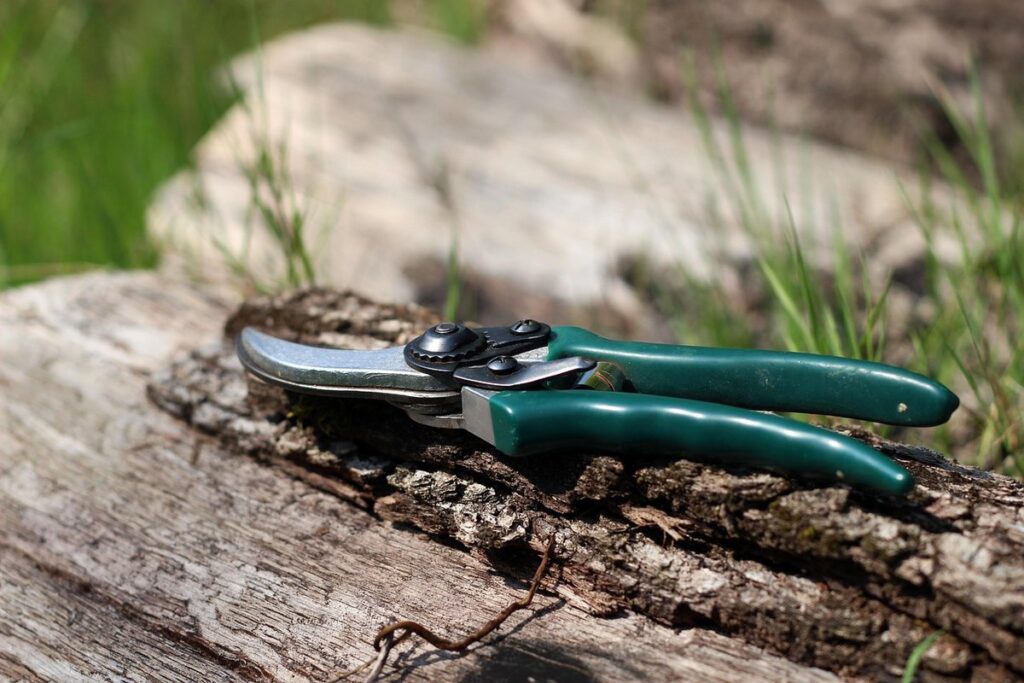
When it comes to pruning your gooseberries, having the right tools is essential for making clean cuts and promoting healthy growth. You’ll want to start with a few basic hand pruners, also known as secateurs, which are perfect for cutting stems up to 1 inch in diameter. These should be comfortable to hold and have sharp blades.
Loppers are another important tool for pruning gooseberries, particularly when you need to cut thicker branches or reach higher areas. Look for loppers with long handles (around 30-36 inches) and sharp blades that can cut through thicker stems up to 2-3 inches in diameter. Regularly clean and oil your pruners and loppers to maintain their performance.
A good pair of pruning saws, specifically designed for fruiting branches, will also come in handy when cutting larger branches or deadwood. When choosing a pruning saw, look for one with fine teeth (around 6-8 TPI) that can cut through wood smoothly without tearing the bark. Keep your tools sharp and well-maintained to ensure clean cuts and prevent disease entry points on your gooseberry bushes.
Preparing Your Bush for Pruning
Before you start pruning, it’s essential to prepare your gooseberry bush. Begin by removing any dead wood from the plant. This will help prevent the spread of disease and encourage healthy growth. Inspect each branch for signs of damage or decay, and cut them off at the base using sharp, clean pruning tools.
Next, take a closer look at the branches themselves. Check for crossing or rubbing branches that could be causing damage to the plant. Remove any weak or spindly growth, as these can sap energy from the rest of the bush. Clear the area around the plant by removing any weeds or debris that could be competing with your gooseberry bush for water and nutrients.
Take a step back and inspect the overall shape of the bush. Are there any branches that are growing inwards towards the center? Remove these to allow air and sunlight to reach all parts of the plant. By clearing away dead wood, inspecting branches, and clearing the area around your gooseberry bush, you’ll be giving it a solid foundation for pruning and promoting healthy growth throughout the season.
Basic Pruning Techniques: Cutting and Shaping
Now that we’ve covered the basics of why pruning is essential for your gooseberry bushes, let’s dive into the specifics of cutting and shaping them. This section will walk you through the key techniques to get started.
Cutting Out Dead, Diseased, or Damaged Wood
When pruning your gooseberry bush, it’s essential to remove dead, diseased, or damaged branches to prevent disease spread and promote healthy growth. Dead wood can be brittle and more prone to breaking off during strong winds, while diseased or damaged branches can serve as entry points for pests and diseases.
Inspect your gooseberry bush carefully, looking for any signs of damage or disease. Cut back any dead or diseased branches to a point where the remaining bark is healthy and undamaged. This will help prevent the spread of disease and encourage new growth. Be sure to make clean cuts just above a bud or lateral branch, as this will help the bush heal quickly.
Make multiple cuts if necessary, cutting at a 45-degree angle to direct water away from the cut area. Remove any dead or diseased wood completely, rather than simply pruning it back. This will help prevent the spread of disease and promote healthy growth in your gooseberry bush.
Reducing Branches for Better Air Circulation
When pruning gooseberries, reducing branches is an essential technique to improve air circulation around the plant. This is particularly important for gooseberry bushes as they can become quite dense and compact over time. Reduced airflow can lead to fungal diseases like powdery mildew and leaf spot, which thrive in humid conditions.
By removing some of the internal branches, you allow air to circulate freely through the plant, reducing the risk of disease. This also encourages healthy growth by allowing sunlight to penetrate deeper into the bush, promoting photosynthesis. To achieve better air circulation, select 2-3 main stems and remove any smaller, competing branches that are growing inward.
Removing these internal branches will also reduce water splashing during rainfall or irrigation, which can cause fungal diseases. Additionally, it enhances fruiting by allowing sunlight to reach more of the bush’s surface area, promoting fruit development and ripening. By implementing this technique in your pruning routine, you’ll be creating a healthier environment for your gooseberry plant to thrive.
Advanced Pruning Techniques: Fruiting Wood and Espalier
Now that we’ve mastered basic pruning techniques, let’s dive into more advanced methods for encouraging healthy growth in your gooseberry bushes. We’ll explore how to trim fruiting wood and create stunning espalier displays.
Pruning for Optimal Fruit Production
When it comes to pruning gooseberries, selecting the right wood is crucial for optimal fruit production. Look for vigorous shoots that are at least 1-2 years old and have a sturdy base. These shoots should be around 12-18 inches long, with a few sets of leaves and some visible buds. They’ll serve as the backbone of your bush, providing the energy needed to produce an abundance of fruit.
When pruning, prioritize these vigorous shoots by cutting back weaker growth to encourage new wood production. Identify stems that are thin, spindly, or have signs of dieback – these should be removed completely. Cut just above a bud eye (about 1/4 inch from the node), using clean, sharp pruning shears to minimize damage.
By focusing on healthy, vigorous shoots and removing weaker growth, you’ll direct your gooseberry bush’s energy towards fruit production, resulting in a more productive and rewarding harvest.
Creating an Espalier System
Creating an espalier system for your gooseberry bush is a great way to maximize space while showcasing its beauty. Not only will it increase yield and improve appearance, but it’ll also reduce the need for extra land. To get started, you’ll want to choose a trellis or other support structure that’s sturdy enough to hold the weight of your plant as it grows.
Begin by training your gooseberry bush onto the espalier system during its dormant season. This will give you better control over its growth and make pruning easier. Use soft ties to gently guide branches against the trellis, making sure not to damage the bark. As new growth emerges, prune regularly to maintain an open center and encourage horizontal branching.
Keep in mind that gooseberry bushes can grow quite vigorously, so regular pruning is essential for maintaining a balanced espalier system. Regularly check your plant’s structure and remove any dead, diseased or damaged branches. By following these steps and being patient with the process, you’ll be enjoying an abundance of fresh gooseberries from your very own espalier system in no time.
Pruning for Different Gooseberry Varieties
When it comes to pruning your gooseberries, different varieties have unique needs, so let’s dive into how to prune your favorite varieties like Hinnomaki Red and Invicta.
Understanding the Needs of Popular Varieties
When it comes to pruning gooseberries, different varieties have unique needs. Let’s take a closer look at three popular varieties: Invicta, Hinnomaki Red, and Pixwell.
Invicta is a highly productive variety, producing an abundance of large fruit. To encourage heavy fruiting, prune this variety hard in late winter or early spring, removing around 50% of the previous year’s growth. This will help promote new shoots and a strong structure for next season’s crop. On the other hand, if you’re looking to maintain a compact shape, prune Invicta less aggressively, focusing on removing crossing branches and any dead, diseased, or damaged wood.
Hinnomaki Red is another popular variety, known for its vibrant red berries. Prune this variety lightly in late winter or early spring, removing around 20-30% of the previous year’s growth. This will help control the plant’s size while still allowing it to produce a good crop. Make sure to remove any weak or spindly growth to promote healthy, bushy stems.
Pixwell is a compact variety, ideal for smaller gardens. Prune this variety more aggressively than Hinnomaki Red, removing around 50% of the previous year’s growth. This will help control its size and encourage a strong, central leader. Remove any crossing branches or weak growth to promote healthy, vigorous stems.
By understanding the unique pruning needs of your gooseberry variety, you can promote healthy growth, increase fruit production, and enjoy a bountiful harvest.
Adapting Your Pruning Strategy
Adapting your pruning strategy to suit your specific climate, soil type, and desired fruit characteristics is crucial for a bountiful harvest. In regions with hot summers, such as the Mediterranean, it’s essential to prune gooseberries more heavily to reduce moisture loss through transpiration. This can be achieved by removing up to 30% of the plant’s foliage during the dormant season.
In areas with cooler climates or poor soil quality, a more gentle approach is recommended. Prune selectively, focusing on removing any dead, diseased, or damaged branches, and thin out overcrowded areas to promote air circulation and sunlight penetration. This will encourage healthy growth and prevent moisture-related issues.
If you’re aiming for larger fruit, prune the plant to encourage lateral growth by removing tips from stems in late winter or early spring. Conversely, for smaller berries, reduce the number of lateral shoots to direct energy towards fruit production. Be mindful that these adjustments may impact yield, so monitor your plant’s response and adjust accordingly.
Troubleshooting Common Pruning Mistakes
Mistakes can happen even with the best pruning intentions, so let’s address some common errors that could be harming your gooseberry bushes’ health. We’ll walk through fixing these mistakes together!
Identifying Common Errors and Their Consequences
When it comes to pruning gooseberries, even small mistakes can have significant consequences for the health and productivity of your bush. One common error is over-pruning, which can lead to reduced yields and an increased risk of disease. By removing too much growth at once, you’re not only reducing the plant’s ability to produce fruit, but also leaving it more vulnerable to pests and diseases that thrive on stress.
Another mistake to avoid is pruning at the wrong time. Pruning during the active growing season can cause unnecessary stress, making your bush more susceptible to disease and pests. Instead, aim to prune in late winter or early spring, when your gooseberry bush is dormant. This allows you to remove any dead, diseased, or damaged wood without causing further stress.
Additionally, failing to maintain proper sanitation during pruning can also have serious consequences. Failing to disinfect pruning tools between cuts can spread disease and create a cascade of problems for your plant. Always clean your tools with soap and water after each cut, and consider using a disinfectant spray to ensure maximum protection.
Correcting and Preparing for Future Seasons
Now that you’ve identified and addressed common pruning mistakes, it’s essential to take corrective action and implement preventive measures for future seasons. Start by assessing the overall health of your gooseberry bush, looking for signs of stress, disease, or pests.
Begin by removing any dead, diseased, or damaged branches, taking care not to cut too much at once. This will help prevent the spread of disease and encourage new growth. Next, evaluate the structure of your bush, ensuring that it’s balanced and evenly spaced. Prune back overgrown branches to maintain a central leader and promote air circulation.
To prepare for future seasons, consider implementing a regular pruning schedule. For example, prune your gooseberry bush in late winter or early spring to remove any dead material and shape the plant. In mid-summer, lightly trim back new growth to encourage fruiting wood. By taking these steps, you’ll be well on your way to maintaining healthy, productive gooseberry bushes that thrive for years to come.
Maintaining Your Pruned Gooseberry Bush
Now that you’ve pruned your gooseberry bush, it’s essential to provide the right care to ensure healthy growth and a bountiful harvest in the coming seasons. This section will guide you through maintenance tips for your newly trimmed plant.
Post-Pruning Care: Watering and Mulching
After pruning your gooseberry bush, it’s essential to provide proper care to promote healthy growth and prevent potential issues. Watering is a critical step in the post-pruning process. Ensure the soil receives adequate moisture, especially during the first few weeks after pruning. However, be cautious not to overwater, as this can lead to root rot and other problems.
To gauge when your bush needs watering, check the top 2-3 inches of soil for dryness. If it feels dry to the touch, it’s time to water. A good rule of thumb is to provide about 1 inch of water per week, either through rainfall or irrigation. Mulching around the base of the plant also helps retain moisture and suppress weeds.
Monitor your bush regularly for signs of pests or diseases, such as aphids, whiteflies, or powdery mildew. Catching these issues early can help prevent more severe problems from developing. Regularly inspect your plant’s leaves and stems, and take action promptly if you notice any unusual growth patterns or damage.
Ongoing Pruning Schedule and Tips
Pruning is not a one-time event, but an ongoing process that requires regular maintenance to ensure your gooseberry bush remains healthy and productive. To schedule regular pruning sessions, consider the following plan:
* Prune lightly after harvest (late summer/early fall) to maintain shape and encourage new growth
* Prune more heavily in late winter or early spring, removing any dead, diseased, or damaged branches
* Remove any suckers that emerge from the base of the plant during the growing season
Regular pruning also involves monitoring your bush’s progress throughout the growing season. Keep an eye out for:
* Over-vigorous shoots that may require trimming back to encourage balanced growth
* Signs of disease or pests, which can be addressed through targeted pruning and other management strategies
* Fruiting branches that may need thinning to promote even fruit set and reduce competition
By incorporating these regular pruning sessions into your maintenance routine, you’ll be able to keep your gooseberry bush healthy, productive, and looking its best.
Frequently Asked Questions
Can I prune my gooseberry bush during any time of the year, or are there specific seasons when it’s best to do so?
While you can prune your gooseberry bush throughout the year, the ideal times for pruning vary depending on your location and the specific needs of your plant. In general, it’s recommended to prune in late winter or early spring, just before new growth begins. This allows you to assess the health of the plant and make any necessary cuts without sacrificing potential fruiting wood.
How do I know if I’m pruning too much of my gooseberry bush, and what are the consequences of over-pruning?
Over-pruning can be detrimental to your gooseberry bush’s health and productivity. If you’re unsure about how much to prune, a good rule of thumb is to remove no more than one-third of the plant’s total growth per year. Be cautious not to cut too many fruiting spurs or branches, as this can reduce next season’s yields.
Can I use the same pruning techniques for all types of gooseberry bushes, or do different varieties require specific approaches?
While some general principles apply across various gooseberry varieties, certain species may have unique needs. For example, compact or dwarf varieties might require more frequent pruning to maintain their shape and promote fruiting. Research your specific variety’s requirements to tailor your pruning strategy for optimal results.
How often should I inspect my pruned gooseberry bush for signs of disease or pests, and what are the most common issues to watch out for?
Regular inspection is crucial after pruning, as wounds can provide entry points for diseases and pests. Check for signs of infection, such as black spots, powdery mildew, or aphid infestations, and take action promptly if you notice any issues.
What are some essential tools I should have on hand when pruning my gooseberry bush, and how do I properly clean and store them to prevent damage and disease?
A good set of pruning tools includes sharp loppers, secateurs, and a pruning saw. Keep your tools clean by wiping them with rubbing alcohol or disinfectant between uses, and store them in a dry place away from direct sunlight to prolong their lifespan. Regular maintenance will help you maintain healthy, productive gooseberry bushes for years to come.