
Are you tired of dealing with pesky problems when making cauliflower curd? You’re not alone! Many home cooks and chefs struggle with achieving perfect results, whether it’s texture issues, separation, or an off flavor. Cauliflower curd is a staple in many Indian dishes, but its finicky nature can be frustrating to work with. In this article, we’ll dive into the common problems that plague cauliflower curd, from inconsistent textures to unappetizing flavors. We’ll also share expert tips and tricks for tackling these issues and achieving perfect results every time. By the end of this guide, you’ll be well-equipped to tackle even the most challenging cauliflower curd recipes with confidence!
Common Issues with Cauliflower Curds
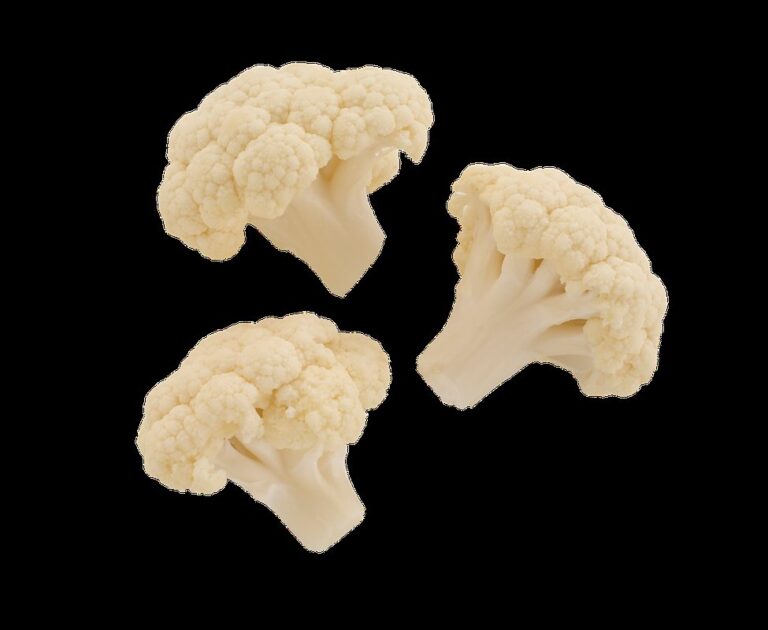
When working with cauliflower curd, you may encounter a range of common issues that can be frustrating to deal with, from texture problems to flavor inconsistencies.
Over-Thickened Curds: Causes and Prevention Strategies
Over-thickened curds can be a frustrating issue when working with cauliflower, but understanding the causes and taking preventative measures can make all the difference. One common mistake that leads to over-thickened curds is using too much acid. This can cause the mixture to become gelatinous and unworkable. On the other hand, not enough moisture can also result in an overly thick consistency.
To adjust recipes for better consistency, it’s essential to strike a balance between acid and moisture. A general rule of thumb is to use 1-2 tablespoons of lemon juice or vinegar per cup of cauliflower. However, this ratio can vary depending on the specific recipe and desired texture. If you find that your curds are consistently too thick, try adding an extra tablespoon of water or replacing some of the acid with a neutral ingredient like oil.
Monitoring the temperature of the mixture is also crucial in preventing over-thickening. Aim for a temperature range between 170°F to 180°F (77°C to 82°C) for optimal gel formation. By paying attention to these factors and making adjustments as needed, you can achieve the perfect consistency for your cauliflower curds.
Under-Thickened Curds: Identifying the Culprits and Solutions
When working with cauliflower curds, it’s not uncommon to encounter issues with under-thickened curds. This can be a frustrating experience, especially if you’re trying to achieve a specific texture for a recipe.
One common culprit behind under-thickened curds is inadequate cooking time or temperature control. If the heat is too low, the starches in the cauliflower won’t break down properly, resulting in a soft and watery consistency. Conversely, cooking the curd at too high a temperature can cause it to scorch on the bottom before the inside has a chance to thicken.
To avoid this issue, ensure you’re using the right cooking technique for your specific recipe. If you’re making a vegan cheese alternative, try cooking the curds over medium heat, stirring frequently, until they reach the desired consistency. Keep in mind that cauliflower curds can be temperamental, and it may take some trial and error to get them just right.
In addition to proper cooking techniques, another factor to consider is the ratio of liquid to solids in your recipe. Too much liquid can dilute the starches in the cauliflower, leading to a thin, unappetizing texture. Experiment with different ratios to find what works best for you and adjust accordingly. By paying attention to these subtleties, you’ll be well on your way to achieving perfectly thickened cauliflower curds every time.
Texture Problems with Cauliflower Curd
You’re likely struggling with cauliflower curd that’s too watery, too grainy, or just plain unappetizing – and we’re here to help you fix those texture problems. In this section, we’ll tackle common issues and their causes.
The Importance of Cauliflower Head Selection for Smoothness
When it comes to achieving smooth cauliflower curd, selecting the right head is crucial. The texture of the final product is heavily influenced by the characteristics of the cauliflower itself. A well-chosen head will have a firm, compact structure with tightly closed florets.
Factors such as moisture content and cell density play significant roles in determining the curd’s texture. Cauliflower heads that are high in water content tend to produce a softer, more prone-to-breakdown curd. On the other hand, dry or mature heads may result in an overcooked or tough final product.
To ensure optimal texture, look for cauliflower heads with compact, dense florets and minimal signs of wilting or yellowing. The ideal head will be heavy for its size, indicating a high moisture content. When storing, keep the head away from direct sunlight to prevent dehydration and potential texture issues during cooking.
Tips for Handling Cauliflower for Optimal Curd Quality
When it comes to achieving optimal curd quality from cauliflower, proper handling is crucial. To minimize damage and preserve texture, start by carefully selecting fresh, compact heads with tightly closed buds. Rinse them under cold running water, gently scrubbing the florets with a vegetable brush to remove any dirt or debris.
Trim the leaves, leaving only about an inch of stem attached to prevent moisture loss during cooking. You can also blanch cauliflower in boiling water for 2-3 minutes to soften the core and improve texture, making it easier to grate or blend later on.
When cooking cauliflower, avoid overcooking, as this will lead to a mushy, unappetizing curd. Steam or sauté instead of boiling, using minimal liquid to prevent sogginess. For example, try roasting cauliflower florets in the oven with olive oil, salt, and pepper for a tender yet firm texture.
To prepare cauliflower for blending into curds, you can also freeze it after blanching to halt the cooking process and preserve nutrients. This will allow you to use frozen cauliflower at a later time without compromising quality.
Separation and Weeping Issues in Cauliflower Curds
We’ve all been there: scooping out a perfectly good cauliflower curd, only to have it separate into watery pools. Let’s tackle the messy issue of separation and weeping in cauliflower curds once and for all!
Understanding the Science Behind Curd Separation and Weeping
When cauliflower curds separate or exhibit weeping, it’s often due to an imbalance of chemical reactions within the curd itself. To understand what’s happening, let’s dive into the science behind this process.
pH levels play a crucial role in determining the stability and structure of the curd. When pH levels drop or rise beyond the ideal range for cauliflower (around 6.5-7.0), enzymes that break down the cell walls become overactive, causing the curd to separate and release excess liquid. This phenomenon is known as weeping.
Moisture content also significantly affects curd stability. If the cauliflower has too high a moisture level, it can cause the curd to soften and collapse, leading to separation and weeping. Conversely, if the curd is too dry, it may become brittle and prone to cracking.
To mitigate this issue, maintain optimal storage conditions for your cauliflower, ensuring a relative humidity of 80-90% and consistent refrigeration temperatures between 32°F and 40°F (0°C and 4°C). Regular monitoring of pH levels through soil testing can also help prevent over- or under-acidification. By balancing these factors, you can promote healthier curd formation and minimize separation and weeping issues.
Strategies for Minimizing Separation and Weeping in Your Cauliflower Curds
To minimize separation and weeping issues in your cauliflower curds, it’s essential to adjust recipes and cooking techniques. Start by paying attention to the water content of your cauliflower. If using fresh cauliflower, make sure it’s been properly drained before incorporating it into your recipe. A general rule of thumb is to use 1 cup of cauliflower florets for every 2 tablespoons of cream cheese or vegan alternative.
Another crucial factor is temperature control. Avoid overheating your mixture, as this can cause the curds to separate and weep excessively. Instead, aim for a lower heat setting and gentle stirring to prevent scorching. You can also try adding a pinch of salt or lemon juice to help stabilize the emulsion and reduce separation.
When blending your cauliflower mixture, use a gentle pulsing motion to avoid over-processing. This will help maintain the delicate structure of the curds. Finally, don’t be afraid to experiment with different ratios of cream cheese to cauliflower – sometimes a slight adjustment can make all the difference in achieving a smooth, creamy texture.
Flavor Problems with Cauliflower Curd
When working with cauliflower curd, flavor problems can arise from improper cooking techniques and inadequate seasoning. We’ll explore these common pitfalls in more detail below.
Causes of Off-Flavors in Cauliflower Curds: Identifying the Culprits
Off-flavors in cauliflower curds can be caused by a variety of factors, but some common culprits are rancid or old ingredients. For example, if you’re using expired or spoiled butter or cheese, it’s likely to impart an unpleasant taste to your curd. Similarly, if you’re using low-quality or unripe vegetables, they may contain high levels of bitterness or astringency that can affect the flavor of the final product.
Incorrect cooking times and temperatures are also common causes of off-flavors in cauliflower curds. If the cauliflower is not cooked enough, it may retain its natural bitterness, while overcooking can lead to a dry, starchy taste. Additionally, if you’re not heating your ingredients to a high enough temperature, bacteria and other microorganisms may not be killed, leading to unpleasant flavors and textures.
Inadequate seasoning is another common mistake that can result in off-flavors. If you’re not using enough salt or other seasonings, the flavor of the curd may come across as bland or unbalanced. To avoid these issues, make sure to check your ingredients regularly for freshness and quality, and follow a tried-and-true recipe to ensure you’re cooking your cauliflower correctly.
Solutions for Enhancing the Flavor of Your Cauliflower Curds
If you’re finding that your cauliflower curds lack flavor, don’t worry – there are many solutions to enhance their taste. One simple yet effective way is to incorporate fresh herbs into the mixture. For example, adding a handful of chopped parsley or dill can add a bright, freshness to your curds. Similarly, sprinkling some grated ginger or garlic on top can introduce an aromatic depth.
Spices also play a significant role in elevating the flavor of cauliflower curds. Experiment with various combinations, such as cumin and coriander for an Indian-inspired taste or smoked paprika for a smoky twist. Additionally, consider pairing your curds with complementary ingredients like caramelized onions, roasted garlic, or sun-dried tomatoes. These additions not only add flavor but also texture and visual appeal.
To take it to the next level, try incorporating umami-rich ingredients such as soy sauce or nutritional yeast. The former adds a savory depth, while the latter imparts a cheesy, nutty taste. Remember, the key is to experiment and find the right balance of flavors for your cauliflower curds.
Troubleshooting Common Issues in Cauliflower Curd Recipes
Let’s tackle those pesky problems that can occur when making cauliflower curd, from grainy textures to separation issues and more.
Analyzing Recipe Factors That Contribute to Problems
When analyzing recipe factors that contribute to problems with cauliflower curd, it’s essential to examine ingredient ratios, cooking methods, and storage conditions. A common issue is an imbalance of liquid to starch ratio, leading to a thin or separated curd. To prevent this, ensure you’re using the right proportions of cauliflower, water, and seasonings.
Cooking methods also play a significant role in achieving the perfect curd. Overcooking can result in a rubbery or unpleasant texture, while undercooking may lead to an unappealing consistency. Opt for gentle heat and regular stirring when cooking the cauliflower mixture. For instance, sautéing the cauliflower before blending it with other ingredients can help break down its fibers, creating a smoother final product.
Proper storage conditions are equally important in maintaining the texture and appearance of your cauliflower curd. Avoid exposing it to direct sunlight or high temperatures, as this can cause spoilage or an unpleasant flavor. Store your curd in an airtight container in the refrigerator at a temperature below 40°F (4°C) for optimal freshness.
By paying attention to these recipe elements, you’ll be well on your way to creating a perfect cauliflower curd with minimal problems.
Practical Advice for Adapting Recipes to Avoid Curd Problems
When adapting recipes to avoid curd problems, it’s essential to identify the underlying causes. Are you using a low-fat cauliflower variety? High water content can lead to separation and curdling. On the other hand, over-processing or overheating can also cause issues.
To troubleshoot, try adjusting the cooking time or temperature, or use a higher fat content cauliflower. Another option is to add xanthan gum or cornstarch as stabilizers. However, be cautious not to overdo it, as this may result in an unpleasant texture.
Consider your kitchen setup too – make sure you’re using the right equipment and tools for the job. A stand mixer can help with gentle mixing and a thermometer ensures precise temperature control.
To give you a better idea, let’s look at some general guidelines for adapting recipes:
* Use a 1:1 ratio when substituting cauliflower varieties
* Adjust cooking time by up to 30% depending on the specific recipe
* Add stabilizers in small increments (start with 0.5%) and adjust to taste
* Monitor temperature closely, keeping it below 160°F (71°C) for optimal results
By following these practical tips and being mindful of potential causes, you can develop a reliable cauliflower curd recipe that yields consistent results.
Best Practices for Making Cauliflower Curds
To avoid common pitfalls, make sure you’re using high-quality cauliflower and following a few simple best practices when creating your cauliflower curd. This includes carefully measuring ingredients.
Expert Tips for Achieving Consistency in Your Cauliflower Curds
Achieving consistency in cauliflower curds is crucial to avoiding common problems like soggy texture and bland flavor. To ensure your curds turn out light and fluffy every time, follow these expert tips.
Firstly, it’s essential to choose the right type of cauliflower for making curds. Look for firm, dense heads with minimal moisture content. This will help prevent excess liquid from seeping into the batter during cooking. Next, make sure to grate or pulse the cauliflower in a way that releases its natural starches evenly. A food processor or box grater works best for this step.
When mixing the curd batter, maintain a consistent ratio of cauliflower to other ingredients like flour, eggs, and seasonings. Aim for a smooth, uniform consistency by blending the mixture thoroughly before adding it to molds or muffin tins. To prevent overmixing, stop blending as soon as the ingredients come together in a cohesive mass.
Lastly, pay attention to cooking temperature and time to achieve perfectly cooked curds. A medium-hot oven (around 375°F) is ideal for baking, while frying requires careful monitoring of oil temperature between 325-350°F. By following these guidelines, you’ll be well on your way to producing consistently delicious cauliflower curds that meet your expectations.
Conclusion: Mastering the Art of Cauliflower Curd Preparation
Mastering the art of cauliflower curd preparation is a game-changer for home cooks and professional chefs alike. By understanding common problems and implementing effective solutions, you can take your cauliflower curd creations to the next level. Throughout this article, we’ve explored various issues that can arise during cauliflower curd preparation, from over-thickened or under-thickened curds to texture problems, separation, and flavor issues.
By now, you should have a solid understanding of what can go wrong and how to troubleshoot these common problems. Remember, consistency is key when it comes to achieving perfect cauliflower curds every time. So, let’s recap the takeaways from this article:
• Understand your ingredients: Choose high-quality cauliflower, use the right type of cheese or plant-based alternative, and measure your liquid carefully.
• Monitor temperature and cooking time: Adjust your heat and cooking time to achieve the ideal consistency for your desired recipe.
• Experiment with ratios: Don’t be afraid to try different ratios of cauliflower to liquid or cheese to liquid to find what works best for you.
By following these guidelines and remaining flexible, you’ll master the art of cauliflower curd preparation in no time.
Frequently Asked Questions
Can I make cauliflower curd ahead of time, or does it need to be made fresh each time?
Making cauliflower curd ahead of time can be done, but it’s essential to note that its texture and consistency may change over time. If you plan to store it for later use, consider making a smaller batch and freezing individual portions. This way, you can thaw only what you need and still achieve optimal results.
How do I identify the culprit behind an under-thickened cauliflower curd?
An under-thickened cauliflower curd is often caused by using too much liquid or not enough acid. To troubleshoot, check your recipe for excessive moisture content or inadequate acidity levels. You can also try reducing the amount of liquid or adding a pinch more salt to balance out the flavors.
What are some common mistakes that lead to separation and weeping issues in cauliflower curds?
Separation and weeping issues often arise from using low-quality or old cauliflower, inadequate handling during preparation, or excessive heat while cooking. To minimize these problems, choose fresh cauliflower heads, handle them gently, and cook at a lower temperature.
Can I use frozen cauliflower for making cauliflower curd, or is it best to use fresh?
While you can use frozen cauliflower for cauliflower curd, the texture and consistency may not be as smooth as with fresh. If using frozen, thaw it first and squeeze out excess moisture before proceeding with the recipe. This will help achieve a better outcome.
What’s the ideal temperature range for cooking cauliflower curds to prevent separation or weeping?
Cooking cauliflower curds at too high a temperature can cause separation or weeping issues. Aim for a gentle heat between 160°F (71°C) and 180°F (82°C). This will help maintain the desired texture and consistency while preventing these common problems.