
Kale has become a staple in many UK gardens, but with so many varieties to choose from, it can be overwhelming for gardeners to decide which one to grow. As a kale enthusiast, you’re likely no stranger to its numerous health benefits and versatility in cooking. But did you know that some kale varieties are better suited to the UK climate than others? In this article, we’ll explore the best kale varieties to grow in your UK garden, including types of lacinato, curly-leaved, and Russian kale. We’ll also provide expert tips on how to grow these superfoods successfully, from sowing and nurturing to pest management and harvesting. Whether you’re a seasoned gardener or just starting out, this guide will help you get the most out of your kale crop and enjoy the best possible yields.
Types of Kale Grown in the UK
Whether you’re a seasoned gardener or just starting out, understanding the different types of kale grown in the UK is essential for cultivating your own crop. In this section, we’ll explore some of the most popular varieties.
Lacinato (Dinosaur) Kale
Lacinato kale is a popular variety known for its unique characteristics and numerous benefits. This type of kale boasts curly, dark green leaves with a distinctive crinkled texture, which sets it apart from other varieties. Its thick stems and robust growth habit make Lacinato kale an ideal choice for growers in the UK, where cooler temperatures can sometimes slow down plant development.
In terms of taste and nutritional value, Lacinato kale is a standout variety. It has a slightly sweeter flavor profile compared to other types of kale, making it a great addition to salads, smoothies, and sautéed dishes. Additionally, this variety is packed with vitamins A, C, and K, as well as minerals like calcium and iron.
To grow Lacinato kale in the UK, choose a location with partial shade and well-draining soil. Sow seeds in late spring or early summer for a summer harvest, or in autumn for a winter crop. With proper care and conditions, this variety can thrive in temperatures as low as 5°C (41°F). Its cold hardiness makes it an excellent choice for UK gardeners who want to enjoy fresh kale throughout the year.
Curly-Leafed Kale
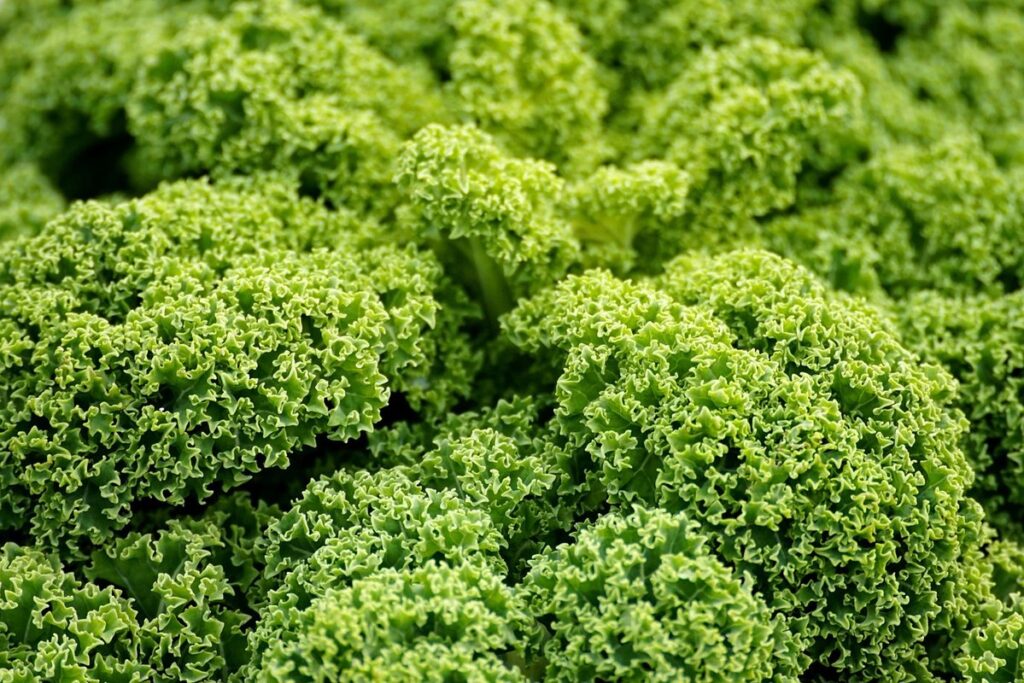
Curly-leafed kale is one of the most widely cultivated and consumed varieties in the UK. Its unique texture and taste make it a favorite among chefs and home cooks alike. The leaves have a delicate crunch and a slightly sweet, earthy flavor that pairs well with a variety of dishes.
In terms of texture, curly-leaved kale has loose, wavy leaves that are easy to tear into smaller pieces for salads or sautéing. This makes it an excellent choice for adding to soups, stews, and casseroles. Its tender stems can also be used in place of traditional celery in many recipes.
One of the biggest advantages of curly-leaved kale is its versatility in cooking. It can be steamed, roasted, sautéed, or added raw to salads. Simply massage the leaves with olive oil, salt, and pepper for a delicious side dish, or add it to smoothies for an extra boost of nutrients.
To get the most out of curly-leaved kale, look for bunches with firm, bright green leaves and no signs of wilted tips. Store them in the refrigerator to keep them fresh for up to five days. With its ease of use and adaptability in cooking, it’s no wonder that curly-leafed kale remains one of the UK’s top choices for home gardeners and professional farmers alike.
Russian Kale
Russian kale is a popular variety among gardeners and chefs alike due to its exceptional hardiness and versatility. This cool-season crop can thrive in the UK’s temperate climate, tolerating light frosts and growing well into the winter months.
One of the standout features of Russian kale is its robust texture, which makes it an excellent choice for adding depth and nutrition to salads. Simply chop or tear the leaves into bite-sized pieces and combine with your favorite fruits, nuts, and cheeses for a refreshing twist on traditional green salads. Alternatively, use Russian kale as a sautéed side dish by cooking it with garlic, lemon juice, and olive oil – its slightly bitter flavor pairs perfectly with rich meats like pork or lamb.
To grow Russian kale in the UK, choose a spot with full sun to partial shade and well-draining soil. Sow seeds from March to May for a summer harvest or from August to October for a winter crop. Regular harvesting will encourage the plant to produce new growth, ensuring a continuous supply of leaves throughout the season.
Other Popular Kale Varieties in the UK
Let’s explore some of the other popular kale varieties you can find in the UK, each with its own unique characteristics and uses. From Lacinato to Red Russian, there’s more to kale than you might think!
Redbor Kale
Redbor kale is a standout variety among the many kale types available in the UK. Its most striking feature is its deep red color, which not only adds to its visual appeal but also hints at its robust flavor profile. If you’re looking for a kale that packs a punch, Redbor is an excellent choice.
One of the key characteristics of Redbor kale is its dense, compact leaves. These are less prone to bolting than other varieties, making them ideal for autumn and winter harvests. The deep red coloration is retained even when the leaves are cooked, adding a pop of color to your salads or sautéed dishes.
Redbor kale has a slightly sweet and earthy flavor, which makes it an excellent addition to soups, stews, and casseroles. It’s also a great choice for cooking methods like braising and roasting, as its dense leaves hold their texture well even when cooked for extended periods. With its impressive flavor and attractive appearance, Redbor kale is sure to become a staple in your kitchen.
Winterbor Kale
If you’re looking for a kale variety that can withstand the harsh UK winters, Winterbor Kale is an excellent choice. This cold-hardy cultivar is specifically bred to thrive in cooler climates, making it an ideal option for UK gardeners. What sets Winterbor apart from other varieties is its remarkable ability to tolerate frost and freeze, allowing it to continue growing well into winter.
One of the standout features of Winterbor Kale is its extended harvest season. While many kale varieties bolt (go to seed) quickly in the cooler months, Winterbor continues to produce large, nutritious leaves right up until the first frosts. This makes it perfect for gardeners who want a steady supply of fresh kale throughout the winter.
In practical terms, this means you can enjoy Winterbor Kale from as early as July and continue harvesting well into November or December. To get the most out of your Winterbor Kale crop, be sure to sow seeds in late spring or early summer, allowing them to mature before the first frosts arrive. This will give you a head start on the harvest season and ensure you can enjoy this delicious variety for as long as possible.
Red Russian Kale
Red Russian kale is a stunning variety that’s sure to add a pop of colour to any dish. Its deep red stems and veins are set against a delicate blue-green leaf, making it a standout choice for those who want to add some visual interest to their cooking. But don’t let its good looks fool you – Red Russian kale packs a punch when it comes to flavour too.
When cooked, the leaves retain a slightly sweet and earthy taste that’s both mild and refreshing. It’s an excellent addition to salads, sautés, and soups, and can even be used as a delicious side dish on its own. One of the best things about Red Russian kale is its adaptability – it can be grown in a variety of conditions, from full sun to partial shade, making it perfect for gardeners with limited space or those who want a low-maintenance crop.
In terms of nutrition, Red Russian kale is just as impressive as other kale varieties. It’s rich in vitamins A and C, as well as minerals like calcium and iron, making it an excellent choice for health-conscious cooks. So why not give Red Russian kale a try? With its striking appearance and delicious taste, it’s sure to become a new favourite in your kitchen.
Heirloom and Heritage Kale Varieties in the UK
If you’re looking for a more traditional kale experience, look no further than our selection of heirloom and heritage varieties that thrive in UK climates. These unique plants offer a taste of history.
Ancient Greek Kale
Ancient Greek kale, also known as ‘Lacinato’ or ‘Dinosaur’ kale, has been a staple in Mediterranean cuisine for centuries. This heirloom variety originated from the ancient Greeks and Romans, who prized it for its unique characteristics and nutritional benefits. The leaves have a deep green color with wavy, curly edges, giving them a distinctive appearance.
One of the key features of Ancient Greek kale is its intense, slightly sweet flavor. It’s also rich in vitamins A, C, and K, as well as minerals like calcium and iron. When grown in ideal conditions, it can produce leaves that reach up to 12 inches in length. Its unique texture makes it perfect for salads, smoothies, or sautéing.
In the UK, you can find Ancient Greek kale in many specialty grocery stores and farmers’ markets during peak season. If you’re looking to grow your own, make sure to choose a spot with full sun and well-draining soil. Sow seeds in early spring or late summer for a bountiful harvest. With proper care, this variety will reward you with a delicious and nutritious crop that’s steeped in history and tradition.
English Shaded Kale
English Shaded Kale is a heritage variety that has been delighting gardeners and cooks alike for centuries. Its delicate flavor profile makes it an excellent choice for those who prefer a milder kale taste. The leaves are characterized by their beautiful, subtle shading, which adds to the plant’s aesthetic appeal in any garden setting.
When growing English Shaded Kale, be sure to provide it with partial shade to prevent scorching of the delicate leaves. This variety prefers well-drained soil and a cool climate, making it an ideal choice for UK growers. It is also relatively low maintenance, requiring minimal pruning and care throughout its growth cycle.
One of the key benefits of English Shaded Kale is its ability to thrive in cooler temperatures, making it an excellent choice for spring and autumn harvests. Its mild flavor and attractive appearance make it a versatile ingredient in salads, smoothies, and sautéed dishes. If you’re looking to add some variety to your kale collection, English Shaded Kale is definitely worth considering.
Cornish Kale
Cornish Kale is one of the most iconic and heritage kale varieties in the UK. This variety has been around for centuries, with its roots tracing back to Cornwall’s rich agricultural history. Cornish Kale is a testament to the region’s commitment to preserving traditional farming practices and showcasing the unique characteristics of British produce.
Its heritage status makes it a favorite among chefs and food enthusiasts who appreciate the nuances of authentic British cuisine. Traditionally, Cornish Kale was used in hearty stews and soups, often paired with locally-sourced ingredients like lamb and potatoes. Its robust flavor and texture made it an essential component of many traditional dishes.
In recent years, Cornish Kale has experienced a resurgence in popularity, thanks to its vibrant green color and nutritional benefits. Growers are now cultivating this variety on a larger scale, making it easier for consumers to get their hands on fresh Cornish Kale. Whether you’re a seasoned cook or a beginner, incorporating Cornish Kale into your recipes is a great way to experience the best of British produce.
When cooking with Cornish Kale, be sure to choose leaves that are firm and have a slightly sweet aroma. Simply sauté it in olive oil with some garlic and lemon juice for a delicious side dish. Its robust flavor makes it an excellent addition to many recipes, from soups to salads.
Growing Kale: Tips for UK Gardeners
If you’re looking to grow kale in your UK garden, don’t worry – we’ve got all the expert tips and advice you need to get started on the right track. From sowing to harvesting, it’s covered here.
Soil and Climate Requirements
When it comes to growing kale in the UK, selecting the right soil and climate conditions is crucial for a bountiful harvest. Kale prefers well-draining, fertile soil that’s rich in organic matter. Test your soil pH level and amend it if necessary, as kale thrives in slightly acidic to neutral soil with a pH between 6.0 and 7.0.
In terms of climate, kale is a cool-season crop that performs best in temperate conditions. It prefers mild winters and cool summers, which makes the UK’s maritime climate ideal for growing. However, be mindful of extreme weather conditions such as frosts, droughts, or excessive rainfall. For optimal growth, choose a spot with full sun to partial shade and ensure good air circulation.
To prepare your soil, start by adding compost or well-rotted manure to improve its structure and fertility. You can also mix in a balanced fertilizer to provide essential nutrients for healthy growth. By choosing the right soil and climate conditions, you’ll be well on your way to growing delicious and nutritious kale in your UK garden.
Sowing and Planting Kale Seeds
When it comes to growing kale from seed, timing and spacing are crucial for a healthy crop. In the UK, where the climate can be unpredictable, sowing and planting kale seeds at the right time is essential.
For spring and summer crops, sow kale seeds indoors 4-6 weeks before the last frost date in your area. Use seed trays or small pots, filling them with a good quality potting compost. Sow the seeds about 1-2cm deep and 1-2cm apart. Once they’ve germinated, transfer them to individual pots or into cells.
For autumn and winter crops, you can sow directly into the ground when the weather cools down. Choose a spot with well-draining soil and full sun to partial shade. Sow the seeds about 1-2cm deep and 30-40cm apart. Thin out the seedlings to 45-60cm as they grow.
Make sure to harden off your seedlings before planting them outside, either directly or in containers. This will prevent shock from sudden changes in temperature and light.
To ensure a successful crop, keep the soil consistently moist during germination and growth stages. You can also use row covers or fleece to protect the plants from frost damage.
Kale Pest and Disease Management
When growing kale in the UK, gardeners often encounter common pests and diseases that can significantly impact yields. One of the most prevalent issues is downy mildew, a fungal disease caused by Peronospora parasitica. This airborne pathogen thrives in cool, humid conditions, often resulting in yellowing leaves and white patches on the undersides.
Regularly inspect your kale plants for signs of infection and remove affected areas promptly to prevent further spread. Maintain good air circulation around the plants and ensure soil is well-draining to discourage moisture accumulation.
In addition to downy mildew, slugs and snails are notorious pests that feed on kale leaves at night. Use organic control methods like copper tape or crushed eggshells around plant bases to deter them. Hand-picking or using beer traps can also be effective in controlling populations.
To prevent infestations, adopt a crop rotation strategy, avoiding planting kale in the same spot for multiple seasons. This breaks the disease cycle and reduces the likelihood of pests returning.
Frequently Asked Questions
How do I know which kale variety is best suited to my UK garden’s microclimate?
Choose a kale variety that matches your local climate zone. For example, if you live in a cooler area like Scotland or Northern England, Lacinato (Dinosaur) Kale or Russian Kale might be better options due to their robust growth habit and tolerance for frost.
Can I grow kale indoors using containers, and if so, what are the key considerations?
Yes. Growing kale indoors in containers is possible, but ensure good air circulation and adequate light (at least 4-6 hours of direct sunlight or supplemental lighting). Use a well-draining potting mix and maintain temperatures between 15-20°C (59-68°F) for optimal growth.
How do I prevent pests like aphids and slugs from damaging my kale crop?
Use organic pest control methods whenever possible. For aphid infestations, spray with soapy water or neem oil solution. To deter slugs, use copper tape around plant stems or create a beer trap to lure them away.
Can I grow kale year-round in the UK, and if not, how do I plan for succession planting?
No, kale is a cool-season crop and typically does best during spring and autumn periods when temperatures are cooler. Plan for succession planting by sowing new seeds every 2-3 weeks to ensure a continuous harvest throughout the growing season.
How do I store harvested kale to keep it fresh for as long as possible?
Store harvested kale in a sealed container or plastic bag, keeping it refrigerated at a consistent temperature below 5°C (41°F). Use within 3-5 days for optimal flavor and texture. Freeze for longer storage by blanching the leaves first to preserve nutrients and color.