
Growing melons outdoors in the UK can be a challenging yet rewarding experience. If you’re new to gardening or just looking for ways to boost your harvest, choosing the right variety is crucial. Some melon varieties thrive in cooler climates, but others may struggle with our unpredictable weather. In this article, we’ll take a closer look at how to grow delicious and healthy melons outdoors in the UK. We’ll cover everything from selecting the perfect melon variety for our climate to tips on harvesting and storing your crop to ensure it lasts throughout the summer months. Whether you’re a seasoned gardener or just starting out, this guide will help you get the most out of your melon-growing experience and enjoy a bountiful harvest all season long.
Choosing the Right Melon Variety for Your Climate
When selecting a melon variety, it’s crucial to choose one that thrives in your specific UK climate and weather conditions. Let’s explore the best options together.
Understanding Melon Classification and Hardiness
When it comes to growing melons outdoors in the UK climate, understanding their classification and hardiness is crucial for success. Melons are divided into several species, with Cucumis melo being one of the most popular varieties used for outdoor cultivation. However, other species like Cucurbita pepo, which includes zucchini and acorn squash, can also be grown in temperate climates.
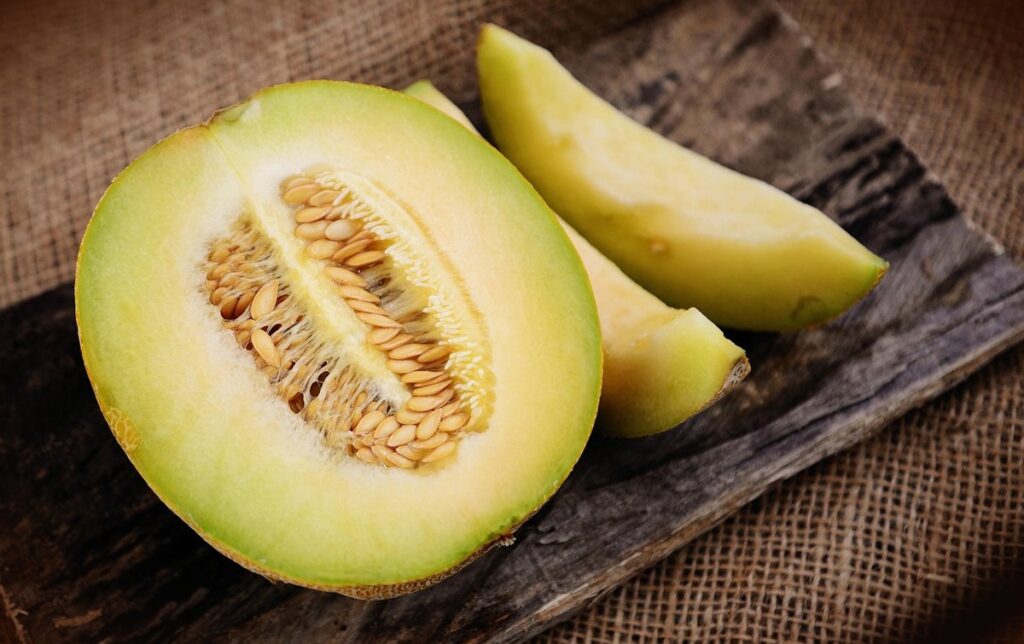
For UK growers, it’s essential to focus on melon species that are hardy enough to withstand cooler temperatures and occasional frosts. Cucumis melo varieties such as ‘Galia’ and ‘Canari’ are known for their excellent hardiness and disease resistance, making them ideal choices for outdoor growth in the UK. These varieties typically have a shorter maturation period (around 70-80 days) and can thrive in temperatures as low as 5°C (41°F).
When selecting melon varieties for your garden, look for those that are specifically bred for cooler climates or have natural hardiness traits. Some popular options include ‘Earli-Glow’, ‘Yellow Canary’, and ‘Tiffany’. By choosing the right variety for your climate, you’ll be well on your way to enjoying a bountiful harvest of delicious melons outdoors in the UK.
Selecting Melons That Thrive in Cooler Temperatures
When selecting melons for cooler climates like the UK, it’s essential to choose varieties that can tolerate temperatures below 10°C (50°F). One popular option is the ‘Earli-Glow’ watermelon, which has a relatively low chill hour requirement of just 20 hours. This makes it an excellent choice for UK gardeners who want to grow melons in cooler summers.
Another variety worth considering is the ‘Crimson Sweet’ cantaloupe, which has a more forgiving temperature range and can tolerate light frosts. These melons typically require around 40 chill hours to mature, making them a good option for areas with slightly warmer microclimates.
When selecting these varieties, be sure to look for plants with compact growth habits and dense foliage, as these will help protect the fruit from cold temperatures. By choosing melon varieties that can thrive in cooler conditions, you’ll be well on your way to growing delicious, homegrown melons even in the UK’s temperate climate.
Preparing Your Garden for Melon Growth
Before you start planting your melon seeds, it’s essential to prepare your garden for optimal growth by considering factors like soil quality and sunlight exposure. Let’s get started on creating a perfect environment for your melons!
Creating a Suitable Soil Environment
When growing melons outdoors in the UK, creating a suitable soil environment is crucial for their optimal growth and flavor. Melons thrive in well-draining soils with a pH level between 6.0 and 6.8. The ideal range may vary slightly depending on the specific melon variety, but it’s essential to test your soil pH regularly.
To achieve this balance, you can incorporate organic matter like compost or manure into your soil. This not only improves drainage but also provides essential nutrients for your melons. Aim for a mix that contains 2-3% nitrogen, 1-2% phosphorus, and 0.5-1% potassium.
Drainage is critical in the UK’s cool climate, as waterlogged soils can lead to root rot and reduced fruit quality. Add perlite or sand to improve soil structure if you notice slow drainage. Mulching around plants also helps retain moisture while preventing soil compaction.
Before planting, test your soil for nutrient deficiencies using a DIY kit or consult with a local gardening expert. Based on the results, amend your soil accordingly to give your melons the best chance of success. Regular monitoring will ensure your soil environment remains suitable throughout the growing season.
Providing Adequate Space and Support
When growing melons outdoors in the UK, it’s essential to provide adequate space and support for them to thrive. Melon plants can spread quite far, so make sure you’ve allocated sufficient room for each plant.
For smaller varieties, a spacing of 1-2 meters (3-6 feet) between each plant is recommended. However, if you’re growing larger melons like watermelon or cantaloupe, give them at least 2-3 meters (6-9 feet) of space to prevent overcrowding and promote healthy growth.
To maximize yields and make the most of your garden’s vertical space, consider training your melon plants to grow vertically. You can use trellises, arbors, or even a simple wooden stake to provide support for the vines. This will not only keep the fruit off the ground but also encourage more vigorous growth and production.
For horizontal growth, you can create a raised bed with a solid bottom to prevent the fruit from rolling away or getting damaged by pests like slugs and snails. Make sure the soil is well-draining and rich in nutrients to support healthy root development.
Planting and Sowing Melon Seeds in the UK
To successfully grow melons outdoors in the UK, you’ll need to understand how to plant and sow their seeds at the right time for your region’s climate. Let’s take a closer look at this crucial step.
Understanding the Best Time for Planting
When it comes to planting melon seeds outdoors in the UK, timing is everything. To ensure a bountiful harvest, you’ll want to plant at the optimal time, taking into account factors such as last frost dates, soil temperature, and daylight hours.
In the UK, the average last frost date varies depending on your region. For example, if you’re in the south of England, you can expect the last frost around late April or early May, while those in the north may not see their last frost until mid-May. This is crucial when deciding when to plant melon seeds.
As a general rule, wait until the soil temperature has reached at least 15°C (59°F) before planting. You can check the soil temperature using a thermometer or by checking online forecasts. For melons, you’ll want to aim for around 20-25°C (68-77°F) for optimal germination.
In terms of daylight hours, most melon varieties require at least 6 hours of direct sunlight per day. While this may not be an issue in the UK’s long summer days, it’s essential to consider this factor when selecting a variety and planning your planting schedule.
Techniques for Sowing Melon Seeds
When it comes to sowing melon seeds outdoors in the UK, you have several techniques at your disposal. Direct sowing is a popular method, where you sow the seeds directly into the prepared soil. This approach can be effective, but it requires careful planning and attention to detail.
To direct sow melon seeds, choose a spot with full sun and well-draining soil. Sow 2-3 seeds per station, about 1 inch deep and 6 inches apart. Keep the soil consistently moist during the germination period, which typically takes around 7-10 days. Once the seedlings have two sets of leaves, thin them out to the strongest plant.
Alternatively, you can use the transplanting method, where you start the seeds indoors in pots or seed trays and then transfer them outside when they’re about 2-3 inches tall. This approach gives the seedlings a head start on the growing season and can result in faster germination rates.
Hydroponics is another innovative method that’s gaining popularity among gardeners. By using a nutrient-rich solution rather than soil, you can optimize water and nutrient delivery to your melon plants. This technique requires specialized equipment and expertise, but it can be particularly effective for growing melons in containers or small spaces.
Caring for Your Melon Crop: Pest Management, Watering, and Fertilization
To grow a healthy and thriving melon crop outdoors in the UK, it’s essential to manage pests, water, and fertilize correctly. Let’s dive into the details of caring for your melons.
Managing Common Melon Pests in the UK
When growing melons outdoors in the UK, it’s essential to be aware of common pests that can damage your crop. One of the most prevalent issues is aphids, which can cause curled and distorted leaves, stunted growth, and a weakened plant. These tiny insects are usually found on new shoots and leaves, especially during the warmer months.
Slugs and snails are another significant threat to melon crops in the UK. They tend to be active at night and feed on leaves, stems, and fruit, causing significant damage. To prevent infestations, use copper tape or crushed eggshells around plant bases to deter them. Organic pest control methods include introducing beneficial insects like ladybugs and lacewings, which prey on aphids.
To manage these pests effectively, adopt an integrated approach by combining physical barriers, organic sprays, and biological controls. For example, apply neem oil or insecticidal soap to affected areas, but be sure to follow label instructions for safe use. Monitor your plants regularly and take swift action at the first sign of pest activity to prevent damage and maintain a healthy crop.
Optimizing Watering and Nutrient Delivery
When it comes to optimizing watering and nutrient delivery for your melon crop, it’s essential to strike a balance between providing enough moisture and nutrients while avoiding over-supply. In the UK climate, where rainfall can be unpredictable, irrigation techniques play a crucial role.
Aim to provide about 1-2 inches of water per week, either through rain or irrigation. To achieve this, use soaker hoses or drip irrigation systems that deliver water directly to the roots, minimizing evaporation and runoff. Avoid overhead sprinklers, which can lead to fungal diseases and wasted water.
Nutrient deficiencies are common in melon crops due to UK’s cool and temperate climate. Be aware of potential issues like potassium (K) deficiency, which can cause yellowing leaves and reduced fruit growth. Consider getting your soil tested to identify any nutrient imbalances. Use organic fertilizers or compost tea to provide a slow release of nutrients, promoting healthy plant growth and minimizing environmental impact.
Monitor your plants regularly for signs of nutrient deficiencies, such as yellowing leaves, stunted growth, or poor fruit set. Adjust your watering and fertilization schedule accordingly, taking into account the specific needs of your melon variety.
Encouraging Healthy Melon Growth Through Pruning and Training
Regular pruning and training are crucial steps in encouraging healthy melon growth, helping to optimize yields and prevent disease. Let’s explore how to do this effectively for your UK outdoor garden.
The Importance of Regular Pruning
Regular pruning is an essential aspect of melon cultivation that often gets overlooked. However, it plays a vital role in promoting healthy growth, improving fruit quality, and preventing disease spread in melon plants. When you prune your melons regularly, you encourage the plant to focus its energy on producing high-quality fruits rather than developing woody stems.
For example, if you’re growing cantaloupe or honeydew melons, removing any weak or damaged shoots can help prevent the spread of fungal diseases like powdery mildew. This is particularly important in the UK’s temperate climate where disease pressures are higher.
When pruning your melon plants, remember to remove any dead, diseased, or damaged leaves and stems as soon as you spot them. Use clean, sharp tools to avoid spreading diseases, and always disinfect your equipment between cuts. Aim to prune at least once a week during the growing season to keep your plant healthy and thriving.
By incorporating regular pruning into your melon-growing routine, you’ll be rewarded with healthier, more productive plants that yield delicious, disease-free fruits.
Techniques for Shaping Melon Vines and Maximizing Yield
When it comes to growing melons outdoors in the UK, training and pruning are crucial steps to maximize yields. To shape your melon vines and make the most of your harvest, you can use various techniques to train them to climb or grow horizontally.
One effective way to do this is by providing a trellis for your melons to cling onto. This not only saves space but also allows for better air circulation around the fruit, reducing the risk of fungal diseases. You can use a freestanding trellis or attach it to a fence, making sure the structure is sturdy enough to support the weight of mature melons.
Alternatively, you can use stakes to provide vertical support for your melon vines. This method is particularly useful if you have limited space and want to grow multiple varieties together. Simply drive the stake into the ground near the plant and tie the vine to it using twine or a soft clip. As the fruit grows, gently secure it to the stake with ties to prevent damage from wind or pests.
Remember, the key is to be gentle when handling your melon vines, as rough handling can cause bruising and reduce yields. By providing the right support systems and training your melons to grow in a specific direction, you’ll be well on your way to enjoying a bountiful harvest of delicious, homegrown melons.
Harvesting and Storing Your Melon Crop
Now that your melons are ripe and ready, it’s time to learn how to harvest them safely and store them properly to enjoy their sweet flavor all year round. We’ll walk you through the best techniques for handling your crop.
Identifying the Optimal Maturity Time
Identifying the optimal maturity time for your melons is crucial to ensure you’re harvesting them at their peak sweetness and flavor. A ripe melon will typically display a few key signs. First, take a look at the rind color – a ripe melon’s skin will have transformed from a pale green to a warm yellow or orange hue, depending on the variety.
The netting appearance is another vital indicator of ripeness. As your melon grows, its surface will develop a network of fine wrinkles and creases, often resembling a mesh pattern. This process can be quite subtle, so keep an eye out for it as your fruit ripens.
To confirm the optimal maturity time without causing damage to the fruit, gently press the skin around the stem end with your thumb. A ripe melon will yield slightly to pressure but still feel firm enough to handle. Be cautious not to squeeze too hard, as this can cause bruising or even break the skin.
Post-Harvest Care: Storage Methods and Shelf Life Expectations
Once you’ve harvested your melons, it’s essential to store them properly to prolong their shelf life. The storage conditions will depend on the type of melon and its desired ripening stage. For instance, watermelons can be stored at room temperature (around 15-20°C) for up to two weeks, while muskmelons prefer a slightly cooler environment (10-15°C).
To maintain optimal humidity levels, store your melons away from direct sunlight and heat sources. A well-ventilated area with moderate humidity will help prevent moisture buildup and spoilage. You can also place the melons in a paper bag or wrap them in a breathable cloth to regulate temperature and humidity.
It’s worth noting that muskmelons are more sensitive to ethylene gas, which accelerates ripening. To slow down this process, store them separately from other fruits, as they release their own ethylene gas during ripening. By following these simple storage guidelines, you’ll be able to enjoy your homegrown melons for a longer period.
Typically, a ripe melon will last for around 7-10 days when stored correctly. Monitor their condition regularly and discard any that show signs of decay or spoilage.
Troubleshooting Common Melon Growing Issues in the UK
Don’t worry if your melons aren’t thriving, we’ve got you covered. In this next part of our guide, we’ll tackle common problems and offer solutions to help you overcome them.
Overcoming Climate-Related Challenges
When growing melons outdoors in the UK, you’re likely to face climate-related challenges. The British weather is notorious for its unpredictability, with temperature fluctuations and precipitation patterns that can either make or break your crop.
To overcome these hurdles, it’s essential to adapt your cultivation strategy accordingly. Start by selecting melon varieties that are bred specifically for cooler climates or have a shorter maturation period. These will be more resilient to the UK’s typical temperature dips and won’t get damaged as easily during periods of frost.
Another key consideration is protecting your plants from extreme weather conditions. Use row covers or cold frames to shield your melons from frost damage, and ensure that they receive adequate sunlight by positioning them in a south-facing spot. By being proactive about these precautions, you’ll be able to maintain a healthy crop despite the UK’s unpredictable climate.
In terms of precipitation patterns, consider installing a drip irrigation system to deliver water directly to the roots of your melons. This not only saves water but also reduces soil erosion and runoff.
Addressing Soil-Borne Diseases and Nutrient Deficiencies
Soil-borne diseases and nutrient deficiencies can significantly impact your melon crop’s health and productivity. In the UK, some common soil-borne diseases affecting melons include powdery mildew and fusarium wilt. These pathogens thrive in warm, humid conditions, which are often prevalent during the UK’s summer months.
To address these issues, it’s essential to focus on improving your soil’s overall health. Start by conducting a soil test to determine its pH level and nutrient content. Based on the results, amend your soil with organic matter such as compost or well-rotted manure. This will help improve drainage, increase nutrient availability, and support beneficial microbial activity.
Some specific nutrients that are often lacking in UK soils include calcium and magnesium. These minerals play a crucial role in maintaining plant cell walls and promoting healthy growth. To address deficiencies, incorporate lime to raise your soil’s pH level and promote calcium uptake. Additionally, use fertilizers or sprays containing magnesium sulfate to provide an immediate boost. By implementing these strategies, you can create a more resilient and disease-resistant melon crop that thrives in the UK’s climate.
Frequently Asked Questions
What are some common mistakes to avoid when selecting a melon variety for outdoor growth in the UK?
When choosing a melon variety, be cautious of varieties that may not be specifically bred for cooler climates or have high water requirements. For instance, some popular melon varieties like ‘Galía’ and ‘Galia’ can struggle with our unpredictable weather conditions. Instead, focus on varieties like ‘Orange Smoothie’ and ‘Earl Grey’, which are known to perform well in temperate climates.
How do I identify if my melon crop is suffering from nutrient deficiencies?
Keep an eye out for signs of nutrient deficiency such as yellowing leaves or stunted growth. Regularly check the soil pH and adjust it accordingly. Also, monitor your plants’ water requirements and ensure they are receiving sufficient nutrients through balanced fertilization. Common nutrient deficiencies include nitrogen (yellowing leaves), potassium (discoloration on fruit), and magnesium (leaf curl).
Can I grow melons in containers or do they require extensive garden space?
While traditional gardening provides ample space for melon vines to spread out, you can also successfully grow them in containers. Select a large enough container with good drainage and a suitable soil mix that is rich in organic matter. Ensure the pot has at least 3-4 square feet of surface area to accommodate the melon vines.
What are some natural methods for managing common melon pests like aphids, whiteflies, and spider mites?
To manage these pests, adopt integrated pest management (IPM) strategies that incorporate physical barriers, cultural controls, and biological controls. For example, introduce beneficial insects like ladybugs or lacewings to prey on aphid populations. Use row covers to prevent flies from laying eggs on melon plants.
At what temperature can I expect my melon crop to mature?
Typically, melons require a minimum of 60-65°F (15-18°C) for optimal growth and fruit development. However, the exact temperature for maturity will depend on the specific variety you are growing. Be prepared to harvest your melons when the rind is fully colored, the stem end is dry, and the netting or reticulation appears. For most UK varieties, this should occur around 90-120 days after sowing.