
Are you tired of feeling like your cucumber plants are being held back by their own growth? Pruning is an essential part of keeping these versatile veggies healthy, productive, and resistant to disease. However, many gardeners struggle with knowing when and how to prune cucumbers effectively.
As it turns out, pruning isn’t just about cutting off a few stray leaves – it’s a delicate art that requires the right tools, timing, and techniques to get maximum benefits. In this article, we’ll dive into the world of cucumber pruning, covering everything from basic tools and safety precautions to common mistakes to avoid and expert tips for improving growth, increasing yields, and reducing disease risk. Whether you’re a seasoned gardener or just starting out, our comprehensive guide will help you become a pro at pruning cucumbers in no time!
Benefits of Pruning Cucumbers
Pruning cucumbers can have a significant impact on their productivity and overall health, leading to more abundant harvests and healthier plants. Let’s explore these benefits together.
Why Prune Cucumbers at All
Pruning is an essential part of cucumber care that’s often overlooked by gardeners. However, it plays a crucial role in promoting healthy growth and maximizing yields. One of the primary reasons to prune cucumbers is to improve air circulation around the plants. When left unpruned, cucumber vines can become dense and compact, creating an environment where diseases thrive. Fungal infections such as powdery mildew and downy mildew can spread rapidly in these conditions.
Regular pruning helps to thin out the foliage, allowing for better airflow and reducing the risk of disease. By cutting back the longest stems and removing weak or spindly growth, you’ll also encourage the plant to focus its energy on producing more fruit. This attention to detail can lead to a significant increase in yields – some gardeners have reported up to 20% more cucumbers when pruning is done regularly.
To get the most out of your cucumber plants, prune them every week or two during peak growing season.
Identifying the Right Time to Prune
Pruning cucumbers at the right time is crucial for their overall health and productivity. When it comes to seedlings, wait until they have 2-3 sets of leaves before pruning. This allows them to establish a strong root system and develop essential nutrients. Prune back about one-third of the stem to encourage bushy growth and prevent the plant from becoming leggy.
For mature plants, prune regularly throughout the growing season. Remove any weak or spindly growth, and trim back the tips of the main stems to promote branching. This will not only improve air circulation but also increase fruit production. Prune in the morning, when the plant is at its highest water content, making it easier to make clean cuts.
Pruning during specific growth stages can also be beneficial. For example, pruning after harvesting a batch of cucumbers will encourage new growth and prevent the plant from becoming stressed. Pruning before a heatwave or period of drought can help the plant conserve energy and resources. By timing your prunes correctly, you’ll ensure your cucumber plants remain healthy, productive, and thriving throughout their growing season.
Tools and Techniques for Cucumber Pruning
To get the most out of your cucumber plants, you’ll need the right tools and techniques to prune them effectively, which we’ll cover next. This includes choosing the best pruning shears and learning how to properly train your cucumbers.
Choosing the Right Pruning Tools
When it comes to choosing the right pruning tools for cutting and training your cucumbers, having the right equipment can make all the difference. You’ll want to select tools that are designed for precision, durability, and comfort.
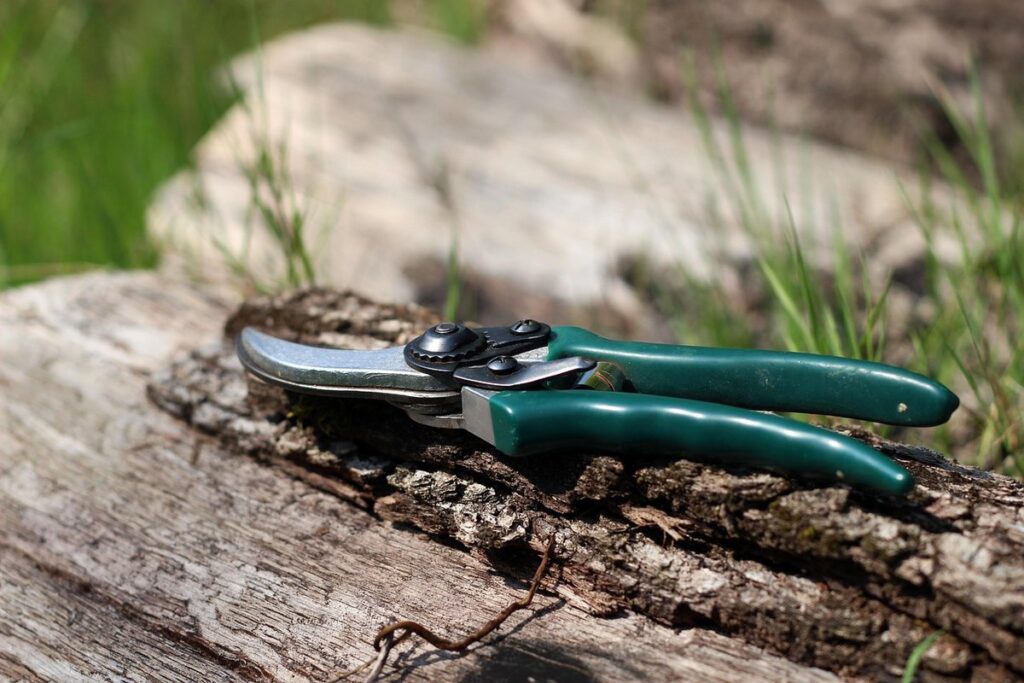
Hand pruners are ideal for making small cuts on individual vines or stems. They’re great for removing weak growth, pinching off flower buds, or shaping the plant’s overall structure. Look for hand pruners with sharp blades and comfortable grips.
Loppers are better suited for thicker stems, allowing you to make clean cuts without having to resort to pruning saws. They come in various lengths, so choose a pair that feels balanced in your hands.
Knives can be used as a last resort or for more severe pruning tasks, but be careful not to damage the plant’s tissue with a dull blade. When using knives, always make clean cuts just above a node (the joint where a leaf meets the stem).
Remember to sanitize your tools regularly to prevent the spread of disease and ensure healthy growth.
Correct Pruning Technique for Cucumbers
Proper pruning is essential for promoting healthy growth, increasing yields, and preventing disease in cucumber plants. To prune cucumbers correctly, start by removing the lower leaves to prevent moisture from accumulating on the stems, which can lead to fungal diseases like powdery mildew.
To remove lower leaves, cut them off at a 45-degree angle about an inch above a leaf node using sharp, clean pruning shears or a garden knife. This will help direct the plant’s energy towards producing fruit rather than foliage. Be sure to make clean cuts and avoid tearing the stem, which can damage the plant.
Next, thin out the fruiting branches by removing weaker growths to allow more sunlight and air circulation around the remaining fruits. Remove weak or spindly stems, and any that are growing inwards towards the center of the plant. This will encourage the plant to produce more vigorous, fruit-bearing branches.
By controlling vine growth through regular pruning, you can promote a healthier, more productive cucumber plant.
How to Prune Different Types of Cucumbers
When pruning cucumbers, it’s essential to know the unique needs of different varieties, from slicing and pickling types to compact bush and vining cukes. Let’s explore their specific pruning requirements together.
Pruning Slicing Cucumbers
When pruning slicing cucumbers, it’s essential to promote straight growth, increase yields, and prevent disease. To achieve this, focus on removing the vine’s lateral branches that produce leaves and side shoots, allowing the main stem to grow upwards.
This technique is called “top-training,” and it encourages the plant to develop a central leader, which promotes better fruiting and more efficient use of nutrients. You can also prune the tips of the lateral branches to control their length and encourage them to bush outwards, producing more leaves and fruits.
To increase yields, make sure to leave at least three sets of leaves on each branch, allowing the plant to focus its energy on producing fruit rather than foliage. Regularly inspect your plants for signs of disease like powdery mildew or bacterial leaf spot, and remove any affected areas immediately to prevent the issue from spreading.
By following these pruning techniques, you can enjoy a bountiful harvest of straight, healthy slicing cucumbers.
Pruning Pickling Cucumbers
When pruning pickling cucumbers, your goal is to maximize production of smaller fruit and reduce overall plant size. To achieve this, you’ll want to focus on encouraging the plant to produce more lateral growth, which will result in a higher yield of uniform-sized cucumbers.
To promote lateral growth, pinch off the tips of the main stems when they reach about 12 inches tall. This technique is called “tip pruning” and it will encourage the plant to focus its energy on producing side shoots rather than growing taller. Make sure to remove any weak or spindly growth that may be competing with your desired fruiting branches.
You can also use a technique called “pinching” by removing the top pair of leaves from each main stem, about an inch below a node (where a leaf meets the stem). This will help redirect energy towards producing more cucumbers. Additionally, remove any flowers that appear early on in the plant’s growth cycle to focus its energy on developing the rest of the plant and future fruiting potential.
Common Mistakes to Avoid When Pruning Cucumbers
When pruning cucumbers, it’s easy to make mistakes that can hinder growth and affect your harvest. This section will cover the most common errors to watch out for in your pruning practice.
Over-Pruning: A Recipe for Disaster
Over-pruning your cucumber plants can be a recipe for disaster. When you remove too much foliage, you’re essentially stripping the plant of its ability to produce energy through photosynthesis. This can lead to reduced yields, as the plant’s focus shifts from fruit production to trying to recover from the pruning.
Reduced yields are just the beginning. Over-pruning can also cause significant stress to your cucumber plants, making them more susceptible to pests and diseases. This is because a stressed plant is less able to defend itself against external threats, leaving it vulnerable to attack.
In addition to reduced yields and increased stress, over-pruning can also lead to decreased plant vigor. As the plant struggles to recover from excessive pruning, its overall health begins to decline. This can result in weakened stems, fewer flowers, and ultimately, a smaller harvest. It’s essential to prune your cucumber plants judiciously, removing only what is necessary to promote healthy growth and encourage fruiting.
Under-Pruning: Missing Opportunities
Under-pruning cucumber plants can lead to several issues that may compromise their health and productivity. When you don’t prune enough, the plant’s growth becomes uncontrolled, leading to a dense foliage that hinders air circulation around individual fruits. This creates an ideal environment for fungal diseases like powdery mildew and downy mildew to develop.
Furthermore, overgrown plants are more susceptible to pests such as aphids, whiteflies, and spider mites. These insects feed on the plant’s sap, weakening its defenses and causing curled or distorted leaves. In severe cases, under-pruning can lead to reduced fruit production, lower yields, and a higher risk of fruit rot.
To avoid these risks, it’s essential to prune your cucumber plants regularly, removing any weak growth, damaged leaves, and excessive foliage that blocks sunlight from reaching the fruits. By maintaining a balanced canopy, you’ll ensure proper air circulation, promote healthy growth, and reduce the likelihood of disease outbreaks. Regular pruning also encourages fruiting nodes to develop along the plant’s main stem, leading to more abundant harvests.
Additional Tips for Success with Cucumber Pruning
Now that you’ve learned the basics of cucumber pruning, let’s dive into some extra tips and techniques to take your cucumber game to the next level.
Companion Planting for Optimal Growth
When it comes to growing cucumbers, companion planting is an often-overlooked technique that can have a significant impact on their health and productivity. By selecting the right plants to grow alongside your cucumbers, you can create a beneficial relationship between them, leading to improved growth, reduced pests, and increased yields.
Some of the best companion plants for cucumbers include basil, mint, and nasturtiums. These plants repel aphids, whiteflies, and other pests that can damage cucumber leaves and fruit. For example, basil is a natural repellent for spider mites, which can cause yellowing leaves and stunted growth on cucumbers.
To incorporate companion planting into your cucumber pruning routine, start by selecting a few companion plants to grow alongside your cucumbers. Choose varieties that have similar growing conditions and space requirements to avoid overcrowding. Plant them at the same time as your cucumbers or after they’ve established themselves. With a little planning, you can create a harmonious garden ecosystem that supports optimal growth and health in your cucumber plants.
Integrated Pest Management (IPM) Techniques
When it comes to maintaining a healthy cucumber crop, Integrated Pest Management (IPM) is a crucial approach that incorporates pruning as a tool for managing pests, diseases, and weeds. By adopting an IPM strategy, you’ll be able to minimize the use of chemical pesticides, maintain soil quality, and promote biodiversity in your garden.
To implement IPM through pruning, start by removing any weak or diseased plant growth. This will help prevent the spread of disease and reduce the risk of pests. For example, if you notice aphid colonies on your cucumber plants, prune off any infested areas to control the population.
Regular pruning also helps maintain air circulation around the plants, which can prevent fungal diseases like powdery mildew from taking hold. By pruning your cucumbers regularly, you’ll be able to:
* Remove weeds that compete with your crop for water and nutrients
* Promote healthy growth patterns and encourage fruiting
* Reduce the risk of pests and diseases by removing potential habitats
Remember to prune carefully, as over-pruning can stress the plants and make them more vulnerable to disease. By combining pruning techniques with other IPM strategies, such as using physical barriers or introducing beneficial insects, you’ll be able to create a balanced and resilient ecosystem in your garden.
Frequently Asked Questions about Cucumber Pruning
We’ve anticipated some common questions you might have about cucumber pruning, and we’re happy to address them here to help you grow the best cucumbers possible. Check out our answers below.
Common Questions Answered
We’ve tackled the basics of cucumber pruning, but we know you still have questions. Let’s dive into some frequently asked questions and get to the bottom line.
How often should I prune my cucumbers? The answer is simple: it depends on what you’re trying to achieve. If you want to promote bushy growth and more fruiting, prune your cucumber plants regularly – every 7-10 days during peak season. However, if you’re aiming for a trellis-trained or single-stemmed plant, prune only when necessary.
Speaking of pruning tools, what’s the best option? For most pruning tasks, a good quality pair of scissors or pruning shears will do the job. If you have thicker stems to tackle, consider investing in loppers or even a pruning saw for larger branches. Keep your tools clean and sterilized between cuts to prevent the spread of disease.
When can I expect to see results from my pruning efforts? The truth is, you’ll start seeing improvements within a week or two after pruning. As new growth emerges, you may notice an increase in fruit production, improved air circulation, and even better resistance to pests and diseases.
Another concern we’ve heard is how to prune cucumber plants that have already produced flowers and fruit. Don’t worry – it’s not too late! Prune your plant back by about one-third to promote new growth, and be sure to remove any weak or spindly stems. This will direct the plant’s energy towards producing more fruit.
As a general rule of thumb, prune your cucumbers in the morning when they’re at their most turgid. This makes it easier to see what you’re doing and reduces the risk of spreading disease through pruning wounds.
By following these simple tips and addressing common questions head-on, you’ll be well on your way to mastering the art of cucumber pruning. Happy growing!
Frequently Asked Questions
Can I Prune Cucumbers While They’re Still Producing Fruit?
Yes, pruning cucumbers while they’re still producing fruit is a great way to maintain their health and encourage continued growth. In fact, regular pruning can help increase yields by promoting air circulation and preventing disease. Just be sure to remove any weak or spindly growths that may be competing with the main vines for resources.
What Happens If I Don’t Prune My Cucumber Plants at All?
If you don’t prune your cucumber plants, they may become too dense and compact, creating an environment where diseases like powdery mildew and downy mildew can thrive. This can lead to reduced yields, weak growth, and even plant death. Regular pruning is essential for maintaining the health and productivity of your cucumber crop.
Can I Use a Regular Gardening Knife to Prune Cucumbers?
While a regular gardening knife can be used for pruning cucumbers in a pinch, it’s not the best tool for the job. A pair of clean, sharp pruners or loppers specifically designed for cutting through thick plant stems is ideal. This will help prevent spreading disease and make the pruning process much easier.
How Often Should I Prune My Cucumber Plants?
The frequency of pruning depends on the specific needs of your plants. As a general rule, prune cucumber vines when they reach about 6 feet tall or when you notice a significant increase in leaf density. Regular maintenance pruning can help keep your plants healthy and productive throughout the growing season.
What Are Some Common Signs That My Cucumber Plants Need Pruning?
Some common signs that your cucumber plants need pruning include an overabundance of leaves, a lack of sunlight penetration due to dense foliage, or evidence of pests or diseases like aphids, whiteflies, or fungal infections. Regular inspection and pruning can help prevent these issues from getting out of hand.