
Are you one of those people who think “coriander” and “cilantro” are just different names for the same thing? Think again! While both belong to the same family of plants, they have distinct flavor profiles, nutritional values, and uses in various cuisines around the world. In this article, we’ll delve into the surprising differences between coriander seeds and cilantro leaves. We’ll explore their unique characteristics, from the earthy warmth of coriander seeds to the citrusy zing of cilantro leaves. You’ll learn how to use each one in cooking, from adding depth to curries with coriander seeds to elevating Mexican dishes with fresh cilantro. Whether you’re a seasoned cook or just starting out, this article will help you navigate the world of coriander vs cilantro and unlock new flavors in your kitchen.
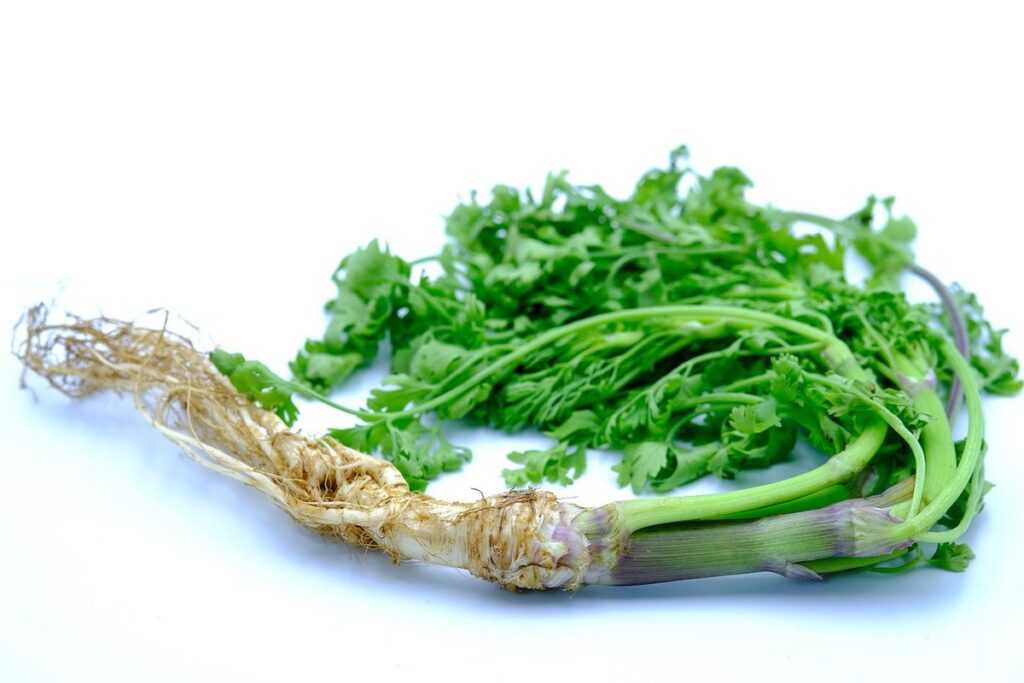
What’s the Difference Between Coriander and Cilantro?
If you’re confused about coriander vs cilantro, don’t worry – you’re not alone! In this section, we’ll break down the main differences between these two popular herbs.
Botanical Background
The plant known as coriander is one of the most versatile and fascinating spices in the culinary world. But what’s often overlooked is that coriander is actually a two-part spice. The seeds, also known as coriander seeds, are commonly used for their warm, earthy flavor and aroma in Middle Eastern, Indian, and African cooking.
On the other hand, the leaves of the coriander plant are known as cilantro (although some people use these terms interchangeably, which can lead to confusion!). Cilantro has a distinct fresh, citrusy taste that is commonly used in Mexican, Asian, and Middle Eastern cuisine. The unique thing about coriander is that it’s often sold separately for its seeds and leaves, making it easy to confuse the two.
To clarify things, let’s think of it like this: if you’re using a recipe that calls for ground coriander, you’ll likely be using the seeds. However, if a recipe asks for chopped cilantro, you can assume they’re referring to the fresh leaves. Remember, when in doubt, consult your spice rack or check the recipe carefully to ensure you’re using the right part of the plant!
History of Use in Cooking
Throughout history, coriander and cilantro have been staples in various cuisines around the world, each with its own distinct applications. In ancient Greece and Rome, coriander was used as a spice to flavor oils, wines, and other dishes. The Greeks also used it to season meat and fish, while the Romans employed it in their famous garum sauce.
In Middle Eastern cuisine, cilantro is a key ingredient in chutneys, salads, and sauces. It’s commonly paired with ingredients like garlic, ginger, and lemon juice to add freshness to various dishes. Meanwhile, coriander seeds are often used in Indian cooking to flavor curries and stews.
The use of these two herbs has also transcended geographical boundaries. In Mexican cuisine, cilantro is a fundamental component of salsas, salads, and soups. Coriander, on the other hand, is commonly used in African and Asian recipes to add depth and warmth to dishes. Whether it’s the warm, earthy flavor of coriander or the bright, citrusy taste of cilantro, both herbs have played a significant role in shaping the flavors of global cuisine.
Incorporating these herbs into your cooking can be as simple as adding fresh cilantro leaves to a salad or using ground coriander seeds to spice up a curry. Experiment with different recipes and flavor combinations to discover the unique characteristics of each herb.
Culinary Uses and Flavor Profiles
When it comes to cooking, understanding the unique flavor profiles of coriander and cilantro is essential for elevating your dishes. Let’s dive into their distinct culinary uses and how they enhance different recipes.
Coriander Seeds: Aromatic and Warm
When it comes to coriander seeds, they offer an entirely different flavor profile compared to cilantro leaves. Aromatic and warm, coriander seeds are a staple in many Middle Eastern, Indian, and African cuisines. They have a slightly sweet, citrusy, and earthy undertone that pairs well with meats, stews, and rice dishes.
To bring out the full potential of coriander seeds, try grinding them just before using them to avoid losing their flavor and aroma. A simple trick is to toast whole coriander seeds in a dry pan over low heat for a few minutes to intensify their fragrance. This process enhances their warm, earthy notes.
In Indian cuisine, coriander seeds are commonly used in combination with cumin seeds to make curries and chutneys. They’re also added to soups like lentil-based stews or vegetable-rich broths for added depth of flavor. In African cooking, coriander seeds are often combined with other spices to create a flavorful spice blend for meats and vegetables.
When substituting cilantro leaves with coriander seeds in recipes, keep in mind that the latter is much stronger, so use them sparingly to avoid overpowering your dish.
Cilantro Leaves: Fresh and Pungent
Cilantro leaves are renowned for their fresh and pungent flavor profile, making them an integral component in many global cuisines. In Mexican cooking, cilantro is often used as a garnish for tacos, salsas, and salads, adding a burst of citrusy freshness to these dishes. The herb’s unique taste is also showcased in Asian cuisine, where it’s commonly paired with chilies and lemongrass to create complex sauces.
In Mediterranean cooking, cilantro adds a distinctive flavor to Middle Eastern and North African recipes. Its pungency pairs well with the richness of olives and the brightness of citrus, making it an excellent addition to salads, marinades, and dips. When working with cilantro leaves, it’s essential to chop them finely before adding them to dishes, as their potency can be overwhelming in large quantities.
When selecting fresh cilantro leaves for your cooking, look for those with vibrant green color and a fragrant aroma. To maximize the flavor of cilantro, use it just before serving or add it towards the end of cooking time. This allows the herb’s oils to remain intact, preserving its distinct taste and aroma.
Nutritional Comparison and Health Benefits
Let’s take a closer look at how these two popular herbs stack up when it comes to nutritional value and health benefits.
Coriander vs. Cilantro: Nutrition Facts
When it comes to nutrition, both coriander seeds and cilantro leaves are packed with beneficial compounds. However, there are some notable differences between their nutritional values.
On average, 100 grams of coriander seeds contain about 330 calories, whereas the same amount of cilantro leaves has only around 33 calories. Coriander seeds also have a slightly higher fat content, with approximately 5 grams per 100 grams compared to cilantro’s 0.3 grams.
In terms of essential vitamins and minerals, both coriander and cilantro are good sources of vitamin C and potassium. However, coriander seeds contain more iron (about 4 mg per 100 grams) than cilantro leaves (around 1.5 mg).
Cilantro leaves have a higher water content, which can make them easier to digest for some people. On the other hand, coriander seeds are often used as a spice and added in small amounts to dishes.
In practical terms, if you’re looking for a low-calorie addition to your meals, cilantro leaves might be the better choice. But if you need an iron boost or want to add depth to your cooking with warm, earthy flavors, coriander seeds are worth considering.
Potential Health Benefits
Both coriander and cilantro have been touted for their impressive health benefits, making them a staple in many a home cook’s spice rack. But what exactly do they offer? Let’s start with their antioxidant properties. Both herbs contain a high concentration of flavonoids, which are powerful antioxidants that help protect cells from damage caused by free radicals.
In particular, coriander has been shown to have higher levels of limonene and pinene, two compounds with potent antioxidant activity. Cilantro, on the other hand, contains higher levels of rosmarinic acid, another antioxidant-rich compound. Both herbs also have anti-inflammatory properties, which can help soothe digestive issues and reduce inflammation in the body.
In terms of digestive aid capabilities, both coriander and cilantro have been used for centuries to alleviate symptoms of indigestion, bloating, and gas. Coriander seeds are a popular remedy for irritable bowel syndrome (IBS), while cilantro is often used to treat conditions like gastroesophageal reflux disease (GERD). To reap the benefits of these herbs, try incorporating them into your meals in moderation – about 1-2 teaspoons per serving is enough to make a noticeable difference.
Growing Your Own Coriander and Cilantro
If you’re eager to have a steady supply of fresh coriander and cilantro, learn how to grow these popular herbs in your own garden, from seed to harvest. We’ll walk you through the process step-by-step.
Tips for Cultivating Coriander
Growing coriander from seed can be a bit tricky, but with the right approach, you’ll have a fragrant and flavorful crop in no time. First, sow coriander seeds directly into well-draining soil about 1-2 inches deep and 6-8 inches apart. Keep the soil consistently moist during the first few weeks after sowing, as this will help to prevent seedlings from developing off-flavor compounds.
Once your seedlings have two sets of leaves, you can start to thin them out to about 12-18 inches apart to promote healthy growth and prevent overcrowding. If you’re transplanting coriander plants, choose a location with full sun and rich soil that drains well. Water the plants regularly, but avoid overwatering, which can lead to root rot.
To encourage optimal flavor and fragrance in your coriander crop, make sure to provide it with partial shade during the hottest part of the day. You can also try growing coriander in containers, as this will allow you to control the soil quality and moisture levels more easily.
Keep an eye out for pests like aphids and spider mites, which can quickly damage your plants if left unchecked. With proper care and attention, your coriander crop should be ready to harvest within 60-90 days of sowing. Simply snip off the leaves or stems when they’re at their peak flavor and fragrance.
Propagating and Preserving Cilantro
Cilantro is one of those herbs that can be notoriously finicky to grow. However, with some patience and the right techniques, you can successfully cultivate it from seeds or cuttings and enjoy its fresh flavor throughout the year.
To propagate cilantro from seeds, start by sowing them directly into a well-draining pot or container filled with a good quality seed starting mix. Keep the soil consistently moist but not waterlogged, as this can lead to root rot. You can expect germination within 7-10 days under optimal conditions. To speed up the process, you can also use a cold frame or a propagation tray.
Preserving cilantro leaves is crucial if you want to enjoy them throughout the year. One simple technique is to harvest individual stems by cutting off the top sets of leaves with a pair of scissors, leaving about an inch of stem intact. This encourages new growth and prevents the plant from flowering prematurely. For longer-term storage, try drying or freezing the leaves. Simply tie a bunch together with kitchen twine, hang upside down in a warm, dry place, or blanch them in boiling water for 30 seconds before transferring to an airtight container or freezer bag.
When preserving cilantro, make sure not to overcrowd the containers as this can lead to mold and spoilage. Regularly check on your stored leaves and use them within a few weeks for optimal flavor and aroma.
Substitution and Pairing Suggestions
If you’re unsure about how to substitute coriander for cilantro (or vice versa), we’ve got you covered. Let’s explore some pairing suggestions to enhance your recipes’ flavors.
Coriander Seeds as a Substitute for Other Spices
When it comes to using coriander seeds as a substitute for other spices, there are several options you can consider. One popular swap is substituting cumin seeds with coriander seeds, especially in Indian and Middle Eastern recipes. The earthy flavor of coriander complements the rich flavors found in dishes like curries and stews.
In some cases, caraway seeds can be replaced with coriander seeds to add a slightly sweet and citrusy flavor to breads and pastries. This is particularly useful when you’re baking traditional Eastern European or German treats. However, keep in mind that caraway has a more robust flavor than coriander, so use it sparingly.
To incorporate coriander seeds into your recipes, start by substituting the equivalent amount of cumin or caraway seeds. For example, if a recipe calls for 1 teaspoon of cumin seeds, try using 1/2 to 3/4 teaspoon of coriander seeds instead. Experiment with different proportions to find the perfect balance of flavors for your dish. Remember that coriander has a more delicate flavor than its substitutes, so it’s better to start with a smaller amount and adjust to taste.
Paring Cilantro with Other Herbs
When it comes to incorporating cilantro into your dishes, pairing it with other herbs can add depth and complexity to its flavor profile. One popular combination is cilantro and basil. The two herbs have a similar bright and citrusy quality that complements each other well. Try adding chopped cilantro and basil leaves to a salad or using them as a garnish for soups and sauces.
Another herb that pairs well with cilantro is parsley. Its mild, slightly bitter taste balances out the pungency of cilantro, creating a refreshing flavor experience. Combine equal parts cilantro and parsley in a salsa or chutney for a delicious twist on traditional flavors.
Dill is another great option to pair with cilantro, especially when it comes to adding a fresh and airy quality to dishes. Use dill and cilantro together in a marinade or dressing for fish or vegetables, or add them as a topping for salads or sandwiches.
When combining different herbs, remember that the key is balance. Experiment with different ratios of each herb to find the perfect blend for your taste buds.
Misconceptions and Controversies Surrounding Coriander vs. Cilantro
Let’s set aside some common myths and misconceptions surrounding these two popular herbs, as they often spark heated debates among food enthusiasts and chefs alike.
Some claim that coriander and cilantro are essentially interchangeable terms, while others insist on a clear distinction between the two – but what’s really going on?
Genetic Similarity: A Source of Confusion?
Many people are unaware that coriander and cilantro come from the same plant species, Coriandrum sativum. This genetic connection can lead to confusion among consumers, who may assume they’re referring to the same herb or spice. However, it’s essential to understand that the plant’s parts have distinct flavors, textures, and uses in cooking.
When coriander seeds are dried and ground, they become a popular spice used in Middle Eastern, Indian, and African cuisines. On the other hand, cilantro is the fresh leaves of the same plant, commonly used as a herb in Mexican, Asian, and Mediterranean dishes. The differences lie not only in their flavor profiles but also in their culinary applications.
To avoid confusion, it’s crucial to familiarize yourself with both ingredients and understand how they’re used in different recipes. For instance, when a recipe calls for coriander, you’ll typically use the ground seeds as a spice, whereas cilantro is added fresh or used as a garnish. By recognizing the distinction between these two closely related plants, you can unlock new flavors and possibilities in your cooking.
Regional Preferences: Cultural Differences in Taste Perception
When it comes to coriander and cilantro, regional preferences play a significant role in shaping individual tastes. Cultural backgrounds and personal experiences can make one person adore the taste of fresh coriander leaves while another person finds the same flavor repulsive. This dichotomy is largely due to the unique combination of genetic predispositions and environmental influences that shape our olfactory systems.
Research has shown that people from European and Middle Eastern ancestry are more likely to find cilantro’s aroma pleasant, whereas those with East Asian or African roots often experience a soapy or metallic taste when consuming it. This disparity is not solely due to cultural conditioning but also to genetic factors that affect the OR6A2 gene responsible for detecting aldehyde compounds found in cilantro.
To navigate these differences, consider experimenting with small amounts of coriander and cilantro in various dishes to gauge your personal preferences. Additionally, be mindful of regional specialties and flavor profiles when traveling or trying new recipes from around the world. By embracing the diversity of tastes and exploring different flavors, you may discover new favorites that bridge cultural divides.
Frequently Asked Questions
Can I use coriander seeds as a substitute for ground cumin?
Yes, you can use coriander seeds as a substitute for ground cumin in some recipes, but keep in mind that they have a more delicate flavor and aroma. To substitute, use about 1/3 to 1/2 the amount of coriander seeds called for in the recipe, as their potency is milder.
How do I store fresh cilantro leaves to maintain their flavor and aroma?
To preserve the freshness of cilantro leaves, store them in an airtight container or plastic bag and keep them refrigerated. You can also chop off any wilted stems and trim the leaves before storing. For longer-term storage, consider freezing the chopped cilantro in airtight containers or ice cube trays.
Can I grow coriander and cilantro together in the same pot?
Yes, you can grow both coriander and cilantro together in the same pot, as they have similar growing requirements. However, keep in mind that cilantro is more sensitive to heat and moisture than coriander, so ensure your pot provides adequate drainage and protection from extreme temperatures.
What’s the best way to incorporate coriander seeds into Indian curries?
To add depth and warmth to Indian curries with coriander seeds, toast them lightly in a pan before grinding them into a spice blend. This enhances their aroma and flavor. You can also add whole coriander seeds directly to the curry pot during cooking for an earthy undertone.
Can I use dried cilantro leaves as a substitute for fresh ones?
No, while dried cilantro leaves have some of the same flavor compounds as fresh ones, they lack the brightness and pungency. For optimal flavor and aroma, use fresh cilantro leaves in recipes whenever possible.