
Parsley is one of those herbs that instantly elevates any dish, adding not just flavor but also a pop of color to your plate. But have you ever tried growing it from seed? Not only can it be a bit finicky, but it’s also essential to choose the right variety for your climate and needs.
If you’re eager to grow fresh parsley in your garden or indoor space, this comprehensive guide is here to help. We’ll take you through the entire process of growing parsley from seed, covering everything from selecting the perfect seeds and preparing the soil to troubleshooting common issues that might arise.
In this article, we’ll cover how to choose the best variety for your needs, including popular types like curly-leaf and flat-leaf parsley. You’ll learn how to sow the seeds, care for them, and eventually harvest a fresh crop of fragrant, flavorful parsley. Whether you’re a seasoned gardener or just starting out, this guide will walk you through every step of the process.
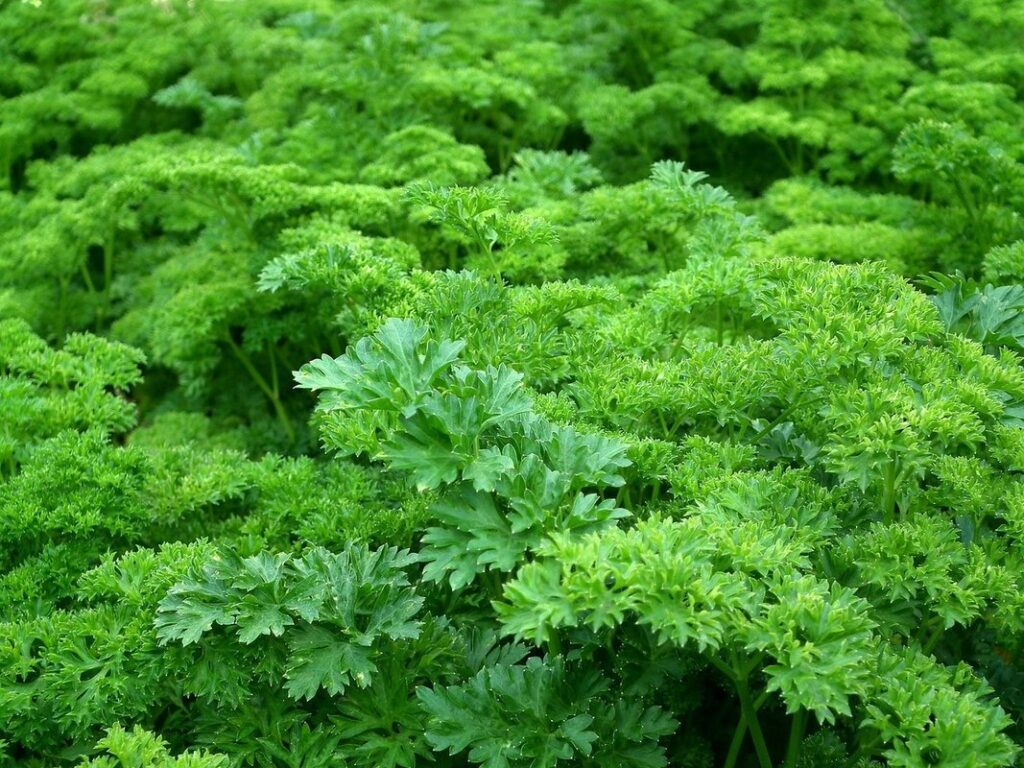
Understanding Parsley Basics
Before you dive into growing parsley from seed, let’s start with the basics: understanding how to properly care for and cultivate parsley plants. This includes learning their specific needs and requirements.
What is Parsley?
Parsley is a biennial herb that hails from the Mediterranean region, where it’s been prized for its unique flavor and medicinal properties for centuries. It’s no surprise then that this versatile herb has become a staple ingredient in kitchens around the world, with its fresh, green leaves adding a burst of flavor to everything from salads and soups to sauces and garnishes.
One of the reasons parsley is so widely used is due to its incredible adaptability – it can thrive in a variety of conditions, making it easy to grow both indoors and outdoors. Whether you’re starting seeds on your windowsill or direct sowing in a garden bed, parsley is surprisingly resilient and forgiving. What’s more, its slow-bolting varieties make it perfect for container gardens and indoor spaces where light is limited.
As we dive deeper into growing parsley from seed, understanding its native habitat and characteristics will be essential for coaxing the best possible yields out of your plants. With a little knowledge and TLC, you’ll be enjoying fresh parsley in no time – and with this comprehensive guide, you’ll have all the know-how you need to succeed!
Types of Parsley
When it comes to growing parsley from seed, understanding the different types of parsley is crucial for success. The two main types of parsley are curly-leaf (Petroselinum crispum) and flat-leaf (Petroselinum neapolitanum), each with its unique characteristics that set them apart.
Curly-leaf parsley is the most widely available type, known for its vibrant green color and curly, ruffled leaves. It’s a popular choice for salads, garnishes, and as a fresh herb in many Middle Eastern and Mediterranean dishes. Curly-leaf parsley grows more slowly than flat-leaf, taking about 60 to 90 days to mature from seed.
Flat-leaf parsley, also known as Italian parsley, has larger, flat leaves with a milder flavor compared to curly-leaf. It’s often used in soups, sauces, and Mediterranean-inspired dishes where its robust flavor is an asset. Flat-leaf parsley grows faster than curly-leaf, maturing from seed in about 40 to 60 days.
When choosing which type of parsley to grow from seed, consider your cooking style and the desired use for the herb. Curly-leaf is a good choice for salads and garnishes, while flat-leaf is better suited for soups and sauces.
Parsley Uses and Benefits
As you start growing parsley from seed, it’s essential to understand its numerous uses and benefits. Parsley is a nutrient-rich herb that deserves to be more than just a garnish on the side of your plate. Not only does it add a fresh flavor to various dishes, but it also packs a punch when it comes to nutrition.
Rich in vitamins A, C, and K, parsley is an excellent addition to salads, soups, and sauces. Use its curly leaves as a garnish for soups like chicken noodle or creamy broths, or add it to green salads for a burst of flavor. You can also use flat-leaf parsley for Mediterranean-inspired dishes like tabbouleh or as a flavorful accompaniment to grilled meats.
To get the most out of your homegrown parsley, be sure to harvest individual leaves regularly to encourage new growth and prevent the plant from flowering. This will keep your parsley looking its best and ensure it remains fresh for longer. By incorporating parsley into your cooking routine, you’ll not only add a pop of color but also reap the rewards of this incredibly nutritious herb.
Starting Parsley from Seed
To successfully start parsley from seed, you’ll need to know the right conditions for germination and how to care for your tiny seedlings until they’re ready to transplant. This section will guide you through that process.
Choosing the Right Variety
When it comes to growing parsley from seed, choosing the right variety is crucial for success. Not all parsley seeds are created equal, and selecting a high-quality seed that suits your climate and desired growth habits will make all the difference.
First and foremost, consider the germination rate of the seed. Look for seeds with a high germination rate (at least 80%) to ensure you don’t waste time and resources on seeds that may not sprout. A good rule of thumb is to choose seeds from reputable suppliers or nurseries that specialize in herbs.
Another important factor is disease resistance. Some parsley varieties are more prone to root rot, leaf spot, or other diseases that can decimate your crop. Look for varieties with built-in resistance to these common pests and diseases.
Finally, think about the flavor profile you want to achieve. Do you prefer a strong, pungent parsley or a milder, sweeter variety? Some popular choices include ‘Curly-Leaf’, ‘Flat-Leaf’, and ‘Turnip-Rooted’ parsley. Consider growing multiple varieties to have a diverse harvest.
Remember to check the seed packet for specific growing requirements, such as temperature and sunlight needs, to ensure you’re giving your seeds the best chance to thrive.
Sowing Seeds Indoors vs. Outdoors
When it comes to starting parsley seeds, you have two main options: sowing them indoors 4-6 weeks before the last frost date or directly sowing them outdoors in a sunny spot with well-draining soil. Both methods have their benefits, and the best approach for you will depend on your climate, available space, and personal preference.
Sowing parsley seeds indoors allows you to control the environment and get a head start on the growing season. This method is ideal if you live in an area with a short growing season or if you want to get a jump-start on harvesting. You can sow parsley seeds 4-6 weeks before the last frost date, typically between late winter and early spring. Keep the seedlings indoors until they have 2-3 sets of leaves, then transplant them outside when the weather warms up.
On the other hand, direct sowing outdoors is a great option if you live in a mild climate or if you prefer to minimize indoor space. Simply sow parsley seeds directly into well-draining soil and full sun, about 1/8 inch deep and 2-3 inches apart. This method allows the plants to develop their root system naturally, but be aware that they may take longer to mature.
Remember, both methods require consistent moisture and adequate light to promote healthy growth. If you choose to sow indoors, make sure to provide enough light for the seedlings, either through direct sunlight or artificial lighting. If you opt for direct sowing outdoors, be patient and give the plants time to establish themselves in their new environment.
In areas with prolonged cold weather, it’s essential to harden off the indoor seedlings before transplanting them outside. This process involves gradually exposing the plants to outdoor conditions over a period of 7-10 days to prevent shock. Similarly, if you’re direct sowing outdoors, be mindful of frost-sensitive varieties and take steps to protect your crop during periods of extreme cold.
Ultimately, both methods can produce excellent results with proper care and attention. Consider your specific climate and growing conditions when deciding which approach works best for you.
Seed Germination Tips
When it comes to seed germination, parsley seeds require specific conditions to thrive. First and foremost, make sure you’re sowing them at a consistent temperature between 60°F to 70°F (15°C to 21°C). This range allows the seeds to absorb the necessary moisture and break dormancy.
Now, let’s talk about depth. Parsley seeds are relatively small, so they don’t need much room to grow. Plant them about 1/8 inch deep in a well-draining seed starting mix. You can also use a thin layer of fine sand or vermiculite on top for extra moisture retention.
To promote healthy germination, it’s essential to maintain consistent moisture levels. Water the seeds gently but thoroughly after sowing, and keep the soil consistently moist during the first week. After that, allow the top inch of soil to dry out slightly between waterings. Provide your parsley seeds with bright, indirect light, but not direct sunlight, which can cause overheating. Aim for a spot with filtered or dappled light to ensure even growth.
Soil, Light, and Water Requirements
To grow parsley from seed successfully, you need to understand its specific soil, light, and water requirements, which are crucial for healthy growth. Proper care in these areas can make all the difference.
Parsley Soil Preferences
When growing parsley from seed, it’s essential to provide the right soil conditions for optimal growth. Parsley thrives in well-draining soil with a pH between 6.0 and 7.0. This allows the roots to absorb nutrients efficiently without being overwhelmed by excess water.
To achieve this ideal pH range, test your soil regularly to determine its current acidity or alkalinity level. Based on the results, you can adjust it using lime to raise the pH or sulfur to lower it. However, if you’re starting from scratch, consider beginning with a potting mix specifically designed for herbs.
Adding organic matter like compost or manure is also crucial in improving soil fertility and structure. These amendments not only enhance nutrient availability but also help retain moisture, reducing the need for frequent watering. Aim to incorporate 2-4 inches of compost into your soil before planting parsley seeds. This will give them a solid foundation to grow strong and healthy roots.
Lighting Conditions for Parsley
Parsley is a versatile herb that can thrive in various lighting conditions. However, its growth and flavor are significantly affected by the intensity of light it receives.
When growing parsley indoors, aim for bright, indirect light. Placing pots near an east- or west-facing window is ideal, as this allows for gentle illumination without scorching the leaves. In contrast, direct sunlight can cause the leaves to become bitter and develop an unpleasant flavor.
For outdoor cultivation, choose a spot that receives partial shade, especially during peak sun hours. Parsley prefers around 4-6 hours of direct sunlight per day, which is usually sufficient for most gardens. If you live in a region with intense sunlight, consider providing some afternoon shade to prevent burning.
Monitor your parsley’s response to light by observing its color and texture. If the leaves appear pale or leggy, it may be receiving too much direct sunlight. Conversely, if the foliage becomes dense and the flavor is compromised, it might be getting insufficient light. Adjust the location accordingly to create an optimal growing environment for your parsley plants.
Watering Parsley Plants
When it comes to watering parsley plants, consistency is key, especially during the germination phase. This delicate stage requires careful attention to moisture levels to encourage healthy root development and prevent seed rot. Aim for a consistent water supply, keeping the soil moist but not waterlogged.
Overwatering can be detrimental to parsley growth, leading to weakened stems, yellowing leaves, and an increased risk of disease. In contrast, underwatering may result in slow growth, stunted foliage, or even cause the plant to bolt (go to seed). To avoid these issues, make sure to water your parsley plants when the top inch of soil feels dry to the touch.
Aim for about 1-2 inches of water per week, either from rainfall or irrigation. You can also monitor the moisture levels by inserting a finger into the soil up to the first knuckle; if it’s dry, it’s time to water. Be cautious not to overwater during periods of high temperature or humidity. Keep in mind that parsley plants prefer slightly acidic to neutral soil pH, which affects their ability to absorb nutrients and retain moisture.
Common Pests and Diseases Affecting Parsley
As you cultivate your parsley crop, it’s essential to be aware of common pests and diseases that can affect its growth, such as aphids and root rot. We’ll cover these issues in more detail here.
Aphids, Whiteflies, and Spider Mites
Aphids, whiteflies, and spider mites are three common pests that can wreak havoc on parsley plants. These tiny insects feed on the plant’s sap, weakening its growth and reducing yields.
Aphids, for instance, secrete a sticky substance called honeydew that attracts ants and promotes fungal growth. They come in various colors and shapes but are usually pear-shaped with long legs. To control aphid infestations, use neem oil or insecticidal soap to spray the affected area. You can also introduce natural predators like ladybugs or lacewings to your garden.
Whiteflies, on the other hand, transmit diseases such as tomato spotted wilt virus and squash bugs. They have a powdery, white coating on their bodies and leave behind a sticky residue. Control whitefly infestations using yellow traps or introducing parasitic wasps that prey on them.
Spider mites are another common pest that feeds on parsley sap. These tiny, eight-legged arachnids spin fine webs on the leaves and stems of your plants. To control spider mite infestations, increase air circulation around your plants and use neem oil or horticultural oil to spray the affected area.
To prevent these pests from taking over your parsley garden, maintain good sanitation practices, remove weeds, and keep a clean workspace.
Powdery Mildew, Leaf Spot, and Root Rot
When growing parsley from seed, it’s essential to be aware of some common fungal diseases that can affect this crop. Powdery mildew, leaf spot, and root rot are three of the most prevalent issues you may encounter.
Powdery mildew causes a white powdery coating to form on the leaves, while leaf spot appears as small circular lesions with a yellow or brown center. Root rot, on the other hand, occurs when the roots become waterlogged, leading to soft and mushy stems.
To prevent these diseases, focus on good sanitation practices. Remove any infected plants from your garden to avoid spreading the disease. Regularly inspect your parsley crop for signs of disease and take action promptly if you notice any issues.
Crop rotation is another effective prevention strategy. Rotate your parsley crop with other plants that are not susceptible to the same fungal diseases, such as tomatoes or peppers. Consider incorporating biological controls like beneficial nematodes or Trichoderma harzianum into your gardening routine to maintain a balanced ecosystem and reduce the risk of disease.
Some key strategies for preventing fungal diseases in your parsley crop include:
* Maintaining good air circulation around your plants
* Avoiding overwatering, which can lead to root rot
* Providing adequate spacing between plants to prevent moisture from becoming trapped
Harvesting and Storing Parsley
Now that you’ve successfully grown your parsley from seed, let’s move on to the next crucial steps: harvesting and storing it to keep your crop fresh for as long as possible.
When to Harvest Parsley
When to harvest parsley is crucial for continuous production and promoting healthy plant growth. Regular harvesting encourages the plant to produce new leaves, stems, or roots, making it an essential practice for successful parsley cultivation from seed.
You should start harvesting individual leaves as soon as they’re large enough to use in cooking. Pinch off the top sets of leaves with your fingers or a pair of scissors to prevent the plant from flowering and diverting energy away from leaf production. This will also encourage the stems to thicken and become more robust.
For larger harvests, wait until the plant has reached about 6-8 inches in height. Cut the entire stem at ground level using a sharp knife or pruning shears, leaving about an inch of stem intact. Harvesting regularly will prevent the plant from developing woody stems and encourage continuous leaf production.
Harvesting parsley roots is also possible, but this method is more labor-intensive. After several months of growth, carefully dig around the plant with a fork to avoid damaging the roots. Gently lift the root system out of the ground, taking care not to damage any of the delicate roots.
Storing Fresh Parsley
When you’ve harvested your parsley, it’s essential to store it properly to maintain its flavor and nutrients. One of the most effective methods is to wrap it in a plastic bag before placing it in the refrigerator. This will help retain moisture and prevent wilting.
You can also store fresh parsley in the refrigerator without wrapping it, but make sure to keep it away from direct sunlight and heat sources. Store it in a sealed container or airtight bag to maintain humidity and prevent dehydration.
If you want to preserve parsley for longer periods, consider freezing it. Simply chop the leaves, remove excess moisture with a paper towel, and place them in an airtight container or freezer bag. Frozen parsley is perfect for soups, stews, and sauces. You can also freeze individual portions of chopped parsley in ice cube trays for easy use.
When storing fresh or frozen parsley, make sure to label the containers with the date you stored it, so you can keep track of how long it’s been in storage.
Troubleshooting Common Issues with Parsley
If you’re experiencing problems growing parsley from seed, don’t worry – we’ve got you covered. This section tackles common issues and provides solutions to get your parsley thriving in no time.
Slow Germination or Growth
If you’ve noticed that your parsley seeds are taking longer than expected to germinate or grow, don’t worry – this is a common issue many gardeners face. There could be several reasons contributing to slow growth, and it’s essential to identify the root cause to provide your parsley plants with the right care.
One possible reason for slow germination or growth is inadequate light. Parsley requires bright, indirect light to grow well. If your seedlings are not receiving sufficient light, they may struggle to develop properly. To address this issue, consider moving your parsley plants to a brighter location or supplementing them with grow lights.
Poor soil quality can also hinder parsley growth. Make sure the potting mix is rich in organic matter and has good drainage properties. If you suspect that pests or diseases are affecting your parsley plants, inspect them closely for signs of infestation or infection. Common pests like spider mites, mealybugs, and aphids can weaken parsley leaves, while fungal infections can cause roots to rot.
Wilting or Yellowing Leaves
If you notice that your parsley seedlings are developing wilted or yellowing leaves, it’s essential to address the issue promptly to prevent further damage. Wilting or yellowing leaves can be caused by a range of factors including overwatering, underwatering, insufficient light, nutrient deficiencies, or even fungal infections.
To diagnose the problem, check your watering schedule and ensure you’re not overwatering or underwatering your parsley seedlings. Parsley requires consistent moisture, especially when it’s young. If the soil feels dry to the touch, it’s likely time for a drink. On the other hand, if the leaves are consistently soggy or waterlogged, consider adjusting your watering schedule.
Providing sufficient light is also crucial for healthy growth. Parsley loves bright, indirect sunlight but can tolerate partial shade. However, if your seedlings are not receiving enough light, they may develop yellow or pale leaves. Consider transplanting them to a brighter location or supplementing with grow lights.
Fungal infections, such as root rot or leaf spot, can also cause wilting or yellowing leaves. To treat these issues, remove any affected leaves and improve air circulation around the plants. You can also try using a fungicide specifically designed for indoor gardening.
Frequently Asked Questions
Can I grow curly-leaf parsley indoors year-round?
Yes, you can grow curly-leaf parsley indoors year-round as long as you provide it with sufficient light. To do this, choose a south-facing window or use LED grow lights to supplement natural light. Keep in mind that parsley requires cooler temperatures (around 60-70°F) and moderate humidity to thrive.
What’s the best way to prevent pests like aphids and whiteflies from attacking my parsley plants?
To prevent pests, make sure your indoor space has good air circulation. Regularly inspect your plants for signs of infestation and treat them promptly if you notice any issues. Use neem oil or insecticidal soap to control pest populations.
How long does it take for parsley seeds to germinate?
Germination time can vary depending on the variety, soil quality, and environmental conditions. Generally, parsley seeds take 1-2 weeks to sprout indoors at room temperature (around 70-75°F). Keep the soil consistently moist during this period to promote healthy growth.
Can I grow multiple varieties of parsley together in the same container?
Yes, you can grow multiple varieties together, but be aware that they may have different growing requirements. For example, flat-leaf parsley prefers more water than curly-leaf parsley. Choose varieties with similar needs and keep them separate if possible to avoid overcrowding.
What should I do if my parsley leaves are turning yellow or wilting despite proper care?
Yellowing leaves can be a sign of overwatering, underwatering, or exposure to extreme temperatures. Check the soil moisture levels regularly and adjust your watering schedule accordingly. Also, ensure that your plants are receiving adequate light and nutrients. If the issue persists, consider repotting your parsley in fresh soil with a balanced fertilizer.