
Are you a fan of fresh mint leaves but struggle to keep them thriving in your garden? Or perhaps you’re new to growing herbs and want to start with something easy and rewarding. Either way, growing mint in pots is an excellent choice! Not only does it allow you to control the conditions, but it’s also perfect for small spaces or indoor gardening. With a few simple tips on soil, lighting, watering, fertilizing, pruning, and preserving, you can enjoy a bountiful harvest of fragrant mint leaves all year round. In this comprehensive guide, we’ll cover everything you need to know to grow, care for, and harvest mint in pots like a pro. From the basics of getting started to expert tips on maximizing your yield, we’ve got you covered!
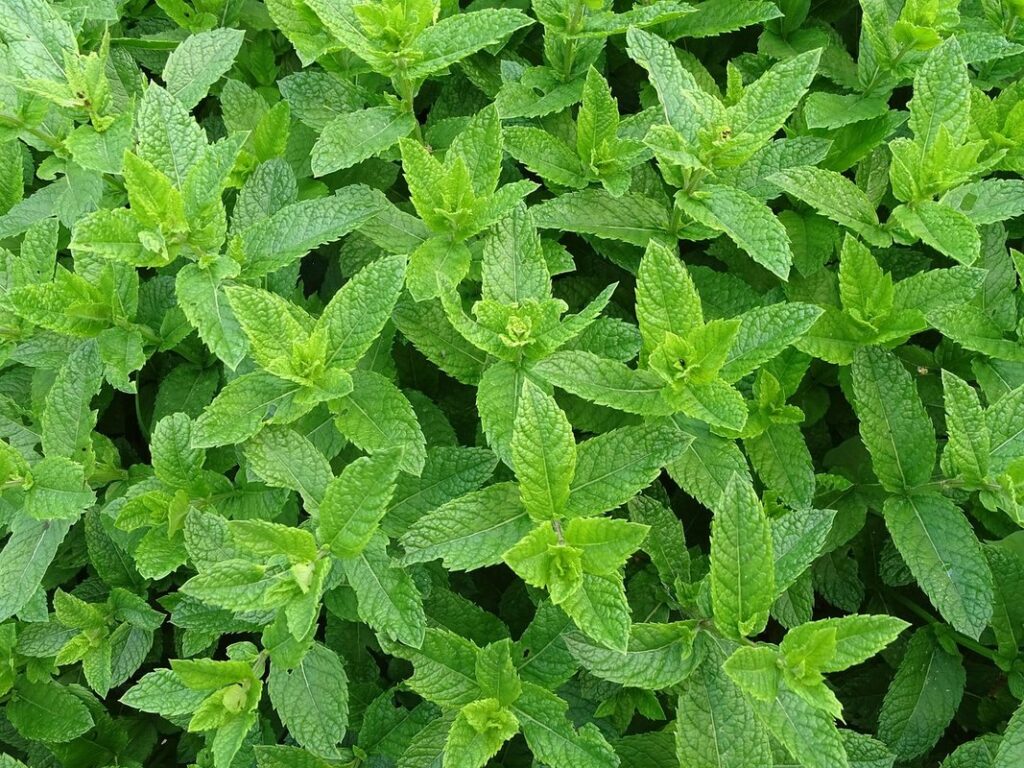
Benefits of Growing Mint in Pots
One of the most significant advantages of growing mint in pots is the flexibility it offers, allowing you to easily move plants around your space as needed. Plus, potted mint stays healthier and more pest-free than its garden bed counterparts.
Why Choose Container-Grown Mint?
When you choose to grow mint in pots, you’re gaining an upper hand when it comes to pest control. Mint is notorious for being a magnet for aphids, spider mites, and other pests that can quickly overrun a garden bed. However, growing mint in containers makes it easier to monitor and tackle these issues early on. You can move the pot to a location with better air circulation or treat the soil with neem oil without disrupting the rest of your garden.
Another advantage of container-grown mint is its flexibility when it comes to placement. Since you’re not tied down by a specific garden bed, you can choose the spot that gets the right amount of sunlight and shade for your particular variety of mint. Whether it’s a north-facing balcony or a sunny patio, you have the freedom to place your mint pot where it will thrive.
Harvesting is also significantly easier when growing mint in pots. You can simply reach down and snip off the top leaves as needed, without having to dig through soil or worry about compacted growth. This makes it easy to enjoy fresh mint all season long.
How to Select the Right Potting Mix for Mint
When it comes to growing mint in pots, selecting the right potting mix is crucial for its health and productivity. A good quality potting mix should have several key characteristics that cater specifically to mint’s needs.
First and foremost, a suitable potting mix for mint should have excellent drainage. Mint prefers moist soil but can be susceptible to root rot if the soil is too waterlogged. Look for a potting mix with perlite or vermiculite added to it, which will help prevent water from accumulating in the roots.
In addition to good drainage, the potting mix should also have a balanced pH level. Mint prefers slightly acidic to neutral soil, with a pH range of 6.0-7.0. A potting mix with a slightly acidic pH will provide mint with the ideal environment for growth.
Lastly, the potting mix should contain adequate nutrients that promote healthy root development and leaf growth. A balanced fertilizer specifically formulated for herbs like mint would be an excellent choice to ensure your plant gets all the necessary nutrients it needs.
Preparing Your Pots for Mint Planting
Before planting mint in your pots, it’s essential to prepare them properly. Start by cleaning the containers thoroughly with soap and warm water to remove any residue from previous use. This will prevent any potential harm to your new plants.
Next, sterilize the pots using a mixture of one part bleach to 10 parts water. Soak the containers in this solution for about an hour, then rinse them with clean water to remove any bleach residue. This step is crucial in eliminating any bacteria or fungi that might be present on the surface.
Once your pots are clean and sterilized, it’s time to add some soil amendments. Mix in a balanced fertilizer according to the manufacturer’s instructions, but avoid over-fertilizing as this can lead to weak and leggy growth. Additionally, consider adding a layer of perlite or vermiculite to improve drainage and prevent waterlogged soil.
By following these steps, you’ll create an ideal environment for your mint plants to thrive in their new pots.
Propagating Mint from Cuttings or Seeds
To expand your mint collection, you can easily propagate new plants from cuttings or seeds, and we’ll walk you through both methods.
Propagation Methods: Cuttings vs. Seeds
When it comes to propagating mint from cuttings or seeds, you have two reliable methods to choose from. Each has its own set of advantages and disadvantages that can impact the success of your mint plant.
Cutting propagation is a popular method for growing mint because it’s relatively fast and easy. You can take 3-4 inch stem cuttings from mature plants with at least four sets of leaves, strip off lower leaves to prevent rot, and then place them in a glass of water or directly into soil. Within 1-2 weeks, roots should start developing, and you’ll have new mint plants ready for potting.
On the other hand, propagating mint from seeds is a slower process but can produce more vigorous plants. Sow seeds indoors 6-8 weeks before the last frost date in your area, and then transplant them into pots once they’re about 4-5 inches tall. Keep in mind that seed-grown mint may not retain its flavor or aroma as well as cuttings.
If you want rapid results and a head start on mint production, cutting propagation is likely the better choice for you. However, if you don’t mind waiting a bit longer and are looking to introduce new genetic material to your mint plants, seeds can be a great option.
How to Take Mint Cuttings for Successful Propagation
Taking mint cuttings is a simple yet effective way to propagate new plants from established ones. To start, select healthy stems with at least two sets of leaves from the tip of the mother plant. Cut these stems just above a node using a sharp, clean pair of scissors or pruning shears.
Next, prepare the cutting by trimming the lower leaves back to about an inch from the node, leaving only the top pair intact. This helps prevent moisture loss and promotes rooting. Place the cut end in a glass of water or a propagation tray filled with water, making sure the node is submerged.
After 7-10 days, roots should have developed, indicated by a white mass at the base of the stem. At this point, pot the cutting in a well-draining mix, gently firming the soil around the roots. Water thoroughly and keep the soil consistently moist during the first few weeks after transplanting.
With proper care, your new mint plant will be thriving in no time!
Starting Mint from Seeds: A Guide to Germination and Care
Starting mint from seeds can be a fun and rewarding experience, especially for gardeners who want to propagate new plants with unique characteristics. To begin, select high-quality mint seeds that are specifically bred for container growing. Sow the seeds about 1/8 inch deep in a well-draining seed starting mix, and keep the soil consistently moist but not waterlogged.
Mint seeds typically take around 7-10 days to germinate, depending on factors like temperature and humidity. Provide optimal conditions by placing the seed tray in a spot with bright, indirect light and maintaining a consistent temperature between 65-75°F (18-24°C). Once the seeds have sprouted, transfer them to individual pots filled with a rich potting mix.
Transplanting seedlings is best done when they have 2-3 sets of leaves. Harden off the seedlings by gradually exposing them to outdoor conditions over the course of 7-10 days before transplanting into their final containers. Water thoroughly after transplanting and keep the soil consistently moist during the first few weeks.
Keep in mind that mint grown from seeds can be slower-growing than plants propagated through cuttings, but it offers a chance to introduce new flavors and varieties to your garden.
Caring for Your Potted Mint Plants
Now that you’ve got your mint plants thriving, it’s time to give them some extra TLC to keep them looking their best and growing strong. This section covers essential care tips for happy, healthy potted mint plants.
Lighting Requirements for Container-Grown Mint
When it comes to growing mint in pots, providing sufficient lighting is crucial for its optimal growth and health. Mint plants require bright, indirect light to thrive, but even with limited space, you can still provide the necessary light requirements.
One way to ensure your potted mint plant receives enough light is by placing it near a sunny window or under grow lights. Aim to position your plant 1-2 feet away from the light source to avoid scorching its leaves. If this isn’t possible, consider rotating your pot every few days to keep the plant facing the direction of the light.
In addition to direct lighting, mint plants also benefit from some shade during peak sun hours. A sheer curtain or a mesh screen can filter the intense sunlight and prevent leaf burn. For example, if you have a south-facing window, consider placing the sheer curtain between the glass and your potted mint plant.
Aim for at least 4-6 hours of direct light per day to keep your mint plant happy and healthy. With proper lighting, you can enjoy a bountiful harvest of fresh mint leaves all season long!
Watering and Humidity Needs for Healthy Mint Growth
When it comes to watering and maintaining humidity levels for potted mint plants, it’s essential to strike the right balance. Overwatering can be just as detrimental to mint growth as underwatering. To avoid this, check the soil moisture by inserting your finger into the soil up to the first knuckle. If the soil feels dry, it’s time to water.
Mint prefers moist soil, but not soggy. Water your potted mint plant when the top inch of soil feels dry to the touch. Avoid getting water on the leaves or crown to prevent fungal diseases. Water at room temperature, and make sure the pot has good drainage holes to prevent waterlogged soil.
Maintaining humidity around 40-50% is ideal for mint growth. You can increase the humidity around your plant by placing it on a tray filled with water and pebbles or using a humidifier nearby. Signs of underwatering include yellowing leaves, while overwatering can cause roots to rot and attract pests. Monitor your plant’s response to watering and adjust your schedule accordingly to ensure optimal growth.
Fertilizing Your Potted Mint Plants: Tips and Tricks
When it comes to fertilizing your potted mint plants, you’ll want to provide them with the right balance of nutrients to promote healthy growth and prevent burning. A general-purpose fertilizer with a balanced N-P-K ratio (10-10-10) is suitable for most mint varieties.
However, if you’re growing peppermint or chocolate mint, which are more vigorous growers, consider using a fertilizer with a higher phosphorus content (15-30-15). This will help promote root development and prevent overgrowth.
You can fertilize your potted mint plants every 1-2 weeks during the active growth phase (spring-fall) by watering them with a diluted solution of fertilizer. Start with half the recommended strength to avoid burning the roots.
To give your mint plant an extra boost, you can also use compost tea as a foliar spray or add it directly to the potting mix. This will provide beneficial microbes and nutrients that promote healthy growth.
Keep in mind that over-fertilization can lead to weak and spindly growth, so be cautious not to overdo it. Monitor your plant’s response and adjust your fertilizer application accordingly.
Common Problems and Solutions for Potted Mint
Growing mint in pots can be a joy, but it’s not without its challenges. In this section, we’ll tackle some common problems that arise when potting mint and share practical solutions to keep your plants thriving.
Dealing with Pests and Diseases in Container-Grown Mint
Mint plants in pots can be prone to pests like aphids, spider mites, and whiteflies. These tiny creatures feed on mint’s sap, causing curled leaves and stunted growth. To prevent infestations, inspect your plants regularly, especially during warmer months when pest populations tend to surge.
Regularly water your mint plants from the bottom to avoid splashing water onto the leaves, which can attract pests. Additionally, maintain good air circulation around your pots by keeping them at least 6-8 inches apart. This will help prevent moisture buildup and reduce the likelihood of fungal diseases like root rot or leaf spot.
Common diseases affecting container-grown mint include powdery mildew and leaf blight. To treat these issues, use a fungicide specifically designed for indoor plants, following the product’s instructions carefully. Keep in mind that it’s often more effective to address pest and disease problems early on rather than trying to treat them after they’ve taken hold.
Consider using neem oil or insecticidal soap as a natural alternative to chemical pesticides. These products can help control pests without harming your plants. Regularly pruning back mint stems also helps to promote healthy growth and reduce the risk of disease and pest infestations.
Addressing Issues with Overgrowth or Unwanted Spreading
As mint plants thrive in their containers, they can sometimes get out of hand. Overgrowth and unwanted spreading are common issues that many gardeners face when growing mint in pots. To tackle this problem, it’s essential to have a solid pruning strategy in place.
Start by cutting back the longest stems to about half their length. This will encourage new growth from the remaining nodes and help maintain a bushy shape. Use sharp scissors or pruning shears to avoid crushing the stem and promoting rot.
Another effective method is to divide and repot your mint plant every 6-8 weeks. Remove any dead or damaged roots, trim back the foliage, and pot up the healthiest sections in fresh soil. This technique not only controls overgrowth but also rejuvenates the plant’s overall vitality.
To prevent unwanted spreading, make sure to contain your mint plant within a physical barrier, such as a plastic container or a deep pot with a wide mouth. This will give you more control over its growth and keep it from taking over nearby plants. Regular pruning and division will help maintain a balanced and manageable mint plant that continues to thrive in its pot.
Tips for Growing Multiple Varieties of Mint Together
Growing multiple varieties of mint together can be a bit tricky, but with some expert tips and tricks, you’ll be enjoying a lush and fragrant herb garden in no time. We’ve got some helpful advice for growing mint harmoniously.
Choosing Companion Plants for Mint
When it comes to growing multiple varieties of mint together, choosing complementary companion plants can be just as important as selecting the right variety of mint itself. By pairing mint with the right plants, you can enhance its growth, flavor, and overall health.
Some excellent companion plants for mint include lemon balm, which repels pests that target mint, such as aphids and spider mites. This is especially useful if you’re growing peppermint or spearmint in pots, which are particularly susceptible to these pests. Basil is another great option, as it improves the flavor of nearby mint plants and can help to deter nematodes.
Other companion plants like bee balm and oregano also complement mint well, as they attract pollinators that help with cross-pollination and add a boost of antioxidants to the soil. For example, growing rosemary alongside mint can increase its fragrance and repel pests naturally. When selecting companion plants, consider their growth habits, watering requirements, and mature sizes to ensure they won’t compete with your mint for resources.
Remember to plant mint in the right conditions to encourage healthy growth – a pot at least 6-8 inches deep will give it room to spread out.
Strategies for Managing Competition Between Different Mint Varieties
Growing multiple varieties of mint can be a delight for the senses, but it also poses a challenge: balancing competition between different mint varieties. To promote healthy growth and prevent overcrowding, you need to strike the right balance between giving each plant enough space and nutrients.
Start by choosing a variety that’s compact or dwarf, such as ‘Chocolate Mint’ or ‘Peppermint’. These plants are naturally smaller and won’t overwhelm their neighbors. For more vigorous varieties like ‘Spearmint’, prune them regularly to control their spread. You can also divide and re-pot overcrowded mint plants in the spring to give them room to breathe.
Keep an eye on your potting mix’s pH levels, as some mint varieties prefer slightly acidic conditions (around 6.0-6.5). Mulch around the base of each plant to retain moisture and suppress weeds. Finally, ensure good air circulation by keeping plants at least a few inches apart. By implementing these strategies, you’ll create an environment where all your mint varieties can thrive without competing for resources.
Harvesting and Preserving Your Homegrown Mint
Now that you’ve successfully grown your mint in pots, it’s time to reap the rewards – learn how to harvest and preserve your fresh crop for year-round use. We’ll walk you through the best methods.
When and How to Harvest Fresh Mint Leaves
When it comes to harvesting fresh mint leaves from your potted plants, timing is everything. The optimal time for harvesting depends on several factors, including the type of mint and its growth stage.
For most types of mint, such as peppermint and spearmint, the best time to harvest is in the morning after the dew has evaporated but before the heat of the day sets in. This ensures that the leaves are at their peak flavor and aroma.
To maximize flavor and aroma, try harvesting individual leaves or stems as needed rather than cutting off entire stalks. This will encourage new growth and prevent the plant from flowering. You can also pinch off flower buds as they form to direct the plant’s energy towards leaf production.
Another technique is to harvest mint in succession, where you pick a few leaves at a time over several days. This will help maintain a steady supply of fresh leaves and keep your plants looking their best.
Preserving Fresh Mint: Freezing, Drying, and Infusing
When you’ve spent all that time nurturing your homegrown mint, it’s essential to preserve some of that freshness for later use. Fortunately, there are several methods to choose from: freezing, drying, and infusing.
Freezing is a great way to keep mint fresh for up to 8 months. Simply chop the leaves into small pieces, place them in an airtight container or freezer bag, and store them in the freezer. Frozen mint is perfect for making smoothies, cocktails, and desserts.
Drying, on the other hand, allows you to preserve mint for a longer period – up to 2 years. You can use a dehydrator or your oven on the lowest temperature setting. Once dried, store the leaves in an airtight container to maintain their flavor and aroma.
Infusing is another popular method that’s perfect for making flavored oils, vinegars, and syrups. Simply place fresh mint leaves in a clean glass jar, cover them with oil or vinegar, and let it sit at room temperature for 2-3 weeks. Strain the mixture and store it in an airtight container.
Before preserving your mint, make sure to dry any excess moisture from the leaves by gently patting them with a paper towel. This will help prevent mold and ensure a longer shelf life.
Frequently Asked Questions
How Often Should I Water My Potted Mint Plants?
Water your potted mint plants when the top inch of soil feels dry to the touch. This is usually every 2-3 days during hot summer months and less frequently during cooler periods. Be cautious not to overwater, as this can lead to root rot.
Can I Grow Multiple Varieties of Mint Together in the Same Pot?
While it’s technically possible, growing multiple varieties together can create competition for resources and increase the risk of disease transmission. For optimal growth, consider planting each variety in its own pot or separating them after 6-8 weeks.
How Do I Prevent My Potted Mint from Spreading Unwantedly?
To prevent unwanted spreading, ensure your pots have good drainage holes to prevent waterlogged soil. Regular pruning and harvesting also help control the plant’s size and spread. Consider using a container with built-in barriers or edging to contain the roots.
Can I Use Any Type of Potting Mix for Growing Mint in Pots?
No, it’s best to use a well-draining potting mix specifically designed for containers. Avoid regular garden soil as it can compact and prevent proper drainage. Look for mixes labeled “peat-based” or containing perlite or vermiculite for optimal results.
How Long Does It Take for Mint Cuttings to Root?
Mint cuttings typically take 7-14 days to root, depending on the time of year, temperature, and humidity. Place the cut ends in a glass of water or propagation tray until roots develop, then transfer them to individual pots with fresh potting mix.