
Are you tired of sacrificing your weekends to maintain a lush green lawn? Do you dream of having a beautiful outdoor space that also benefits the environment and your wallet? Clover lawns are a game-changer, offering numerous advantages over traditional turf. Not only do they provide a low-maintenance alternative for busy homeowners, but they’re also incredibly drought-tolerant, reducing water consumption and saving you money on your utility bills.
As we delve into the world of clover lawns, we’ll explore their many benefits, from improved air quality and soil health to reduced mowing needs and enhanced biodiversity. We’ll also provide a step-by-step guide on how to create your own clover lawn, making it easy for you to join the ranks of eco-conscious homeowners who are ditching traditional turf for good.
Section 1: Introduction to Clover Lawns
Let’s start by exploring the basics of clover lawns and why they’re an excellent choice for homeowners looking for a low-maintenance alternative. We’ll delve into what makes clover so special.
History and Origin of White Clover
White clover, one of the most popular species used in lawns, has a rich history that dates back thousands of years. Originating from Europe and Western Asia, it was first introduced to North America by early European settlers as a forage crop for livestock. White clover’s versatility and hardiness quickly made it an attractive option for lawn care enthusiasts.
In the 17th century, white clover became a staple in many English lawns due to its ability to thrive in poor soil conditions and tolerate drought. As a result, it spread throughout the British Isles and eventually around the world. Today, white clover is widely used as a low-maintenance alternative to traditional grasses.
What’s fascinating is that white clover can fix nitrogen from the air, reducing the need for fertilizers and making lawns more environmentally friendly. This unique characteristic has made it an attractive option for those seeking a more sustainable lawn solution. By choosing white clover, you’re not only getting a beautiful, lush lawn but also contributing to a healthier environment.
In addition to its environmental benefits, white clover is extremely durable and can withstand heavy foot traffic, making it perfect for families or pets. With proper care, white clover lawns require minimal maintenance, reducing the need for mowing, watering, and fertilizing.
Types of Clover Used for Lawns
When it comes to choosing a type of clover for your lawn, you have several options. White clover (Trifolium repens) is one of the most popular and widely used varieties. It’s known for its ability to thrive in poor soil conditions and can tolerate foot traffic well. With proper care, white clover lawns can be lush and vibrant, with a soft texture that’s perfect for kids and pets.
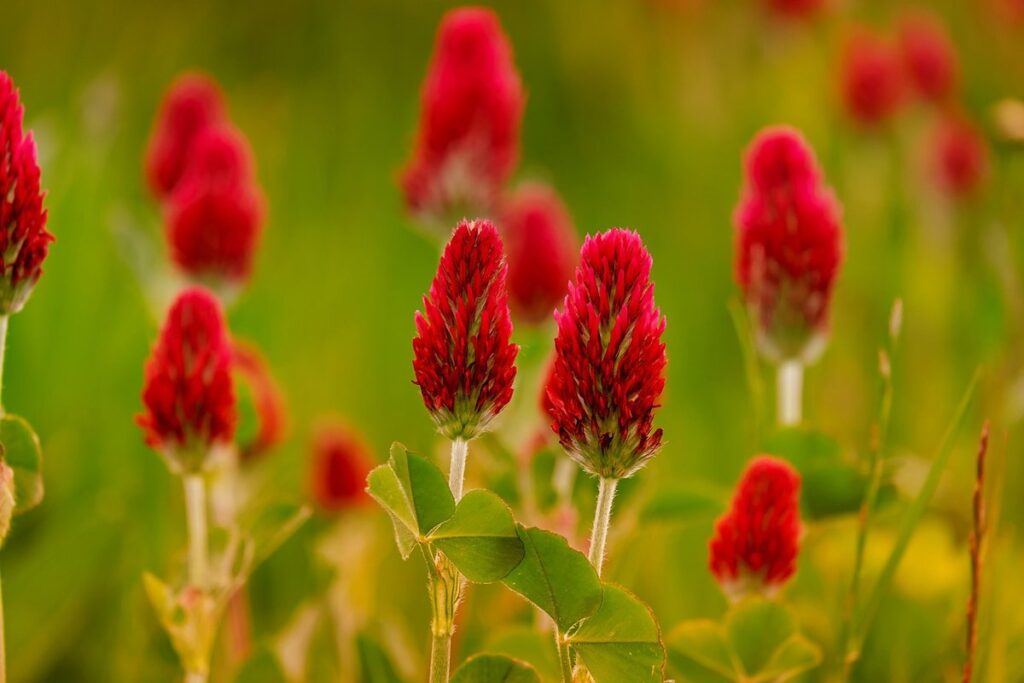
Red clover (Trifolium pratense) is another popular option, prized for its deep root system and drought tolerance. It’s also a natural nitrogen fixer, which means it can enrich your soil over time. However, red clover tends to be more aggressive than white clover and may require regular mowing to keep it in check.
Microclover (Trifolium microphyllum) is a compact, low-growing variety that’s ideal for smaller lawns or areas with limited space. It’s also highly drought-tolerant and requires less maintenance than other types of clover. Microclover is a great option if you’re looking for a low-maintenance clover lawn that still offers the benefits of a lush, green landscape.
In general, it’s essential to choose a type of clover that suits your specific climate, soil conditions, and lifestyle. Consider factors like sunlight, watering needs, and maintenance requirements when selecting the best variety for your lawn.
Section 2: Environmental Benefits of Clover Lawns
Now that you’ve seen the surprising advantages of clover lawns, let’s dive into one of the most significant benefits: how they positively impact our environment.
Soil Erosion Prevention
One of the most significant environmental benefits of clover lawns is their ability to prevent soil erosion. This is largely due to the deep root systems that white clover and other types of clover have, which allow them to anchor the soil in place even during heavy rainfall or strong winds.
In fact, research has shown that clover lawns can reduce soil erosion by up to 75% compared to traditional grass lawns. This is because the extensive network of roots helps to hold the soil particles together, preventing them from being washed or blown away.
To further emphasize this point, consider a study conducted in Australia where researchers found that areas with white clover lawns experienced significantly less soil erosion than those with traditional turf grasses. The clover lawns were able to withstand heavy rainfall and strong winds without showing any signs of erosion.
If you’re interested in implementing a clover lawn on your property, there are several steps you can take to ensure success. First, choose a variety of clover that is suitable for your climate and soil type. Next, prepare the soil by loosening it and adding any necessary amendments. Finally, plant the clover seeds at the recommended depth and keep the area well-watered until they’re established.
Water Conservation and Stormwater Management
One of the most significant advantages of clover lawns is their ability to conserve water, making them an attractive option for environmentally conscious homeowners. Unlike traditional grass lawns that require frequent watering, clover lawns are surprisingly drought-tolerant and can thrive with minimal watering.
This reduced watering requirement not only saves you money on your water bills but also reduces the burden on local water resources. According to a study by the US Environmental Protection Agency (EPA), residential lawn irrigation accounts for approximately 30% of urban water use in the United States. By switching to a clover lawn, you can significantly contribute to reducing this number.
To further maximize your clover lawn’s water-saving potential, consider these tips: choose a drought-tolerant white or microclover variety, mow your lawn at a height of 2-3 inches to promote deep root growth, and avoid over-fertilizing which can encourage shallow roots. By adopting these strategies, you can enjoy the numerous benefits of a clover lawn while also doing your part for water conservation.
Biodiversity and Pollinator Support
When you choose to have a clover lawn, you’re not just creating a beautiful and low-maintenance space in your yard – you’re also supporting the local biodiversity and helping pollinators like bees and butterflies thrive. Clover lawns are perfect for wildlife habitats because they require minimal maintenance, allowing native plants and animals to coexist.
One of the key benefits of clover lawns is their ability to support a wide range of plant species. White clover, in particular, has a deep taproot that allows it to grow in poor soil conditions, making it an ideal choice for areas with compacted or depleted soil. This means you can have a lush, green lawn without the need for fertilizers and pesticides.
In terms of pollinator support, clover lawns are like a never-ending buffet for bees and butterflies. The flowers bloom continuously throughout the growing season, providing a constant source of nectar and pollen. In fact, studies have shown that white clover is one of the top five most attractive plants to honeybees!
Section 3: Health Benefits of Clover Lawns
Clover lawns offer numerous health benefits, from reducing allergies to providing a natural source of nitrogen for your soil. We’ll explore these advantages in greater detail below.
Allergy Relief through Low-Mowing
If you’re one of the millions of people suffering from allergies, you might think that giving up your beautiful lawn is the only way to alleviate symptoms. However, there’s a better solution: switching to a clover lawn. Unlike traditional grasses, white clover and red clover are low-maintenance, drought-tolerant, and – most importantly for allergy sufferers – produce fewer allergens.
Clover lawns have been shown to reduce pollen production by up to 90%, making them an attractive option for those with allergies. This is because clover produces a type of pollen that’s less likely to trigger allergic reactions compared to the grasses commonly found in traditional lawns. In addition, clover grows closer to the ground and has smaller leaves, which means it requires less mowing and generates fewer emissions.
If you’re considering making the switch, start by testing a small patch of your lawn with clover seeds. With proper care, clover can thrive in most climates and soil types. To maintain your new allergy-friendly lawn, simply water it occasionally during dry spells and mow it at the recommended height to encourage healthy growth.
Reduced Chemical Exposure
Maintaining a clover lawn comes with numerous health benefits, and one of the most significant advantages is reduced chemical exposure. Unlike traditional lawns that require frequent watering, mowing, and fertilizing, clover lawns are incredibly low-maintenance. This means you’ll use fewer chemicals to control weeds, pests, and diseases.
In fact, white clover, in particular, has natural defense mechanisms that make it resistant to many common lawn pests and diseases. By choosing a clover lawn, you can significantly reduce your reliance on pesticides, herbicides, and fungicides. This not only protects the environment but also keeps your family safe from potential health risks associated with chemical exposure.
As an added benefit, clover lawns tend to require fewer fertilizers due to their ability to fix nitrogen in the soil. This means less synthetic nitrogen is needed, which can further reduce your environmental footprint. To take advantage of these benefits, choose a clover species that’s suitable for your climate and region, and establish a regular maintenance routine that includes mowing, watering, and occasional overseeding as needed.
Section 4: Aesthetic Benefits of Clover Lawns
Not only can a clover lawn add visual interest to your outdoor space, but it also provides a soft, lush carpet of green year-round. This section highlights its unique aesthetic benefits.
Year-Round Color and Interest
One of the most significant advantages of clover lawns is their ability to provide year-round color and interest. Unlike traditional grass lawns that often go dormant during winter months, clover remains green and vibrant throughout the seasons. This is due in part to its unique growth patterns, which allow it to thrive in cooler temperatures.
In addition to remaining green, clover lawns also offer a range of colors throughout the year. In spring, white clover flowers bloom, adding a delicate touch to your lawn. In summer, red clover flowers burst forth, creating a vibrant display of color. Autumn brings a warm golden hue as the leaves change with the season, while winter’s snow and frost add a serene, icy beauty to your landscape.
To maximize year-round color and interest in your clover lawn, consider mixing different types of clover or incorporating complementary plants into your design. By doing so, you can create a visually stunning landscape that remains dynamic and engaging throughout the seasons. Regular maintenance, such as mowing and watering, will also help to keep your clover lawn looking its best year-round.
Drought Tolerance and Low Maintenance
One of the most significant advantages of clover lawns is their exceptional drought tolerance. Unlike traditional grass lawns, white clover and microclover are capable of surviving with minimal watering, making them an ideal choice for water-conscious homeowners. In fact, studies have shown that clover lawns require up to 75% less water than traditional grass lawns.
Another benefit of clover lawns is the reduced need for mowing. Clover grows slower and lower to the ground than traditional grass, eliminating the need for frequent mowing sessions. This also means fewer emissions from lawn mowers, making it a more environmentally friendly option. To further minimize maintenance, consider allowing your clover lawn to grow slightly taller, which will help suppress weeds and reduce the need for fertilizers.
By embracing a low-maintenance approach, you’ll not only save time and money but also contribute to a healthier environment. As an added bonus, clover lawns are less susceptible to pests and diseases, reducing the need for pesticides and other chemicals. With its impressive drought tolerance and reduced maintenance requirements, it’s no wonder clover lawns are becoming increasingly popular among eco-conscious homeowners.
Section 5: Economic Benefits of Clover Lawns
Not only is a clover lawn good for the environment, but it can also save you money on water and maintenance costs in the long run. Let’s explore the economic benefits in more detail.
Reduced Water Bills and Maintenance Costs
A clover lawn can significantly reduce water bills and maintenance costs, making it an attractive option for homeowners. One of the main reasons for this cost reduction is that clover lawns require less watering than traditional grass lawns. Clover is a drought-tolerant plant that can thrive in areas with minimal rainfall, reducing the need for frequent irrigation.
According to a study by the University of California, Berkeley, a clover lawn can reduce water consumption by up to 75% compared to a Kentucky bluegrass lawn. This reduction in watering frequency also means less money spent on utilities. In addition, clover lawns require fewer fertilizers and pesticides, which can be costly and harmful to the environment.
To minimize maintenance costs, it’s essential to choose the right type of white clover for your climate. Some species are more tolerant of heat and drought than others, reducing the need for frequent mowing and watering. By selecting a suitable variety and implementing proper care techniques, homeowners can enjoy a lush and healthy clover lawn while saving money on water bills and maintenance costs.
Increased Property Value
Installing a clover lawn can be a savvy decision for homeowners looking to boost their property’s value. The potential increase in property value associated with installing a clover lawn is a significant economic benefit that many homeowners overlook.
Clover lawns offer several attractive features that appeal to potential buyers and neighbors, which can lead to increased curb appeal and desirability. For instance, clover lawns are drought-tolerant, require less maintenance, and stay green year-round without the need for fertilizers or pesticides, making them an eco-friendly choice.
According to a study by the National Association of Realtors, homes with lush, well-manicured lawns can increase property value by up to 15%. With clover lawns, you get both a beautiful appearance and a low-maintenance solution that appeals to environmentally conscious buyers.
To make the most of this benefit, focus on proper installation and maintenance. Choose a mix of white and red clover for optimal growth and choose a suitable blend for your climate. Keep in mind that some local jurisdictions may have regulations regarding the use of clover lawns due to potential allergens or invasive species concerns.
Section 6: Getting Started with Your Own Clover Lawn
Now that you’ve learned about the amazing benefits of clover lawns, it’s time to put your knowledge into practice and start growing one of your own. We’ll walk you through the process of establishing a thriving clover lawn.
Choosing the Right Type of Clover
When it comes to choosing the right type of clover for your lawn, there are several factors to consider. The climate and soil conditions on your property will play a significant role in determining which type of clover will thrive.
White clover (Trifolium repens) is one of the most popular varieties and can tolerate a wide range of temperatures and soils. It’s an excellent choice for lawns with poor soil quality or where shade is a concern, as it can grow well in partial sunlight. White clover is also relatively drought-tolerant, making it ideal for areas with low rainfall.
Red clover (Trifolium pratense), on the other hand, prefers well-drained soils and full sun. It’s a great option for lawns that receive plenty of sunlight and have good soil quality. Red clover is more susceptible to drought than white clover, but it can tolerate some shade.
Before making a final decision, consider the specific needs of your lawn and climate. If you live in an area with high rainfall, you may want to choose a variety that’s more resistant to moisture. If your soil is poor quality, white clover might be the better choice. Be sure to research and select a type of clover that’s well-suited for your specific conditions to ensure it thrives and provides maximum benefits.
Planting and Maintenance Tips
When it comes to planting and maintaining a healthy clover lawn, there are several key factors to consider. First and foremost, choose a location that receives partial shade to full sun, as this will promote healthy growth and prevent weed competition.
To plant a clover lawn, start by tilling the soil to a depth of 8-10 inches to loosen any compacted soil and remove weeds. Next, spread a layer of high-quality clover seed evenly over the area, following the package instructions for proper seeding rates.
Water the seed daily, keeping the soil consistently moist but not waterlogged. Keep in mind that it’s normal for clover lawns to be slightly less dense than traditional grass, so don’t panic if your lawn doesn’t look lush and green right away.
During maintenance, mow your clover lawn at a height of 2-3 inches, using a sharp blade to prevent tearing the leaves. Avoid over-fertilizing, as this can lead to an overgrowth of weeds and reduce the benefits of your clover lawn.
Keep in mind that clover lawns are more drought-tolerant than traditional grass, but still require regular watering during prolonged dry spells.
Frequently Asked Questions
Can I mix clover with traditional turf for a hybrid lawn?
You can create a hybrid lawn by interseeding white clover among existing grass species. This approach is ideal for those who want to transition gradually or maintain some areas of traditional turf. However, keep in mind that the results may vary depending on the type of grass and clover used.
How long does it take for a clover lawn to establish itself?
Establishment time varies from 2-6 months, depending on factors like climate, soil quality, and amount of sunlight. Proper care, including regular watering and mowing, can speed up the process. Be patient and observe your lawn’s progress.
Can I still grow vegetables in a clover lawn?
Yes! Clover lawns are perfect for companion planting with vegetables. White clover’s nitrogen-fixing abilities will benefit nearby plants, reducing the need for fertilizers. However, ensure that you maintain adequate spacing between vegetable beds and clover areas to avoid competition for resources.
Will a clover lawn attract pests like bees and mosquitoes?
White clover is indeed attractive to pollinators, but its benefits far outweigh potential drawbacks. By choosing clover with reduced nectar content or using integrated pest management techniques, you can minimize issues related to bee activity. Regularly inspect your lawn for signs of infestation.
Can I use a standard lawn mower on my clover lawn?
Yes, standard mowers will work fine, but consider lowering the blade height to promote even growth and prevent damage. Also, be prepared for clover’s unique appearance, as it may require adjustments to your regular lawn care routine.