
As you look out at your garden, have you ever stopped to think about who might be relying on it for food and shelter? The humble hedge plant is often overlooked as a vital component in supporting local wildlife. However, with the right choice of species and design techniques, your hedge can become a haven for pollinators like bees and butterflies, small animals such as hedgehogs and birds, and beneficial insects that help keep pests under control. Whether you’re looking to attract native species or want to know more about coniferous options, this article will explore the best plants for wildlife-friendly hedges and provide expert advice on how to create a thriving habitat in your own garden.
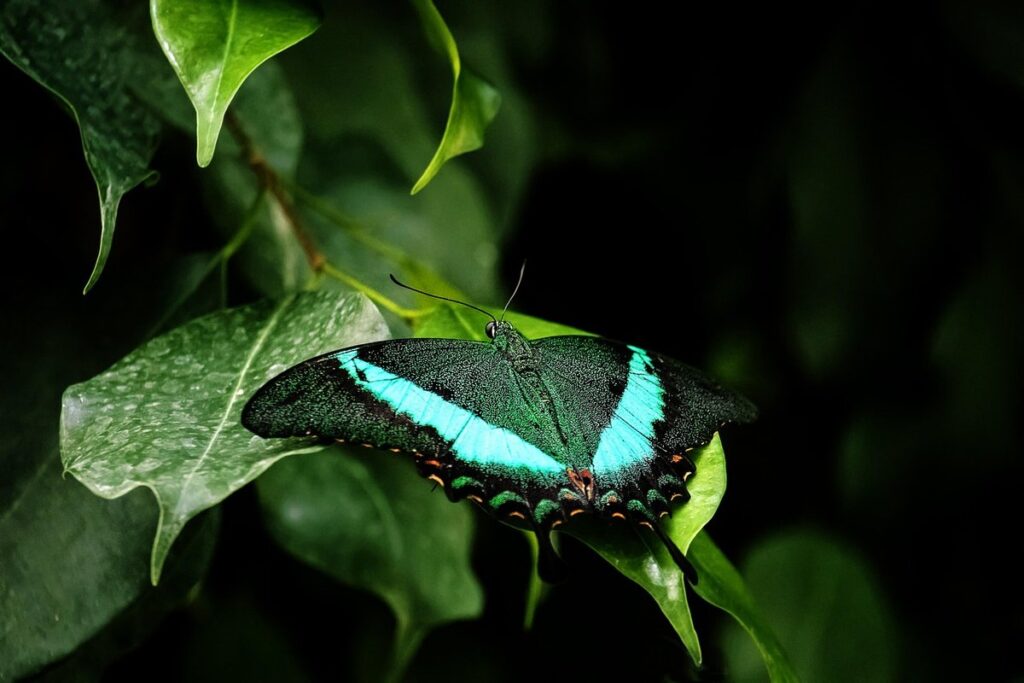
Benefits of Planting Hedges for Wildlife
Planting hedges for wildlife can have a profound impact on the biodiversity of your garden, providing vital food and shelter for many species. By choosing the right plants, you can create a haven for local wildlife to thrive in.
Attracting Pollinators and Beneficial Insects
Pollinators like bees, butterflies, and other beneficial insects play a vital role in maintaining ecosystem health. Without these essential visitors, many plants would be unable to reproduce, and our food supply would be severely impacted. When planting hedges for wildlife, it’s crucial to incorporate nectar-rich flowers that will attract and support these pollinators.
Consider incorporating native wildflowers like lavender, coneflower, or black-eyed Susan into your hedge design. These flowers are rich in nectar and pollen, making them a haven for bees and butterflies. Planting a mix of single-petaled and double-petaled flowers can also provide a source of food for these pollinators throughout the growing season.
To create a pollinator-friendly hedge, remember to:
* Choose native plants that are well-suited to your local climate and soil type
* Incorporate a variety of nectar-rich flowers to provide a constant source of food
* Avoid using pesticides, which can harm or kill pollinators
* Provide a source of water for these essential visitors by installing a shallow dish or birdbath with fresh water
Providing Shelter and Habitat for Small Animals
When planting hedges for wildlife, it’s essential to consider providing sheltered pathways for small animals to move through safely. Hedgerows act as crucial corridors, offering protection from predators and harsh weather conditions. For example, rabbits and hares often use hedgerows as a safe haven during hunting seasons or extreme weather events.
To create an effective hedge that accommodates the diverse needs of wildlife, it’s vital to incorporate a variety of plant species. This diversity is especially important for birds, which require different types of plants for nesting, feeding, and roosting. Consider planting native shrubs like hawthorn, blackthorn, or hazel, which provide berries and seeds that sustain local bird populations.
When designing your wildlife-friendly hedge, think about layering different plant species to create a diverse habitat. Incorporate low-growing shrubs at the base for shelter, mid-level plants for perching birds, and tall trees for nesting sites. This layered approach ensures that small animals have access to the food, shelter, and protection they need to thrive in their natural environment.
Choosing the Right Hedge Plants for Wildlife
When selecting hedge plants, it’s essential to choose varieties that provide a source of food and shelter for local wildlife, think native flowers and berrying shrubs. This can make all the difference to their survival.
Native Plant Species: A Key Component of Wildflower Meadows
When it comes to creating a wildlife-friendly garden, incorporating native plant species is essential. These plants are adapted to local climates and soils, providing a natural food source for local wildlife that’s hard to replicate with non-native plants. By choosing native species, you’ll be supporting biodiversity in your garden and creating a haven for local wildlife.
Wildflower meadows play a crucial role in supporting biodiversity, and incorporating native plant species is key to their success. These meadows provide a variety of habitats for insects, birds, and mammals, including flowers that attract pollinators, grasses that shelter small animals, and shrubs that offer food and shelter for larger species.
To create your own wildflower meadow, start by selecting native plant species that thrive in your local climate. Research which plants are native to your area and choose a mix of annuals and perennials to ensure year-round interest. Consider the soil type and moisture levels when selecting plants, and don’t be afraid to experiment with different combinations to see what works best for your garden. By incorporating native plant species into your wildflower meadow, you’ll be creating a haven that supports local wildlife and enhances biodiversity in your garden.
Coniferous and Evergreen Options for Year-Round Interest
When choosing hedge plants for wildlife, it’s essential to consider coniferous and evergreen options that provide year-round interest and habitat. These plants remain green throughout the seasons, offering shelter from harsh winter weather conditions when other plants are dormant.
Some excellent coniferous and evergreen hedge plant options include Leyland cypress (Cupressus x leylandii), Colorado blue spruce (Picea pungens), and Japanese cedar (Cryptomeria japonica). These plants not only provide a habitat for wildlife but also help to reduce soil erosion and create a natural windbreak.
In addition to coniferous species, some popular evergreen hedge plants include boxwood (Buxus sempervirens) and holly (Ilex aquifolium). These plants can be pruned regularly to maintain a neat and tidy shape, making them perfect for formal or informal gardens. When selecting coniferous or evergreen hedge plants, consider factors such as mature height, growth rate, and soil requirements to ensure the best results for your garden and its inhabitants.
Hedge Plant Selection for Specific Wildlife Needs
When it comes to creating a wildlife haven, choosing the right hedge plants is crucial. Let’s explore which varieties are best suited to attract specific types of wildlife to your garden.
For Birds: Nectar-Rich Flowers and Dense Foliage
When it comes to attracting birds to your garden hedge, providing nectar-rich flowers and dense foliage is crucial. These elements serve as a vital source of food and shelter for our feathered friends. Birds rely heavily on nectar as a primary energy source, especially during breeding seasons when they require an abundance of calories to feed their young.
Incorporating plants with rich nectar flows, such as lavender, rosemary, or coneflower, into your hedge design can have a significant impact on attracting birds. These flowers are particularly attractive to species like hummingbirds and sunbirds that specialize in sipping nectar from tubular flowers. Consider planting a mix of annuals and perennials with varying bloom times to ensure a constant supply of nectar throughout the growing season.
In addition to nectar-rich flowers, providing dense foliage within your hedge is essential for offering birds a safe haven from harsh weather conditions and predators. Dense shrubs like holly or pyracantha provide ideal hiding spots for birds, allowing them to feel secure while foraging for food nearby.
For Insects: Lavender, Rosemary, and Other Insect-Friendly Plants
When it comes to creating a haven for wildlife in your garden, incorporating insect-friendly plants into your hedgerow is a crucial step. Certain plants, such as lavender and rosemary, are particularly beneficial to pollinators due to their nectar-rich flowers and pest-repellent properties. These fragrant herbs not only attract a variety of bees, butterflies, and other beneficial insects but also help deter pests that can harm your garden.
Lavender, for instance, is a favorite among bees, which use its nectar to produce honey. Its fragrance also repels mosquitoes and flies, making it an excellent choice for hedgerows. Rosemary, on the other hand, attracts hoverflies and lacewings, both of which feed on pests that can harm your garden. Other insect-friendly plants suitable for hedgerows include marjoram, thyme, and oregano. These herbs are easy to grow and require minimal maintenance, making them perfect for adding a touch of biodiversity to your garden.
By incorporating these insect-friendly plants into your hedgerow, you’ll not only be creating a haven for wildlife but also attracting beneficial insects that will help pollinate your plants and keep pests at bay. So go ahead, plant some lavender or rosemary, and watch your garden come alive with the buzzing of bees and butterflies!
Designing a Wildlife-Friendly Hedge
When choosing hedge plants for wildlife, designing a welcoming habitat is key. This section will guide you through selecting and arranging plants to create a thriving haven for local species.
Creating a Diverse and Dynamic Habitat
When designing a wildlife-friendly hedge, it’s essential to create a diverse and dynamic habitat that supports a wide range of species throughout the year. A single-species hedge can be limiting for wildlife, as it often attracts only one or two types of insects, birds, or mammals.
To create a thriving ecosystem, aim for a multi-layered hedge with varying plant heights, growth habits, and flowering times. This will provide food, shelter, and habitat for diverse species at different stages of their life cycles. For example, you can include tall trees like oak or hazel that offer nesting sites and berries, mid-level shrubs like hawthorn or blackthorn with nectar-rich flowers, and low-growing plants like thyme or wild garlic that provide food for pollinators.
When selecting plants, consider the seasonality of their growth habits. Incorporate evergreen species like boxwood or yew to provide year-round shelter, while deciduous trees like willow or silver birch offer seasonal habitats. By incorporating a mix of plant types and sizes, you’ll create a dynamic habitat that supports wildlife throughout the changing seasons.
Incorporating Seasonal Interest: A Year-Round Tapestry
When designing a wildlife-friendly hedge, incorporating plants with different blooming seasons is crucial for creating a dynamic display of color and interest throughout the year. This approach not only supports local biodiversity but also provides a constant source of nectar-rich flowers that will attract a variety of pollinators and beneficial insects.
For example, choose plants like snowdrops (Galanthus) or winter-flowering heather (Erica carnea) for early winter blooms, followed by crocuses (Crocus), daffodils (Narcissus), and grape hyacinths (Muscari) in late winter to early spring. As summer approaches, incorporate plants like coneflowers (Echinacea), black-eyed Susans (Rudbeckia), and lavender (Lavandula), which will continue to attract pollinators and provide shelter for wildlife.
To maximize the benefits of a seasonal display, consider the following tips:
* Plant multiple species with different blooming periods to ensure a continuous supply of nectar-rich flowers.
* Incorporate plants with varying heights and textures to create a visually appealing tapestry.
* Choose plants that are native to your region, as they will be more attractive to local pollinators and wildlife.
Maintenance and Management for Optimal Wildlife Benefits
Now that you’ve planted your hedge, it’s time to think about how to keep it thriving for the wildlife that calls it home. Regular maintenance is essential for optimal wildlife benefits.
Mulching and Pruning: Essential Techniques for Healthy Plants
Mulching and pruning are two crucial techniques that play a vital role in maintaining healthy hedge plant growth. This is especially important for attracting and supporting wildlife throughout their lifespan. Mulch serves as a protective barrier against extreme temperatures, retains moisture, and suppresses weeds. When choosing mulch, consider using organic materials like wood chips or bark shavings, which are gentle on the soil and don’t contain chemicals that could harm animals.
Pruning is another essential practice for promoting healthy growth and encouraging wildlife-friendly features in your hedge plants. Regular pruning helps maintain the plant’s shape, promotes new growth, and encourages flowering. This can be achieved through selective pruning, where you remove dead or damaged branches to allow for air circulation and sunlight penetration. It’s also beneficial to prune during specific times of the year to promote blooming or fruiting, depending on the type of hedge plant.
When pruning, consider using hand tools instead of power equipment, as this allows for more precision and care in handling delicate branch structures that may be home to wildlife. This approach not only benefits the plants but also minimizes disruption to the habitat you’re creating.
Avoiding Chemical Pesticides and Fertilizers
When creating a wildlife-friendly garden, it’s essential to consider what you put into the soil and air. Chemical pesticides and fertilizers might seem like an easy solution for maintaining a lush hedge, but they can have devastating effects on the very creatures you’re trying to attract. These substances can harm beneficial insects like bees, butterflies, and ladybugs that rely on your plants for food and shelter.
In fact, research has shown that using chemical pesticides can kill off up to 70% of beneficial insects in a single application. This can have a ripple effect throughout the ecosystem, causing populations of other wildlife to decline as well. To avoid these problems, consider adopting integrated pest management (IPM) techniques, such as introducing beneficial insects or using physical barriers to deter pests.
For example, you could try attracting natural predators like ladybugs or lacewings by planting their favorite flowers nearby. Alternatively, use natural deterrents like garlic or hot peppers to repel pests without harming them. By making these simple changes, you can create a haven for wildlife in your garden that’s both beautiful and sustainable.
Frequently Asked Questions
What is the ideal size for a wildlife-friendly hedge?
The ideal size will depend on your specific garden needs, but as a general rule of thumb, aim to create hedges that are around 1-2 meters (3-6 feet) tall and wide. This will provide ample space for plants to grow while also creating a barrier for small animals and insects.
How do I maintain my hedge plant selection during different seasons?
Regular maintenance is essential for ensuring your hedge remains healthy and provides optimal benefits for wildlife. During spring, prune or trim back dead flowers and foliage; in summer, water regularly and provide some shade; and in autumn, clear away fallen leaves to prevent pest buildup.
Can I use evergreen plants if I live in a cold climate?
Yes, evergreen plants are an excellent choice for creating year-round interest in your wildlife-friendly hedge. Many species of conifers and broad-leaved trees thrive in cold climates, providing shelter and habitat for small animals even during the harshest winter months.
How do I know which native plant species will work best with my local climate?
Start by consulting a database or website that provides information on native plant species suitable for your specific region. You can also consult with a local nursery or gardening expert who has experience with plants adapted to your area’s unique conditions.
What are some common challenges in maintaining a wildlife-friendly hedge, and how do I address them?
Common challenges may include pest infestations, disease outbreaks, or inadequate sunlight. Address these issues promptly by implementing integrated pest management strategies, providing sufficient pruning and maintenance, and optimizing plant placement for optimal sunlight exposure.