
Are you ready to unleash your inner gardener and create a vibrant haven that attracts pollinators, soothes the soul, and adds visual charm to your outdoor space? A wildflower meadow is just what you need. Not only do these beautiful plant communities provide an explosion of color in the summer months, but they also offer numerous benefits for wildlife and our environment.
But where do you start when creating a thriving wildflower meadow? That’s exactly what we’re here to help with. In this comprehensive guide, we’ll delve into the world of types and benefits of wildflower meadows, providing expert advice on plant selection, maintenance, and case studies from real-life projects. Whether you’re a seasoned gardener or just starting out, by the end of this article, you’ll have a clear understanding of how to create your own stunning wildflower meadow that will thrive for years to come.
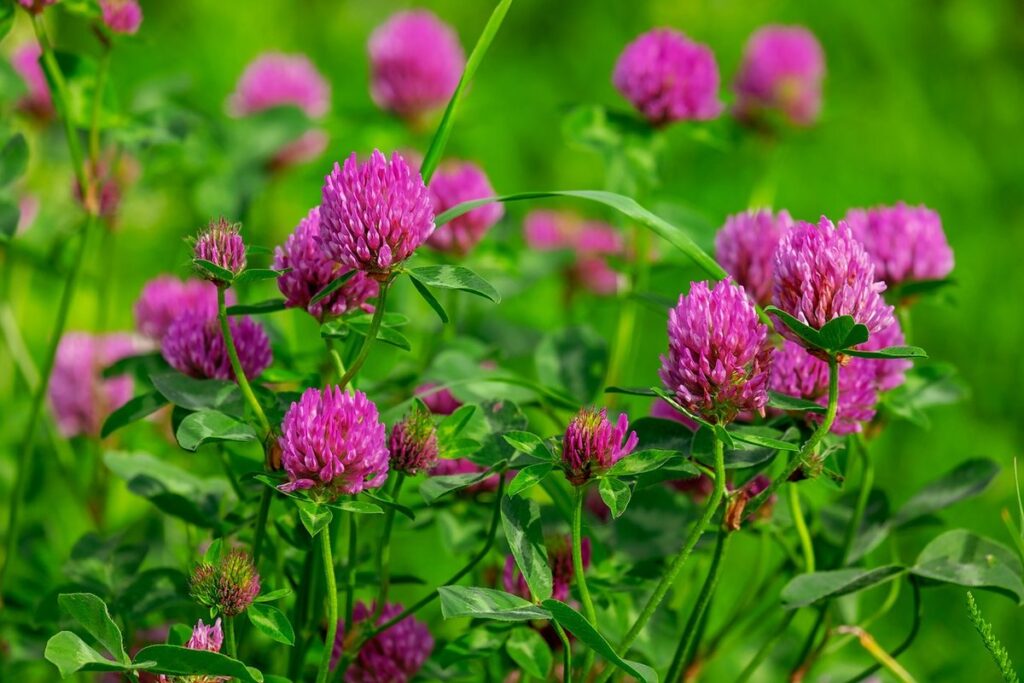
Understanding Wildflower Meadows
Wildflowers meadows are a natural wonder, but have you ever wondered what makes these areas thrive? In this section, we’ll explore the key factors that contribute to their success.
What are Wildflower Meadows?
A wildflower meadow is a diverse and vibrant ecosystem that showcases a variety of native plant species growing together in harmony. These natural areas are typically characterized by open spaces with minimal tree cover, allowing sunlight to reach the soil and promote lush growth. Wildflower meadows can be found in various regions worldwide, including temperate climates, grasslands, and even some mountainous areas.
The importance of wildflower meadows cannot be overstated. They provide a crucial habitat for pollinators such as bees, butterflies, and other insects, which are essential for the reproduction of many plant species. Additionally, these ecosystems help maintain soil health through their extensive root systems, preventing erosion and retaining moisture. By preserving or creating wildflower meadows, individuals can support biodiversity, improve air quality, and even contribute to climate regulation.
In fact, studies have shown that areas with high levels of native vegetation like wildflower meadows tend to have higher water retention capacities than those dominated by non-native species.
Types of Wildflower Meadows
When it comes to wildflower meadows, there’s no one-size-fits-all approach. Different regions and climates support various types of wildflower meadows, each with its unique characteristics and plant species.
One type of wildflower meadow is the dry meadow, which thrives in areas with low rainfall and well-draining soil. These meadows are often found in areas like prairies or open grasslands. Plants like purple coneflower, black-eyed Susan, and cosmos do particularly well in dry conditions, requiring minimal watering to survive.
Wet meadows, on the other hand, flourish in areas with high rainfall or where water accumulates. These meadows are often found near streams, rivers, or ponds. Plants like cattails, water lilies, and forget-me-nots love moist environments and can tolerate standing water for extended periods.
Alpine meadows exist at high elevations, above the tree line, where conditions are harsh and unpredictable. These meadows support a unique set of plants adapted to extreme weather fluctuations. Examples include gentian, alpine willowherb, and arctic poppy.
Benefits of Wildflower Meadows
Wildflower meadows offer numerous benefits that extend far beyond their picturesque landscapes. One of the most significant advantages is biodiversity. These meadows support a wide range of plant and animal species, which work together to create a thriving ecosystem. In fact, it’s not uncommon for wildflower meadows to host over 100 different types of plants, each providing food and shelter for various insects, birds, and mammals.
Pollination is another key benefit of wildflower meadows. As bees and other pollinators flit from flower to flower collecting nectar, they transfer pollen, allowing the plants to reproduce. This process is essential for maintaining the health and fertility of these meadows, as well as producing seeds for next year’s growth.
In addition to supporting biodiversity and pollination, wildflower meadows also play a vital role in carbon sequestration. By storing carbon in their roots, stems, and leaves, these plants help mitigate climate change. In fact, it’s estimated that a single acre of wildflower meadow can absorb up to 200 pounds of CO2 per year.
To maximize the benefits of your own wildflower meadow, consider incorporating native plant species, reducing pesticide use, and maintaining regular mowing schedules to encourage new growth.
Choosing the Right Plants for Your Meadow
When selecting plants for your meadow, it’s essential to choose species that thrive in your specific climate and will complement each other beautifully. Consider a mix of native wildflowers and grasses to create a stunning display.
Selecting Wildflowers for Different Conditions
When selecting wildflowers for your meadow, it’s essential to consider the specific conditions of your site. This includes sun exposure, soil type, and moisture levels, as each affects which plants will thrive.
For full sun (six or more hours of direct sunlight), choose species like black-eyed Susan, cosmos, and purple coneflower, which are known for their drought tolerance. In partial shade (four to six hours of indirect sunlight), opt for plants with deeper roots, such as bearded iris and bleeding heart. For areas with poor soil, consider wildflowers that can tolerate alkaline or acidic conditions, like meadow sages and lupines.
For wet meadows, look for species adapted to standing water or high moisture levels, such as cattails and irises. If your site is prone to flooding, choose plants with deep taproots, like joe-pye weed and goldenrod. Understanding the conditions on your land will help you select a diverse mix of wildflowers that not only flourish but also provide a haven for local wildlife.
When planting in areas with poor soil, consider adding organic matter like compost to improve drainage and fertility. By choosing wildflowers suited to your site’s specific conditions, you’ll create a thriving meadow ecosystem that requires minimal maintenance.
Considerations for Native vs. Non-Native Species
When it comes to choosing plants for your wildflower meadow, one crucial consideration is whether to opt for native species or introduce non-native varieties. While non-native plants may offer attractive blooms and low maintenance, they can have a devastating impact on the local ecosystem.
Native species, on the other hand, are specifically adapted to thrive in your region’s climate and soil conditions. They provide a vital source of food and shelter for native pollinators, birds, and other wildlife, supporting the delicate balance of nature. By choosing native plants, you’ll also be reducing the risk of invasive species taking over and displacing native vegetation.
However, introducing non-native plants can lead to a range of problems, including:
* Displacement of native species
* Alteration of local ecosystems
* Spread of disease and pests
* Increased maintenance costs
To minimize potential risks, start by researching native plant species specific to your region. Look for plants that are well-suited to your meadow’s climate, soil type, and sunlight conditions. Consider working with a local nursery or landscaper who specializes in native plants to ensure you’re selecting the right varieties for your area. By choosing wisely, you’ll be creating a thriving ecosystem that supports the unique biodiversity of your region.
Tips for Planting a Successful Wildflower Meadow
When planting a successful wildflower meadow, it’s essential to consider the initial preparation and ongoing maintenance. Begin by selecting a spot with well-draining soil and full sun to partial shade. Remove any debris, grass, or weeds, and loosen the soil to a depth of 8-10 inches using a rototiller or spade.
Sow wildflower seeds in late summer or early fall, about 1/4 inch deep and 6-12 inches apart, depending on the variety. Rake the soil gently to ensure good contact between the seeds and the soil. Water lightly but thoroughly after sowing, and keep the area consistently moist during the first growing season.
To maintain a healthy wildflower meadow, avoid mowing or tilling during its first year of growth. Instead, trim back tall species by one-third in late spring to promote bushy growth and prevent seed production. Also, consider incorporating a mix of native grasses and flowers to create a diverse ecosystem that requires minimal maintenance over time. By following these steps, you’ll be well on your way to creating a vibrant and resilient wildflower meadow that will thrive for years to come.
Plant Selection: Popular Wildflowers for Meadows
When it comes to creating a vibrant and diverse wildflower meadow, choosing the right plants is crucial. Here are some of the most popular wildflowers that thrive in meadows across North America.
Spring-Blooming Wildflowers
As the weather warms up in spring, wildflowers start to emerge from their winter dormancy, painting the meadow with vibrant colors and adding interest to this beautiful landscape. One of the most popular and sought-after types of wildflowers for meadows are those that bloom in the spring, providing a stunning display of color just when the snow is melting and new life is bursting forth.
Some of the most popular spring-blooming wildflowers include bluebells (Hyacinthoides spp.), bloodroot (Sanguinaria canadensis), and Virginia bluebells (Mertensia virginica). These flowers are not only visually stunning, but they also attract pollinators like bees and butterflies to the meadow. Consider planting a mix of these wildflowers to create a dynamic and ever-changing landscape that will provide interest and beauty throughout the growing season.
To add spring-blooming wildflowers to your meadow, start by selecting a location with well-draining soil and full sun to partial shade. Plant seeds in the fall or early spring, following the specific sowing instructions for each species. With proper care and maintenance, these beautiful flowers will return year after year, bringing joy and color to your meadow.
Summer-Blooming Wildflowers
Summer-blooming wildflowers are a delight to behold, adding a burst of energy and vibrancy to your garden. These flowers not only provide a beautiful display of colors but also attract pollinators like bees, butterflies, and hummingbirds, making them an essential component of any meadow plant selection.
One of the most popular summer-blooming wildflowers is the Black-eyed Susan (Rudbeckia hirta). This daisy-like flower produces bright yellow petals with dark centers, attracting a variety of pollinators to your garden. Plant multiple stalks together for a stunning display of blooms that will attract bees and butterflies throughout the summer.
Another favorite among meadow plant enthusiasts is the Butterfly Milkweed (Asclepias tuberosa). This perennial wildflower produces clusters of bright orange or yellow flowers, which serve as a vital source of food for monarch butterfly caterpillars. Planting Butterfly Milkweed in your meadow will not only provide a beautiful display but also support the local pollinator population.
When selecting summer-blooming wildflowers for your meadow, consider choosing varieties that are native to your region and require minimal maintenance. This will ensure they thrive in your garden’s specific climate and soil conditions.
Fall and Winter Interest: Planting for Year-Round Beauty
When designing a wildflower meadow that offers year-round interest, it’s easy to focus on the vibrant blooms of spring and summer. However, incorporating plants with fall and winter interest can add depth and texture to your meadow, even when the majority of wildflowers have finished blooming.
Consider planting sedum species like Sedum spectabile or Sedum autumnale, which produce stunning white or pink flowers in late summer and early fall. These drought-tolerant plants also provide striking foliage throughout the winter months, adding a welcome burst of green to your meadow even when snow has blanketed everything else.
Other options for fall and winter interest include ornamental grasses like Pennisetum setaceum or Stipa tenuissima. These grasses produce delicate seed heads that add movement and texture to your meadow throughout the winter, while also providing a natural food source for wildlife during this time of year. By incorporating these plants into your design, you can create a beautiful and dynamic wildflower meadow that offers interest and beauty throughout every season.
Maintenance and Care of Your Wildflower Meadow
Now that you’ve established your beautiful wildflower meadow, it’s essential to learn how to properly maintain and care for these delicate flowers. This ensures they continue to thrive in their new home.
Watering and Irrigation Strategies
Watering and irrigating a wildflower meadow can be a delicate balance, but with the right strategies, you can ensure your flowers receive just the right amount of moisture. One effective approach is rainwater harvesting – collecting and storing rainwater for future use. This not only reduces your water bill but also minimizes the risk of over-watering, which can lead to root rot and other issues.
To set up a rainwater harvesting system, you’ll need to install a guttering system on your meadow’s roof or surrounding areas, allowing rainwater to flow into storage tanks. From there, it can be distributed through an efficient irrigation system, such as soaker hoses or drip irrigation lines. These systems deliver water directly to the roots of plants, reducing evaporation and runoff.
In addition to rainwater harvesting, consider using smart irrigation controllers that adjust watering schedules based on weather conditions, soil moisture levels, and other factors. This technology can help you avoid over-watering and ensure your wildflowers receive exactly what they need to thrive. By implementing these strategies, you’ll not only conserve water but also create a healthier, more resilient meadow ecosystem.
Mowing and Pruning Techniques
When it comes to maintaining your wildflower meadow, mowing and pruning are crucial techniques that promote healthy growth and prevent weeds from taking over. Regular maintenance helps to encourage the desired wildflowers while suppressing unwanted species.
It’s essential to mow at the right time – typically in late autumn or early spring when your wildflowers are dormant. This prevents damage to new shoots and flowers, allowing them to establish a strong root system for the following growing season. When mowing, keep your mower blade set to its highest setting to avoid cutting too low.
Pruning techniques also play a vital role in maintaining your meadow’s health. Remove any dead or damaged stems in late winter or early spring, making clean cuts just above a node (where a leaf meets the stem). This encourages new growth and prevents disease from spreading.
By adopting these mowing and pruning techniques, you’ll be well on your way to creating a thriving wildflower meadow that’s teeming with life. Regular maintenance also helps prevent weeds like thistles or docks from dominating the space, allowing your chosen wildflowers to flourish.
Managing Weeds and Pests in Your Meadow
Managing weeds and pests is an essential part of maintaining a healthy and thriving wildflower meadow. As your meadow grows and matures, you may start to notice unwanted visitors – weeds and pests that can quickly take over if left unchecked.
Firstly, let’s talk about identifying common weeds in your meadow. Dandelions (Taraxacum officinale), thistles (Cirsium spp.), and ragwort (Senecio jacobaea) are some of the most prevalent weeds you might encounter. These plants often have distinct characteristics that set them apart from wildflowers, such as prickly stems or distinctive flowers. Familiarize yourself with these weeds so you can spot them early on.
To control weeds, focus on prevention rather than reaction. Regularly mow your meadow to suppress weed growth, and use a technique called “strimming” to remove individual weeds before they produce seeds. You can also introduce beneficial insects like ground beetles or parasitic wasps that prey on pests, helping to maintain a balance in the ecosystem.
For pest management, keep an eye out for signs of infestation, such as holes in leaves or flowers eaten away. Organic control methods include using neem oil or insecticidal soap to deter pests, while physical barriers can help prevent animals like rabbits and deer from feeding on your wildflowers.
Case Studies: Successful Wildflower Meadows Around the World
Let’s explore real-life examples of thriving wildflower meadows from around the globe, highlighting the unique characteristics and challenges faced by each region. From Europe to North America, we’ll take a closer look at what makes these ecosystems so successful.
Examples of Large-Scale Wildflower Meadow Projects
Large-scale wildflower meadow projects have been instrumental in revitalizing local ecosystems worldwide. Take, for instance, the 40-acre wildflower meadow project implemented by the Royal Botanic Gardens, Kew, in the UK. This ambitious undertaking aimed to recreate a traditional chalk grassland ecosystem, which had significantly declined due to intensive farming practices. The gardeners spent months preparing the site, planting over 70 different species of wildflowers and installing specialized irrigation systems.
The outcome was remarkable – within just two years, the area teemed with life, attracting numerous pollinators, including bees and butterflies. This meadow now serves as a vital habitat for local wildlife, while also providing a picturesque setting for visitors to enjoy. Similarly, in France, the 100-acre wildflower meadow project at the Château de Chaumont-sur-Loire showcases the potential of large-scale restoration efforts. By replanting native species and introducing sustainable farming practices, this project has not only enhanced biodiversity but also promoted eco-tourism in the region.
These projects demonstrate that even on a grand scale, wildflower meadows can be successfully created and maintained with careful planning and execution.
Smaller-Scale Gardening Projects Featuring Wildflowers
Smaller-scale gardening projects featuring wildflowers can be just as stunning and beneficial as larger meadows. These compact spaces showcase the versatility of wildflowers and their ability to thrive in even the smallest areas.
For instance, a rooftop garden or a tiny backyard can be transformed into a miniature wildflower meadow using carefully selected species that are adapted to container growing or have low space requirements. A mix of native wildflowers such as coneflowers, black-eyed Susans, and cosmos can create a vibrant display of colors and textures in just a few square feet.
To get started with your own small-scale wildflower project:
* Choose compact varieties of native species that are suitable for container growing or have low space requirements
* Select a mix of perennial and annuals to ensure year-round interest
* Prepare the soil by adding organic matter and incorporating beneficial microorganisms
* Plant in spring or fall, when the weather is mild and rainfall is more consistent
By following these steps, even the smallest outdoor spaces can become a haven for wildflowers, supporting biodiversity and providing a beautiful display of colors.
Conclusion: Tips and Next Steps for Creating Your Own Wildflower Meadow
Creating your own wildflower meadow is a rewarding experience that requires patience, planning, and maintenance. To ensure its success, start by selecting a suitable location with well-draining soil and full sun to partial shade. Consider the native plants in your area and choose species that are adapted to your climate. Prepare the site by removing any debris, tilling the soil, and adding compost or fertilizer as needed.
Next, sow your wildflower seeds at the right time for your region, typically in late summer or early fall. Water gently but thoroughly, and keep the soil consistently moist during the first growing season. Once established, your meadow will require minimal maintenance, simply mowing it once a year to promote healthy growth and prevent weeds from taking over.
With proper care and attention, your wildflower meadow will thrive for years to come, providing a beautiful and sustainable haven for local wildlife and enjoyment for you and your family.
Frequently Asked Questions
Can I plant a wildflower meadow in a shaded area?
While most wildflowers require full sun to thrive, there are some species that can tolerate partial shade. Consider planting shade-tolerant wildflowers like Columbine or Bleeding Heart in areas with dappled sunlight. Be aware that even shade-tolerant wildflowers will still require at least 4-6 hours of direct sunlight per day.
How do I prevent weeds from overtaking my wildflower meadow?
Weeds can be a significant challenge for any meadow. To prevent them from taking over, implement a regular maintenance routine including mowing and pruning every 2-3 weeks during the growing season. Consider using a combination of physical removal methods (e.g., hand-pulling) and chemical control measures as needed.
Can I plant native wildflowers in areas with poor soil quality?
While some native wildflowers can thrive in poor soil conditions, others may require better soil quality to grow well. Research specific wildflower species suitable for your region’s soil type. Consider amending the soil with organic matter like compost or manure to improve its structure and fertility.
How do I incorporate year-round interest into my wildflower meadow?
To create a meadow that remains beautiful throughout the seasons, include a mix of spring-blooming, summer-blooming, and fall-winter interest plants. For example, consider adding bulbs like daffodils or tulips for early spring color, followed by summer-blooming wildflowers, and finally, incorporating evergreen shrubs or conifers for year-round texture.
Can I use a pre-mixed wildflower seed blend from my local nursery?
While pre-mixed seed blends can be convenient, they may not always provide the best results. Consider customizing your meadow with a mix of species chosen specifically for your region’s climate and soil type. This will ensure that your wildflowers thrive in their new environment.