
If you’re tired of seeing your garden’s hard work being slimed away by pesky slugs, then this is the solution you’ve been searching for. Beneficial nematodes have long been touted as a natural way to control slug infestations, but do they really live up to their reputation? The answer lies in harnessing the power of microscopic heroes that can devour slugs from the inside out.
In this article, we’ll delve into the world of beneficial nematodes and explore how these tiny organisms can help you reduce crop damage and promote a sustainable garden ecosystem. By learning more about the benefits and uses of nematodes for slug control, you’ll be well on your way to creating a thriving, slug-free garden that requires less maintenance and produces better yields.
Understanding Slug Infestations
When it comes to tackling a slug infestation, understanding what causes these pesky creatures to take over is crucial for effective control. Let’s explore the underlying factors behind their rapid multiplication.
The Damage Caused by Slugs
Slugs can be stealthy yet devastating garden pests, causing significant harm to plants and crops. When they feed on plant leaves and stems, they leave behind a trail of slime that’s rich in nutrients but poor in taste for the slug itself. This feeding behavior leads to crop damage, reduced yields, and weakened plant defenses.
In severe cases, slugs can decimate entire fields or gardens, resulting in substantial financial losses for farmers and gardeners. According to the UK-based Royal Horticultural Society, a single slug can eat up to 40 times its body weight in just one night, making them voracious feeders that can quickly overwhelm plant defenses.
Slugs also play a significant role in spreading diseases among plants. They can transfer fungal spores from infected plants to healthy ones through their saliva, creating a chain reaction of infection and decay. For instance, slugs are known carriers of the downy mildew fungus, which causes powdery patches on leaves and can lead to crop loss if left unchecked.
To prevent such damage, it’s essential to adopt effective pest control measures that address the root cause of the problem – in this case, the presence of slugs. This is where nematodes come into play, providing a targeted solution for controlling slug populations and safeguarding plant health.
Identifying Common Slug Species
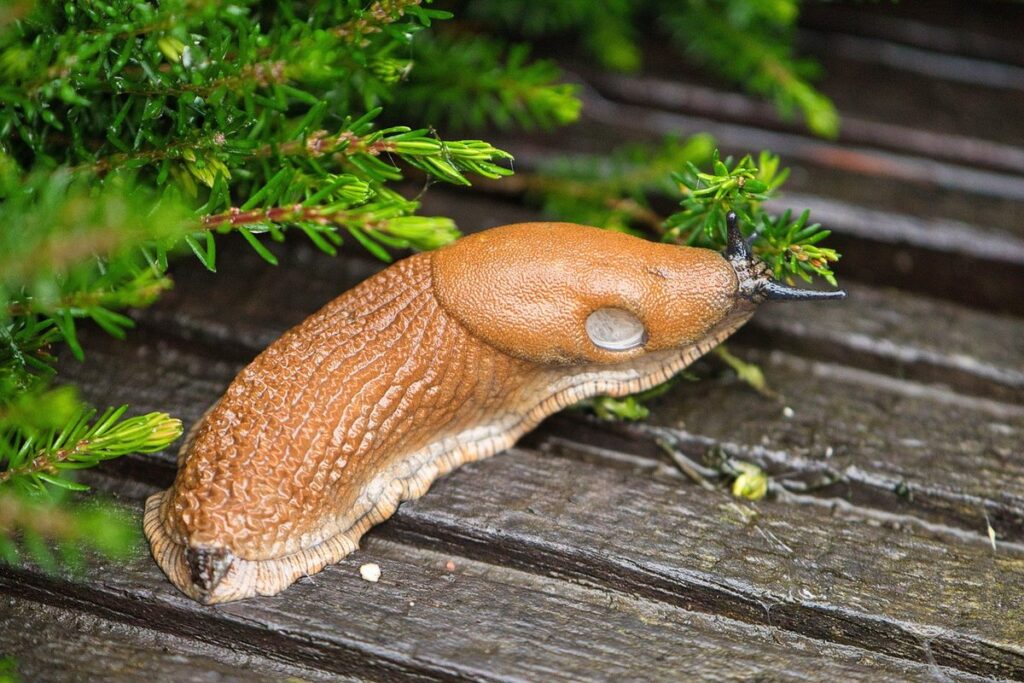
When it comes to identifying common slug species, knowing what you’re dealing with can be crucial in developing an effective nematode-based control strategy. One of the most widely recognized and problematic slugs is the Garden Slug (Arion hortensis), characterized by its grayish-brown color, oval-shaped body, and lack of a keel on its foot. This species thrives in moist environments and feeds on a wide range of garden plants.
Another common slug found in gardens and agricultural areas is the Black Slug (Arion ater), which has a distinctive black or dark brown color with a prominent keel on its foot. The Black Slug tends to inhabit areas with dense vegetation, where it can find shelter and food. Understanding these differences in physical characteristics can aid you in recognizing and controlling slug infestations.
Some key features to look out for when identifying slugs include their coloration, body shape, and the presence or absence of a keel on their foot.
Nematodes as a Natural Solution
Nematodes are tiny, microscopic worms that can be used to naturally control slug populations, providing an effective and eco-friendly pest management solution for gardeners. We’ll explore how these incredible organisms work their magic in this natural approach.
What Are Beneficial Nematodes?
Beneficial nematodes are microscopic, worm-like organisms that play a crucial role in controlling pest populations. These tiny heroes are naturally occurring and can be found in soil worldwide. They feed on the larvae of slugs, as well as other insect pests, making them an effective and eco-friendly solution for gardeners and farmers.
Beneficial nematodes work by infecting the larvae of target species, eventually killing them from within. This process is often referred to as “biological control.” Once a slug larva ingests a beneficial nematode, the nematode multiplies inside the host’s body, causing it to swell and die.
In terms of their role in controlling pest populations, beneficial nematodes are highly specific, targeting only certain species. This means they won’t harm beneficial insects or other organisms in your garden. By introducing these microscopic predators into your soil, you can create a balanced ecosystem that naturally regulates slug populations. To use beneficial nematodes effectively, apply them to moist soil during the spring and fall seasons when slugs are most active.
How Nematodes Target Slugs
Nematodes have a unique life cycle that allows them to target and attack slugs with remarkable efficiency. As they hunt their prey, nematodes exhibit a fascinating behavior known as “chemotaxis,” which enables them to track down the chemical cues emitted by slugs.
As a slug feeds on plant matter, it releases carbon dioxide, ammonia, and other volatile compounds into its surroundings. These chemicals serve as a beacon for nematodes, guiding them towards their unsuspecting host. Once a nematode locates a slug, it penetrates the skin using its sharp Stylet-like mouthpart, injecting an antibiotic that paralyzes the slug.
The nematode then proceeds to feed on the slug’s internal tissues, further weakening its victim. Eventually, the slug succumbs to the nematode’s attack, becoming a meal for the predator. This stealthy hunting behavior is a testament to the incredible adaptability and effectiveness of nematodes in controlling slug populations.
It’s worth noting that this specific type of nematode-slug interaction is known as “parasitism,” where one organism benefits at the expense of another. By harnessing the power of these beneficial nematodes, gardeners can effectively manage slug populations without resorting to chemical pesticides.
Preparing for a Nematode-Based Pest Control Strategy
Before you start using nematodes to control slugs, it’s essential to prepare your garden and ensure these tiny warriors can do their job effectively. Let’s walk through the key steps to get started.
Choosing the Right Nematode Product
When it comes to nematode-based pest control, selecting a high-quality product is crucial for effective results. A good nematode product will have the right balance of species, strain, and concentration to target slugs effectively.
Firstly, look for products that contain Steinernema or Heterorhabditis nematodes, as these are specifically adapted to target slug populations. Also, ensure that the product contains a sufficient number of nematodes per application – typically, this ranges from 10 million to 100 million per square meter.
Another critical factor is the shelf life and viability of the nematodes. Choose products that have been stored in sterile conditions and have a guaranteed potency for at least six months. This ensures that the product will remain effective throughout its intended use period.
Lastly, consider the compatibility of the product with your specific environment and slug species. Some nematode products are tailored to address specific pests or climate conditions, so be sure to select one that aligns with your needs.
Applying Nematodes Effectively
Applying nematodes effectively requires careful consideration of timing, dosage, and application method. The ideal time to apply nematodes is typically when the slug population is at its peak, usually during spring or fall. However, it’s essential to ensure that the soil temperature is within the optimal range for nematode activity, which varies depending on the species.
For most nematode products, a rate of 10-20 million infective juveniles per square meter is recommended. It’s crucial to follow the specific dosage instructions provided with your product, as over-application can be just as ineffective as under-application. Application methods may include soil drenching, irrigation water addition, or direct application to areas where slugs are most active.
To maximize effectiveness, apply nematodes during calm weather conditions and avoid applying them when it’s about to rain or during periods of drought. This will help ensure the nematodes can effectively penetrate the soil and infect their hosts. By paying close attention to these factors, you’ll be able to harness the full potential of nematodes in controlling slug populations and protecting your plants.
Benefits and Drawbacks of Using Nematodes Against Slugs
When using nematodes against slugs, it’s essential to weigh their advantages and disadvantages to determine if they’re the right solution for your garden. This section will explore both sides of the coin.
Advantages of Nematode-Based Pest Control
When it comes to using nematodes against slugs, one of the most significant advantages is the reduced chemical use. By harnessing the power of these microscopic worms, you can eliminate the need for harsh pesticides and other chemicals that can harm the environment and contaminate soil. This not only benefits your garden or agricultural land but also contributes to a more sustainable future.
Another benefit of using nematodes is their cost-effectiveness. Unlike chemical-based pest control methods, which can be expensive in the long run, nematodes are a one-time investment that provides long-term results. They are also easy to use and require minimal maintenance, making them an attractive option for gardeners and farmers alike.
Environmental sustainability is yet another advantage of using nematodes against slugs. These beneficial organisms thrive in harmony with the ecosystem, promoting balance and reducing the risk of resistance development. By choosing nematodes over chemical pesticides, you’re taking a significant step towards creating a more eco-friendly and sustainable agricultural practice.
Potential Limitations and Concerns
While nematodes can be an effective tool against slugs, there are some potential limitations and concerns to consider. One of the main drawbacks is variable efficacy – the effectiveness of nematodes can vary depending on factors such as soil type, moisture levels, and temperature. This means that even with proper application, nematodes may not always provide the desired results.
Another consideration is sensitivity to weather conditions. Nematodes are typically applied during periods of optimal moisture, but if the weather turns dry or extremely wet, their effectiveness can be compromised. For example, if a nematode treatment is applied just before a prolonged period of drought, it’s unlikely to have much impact on slug populations.
Regulatory considerations also come into play. Some nematodes are classified as biopesticides, which may require special handling and application procedures. It’s essential to check local regulations and ensure that the product being used is registered for use in your area before applying it.
Maximizing Success with Nematode-Based Slug Control
To maximize your success with nematodes, you’ll want to learn how to combine these microscopic allies with other techniques for a truly effective slug control strategy. This section will walk you through that process.
Creating a Comprehensive Pest Management Plan
When it comes to effectively managing slugs and other pests on your property, integrating nematodes into a comprehensive pest management plan is crucial. A single control method may not be enough to completely eliminate the problem, as slugs can adapt and develop resistance over time.
A well-rounded approach should incorporate cultural controls, such as crop rotation and sanitation, to reduce slug habitats and populations. Physical barriers like copper tape or fine-mesh screens can also prevent slugs from reaching sensitive plants.
Chemical controls may be necessary in severe cases, but they can also have environmental impacts and harm beneficial organisms. Nematodes can be a key component of this plan, targeting specific pest species while minimizing the risk of collateral damage. To maximize success, it’s essential to identify and understand the root causes of your slug infestation.
This will allow you to tailor a control strategy that combines nematode-based treatments with other methods tailored to your specific needs. By integrating these approaches, you can achieve more effective pest management and minimize the reliance on chemical controls.
Monitoring and Evaluating Nematode Efficacy
Monitoring and evaluating the efficacy of nematode-based slug control is crucial to ensure that your efforts are yielding the desired results. To start with, it’s essential to establish a baseline for measuring success. This can be done by monitoring the slug population before releasing the nematodes. Record the number of slugs present in a specific area or plot, and note their distribution.
After introducing the nematodes, continue to monitor the slug population regularly. Observe any changes in the population density, noting if it’s decreasing or remaining stable. You can also look for signs of slug mortality, such as dead bodies or empty eggshells.
To take your monitoring efforts a step further, consider implementing a control plot where no nematodes are introduced. This will allow you to compare the results with the treated area and isolate the impact of the nematodes on the slug population. By tracking your data over time, you’ll be able to accurately assess the efficacy of your nematode-based slug control efforts and make necessary adjustments for future applications.
Long-Term Strategies for Maintaining Slug-Free Gardens
To truly safeguard your garden, you’ll need strategies that can be implemented over months and years to prevent slug populations from rebounding after initial control measures are taken. This section explores those long-term approaches.
Building Resilient Ecosystems
Building a balanced ecosystem that promotes beneficial organisms is crucial for maintaining a slug-free garden. When nematodes are introduced into this environment, they thrive and multiply rapidly, creating an effective control mechanism against slugs. However, to achieve optimal results, it’s essential to understand the delicate balance required.
To build resilient ecosystems, focus on creating a diverse range of microorganisms that coexist harmoniously with your garden’s plants. This includes introducing beneficial insects like ladybugs, lacewings, and ground beetles, which prey on slugs and other pests. Companion planting is another effective technique to encourage a balanced ecosystem. For instance, planting marigolds alongside tomatoes can deter nematodes from targeting the tomato plants while attracting beneficial organisms.
Incorporating organic matter like compost or manure into your soil also fosters a diverse microbial community that promotes nematode reproduction and activity. This will ultimately lead to a more robust ecosystem capable of regulating pest populations naturally.
Ongoing Maintenance and Monitoring
Maintaining a healthy garden ecosystem is crucial to prevent slug infestations from recurring. One effective way to achieve this is by introducing beneficial nematodes as a long-term strategy. These microscopic worms can be applied annually, typically during the spring or fall, depending on your climate.
To ensure their effectiveness, it’s essential to monitor your garden regularly for potential pest issues. Start by observing your plants’ leaves and stems for signs of slug damage, such as holes or chewed edges. Also, inspect the soil for any nematode activity, which can be indicated by a decrease in slug populations or an increase in beneficial insect life.
In addition to monitoring, maintain a balanced garden ecosystem by incorporating practices like crop rotation, composting, and mulching. These methods promote healthy plant growth while discouraging pests from thriving. By combining these strategies with regular nematode applications, you’ll be well-equipped to manage slug infestations and protect your garden for years to come.
Keep in mind that nematodes may not eliminate every last slug, but they will significantly reduce the population over time. This is a sustainable approach to pest control that requires minimal maintenance and can save you money on chemical treatments.
Frequently Asked Questions
How soon can I expect to see results after applying nematodes for slug control?
You should start seeing the effects of nematode application within a few days, but it may take up to two weeks for complete population reduction. The timing depends on factors such as nematode concentration, application method, and environmental conditions. To maximize effectiveness, ensure proper application and follow-up treatments.
Can I use nematodes alongside other pest control methods?
Yes, beneficial nematodes can be integrated into an existing pest management plan. They work well in conjunction with other methods like hand-picking, barriers, and organic baits. For optimal results, consider the compatibility of different approaches and adjust your strategy accordingly.
Are there any specific environmental conditions that affect nematode efficacy?
Yes, factors such as soil moisture, temperature, and sunlight exposure can impact nematode activity. Generally, beneficial nematodes thrive in temperatures between 40°F to 90°F (4°C to 32°C) and prefer moist environments. Optimize application timing based on local climate conditions for the best outcomes.
How do I ensure the long-term effectiveness of nematodes against slug infestations?
To maintain a healthy ecosystem and prevent re-infestation, consider factors such as crop rotation, soil health, and nutrient balance. Regularly monitor for signs of new slug activity and adjust your strategy as needed. This may involve periodic nematode applications or introducing natural predators.
Can I use beneficial nematodes to control other pests besides slugs?
Beneficial nematodes are primarily designed for managing slugs and snails but can also be effective against various insect pests, including grubs and caterpillars. When choosing a nematode product, consider the target pest species and select a formulation specifically suited to your needs.