
As a gardener or farmer, you’re likely no stranger to pests that can ravage your crops. One particularly pesky insect is the cabbage root fly, which lays its eggs in the soil near plant roots and causes damage as the larvae feed on them. Effective cabbage root fly control methods are essential for protecting your harvests and maintaining a sustainable garden or farm. In this article, we’ll explore various control measures to help you manage this problem, including physical barriers, traps, and chemical controls. We’ll also discuss preventive measures that can be taken to minimize the risk of infestation in the first place. By the end of this post, you’ll have a better understanding of how to keep cabbage root flies at bay and ensure a healthy crop yield.
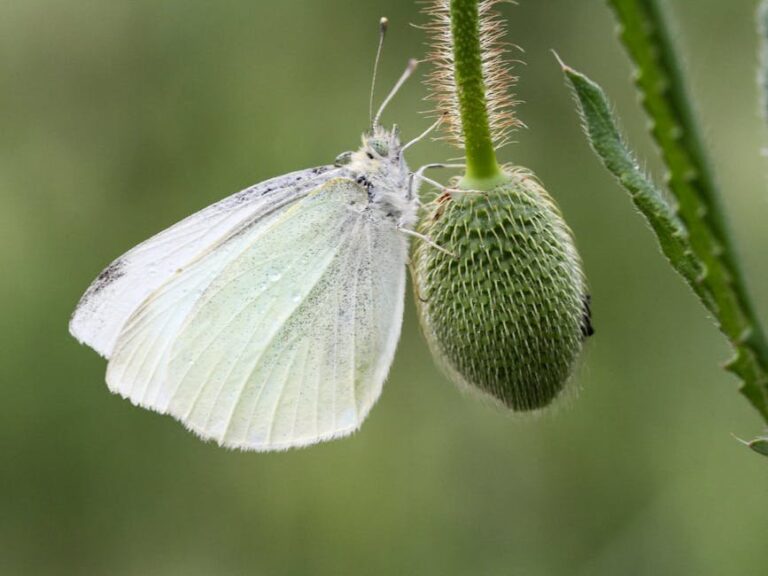
Understanding Cabbage Root Fly Problem
So you’re wondering what causes those pesky cabbage root flies, let’s dive into understanding the problem and identify its underlying causes.
Identifying Signs of Infestation
If you suspect that your cabbage crop is being affected by cabbage root flies, it’s essential to identify the signs of infestation early on. One common sign is wilting leaves, which can appear suddenly and without warning. This can be a challenging symptom to diagnose, as it can also be caused by other factors such as drought or nutrient deficiencies.
Another telltale sign is yellowing leaves, often accompanied by stunted growth. Cabbage root flies lay their eggs in the soil near the cabbage roots, and when the larvae hatch, they feed on the roots, causing the plant to become nutrient-starved. As a result, the leaves may turn yellow and wilt.
To confirm the presence of cabbage root fly infestation, look for other signs such as small holes or tunnels in the roots or crown area of the plants. These are usually caused by the larvae burrowing through the soil to reach their food source. If you notice any of these symptoms, it’s crucial to take action promptly to prevent further damage and ensure a healthy crop.
Impact on Crop Yield and Quality
Cabbage root fly infestations can have devastating effects on crop yield, quality, and overall profitability for farmers. One of the primary concerns is the reduction in crop yield. Cabbage root flies lay their eggs near the base of cabbage plants, where they hatch into maggots that feed on the roots, causing damage to the plant’s ability to absorb water and nutrients. This can lead to a significant decrease in crop yield, resulting in financial losses for farmers.
In addition to reduced yields, cabbage root fly infestations also impact the quality of the crop. Damaged roots can cause plants to become stunted or weakened, leading to lower-quality produce that may not meet market standards. This can further reduce profitability as farmers may need to sell their crops at a lower price or dispose of them altogether.
To give you an idea of just how severe this issue can be, consider the following statistics: in a study conducted by the University of California, it was found that cabbage root fly infestations reduced cabbage yields by up to 50%. To mitigate these effects, farmers should implement effective control measures, such as crop rotation, sanitation practices, and using insecticidal soap or neem oil.
Causes and Life Cycle of Cabbage Root Fly
To truly understand how to manage cabbage root fly, let’s dive into its causes and life cycle, which can be a crucial factor in your control efforts. This includes understanding their habits and development stages.
Understanding the Life Cycle
Understanding the cabbage root fly life cycle is crucial for effective control strategies. The female cabbage root fly lays her eggs on the roots of brassica crops, typically between 1-4 cm from the crown. She can lay up to 600 eggs at a time, which hatch into legless maggots after about 3-5 days.
The larval stages are the most destructive part of the cabbage root fly life cycle. The maggots feed on plant tissue, causing damage that can lead to reduced yields and lower quality produce. There are three instars (stages) in the larval development process, each lasting around 4-5 days. As they grow, the larvae move deeper into the roots, making them harder to detect.
After about two weeks of feeding, the maggots enter a non-feeding pupal stage, usually within 10-15 cm of the crown. This stage lasts around 3-7 days before adult emergence. Adult cabbage root flies typically appear in late spring and early summer, but their presence can be managed with proper control strategies.
The understanding that cabbage root fly adults emerge from underground pupae is crucial for developing targeted management plans. For instance, using shallow cultivation to destroy emerging flies or applying insecticides during the pupal stage can significantly reduce populations.
Factors Contributing to Infestations
Cabbage root fly infestations are often linked to specific environmental and agricultural factors that create an ideal breeding ground for these pests. Weather conditions play a significant role, with warm temperatures and high humidity allowing eggs to hatch quickly. In regions with mild winters, the cabbage root fly population can thrive throughout the year.
Soil type also contributes to infestations. Cabbage root flies prefer soils with good drainage and aeration, which allows their larvae to move freely and feed on plant roots without being hindered by waterlogged conditions. Heavy clay or sandy soils may not be suitable for these pests, as they either become too dry or too soggy for the larvae to thrive.
Farming practices can also contribute to cabbage root fly infestations. Over-fertilization, monoculture farming, and a lack of crop rotation can create environments conducive to pest buildup. For example, leaving cabbage residue in the soil after harvest provides an ideal food source for adult flies when they emerge. Adopting sustainable agricultural practices that promote biodiversity and reduce chemical usage can help mitigate these risks.
Physical Barriers for Cabbage Root Fly Control
To control cabbage root fly effectively, consider using physical barriers that prevent these pests from reaching your plants’ roots. Installing row covers and fine-mesh screens can be a simple yet effective solution.
Using Row Covers and Fine Mesh
Using row covers and fine mesh can be an effective way to prevent cabbage root flies from reaching your crops. These physical barriers work by creating a barrier between the soil and the air, making it difficult for the female cabbage root fly to lay her eggs near the roots of your plants.
Row covers are lightweight, breathable fabrics that allow light and water to reach your plants while keeping pests out. They can be used on individual plants or entire beds, and can be easily removed when needed. Fine mesh, on the other hand, is a more permanent solution that can be installed around the perimeter of your bed or plot.
Both row covers and fine mesh have their benefits and limitations. For example, they can be expensive to purchase and install, especially if you have large areas to cover. However, they are a long-term solution that can provide effective control for several growing seasons. In addition, they also help to regulate soil temperature and prevent other pests from reaching your plants.
When using row covers or fine mesh, make sure to choose the right material for your needs. Look for breathable fabrics like cotton or polyester blends, and consider the durability of the product.
Mulching Techniques for Soil Protection
When it comes to controlling cabbage root flies, mulching techniques can be an effective physical barrier to protect soil from larvae. Organic mulches, such as wood chips or bark, are a popular option for gardeners. These materials not only suppress weed growth but also provide a hostile environment for the larvae to develop.
Some other organic options include straw and grass clippings. However, it’s essential to note that these should be free of any weeds that may have seeds. Inorganic mulches like plastic or landscape fabric can also be effective in preventing cabbage root fly larvae from reaching the soil surface. These materials create a barrier that prevents eggs from being laid near the roots.
When choosing a mulch, consider factors such as moisture retention and soil temperature regulation. For example, straw mulch helps to retain moisture while allowing for air circulation. When applying mulch, maintain a thickness of at least 2-3 inches to ensure maximum protection. Remember to replenish mulch periodically to maintain its effectiveness against cabbage root fly larvae.
Traps and Monitoring Methods
To effectively control cabbage root fly, it’s essential to understand how to trap these pests without wasting resources. We’ll cover various traps and monitoring methods that work in real gardens like yours.
Sticky Traps for Adult Cabbage Root Flies
Sticky traps can be an effective tool for capturing adult cabbage root flies, helping to monitor and control their population. These adhesive traps come in various shapes, sizes, and designs, making them suitable for different farm settings.
To use sticky traps effectively, place them near the affected areas of your crop, ideally within 1-2 feet of the soil surface. The adult cabbage root flies are attracted to the color yellow and dark colors, so it’s essential to choose a trap with these colors. Place multiple traps in strategic locations to ensure you cover the entire area.
The effectiveness of sticky traps can vary depending on several factors, including the number of traps used, their placement, and the time of day when they’re most active. Research has shown that using 10-15 sticky traps per acre can capture up to 70% of adult cabbage root flies within a 7-day period.
When using sticky traps, keep in mind that they may attract other beneficial insects, such as bees or butterflies. To minimize this issue, place the traps at least 3 feet away from your crop and avoid using them during peak pollination periods. Regularly inspecting the traps will also help you monitor the population trend and make informed decisions about additional control measures.
Soil Sampling for Larval Detection
Soil sampling is a crucial step in detecting cabbage root fly larvae, which can help inform control strategies. When larvae are present in the soil, they feed on plant roots, causing significant damage and impacting yields. By identifying areas with high larval populations, farmers can target these hotspots for more effective control.
To collect an accurate sample, take 10-15 core samples from different areas of the field, typically at depths between 20-30 cm. This will give you a comprehensive view of larval distribution within the soil. Store each sample in a separate container and transport them to a laboratory for analysis.
In addition to soil sampling, consider using molecular detection methods to identify the presence of cabbage root fly larvae DNA in the soil. These techniques offer high sensitivity and specificity, allowing for more accurate identification of target populations. By combining these methods with other monitoring approaches, farmers can develop targeted control strategies that minimize chemical use and protect the environment.
Chemical Control Measures
When it comes to tackling cabbage root fly infestations, chemical control measures can be a last resort for gardeners struggling to maintain crop yields and quality. We’ll explore effective options in this next section.
Organophosphates and Carbamates
Organophosphates and carbamates are two common chemical classes used to control cabbage root flies. These compounds work by disrupting the insect’s nervous system, ultimately leading to paralysis and death.
Some of the most commonly used organophosphates for cabbage root fly control include chlorpyrifos, dimethoate, and malathion. Studies have shown that these chemicals can provide effective control when applied as a soil drench or foliar spray. However, their use is often associated with safety concerns due to potential toxicity to humans, animals, and the environment.
Regulatory considerations also play a crucial role in the use of organophosphates and carbamates. In some regions, these chemicals are restricted or have specific usage guidelines due to environmental and health concerns. As such, it’s essential for growers to check local regulations before applying any chemical controls.
While effective against cabbage root flies, these chemicals should be used judiciously and in combination with other management strategies to minimize risks and ensure long-term sustainability. Regular monitoring of application rates, soil types, and pest pressure will also help prevent the development of resistant populations.
Integrated Pest Management (IPM) Approaches
When it comes to managing cabbage root fly populations, Integrated Pest Management (IPM) approaches offer a holistic and effective solution. This method combines physical, cultural, and chemical methods to control the pest population. By adopting an IPM approach, you can minimize the use of chemical pesticides, reduce the risk of pesticide resistance, and promote a healthier environment for your crops.
To implement an IPM strategy, start by monitoring your fields regularly to identify early signs of cabbage root fly infestation. Use physical barriers such as fine mesh or copper tape to prevent adult flies from laying eggs near the soil surface. Cultural controls like crop rotation, sanitation, and removing weeds can also help disrupt the pest’s life cycle.
For example, rotating your cabbage crops with plants like garlic or marigold, which repel the adult flies, can be an effective cultural control method. Regularly inspecting your fields for signs of damage and removing infested plants can also help prevent further infestation. By combining these physical and cultural methods with targeted chemical controls when necessary, you can effectively manage cabbage root fly populations and promote a healthier crop.
Preventive Measures for Sustainable Control
To effectively manage cabbage root fly infestations, it’s essential to take proactive steps that prevent their emergence and control their spread. Let’s explore some simple yet effective preventive measures together.
Crop Rotation and Sanitation
Crop rotation is a crucial practice for preventing cabbage root fly infestations. By changing the type of crop grown on a specific soil, you disrupt the life cycle of the cabbage root fly. This breaks the fly’s reliance on that particular crop, making it less likely to return in subsequent seasons. For example, if you’ve been growing cabbages and kale consecutively, try rotating to Brussels sprouts or cauliflower for at least two years.
Sanitation is equally important in preventing infestations. Remove any debris or weeds from around the plants, as these can harbor eggs or larvae of the cabbage root fly. Ensure that your tools are clean and disinfected after use, and consider implementing a crop monitoring system to detect early signs of infestation. Regularly inspect your soil for potential breeding sites and address them promptly.
Additionally, maintain good farm hygiene practices by disposing of infested plants and keeping your fields free from weeds and debris. By adopting these simple yet effective strategies, you can reduce the risk of cabbage root fly infestations and promote a healthier environment for your crops to thrive in.
Biological Controls and Future Directions
Biological controls offer a promising approach to managing cabbage root fly populations. These methods involve using natural predators or parasites that target the larvae, reducing the need for chemical pesticides. For instance, nematodes, microscopic worms that attack and kill insect larvae, have shown potential in controlling cabbage root flies. Another approach is introducing beneficial insects like parasitic wasps, which lay their eggs inside the fly larvae, causing them to die.
Research has also explored the use of plant extracts and oils to repel or deter cabbage root flies. For example, certain essential oils like peppermint and lemongrass have been found to be effective in repelling these pests. However, more studies are needed to understand their long-term efficacy and potential interactions with other control methods.
Future directions for research include investigating the potential of beneficial microbes to control cabbage root fly populations. Understanding how different biological controls interact with each other is also crucial for developing integrated pest management strategies. By exploring these avenues, farmers can move towards a more sustainable approach to cabbage root fly control.
Frequently Asked Questions
What are the key factors to consider when choosing between physical barriers and traps for cabbage root fly control?
When selecting control methods, it’s essential to evaluate your specific situation, such as crop type, infestation level, and available resources. Physical barriers can provide long-term protection but may require significant upfront investment. Traps offer more flexibility but need regular monitoring and replenishment. Consider the balance between effectiveness and resource requirements when deciding.
How do I know if my cabbage root fly control measures are effective, and what’s the best way to monitor progress?
Monitoring is crucial for assessing control measure efficacy. Regularly inspect your plants for signs of infestation, such as wilting leaves or yellowing stems. Use sticky traps or pitfall traps to capture adult flies and track their numbers over time. Additionally, perform regular soil sampling to detect larval presence. By combining these methods, you can gain a comprehensive understanding of the effectiveness of your control measures.
Can I use integrated pest management (IPM) approaches for cabbage root fly control without using chemical controls?
Yes. IPM strategies focus on using a combination of techniques, such as physical barriers, traps, and biological controls, to minimize the reliance on chemical pesticides. This approach can be an effective way to manage cabbage root flies while maintaining a sustainable garden or farm.
What are some common mistakes people make when implementing mulching techniques for soil protection against cabbage root fly larvae?
Some common errors include using organic mulches that may break down too quickly, leaving gaps in the protective layer, and failing to maintain adequate mulch depth. Additionally, ignoring mulched areas can lead to new infestations as the larvae migrate from surrounding untreated areas.
How often should I inspect my crops for signs of cabbage root fly infestation during the growing season?
Regular inspections are crucial throughout the growing season. Set a routine schedule, such as weekly or bi-weekly checks, to monitor your plants for any signs of damage or infestation. This proactive approach will enable you to catch potential problems early and take prompt action to prevent further damage.