
Vine weevils can be a gardener’s worst nightmare, leaving behind a trail of destruction in their wake. These pesky insects feed on plant leaves and flowers, causing significant damage to your garden. If you’re tired of seeing your plants succumb to these pests, it’s time to take control. Effective vine weevil management is crucial for maintaining a balanced ecosystem and ensuring the health of your garden.
In this article, we’ll explore various methods for controlling vine weevil infestations, from organic and chemical control options to physical barriers and integrated pest management strategies. You’ll learn how to identify the signs of a vine weevil problem, prevent future infestations, and restore balance to your garden ecosystem. By the end of this article, you’ll be equipped with the knowledge and techniques necessary to say goodbye to these unwanted pests and hello to a thriving, healthy garden.
Understanding Vine Weevils
To effectively control vine weevils, it’s essential to understand their behavior and habits. In this next part, we’ll delve into the world of these pesky insects.
What Are Vine Weevils?
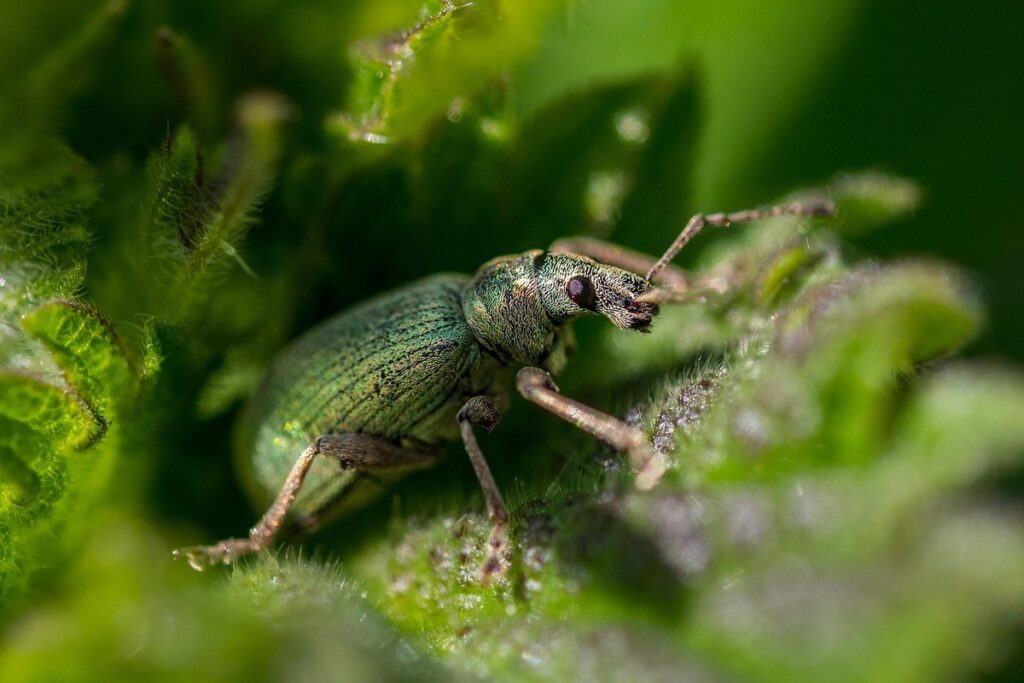
Vine weevils are one of the most common and destructive garden pests. These small beetles belong to the family Curculionidae, with over 40 species affecting plants worldwide. Their most distinctive feature is their elongated snout or rostrum, which they use to feed on plant sap.
The life cycle of a vine weevil typically takes around 4-6 weeks, depending on factors such as temperature and humidity. Adult vine weevils lay eggs in the soil near host plants, usually in areas with high moisture content. The larvae that hatch from these eggs are voracious eaters, feeding on plant roots and stems. As a result, they cause damage to leaves, flowers, and fruits by weakening the plant’s ability to absorb nutrients.
Vine weevils can harm plants by:
* Consuming leaves, causing them to become discolored and wilted
* Damaging flower buds and preventing fruit from developing
* Weakening stems and making plants more susceptible to disease
* Reducing photosynthesis and plant growth
To control vine weevil populations effectively, it’s essential to understand their life cycle and behavior. This knowledge will help you implement targeted strategies for prevention and management.
Identifying Vine Weevil Damage
Identifying vine weevil damage can be a challenge, especially if you’re not familiar with the signs and symptoms. Vine weevils are notorious for their ability to cause significant harm to plants, often without being detected until it’s too late.
Some common signs of vine weevil damage include curled or distorted leaves, stunted growth, and a general decline in plant health. The larvae feed on the roots, causing the above-ground symptoms mentioned earlier, while adult weevils feed on the lower leaves and stems, further weakening the plant. Look for areas with frass (the sawdust-like material produced by insect larvae) around the base of the plant, as this can indicate infestation.
Photos or visual inspections may help you confirm the damage. For example, if your plant’s leaves are exhibiting a characteristic ‘V’ shape curl, it could be a sign of vine weevil activity. Similarly, inspect the soil for evidence of adult weevils or their eggs. If you suspect an infestation, don’t panic – there are effective control methods available to help manage and prevent further damage.
In severe cases, affected plants may drop their leaves entirely or produce weak new growth.
Causes and Prevention
Understanding the causes of vine weevil infestations is crucial to implementing effective prevention strategies, which are often simpler than treating an outbreak. Let’s explore how to stop them in their tracks from the start.
Attracting Beneficial Insects
Creating a balanced ecosystem is key to attracting beneficial insects that prey on vine weevils. These natural predators are an essential part of integrated pest management (IPM) strategies for controlling vine weevil populations. By understanding the role of beneficial insects and creating an environment that supports their presence, you can reduce your reliance on chemical pesticides and maintain a healthier garden.
Some beneficial insects that prey on vine weevils include ladybugs, lacewings, and parasitic wasps. Ladybugs, in particular, are known to feed on vine weevil larvae and are often referred to as “nature’s pest controllers.” To attract these beneficial insects to your garden, consider incorporating native plants, flowers, and herbs that provide a source of nectar and shelter.
Some practical tips for creating a beneficial insect-friendly environment include:
• Planting a diverse range of native flowers and herbs that attract pollinators
• Providing shelter and habitat for beneficial insects through the use of nesting boxes or other structures
• Avoiding the use of broad-spectrum pesticides, which can harm beneficial insects as well as target pests
Physical Barriers and Traps
When it comes to preventing vine weevils from reaching your plants, using physical barriers and traps can be an effective approach. One of the most common methods is to create a barrier around the base of your plants using copper tape or mesh. Vine weevils don’t like the taste of copper, so they’ll avoid crossing over it. Simply wrap the tape or mesh around the pot, making sure to cover at least 6 inches of soil and any gaps between pots.
Another option is to use sticky traps placed near the affected area. These can be particularly effective for catching adult vine weevils as they move around your plants. Look for traps with a non-toxic adhesive that won’t harm other insects or animals. Place the traps in areas where you’ve seen vine weevil activity, such as under pots or near plant stems.
It’s also worth considering using insect mesh to cover individual plants or entire beds. This can be especially useful for protecting newly planted seedlings from damage. Make sure to choose a mesh with small holes (less than 1mm) that will prevent the weevils from getting through.
Organic Control Methods
When it comes to controlling vine weevils, many gardeners are turning to organic methods that are gentle on plants and the environment. Here, you’ll discover some effective ways to keep your garden safe from these pesky pests naturally.
Neem Oil and Horticultural Oils
Neem oil and horticultural oils are effective alternatives to chemical-based pesticides for controlling vine weevil populations. These plant-derived oils can be used as a preventative measure or to address an existing infestation.
When using neem oil, mix it with water according to the manufacturer’s instructions (typically 2-3% concentration) and apply it directly to the soil around affected plants. This will help control the larvae population before they become adults. For horticultural oils, a similar dilution ratio is recommended, but some products may be more potent, so follow the label carefully.
Both neem oil and horticultural oils work by suffocating the insect pests, preventing them from reproducing or killing them outright. These oils are safe for most plants, including flowers and vegetables, making them a popular choice among organic gardeners.
Some key points to keep in mind when using these oils include:
* Always read the label carefully before application
* Test a small area first to ensure compatibility with your specific plant species
* Apply during cooler parts of the day to minimize leaf scorch or damage
Insecticidal Soap and Pyrethrin-Based Products
Insecticidal soap and pyrethrin-based products are effective organic methods for controlling vine weevils. Insecticidal soap works by suffocating the insects, disrupting their exoskeletons, and ultimately causing them to die. This method is particularly useful for young, soft-bodied larvae that are often more susceptible to the effects of insecticidal soap.
Pyrethrin-based products, on the other hand, are derived from the flowers of the pyrethrum daisy. They contain natural insecticides that can be used to control vine weevils. Pyrethrins work by disrupting the nervous system of the insects, causing them to become paralyzed and eventually die.
To use these products effectively, it’s essential to follow the instructions carefully. Typically, a solution of 2-3% is recommended for treating infested areas. Be sure to test a small area first to ensure that the product doesn’t cause any damage to your plants.
Some popular pyrethrin-based products include permethrin and deltamethrin. These can be applied directly to the soil or used as a foliar spray to target adult vine weevils. However, it’s crucial to note that repeated use of these products may lead to the development of resistance in some insect populations.
Chemical Control Methods
When it comes to tackling a vine weevil infestation, chemical control methods are often the most effective solution, but they must be used carefully and responsibly. Let’s take a closer look at how to use chemicals safely and effectively.
Professional-Grade Insecticides
When dealing with severe vine weevil infestations, professional-grade insecticides may be necessary to ensure effective control. These products are typically used as a last resort and under the guidance of a pest management professional.
Some popular options for professional-grade insecticides include neonicotinoids (e.g., imidacloprid), pyrethroids (e.g., deltamethrin), and organophosphates (e.g., phosmet). However, it’s essential to carefully consider the potential risks associated with these chemicals, particularly when used in areas where people or pets may be exposed.
Before applying a professional-grade insecticide, thoroughly inspect the affected area to determine the extent of the infestation. This will help you target the treatment more effectively and minimize unnecessary exposure to the chemical.
When using a professional-grade insecticide, always follow the label instructions carefully, and consider taking necessary safety precautions, such as wearing protective clothing and ensuring adequate ventilation in the treated area.
Timing and Application Guidelines
When it comes to chemical control methods for vine weevil management, timing and application are crucial factors to consider. The ideal time to apply pesticides is usually during the spring or early summer when vine weevils are most active. However, it’s essential to ensure that you’re not harming beneficial insects, such as bees and butterflies.
Before applying any chemical control methods, read the product label carefully and follow the recommended guidelines for application rates and timing. It’s also vital to take necessary safety precautions, including wearing protective clothing, gloves, and eyewear to prevent exposure to chemicals. In addition, apply pesticides in the evening or at night when vine weevils are most active, as this reduces the risk of harming other insects.
To ensure effective control, apply pesticides on a dry day, avoiding wet weather conditions that can reduce their efficacy. Always follow the recommended reapplication intervals and avoid over-application, which can lead to chemical resistance in pest populations. By carefully timing and applying chemical control methods, you can effectively manage vine weevil infestations while minimizing risks to people and the environment.
Integrated Pest Management (IPM) Strategies
When it comes to effectively managing vine weevils, incorporating integrated pest management strategies into your approach can be a game-changer. This includes combining various methods for long-lasting results.
Combining Control Methods
When dealing with vine weevils, it’s rare to find one single control method that can effectively eliminate the problem. Instead, a more holistic approach is often necessary. This is where combining different control methods comes into play.
By integrating two or more control methods, you can create a comprehensive strategy for managing vine weevils. For example, you might use a combination of cultural controls (such as adjusting soil pH and removing weeds) with biological controls (like introducing parasitic wasps that prey on the larvae). You could also pair physical controls (such as hand-picking adult weevils at night) with chemical controls (selective insecticides).
The key is to identify areas where different control methods can complement each other. For instance, if you’re using a biological control method like nematodes, you may want to supplement it with some cultural controls to create an environment that’s less conducive to vine weevil survival. By combining multiple approaches in this way, you can break the cycle of infestation and keep your plants safe from these pests.
Monitoring and Maintenance
Monitoring for signs of vine weevil infestation is crucial to prevent re-infestation. Regularly inspect plants, especially during peak pest seasons, and look for telltale signs such as small holes in leaves, frayed leaves, or actual vine weevils crawling on the plant.
In addition to monitoring, maintaining a clean and hygienic environment can also help prevent re-infestation. Remove any weeds or debris that may be harboring pests, keep plants well-watered but not waterlogged, and ensure good air circulation around plants.
To further minimize the risk of re-infestation, consider implementing some simple maintenance practices such as:
• Reusing soil with care: if you’re repotting a plant, make sure to inspect the soil thoroughly for any signs of vine weevil eggs or larvae.
• Disposing of infested plants properly: if a plant is heavily infested, dispose of it in sealed plastic bags to prevent the pests from spreading to other areas.
• Keeping records: keep track of when you last applied insecticides and the type used. This can help you identify any patterns or areas for improvement.
By incorporating these monitoring and maintenance practices into your vine weevil control strategy, you’ll be well-equipped to prevent re-infestation and protect your plants from future damage.
Best Practices and Conclusion
Now that you’ve learned effective methods for controlling vine weevils, let’s summarize the best practices to ensure long-term success in your garden. Here are some key takeaways to remember.
Long-Term Prevention Strategies
When it comes to maintaining healthy plants, long-term prevention strategies are crucial in controlling vine weevil infestations. Vine weevils can cause significant damage to plant roots and leaves, leading to stunted growth and even death. To prevent these pests from wreaking havoc on your garden, you need to adopt a multi-faceted approach that involves monitoring, maintenance, and prevention.
Regularly inspect your plants for signs of vine weevil infestation, such as notched leaves or small holes in the soil. Use sticky traps or pitfall traps to monitor for adult vine weevils, especially during peak breeding seasons. Remove weeds and debris around plants, as these provide hiding places for vine weevils.
Maintain good garden hygiene by regularly disinfecting tools and repotting plants with fresh potting mix. Consider using natural deterrents like neem oil or garlic spray to repel adult vine weevils. By implementing these long-term prevention strategies, you can significantly reduce the risk of vine weevil infestations and keep your plants healthy and thriving.
Recap and Recommendations
In summary, effective vine weevil control requires a multi-faceted approach that incorporates cultural, biological, and chemical controls. By understanding the life cycle of these pests and the environmental conditions that contribute to their infestation, gardeners can take proactive steps to prevent infestations.
We’ve discussed the importance of monitoring your plants regularly for signs of vine weevil damage, as well as the use of pheromone traps and sticky traps to detect adult populations. We’ve also explored the value of using insecticidal soap, neem oil, and pyrethrin sprays to control infestations.
If you’re struggling with a severe vine weevil infestation, consider consulting with a pest management professional or seeking guidance from your local nursery or extension office. For further reading on effective vine weevil control methods, check out the National Garden Scheme’s guidelines for gardeners on how to manage these pests.
Remember, prevention is key when it comes to managing vine weevils. Regularly inspect your plants, maintain good cultural practices, and use a combination of controls as needed to keep your garden healthy and pest-free.
Frequently Asked Questions
How can I combine physical barriers with other control methods for maximum effectiveness?
Combining physical barriers, such as fine mesh or copper tape, with other control methods like neem oil or insecticidal soap can create a robust defense against vine weevils. By using these methods together, you can reduce the number of individual treatments needed and create a long-term solution to prevent infestations.
What should I do if I’ve already sprayed chemical controls but still see signs of vine weevil damage?
If you’ve applied chemical control methods but continue to notice vine weevil damage, it’s essential to reassess your strategy. This might involve increasing the frequency or duration of treatments, adjusting your timing based on pest life cycles, or introducing physical barriers to prevent re-infestation.
How can I tell if my vine weevil infestation is severe enough to warrant professional help?
A severe vine weevil infestation may require professional intervention if it’s causing significant damage to a large number of plants or if you’re unsure about the best course of treatment. Look for signs like widespread plant death, heavy defoliation, or evidence of multiple pest generations.
Are there any natural predators that can help control vine weevils in my garden?
Yes, certain natural predators, such as ladybugs and lacewings, feed on vine weevil larvae and adults. By introducing these beneficial insects into your garden, you can create a balanced ecosystem that naturally regulates vine weevil populations.
Can I use neem oil and horticultural oils interchangeably for vine weevil control?
While both neem oil and horticultural oils are effective against vine weevils, they have different modes of action and uses. Neem oil is more suitable for long-term prevention, whereas horticultural oils are better suited for immediate control or as a supplement to other treatments.