
If you’re a plant parent, chances are you’ve encountered those pesky little critters at some point – greenfly. These tiny insects can quickly multiply and wreak havoc on your beloved plants, causing damage to leaves and stems, and even spreading diseases. Not only do they look unsightly, but an infestation can also lead to a decline in plant health and productivity.
Fortunately, there are effective ways to prevent and control greenfly infestations without resorting to harsh chemicals. In this article, we’ll explore the best natural methods for identifying, preventing, and controlling greenfly on your plants. We’ll cover physical barriers, beneficial insects, neem oil solutions, and more, so you can keep those unwanted visitors at bay and enjoy a thriving, healthy garden. Whether you’re a seasoned gardener or just starting out, this guide will equip you with the knowledge to tackle any greenfly problem that comes your way.
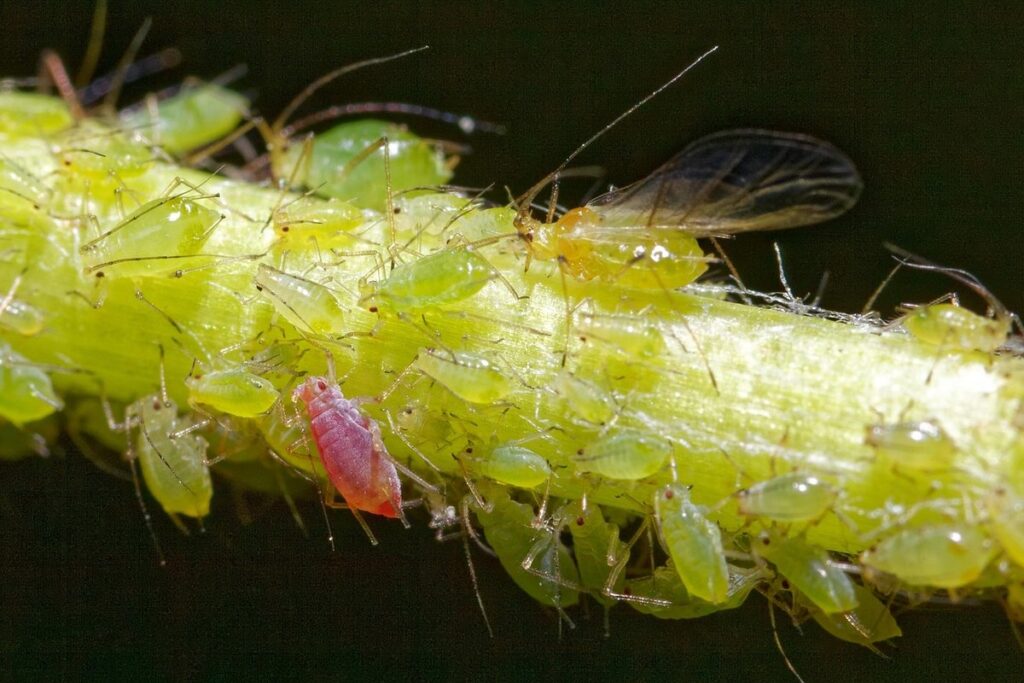
Understanding Greenfly
To get a handle on these pesky pests, let’s start by understanding what greenfly are and how they reproduce, which is essential for effective management.
What are Greenflies?
Greenflies are tiny, soft-bodied insects that can be found on almost every type of plant. These pesky critters feed on plant sap, which not only harms the plant but also makes it vulnerable to other pests and diseases. Let’s take a closer look at their biology.
The life cycle of greenfly is quite fascinating. They go through four stages: egg, nymph, adult, and winged adult. The female greenfly lays her eggs on the underside of leaves or stems, which hatch into nymphs after a few days. As they grow, they molt several times before reaching adulthood. Winged adults emerge from the soil in spring to start the cycle again.
Greenflies are most active during early morning and late afternoon when temperatures are cooler. They tend to cluster on tender shoots, new growth, and flower buds, which is why you often notice them near these areas. To identify greenfly, look for their pear-shaped bodies, long legs, and a distinctive antennae-like structure.
Some plants are more susceptible to greenfly infestations than others. For example, roses, chrysanthemums, and apple trees are common targets. Regular monitoring is essential to catch any signs of an infestation early on.
Types of Greenflies
Greenflies come in many forms, each with their own unique characteristics. Among the most common species is the rose green aphid (Phorodon humuli). This particular type of greenfly is notorious for its infestation of roses and other plants in the Rosaceae family. Rose green aphids are small, yellow-green insects that can be found on the undersides of leaves and stems.
Another notable species is the foxglove aphid (Aulacorthum solani), which targets plants in the Scrophulariaceae family such as foxgloves and snapdragons. Foxglove aphids are typically a darker green color than rose green aphids and can be identified by their distinctive, elongated shape.
To identify different species of greenflies, it’s essential to observe their coloration, shape, and behavior. For example, the melon green aphid (Aphis gossypii) is often found on cucumbers, squash, and other members of the Cucurbitaceae family. This type of greenfly has a distinctive yellowish-green color with black stripes running along its back.
When identifying different types of greenflies, it’s also important to note their preferred host plants. By understanding which species are most likely to infest specific plants in your garden or greenhouse, you can take preventative measures to avoid infestation and implement targeted control methods if necessary.
Importance of Greenfly Control
Greenflies can be a significant threat to your plants’ health if left unchecked. They’re not just a nuisance; they’re also a vector for plant viruses that can cause serious damage and even kill your plants. For instance, the tomato spotted wilt virus (TSWV) is a common greenfly-transmitted disease that affects over 200 plant species worldwide.
Controlling greenfly populations is crucial to maintaining healthy plant growth. If left unmanaged, greenfly infestations can lead to reduced yields, decreased fruit quality, and even plant death. For example, in a study conducted on lettuce crops, it was found that just one percent of the plants were infested with greenflies, but this small percentage led to a 20% reduction in yield.
To put the importance of greenfly control into perspective, consider the economic impact. In Europe alone, the estimated annual loss due to aphid-borne viruses (such as greenflies) is around €13 billion. This highlights the need for effective management strategies, including monitoring, prevention, and control measures. By taking proactive steps to manage your plants’ exposure to greenflies, you can safeguard their health and prevent costly losses in the long run.
Signs and Symptoms of a Greenfly Infestation
As you inspect your plants, it’s essential to recognize the early warning signs that greenfly has invaded, from sticky honeydew droplets to curled leaves. These subtle changes can signal a full-blown infestation is underway.
Visual Identification
When you notice a greenfly infestation on your plants, there are several visual signs that can indicate its presence. One of the most common symptoms is yellowing leaves, which can occur due to sap sucking by the greenflies. This can be particularly noticeable if the infestation has been ongoing for some time.
Another indication of a greenfly infestation is distorted growth on your plants. Greenflies feed on the plant’s sap, causing it to become stunted or deformed. For example, if you have a normally bushy tomato plant, but it’s now looking wilted and leggy, it could be a sign that greenflies are present.
In addition to these visual signs, sticky honeydew droplets can also be an indicator of a greenfly infestation. These sweet-tasting droplets are produced by the greenflies as they feed on your plants’ sap. You may notice them on the leaves or stems of your plants, and if you touch them, you’ll likely get the sweet residue stuck to your fingers.
If you’ve noticed any of these symptoms, it’s essential to take action quickly to prevent further damage to your plants. Regularly inspecting your plants for signs of greenfly infestation can help you catch problems early on, making it easier to control their spread and minimize the impact on your garden.
Types of Damage Caused by Greenflies
Greenflies can cause significant damage to plants through both direct and indirect means. Direct damage occurs when greenflies feed on plant sap, causing leaves to turn yellow and wilt. This is often accompanied by a sticky substance called honeydew, which can attract other pests and promote the growth of sooty mold. As a result, affected areas may appear distorted or stunted.
Indirect damage, however, is just as detrimental. Greenflies can transmit diseases such as tobacco rattle virus (TRV) and tomato spotted wilt virus (TSWV), which can devastate entire plant populations if left unchecked. These viruses can cause symptoms ranging from mottled leaves to complete plant collapse.
To prevent greenfly-borne diseases, it’s essential to monitor your plants regularly for signs of infestation and take swift action when necessary. This includes implementing integrated pest management (IPM) strategies, such as introducing beneficial insects that prey on greenflies or using targeted insecticides when other methods fail.
Prevention and Management Techniques
Now that you know how to identify and deal with greenfly infestations, let’s focus on preventing them from happening in the first place and managing any existing populations effectively.
Using Physical Barriers
When it comes to preventing greenfly infestations, physical barriers can be an effective and non-chemical solution. One of the simplest methods is to use fine mesh or row covers around plants. These lightweight fabrics allow sunlight, water, and air to reach the leaves while keeping pests out.
For example, you can drape a fine mesh over a trellis or a wire cage surrounding your rose bush or tomato plant. This will prevent greenfly from reaching your plants in the first place. You can also use row covers, which are lightweight, breathable fabrics that allow for easy planting and harvesting while keeping pests out.
To set up a physical barrier, start by selecting the right material – fine mesh or row covers work well. Then, drape it over a support structure around your plant, ensuring it doesn’t touch the leaves or stems to prevent damage. Secure it with clips or weights if necessary. By using physical barriers, you can reduce the risk of greenfly infestations and keep your plants healthy and thriving. Regularly inspect your plants under the barrier for any signs of pests or damage.
Attracting Beneficial Insects
Attracting beneficial insects like ladybugs and lacewings to your garden can be a powerful way to manage greenfly populations. These natural predators feed on aphids, including greenfly, helping to maintain a balance in your ecosystem.
To attract these beneficial insects, focus on creating a diverse and welcoming environment for them. Ladybugs, for example, thrive in areas with an abundance of nectar-rich flowers like marigolds and sunflowers. Planting a mix of annuals and perennials that bloom at different times ensures a constant source of food for these beneficial insects.
Provide sheltered spots for them to roost by incorporating native plants with thick foliage or by installing a bug hotel. This will give them a safe place to overwinter, allowing them to survive the harsher months and be ready to feed on greenfly when they emerge in spring.
Using Neem Oil and Soap Solutions
Using neem oil and soap solutions can be an effective way to control greenfly populations on your plants without harming beneficial insects. These natural products work by disrupting the insect’s life cycle, preventing them from reproducing and eventually killing them.
To make a neem oil solution, mix 2-3% neem oil with water in a spray bottle. Spray it directly on the infested areas of the plant, making sure to cover all surfaces evenly. Repeat this process every 7-10 days to ensure that any newly hatched greenflies are also targeted.
When using soap solutions, choose a mild, biodegradable soap like dish soap or liquid castile soap. Mix 1 tablespoon of soap with 1 quart of water in a spray bottle. Spray the solution on the affected areas of the plant, taking care not to get any soap on the leaves or petals.
Both neem oil and soap solutions are safe to use around beneficial insects like bees and butterflies, making them an excellent choice for gardeners who want to avoid harming these important pollinators. Regularly spraying your plants with either solution can help keep greenfly populations under control.
Chemical Control Methods
When it comes to dealing with a severe greenfly infestation, chemical control methods can be an effective last resort. This section will explore the safest and most targeted chemicals for your plants.
When to Use Insecticides
While it’s always best to explore non-chemical solutions first, there are instances where insecticides become necessary for effective greenfly control. Severe infestations can significantly impact plant health and productivity, making chemical intervention a more practical approach.
For instance, if you’re dealing with a large garden or an extensive crop, the sheer number of greenflies may be overwhelming to tackle manually. In such cases, targeted insecticide application can help bring the population under control.
Before resorting to chemicals, ensure that other methods have been tried and failed. This might include biological controls like introducing natural predators or using neem oil. If you do decide to use an insecticide, choose a product specifically labeled for greenfly control and follow all safety guidelines carefully.
Remember, chemical control should be used judiciously and as a last resort. Always weigh the potential benefits against the risks of harming beneficial insects, pets, or other non-target organisms in your garden ecosystem.
Choosing the Right Insecticide
When it comes to choosing the right insecticide for your greenfly infestation, there are several factors to consider. First and foremost, you’ll want to think about the type of plant that’s being affected. Different plants have different sensitivities to certain chemicals, so be sure to choose an insecticide that’s specifically labeled as safe for use on your particular plant species.
Another crucial factor is the concentration of active ingredients in the insecticide. Look for products with a low concentration of broad-spectrum pesticides, which can harm beneficial insects and contaminate soil and water. Instead, opt for targeted or systemic pesticides that are designed to kill greenfly specifically.
Consider the mode of action too – will you be spraying, drenching, or using a soil application? Each method has its own advantages and disadvantages, so think carefully about what will work best for your specific situation.
It’s also worth noting that some insecticides may have synergistic effects when used in combination with other products. Be aware of these potential interactions and follow the manufacturer’s guidelines to avoid over-application or under-control of greenfly populations.
Natural Control Methods for Greenflies
If you’re looking for a more holistic approach to managing greenfly, there are some effective natural control methods worth exploring, such as introducing beneficial insects. These can provide long-term solutions without harming your plants.
Using Soap and Neem Oil Solutions
Soap and neem oil solutions are popular natural control methods for greenflies due to their effectiveness and non-toxic nature. When using soap-based solutions, mix 1-2 tablespoons of mild dish soap with a quart of water. Spray the solution thoroughly on infested plants, making sure to cover all surfaces evenly.
For neem oil solutions, mix 2-3% neem oil with water according to the product’s instructions. Neem oil disrupts insect growth and development, ultimately killing greenflies. When using either soap or neem oil solutions, it’s essential to spray them in the morning or late afternoon when plants are not under intense sunlight.
Before spraying, ensure you test a small area of the plant for any adverse reactions. Reapply every 7-10 days as needed to maintain control. It’s also crucial to combine these natural methods with good gardening practices, such as regular pruning and monitoring for signs of infestation. This holistic approach will help prevent greenfly populations from getting out of hand.
Encouraging Biological Control
Encouraging beneficial insects to control greenfly populations naturally is an effective way to manage infestations without relying on chemical pesticides. To achieve this through biological control, create a welcoming habitat for these beneficial insects by incorporating diverse plants that provide shelter and sustenance.
Nectar-rich flowers like lavender, rosemary, and marigold attract pollinators and other beneficial insects that feed on greenfly eggs or larvae. Consider planting native wildflowers in your garden, as they will attract local species of beneficial insects specific to your region.
When selecting attractant plants, choose varieties with varying blooming periods to provide a consistent source of nectar throughout the growing season. For example, plant early-blooming flowers like dandelion and chamomile alongside later-blooming ones like sunflower and zinnia.
In addition to planting, maintain a balanced ecosystem by avoiding overwatering or overfertilizing your plants, which can disrupt beneficial insect populations and favor greenfly growth. By creating a harmonious environment that encourages the presence of natural predators, you’ll be on track to reducing greenfly infestations without introducing chemical controls.
Common Questions About Greenfly Control
We know you’ve got questions, and we’re here to help: what are the most common misconceptions about greenfly control, and how can you tackle these pesky pests effectively?
Frequently Asked Questions
If you’re new to managing greenfly on your plants, it’s natural to have some questions about control methods. Let’s address a few common concerns.
Can I use chemicals to get rid of greenfly? While chemical treatments can be effective in the short-term, they may not provide long-term solutions and could potentially harm your plants or other beneficial insects. Instead, consider using integrated pest management techniques that combine physical barriers, cultural controls, and biological controls.
What’s a good prevention strategy for greenfly infestations? Regularly inspecting your plants for signs of infestation, removing weeds and debris around the area, and introducing natural predators like ladybugs or lacewings can help prevent greenfly populations from getting out of hand. Also, keep an eye on temperature fluctuations, as extreme heat or cold can trigger greenfly outbreaks.
How do I treat a large-scale greenfly infestation? This is where integrated pest management strategies come into play. Start by removing any heavily infested plant material and disposing of it properly to prevent the spread of pests. Then, use a combination of physical barriers, such as fine mesh or fine netting, to protect remaining plants. Follow up with targeted biological controls like introducing beneficial insects or using neem oil sprays.
What’s the best long-term management strategy for greenfly control? Developing a comprehensive plan that incorporates regular monitoring, pruning, and watering practices can help prevent greenfly infestations from recurring. Consider consulting with a local nursery or gardening expert to create a tailored plan for your specific climate and plant types.
Case Studies: Successful Greenfly Management Strategies
Successful greenfly management strategies can be observed in various professional gardens and farms. In a study conducted by a UK-based nursery, they used a combination of physical removal, biological control methods, and targeted pesticide application to manage greenfly infestations on their plants. They reported a 70% reduction in greenfly populations after implementing these measures.
In another case, a large-scale grower in the Netherlands employed a technique called “companion planting” to deter greenflies from their crops. By interspersing certain varieties of herbs and flowers among their main crop, they created an environment that was unfavorable for greenfly reproduction and feeding.
For example, basil is known to repel greenflies, and by incorporating it into their garden layout, the grower was able to minimize the use of chemical pesticides. This approach not only reduced environmental impact but also improved overall plant health and yields. By studying such successful strategies, home gardeners can learn effective methods for controlling greenfly populations without resorting to harsh chemicals.
Frequently Asked Questions
Can I use neem oil on sensitive plants, or will it harm them?
Neem oil can be used on most plants, but it’s essential to dilute it according to the manufacturer’s instructions and perform a patch test first. Some plants like African Violets are sensitive to neem oil, so it’s best to avoid using it on these varieties.
How long does it take for greenfly infestations to become severe?
Greenfly populations can multiply quickly, but the speed of an infestation depends on various factors such as plant species, climate, and the presence of other pests or diseases. Typically, you may notice signs of a severe infestation within 2-4 weeks if left unchecked.
Are there any natural predators that can help control greenfly populations?
Yes, beneficial insects like ladybugs, lacewings, and parasitic wasps are natural predators of greenflies. Attracting these insects to your garden through companion planting or using insect hotels can be an effective way to maintain a balanced ecosystem and reduce the need for chemical controls.
Can I use soap solutions on plants with open wounds or fungal infections?
No, it’s not recommended to use soap solutions on plants with open wounds or fungal infections. Soap can exacerbate these issues, causing further damage to your plant. Instead, address any underlying problems before using soap or neem oil to control greenfly populations.
How often should I inspect my plants for signs of a greenfly infestation?
Regular inspection is crucial in preventing and managing greenfly infestations. Set aside time each week to check your plants carefully, looking for signs like sticky honeydew droplets, white eggs on stems, or actual greenflies feeding on plant sap. Early detection allows for prompt action and minimizes damage to your plants.