
Sowing seeds outdoors can be an incredibly rewarding experience, but it requires some careful planning to ensure success. If you’re new to gardening or looking to expand your outdoor growing space, you’ll want to get this right. The key is to choose the right location and prepare the soil to give your seeds the best chance of thriving.
In this article, we’ll cover everything you need to know about sowing seeds outdoors, from selecting the perfect spot and preparing the soil to choosing the right type of seed for your climate and growing conditions. We’ll also discuss timing – when is the ideal time to sow seeds in different regions? With our expert tips and comprehensive guide, you’ll be well on your way to achieving a thriving garden that brings you joy all season long.
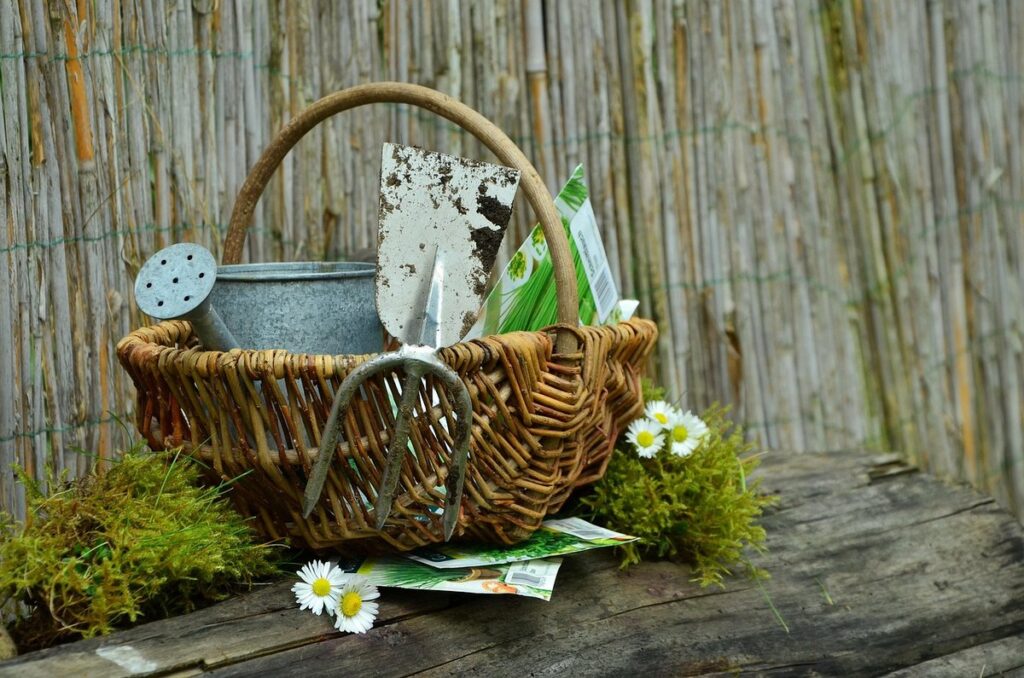
Understanding the Basics of Seed Sowing
To get started with sowing seeds outdoors, it’s essential to understand the basics of seed sowing, including the right timing and soil preparation for optimal growth. Let’s dive into the fundamentals together!
Choosing the Right Location
When sowing seeds outdoors, choosing the right location is crucial for their success. First and foremost, consider the amount of sunlight your garden receives. Most vegetables and flowers require at least 6 hours of direct sunlight per day to thrive. If your garden receives partial shade, choose plants that are tolerant of lower light conditions.
Next, think about the soil type in your garden. Different seeds have specific requirements when it comes to soil pH and texture. For example, tomatoes prefer well-draining, fertile soil with a pH between 6.0 and 7.0. On the other hand, carrots do best in loose, sandy soil with a pH around 6.8.
It’s also essential to assess your garden’s proximity to water sources. Seeds need consistent moisture, especially during germination. Make sure there are no nearby irrigation pipes or sprinkler heads that could damage your newly sown seeds. When selecting a location, observe the area and note any existing slopes, drainage patterns, or other factors that may impact seed growth.
Take stock of your garden’s conditions to ensure they meet the needs of the seeds you’re about to sow.
Preparing the Soil
Before sowing seeds outdoors, it’s essential to prepare the soil for optimal growth. This involves testing your soil pH and nutrient levels to ensure they’re suitable for the specific type of plant you’re growing.
To test your soil pH, you can purchase a DIY kit or send a sample to a lab for analysis. Most seed packages will recommend an ideal pH range for that particular crop. If your soil pH is too high or low, you may need to amend it with materials like lime to raise the pH or sulfur to lower it.
To determine nutrient levels, look out for signs of deficiencies such as yellowing leaves or stunted growth. You can also send a sample to a lab for analysis. Based on the results, you can add organic matter like compost or well-rotted manure to improve soil structure and fertility. Alternatively, use fertilizers specifically formulated for your plant type to address nutrient deficiencies.
Some examples of organic amendments include adding 2-3 inches of compost to the top 6-8 inches of soil or mixing in a balanced fertilizer according to package instructions. Be sure to follow the recommended application rates to avoid over-fertilizing and damaging your plants.
Selecting the Right Seeds
When sowing seeds outdoors, choosing the right type is crucial for a successful harvest. In this section, we’ll guide you through selecting seeds that suit your climate and gardening goals.
Understanding Seed Types and Varieties
When it comes to selecting seeds for your outdoor garden, understanding the differences between heirloom, hybrid, and open-pollinated varieties is crucial. Heirloom seeds are often preferred by gardeners who value unique flavors, textures, and colors. They’re also a great choice if you want to preserve seed heritage and pass it down to future generations. However, heirlooms can be less productive and more finicky than other types.
Hybrid seeds, on the other hand, offer high yields and improved disease resistance. But they often lose their potency after one season, making them less suitable for long-term seed saving. Open-pollinated varieties are a great compromise between heirloom and hybrid seeds – they’re easy to save and store, yet still retain some of the advantages of hybrids.
Consider your climate and desired outcome when choosing a variety. For example, if you live in an area with unpredictable weather patterns, look for seeds that are bred for tolerance or resistance to extreme conditions. Similarly, if you prioritize unique flavors over high yields, go for heirloom or open-pollinated varieties.
Factors Affecting Seed Quality
When it comes to sowing seeds outdoors, selecting high-quality seeds is crucial for a successful harvest. However, many gardeners overlook the importance of seed quality and its impact on germination rates. One key factor that affects seed viability is age. Old seeds can be less reliable, with germination rates decreasing by as much as 20% each year.
Proper storage conditions also play a significant role in maintaining seed quality. Seeds exposed to heat, moisture, or light may lose their potency and fail to germinate. It’s essential to store seeds in a cool, dry place, such as an airtight container or a refrigerator. Avoid storing seeds near the kitchen or in areas prone to temperature fluctuations.
Handling seeds gently is also critical to preserve their quality. Seeds should be handled carefully to avoid physical damage, which can reduce germination rates. When sowing seeds outdoors, make sure to handle them with clean hands and plant them at the correct depth to ensure optimal growth. By paying attention to seed age, storage conditions, and handling, you can increase your chances of successful germination and a bountiful harvest.
Timing is Everything: When to Sow Seeds Outdoors
Knowing when to sow seeds outdoors can be just as crucial as selecting the right varieties, and it’s essential to get this timing right to ensure successful growth. Let’s explore the key factors that determine when to sow seeds.
Determining Your Last Frost Date
When sowing seeds outdoors, timing is crucial to ensure optimal growth and prevent damage from frost. To determine when it’s safe to plant outside, you need to find out the last frost date for your area. This date varies depending on your location, climate, and elevation.
To find your area’s last frost date, check online resources such as the USDA Plant Hardiness Zone Map or consult with local nurseries, gardening clubs, or extension offices. These sources can provide you with accurate information about the average last frost dates for your region.
The significance of knowing your last frost date lies in its impact on seed germination and growth. If seeds are sown too early, they may be vulnerable to frost damage, which can lead to reduced yields or even plant death. In areas with unpredictable weather patterns, it’s essential to monitor local forecasts closely and adjust your planting schedule accordingly.
Keep in mind that microclimates within your area can also influence the last frost date. For instance, a valley or low-lying area may experience frost longer than nearby hills or higher elevations. Be aware of these variations and plan accordingly to ensure successful seed sowing outdoors.
Sowing at the Right Time for Maximum Growth
When sowing seeds outdoors, timing is crucial to ensure maximum growth and optimal yields. The ideal time to sow depends on various factors such as climate, season length, and growth rates of the specific plant species.
For warm-season crops like tomatoes, peppers, and eggplants, wait until the last frost date has passed and the soil has warmed up to at least 55°F (13°C). In regions with a long growing season, sow these plants in late spring to early summer. For example, in Southern states, you can start sowing warm-season crops in late April or early May.
Cool-season crops like broccoli, kale, and spinach prefer the cooler temperatures of spring or fall. Sow these plants 4-6 weeks before the last frost date for a spring harvest or 8-10 weeks before the first frost date for a fall harvest. Consider factors like soil temperature, moisture levels, and sunlight exposure when planning your sowing schedule.
For regions with mild winters, some plants can be sown in early winter, such as lettuce, radishes, and spinach. Just ensure that the soil is not too cold or waterlogged to prevent root damage. By considering these climate-specific factors, you’ll be able to choose the optimal time for sowing your seeds outdoors for maximum growth and yields.
Sowing Seeds: Techniques and Tips
To ensure a bountiful harvest, you’ll want to learn some essential techniques for sowing seeds outdoors, from soil preparation to seed placement. Let’s dive into the details!
Direct Sowing vs. Transplanting
When it comes to sowing seeds outdoors, you have two main options: direct sowing and transplanting. While both methods can be effective, they have distinct advantages and disadvantages that are worth considering.
Direct sowing involves planting seeds directly into the ground where they will mature. This method is ideal for warm-season crops like tomatoes, peppers, and eggplants, which thrive in temperatures above 60°F (15°C). It’s also a good choice for perennials like herbs and flowers that prefer to be planted in their permanent location. By direct sowing, you can avoid the shock of transplanting seedlings, which can sometimes lead to reduced yields or weak plants.
On the other hand, transplanting involves starting seeds indoors 4-6 weeks before the last frost date and then moving them outdoors when they have 2-3 sets of leaves. This method is better suited for cool-season crops like broccoli, kale, and lettuce that prefer cooler temperatures. Transplanting also allows you to get a head start on the growing season, as seedlings can be moved outside before the soil has warmed up.
Ultimately, the decision between direct sowing and transplanting depends on your specific climate, the type of plants you’re growing, and your personal preference. Some gardeners swear by the convenience of direct sowing, while others prefer the control and flexibility that transplanting provides.
Sowing Depth and Spacing
When sowing seeds outdoors, getting the depth and spacing just right is crucial for successful germination and healthy growth. The ideal depth and spacing will vary depending on the type of seed you’re using.
For small seeds like lettuce, herbs, and annual flowers, a general rule of thumb is to sow them about 1/8 inch deep and 2-3 inches apart. On the other hand, larger seeds such as beans, peas, and sunflowers can be sown 1-2 inches deep and 6-12 inches apart.
Soil type also plays a significant role in determining the correct depth and spacing. For example, if you’re sowing seeds in well-draining soil, they may need to be spaced further apart to prevent overcrowding. In heavier soils that retain moisture, seeds can be planted closer together.
To get it right, consult your seed package or research specific requirements for the varieties you’re planting. Consider factors like mature plant size and growth habits when deciding on spacing. For instance, a sprawling tomato plant will require more space than compact lettuce varieties. By taking these details into account, you’ll set yourself up for success in your outdoor garden.
Caring for Your Seedlings
Now that you’ve sown your seeds, it’s essential to provide them with proper care to ensure healthy growth and development. In this next part of our guide, we’ll share expert tips for nurturing your young seedlings.
Watering and Irrigation Strategies
Watering and irrigating your seedlings is crucial for their growth and development. Proper watering techniques can make all the difference between healthy, thriving plants and those that are struggling to survive. So, let’s dive into some practical advice on how to water and irrigate your seedlings like a pro.
First, it’s essential to understand that seedlings need consistent moisture, especially during their first few weeks of growth. But overwatering can be just as detrimental as underwatering. To avoid this, check the soil daily by sticking your finger into the soil up to the knuckle. If the soil feels dry, it’s time for a drink.
For efficient watering, consider using drip irrigation or soaker hoses. These systems deliver water directly to the roots of the plants, reducing evaporation and runoff. This method also helps prevent fungal diseases that thrive in moist conditions. If you don’t have these systems available, make sure to water your seedlings in the morning, allowing them to dry out slightly before nightfall.
Remember, it’s better to err on the side of caution when it comes to watering your seedlings. Start with small amounts and gradually increase as needed. By following these tips, you’ll be well on your way to raising healthy, thriving plants that will bring joy to your garden for years to come.
Mulching and Weed Control
Mulch plays a crucial role in maintaining a healthy garden, and it’s essential to incorporate it into your outdoor seed sowing routine. Mulch helps retain moisture in the soil by reducing evaporation, which is particularly beneficial during hot summer months when seeds need consistent hydration.
When choosing the right mulch for your garden, consider factors such as durability, color, and ability to withstand varying temperatures. Organic mulches like wood chips or bark are excellent choices as they can help regulate soil temperature and suppress weed growth.
Some other benefits of using mulch include reducing soil erosion, improving soil structure, and preventing nutrient loss due to leaching. Additionally, applying a 2-3 inch layer of organic mulch around your seedlings will also act as a physical barrier, keeping weeds from competing with them for water and nutrients.
When selecting a type of mulch, consider what works best for your specific climate and soil conditions. For example, in areas prone to extreme heat or cold, using a fire-resistant mulch like lava rocks can be beneficial.
Troubleshooting Common Issues
We know that unexpected issues can arise when sowing seeds outdoors, which is why we’ve put together a list of common problems and their solutions to help you get back on track.
Dealing with Pests and Diseases
As you tend to your seedlings outdoors, it’s not uncommon for pests and diseases to appear. Identifying these issues early on is crucial to preventing damage and ensuring the health of your plants. Common pests that can affect seedlings include aphids, whiteflies, and slugs. Look out for signs such as yellowing leaves, stunted growth, or actual insects crawling on the plant.
Diseases like powdery mildew and downy mildew can also be detrimental to your seedlings. Watch for a fine, white powder coating the leaves (powdery mildew) or a yellowish fungal growth underneath the leaves (downy mildew).
To control these infestations, consider using organic pest management strategies like introducing beneficial insects that prey on pests. For example, ladybugs and lacewings feed on aphids and other sap-sucking insects. You can also use neem oil to repel pests or copper-based fungicides to prevent the spread of diseases.
Monitor your plants regularly and take action at the first sign of trouble to prevent infestations from getting out of hand.
Addressing Seedling Emergence Problems
When sowing seeds outdoors, it’s not uncommon to encounter issues with seedling emergence. Poor germination rates, uneven growth, and seedling death can be frustrating problems to deal with. To address these issues, let’s start by examining the soil quality.
Firstly, ensure your soil has the right pH balance for the type of seeds you’re sowing. Most vegetables prefer a slightly acidic to neutral soil pH (around 6.0-7.0). If your soil is too alkaline or acidic, it can affect seed germination and growth. You can amend your soil with organic matter like compost or manure to improve its fertility and structure.
If you’re experiencing uneven growth or seedling death, it may be due to inconsistent moisture levels in the soil. Make sure to sow seeds at a depth that’s suitable for the variety you’re planting. Also, maintain consistent moisture levels during the germination period, but avoid overwatering which can lead to rot and other issues.
Adjusting sowing techniques can also make a big difference. For example, if your seedlings are too far apart, they may not receive enough competition from each other to grow strong and healthy. On the other hand, overcrowding can lead to fungal diseases and reduced air circulation.
Maintaining a Healthy Garden Ecosystem
To keep your garden thriving, it’s essential to maintain a balanced ecosystem by introducing beneficial insects, controlling pests, and encouraging biodiversity. This involves some careful planning.
Encouraging Beneficial Insects and Microorganisms
Creating a balanced ecosystem in your garden is crucial for its overall health and productivity. When you attract beneficial insects and promote microorganism activity, you’re essentially creating a self-sustaining system that will thrive with minimal maintenance.
Beneficial insects like bees, butterflies, and ladybugs play a vital role in pollination and pest control. To attract these pollinators, plant a diverse range of flowers that provide nectar and pollen, such as sunflowers, lavender, and coneflowers. Also, avoid using pesticides, which can harm or even kill beneficial insects.
Microorganisms like bacteria and fungi are essential for decomposing organic matter and fixing nitrogen in the soil. To promote microorganism activity, add compost tea to your soil regularly, or create a worm bin to produce rich compost. These tiny organisms will break down organic waste, recycle nutrients, and make them available to plants.
By creating a balanced ecosystem, you’ll reduce the need for external inputs like fertilizers and pesticides, resulting in a more sustainable and resilient garden. So, take the time to attract beneficial insects and promote microorganism activity – your garden will thank you!
Rotating Crops to Improve Soil Health
Crop rotation is one of the most effective ways to improve soil health and maintain a balanced ecosystem. By rotating crops, you’re not only reducing the risk of pests and diseases but also increasing biodiversity. When you grow the same crop on the same land repeatedly, it can lead to nutrient depletion and pest buildup. For instance, if you’ve been growing tomatoes in the same spot for years, the soil may be depleted of nitrogen, and you’ll start to notice a decline in tomato yields.
To plan an effective rotation strategy, start by assessing your garden’s soil type, climate, and existing crops. Consider what plants thrive in your conditions and group them into categories like legumes (beans, peas), brassicas (broccoli, cauliflower), and root vegetables (carrots, beets). A simple rotation scheme might involve alternating between a nitrogen-fixing crop (legume) and a non-legume crop each season. For example, if you grew tomatoes last year, try rotating to a legume like beans or peas this year.
Here are some key considerations for implementing a successful rotation strategy:
• Choose crops that have different growth habits and space requirements
• Rotate between plants with varying nutrient uptake patterns (e.g., nitrogen-fixing vs. heavy feeders)
• Incorporate cover crops during off-seasons to replenish nutrients and prevent erosion
• Avoid planting members of the same plant family in the same spot repeatedly (e.g., tomatoes and peppers)
By implementing a well-planned rotation strategy, you can reduce soil-borne diseases, pests, and nutrient deficiencies while promoting biodiversity.
Frequently Asked Questions
Can I sow seeds outdoors during periods of extreme weather conditions?
Yes, it’s best to avoid sowing seeds when there’s a high risk of frost, intense heatwaves, or heavy rainfall. Extreme weather conditions can damage delicate seedlings and impact their growth. Instead, wait for the most favorable weather conditions in your region before planting.
How do I prepare my soil if I have clay or sandy loam?
If you have clay soil, mix in organic matter like compost to improve drainage and aeration. For sandy loam, add more compost and mulch to retain moisture and suppress weeds. Understanding the specific needs of your soil type is essential for optimal seed growth.
What are some common mistakes beginners make when sowing seeds outdoors?
New gardeners often underestimate the importance of proper timing and location selection. They may also neglect to read seed packets carefully, leading to incorrect spacing or depth issues. Being aware of these potential pitfalls can save time and effort in the long run.
Can I sow seeds directly into mulch or compost?
Yes, you can sow seeds directly into mulch or compost, but be sure to use a fine-textured mulch that allows for adequate light penetration. Some seed types benefit from being sown directly into nutrient-rich environments like mulched beds.
How do I know if my seeds are receiving the right amount of sunlight?
Most vegetables and flowers require at least 6 hours of direct sunlight per day. If your garden receives partial shade, observe the plants’ growth rate and adjust their location accordingly. You can also consult with local gardening experts or online resources for more specific guidance on sunlight requirements for different plant species.