
As a gardener, you likely take pride in cultivating a vibrant and thriving outdoor space. But have you ever stopped to think about who is responsible for helping your plants produce those beautiful flowers and delicious fruits? The answer lies with pollinators – bees, butterflies, hummingbirds, and more – that visit your garden daily to collect the nectar they need to survive.
Unfortunately, many gardens are unintentionally hostile environments for these vital creatures. But don’t worry, creating a pollinator-friendly garden is easier than you think! With the right plant selection, gardening techniques, and pest management strategies in place, you can attract a diverse range of pollinators to your garden. This article will guide you through the process, providing expert advice on how to support these essential creatures and reap the rewards of a healthy, thriving ecosystem.
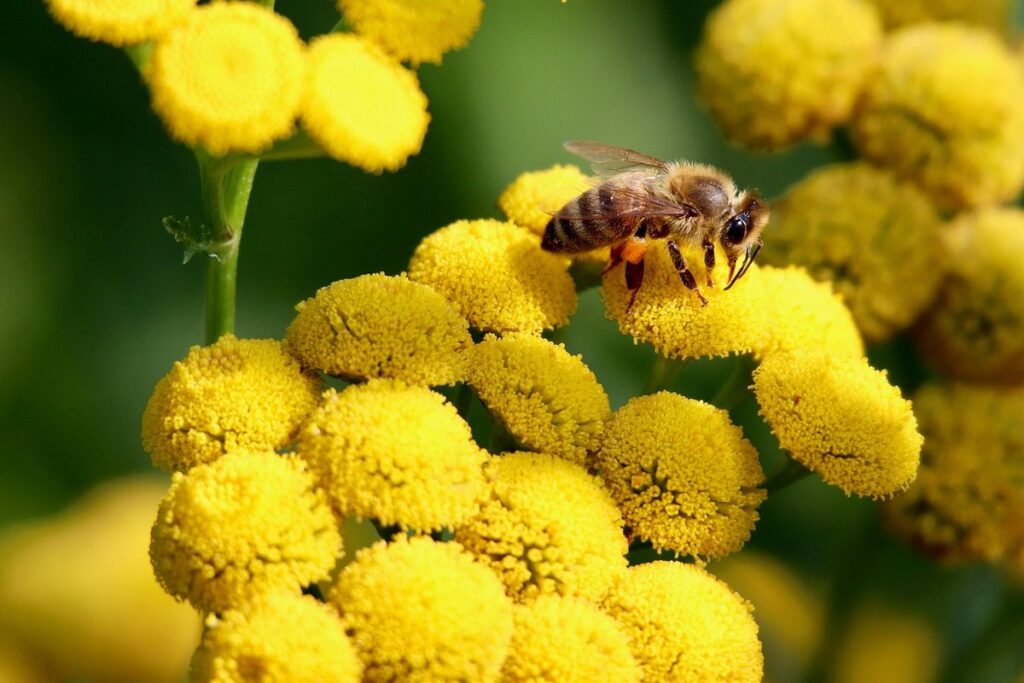
Understanding Pollination Basics
Pollination is a vital process that ensures your plants produce fruits and seeds, but before you can help facilitate it, you need to understand the basics. Let’s dive into the fundamental concepts of pollination to give your garden the best chance at success.
What is Pollination?
Pollination is the process by which plants reproduce, and it’s essential for the survival of many plant species. In simple terms, pollination occurs when pollen from one plant fertilizes another plant’s reproductive cells, resulting in seed production and fruit development.
There are two main types of pollinators: animals and wind. Animals like bees, butterflies, moths, and hummingbirds play a crucial role in transferring pollen between plants as they feed on nectar or gather pollen for food. Wind, on the other hand, is responsible for pollinating plants that produce small, lightweight flowers, such as corn and grasses.
Pollination is vital for food production, with about 1/3 of the world’s crops relying on animals or wind for pollination. Without effective pollination, many plants would be unable to reproduce, leading to reduced yields and decreased crop diversity. For gardeners, understanding pollination is key to attracting beneficial pollinators, such as bees, and creating a conducive environment for successful plant reproduction. By incorporating pollinator-friendly plants and minimizing pesticides, gardeners can contribute to the health of local ecosystems and support the vital process of pollination.
How Pollination Occurs
When a flower is ready to reproduce, it undergoes a complex process called pollination. This intricate dance involves the transfer of pollen from one plant’s anther (the male reproductive part) to another plant’s stigma (the female reproductive part). But how exactly does this happen?
To understand pollination, let’s start with flower anatomy. A typical flower consists of petals, sepals, stamens (which contain the anthers), and pistils (which contain the stigma). When a pollinator like a bee or butterfly lands on a flower to gather nectar, pollen from the anther sticks to its body. This pollen is then transferred to another flower’s stigma when the pollinator visits another bloom. Fertilization occurs when the pollen germinates and grows into a fertilized egg.
Different plants have adapted to attract specific pollinators through various strategies, such as producing nectar-rich flowers for bees or displaying showy blooms to attract hummingbirds. For example, sunflowers are designed to follow the movement of bees, allowing them to collect more pollen. By understanding these adaptations, gardeners can create a welcoming environment for pollinators by selecting plants that complement their local ecosystem.
Choosing Pollinator-Friendly Plants
When selecting plants for your garden, choosing pollinator-friendly options is crucial to supporting these essential creatures. Selecting the right flowers will attract bees and butterflies to your outdoor space.
Attracting Bees and Butterflies
When it comes to attracting bees and butterflies to your garden, choosing the right flowers is essential. These pollinators are drawn to a variety of colors, shapes, and scents, so select plants that offer something for each.
Sunflowers, with their large, bright yellow petals, are a popular choice for bee-friendly gardens. Their tall stature also makes them an excellent addition to a pollinator garden, providing shade for the ground-dwelling creatures below. Lavender is another winner when it comes to attracting these busy bees and butterflies – its sweet fragrance wafts through the air, guiding them to its purple blooms.
If you’re looking to incorporate herbs into your pollinator-friendly garden, mint and oregano are both excellent choices. Not only do they add a delicious flavor to summer dishes, but their fragrant leaves also provide a valuable source of nectar for these precious creatures. Zinnias come in an array of colors, including pink, orange, and white, making them an attractive option for butterfly gardens.
When selecting plants for your pollinator garden, consider incorporating a mix of annuals and perennials to ensure a constant supply of nectar-rich flowers throughout the growing season.
Planting for Hummingbirds and Bats
When it comes to attracting hummingbirds and bats to our gardens, we often focus on flowers that produce nectar. However, these creatures are also attracted to plants with specific characteristics that provide them with the energy they need.
Hummingbirds, for example, feed on nectar from trumpet-shaped flowers like honeysuckle, fuchsia, and cardinal flower. These flowers have a long tube shape that allows hummingbirds to use their extendable tongues to reach the nectar deep within the bloom. By planting these flowers in your garden, you’re not only providing a source of energy for hummingbirds but also supporting their pollination activities.
Bats, on the other hand, are attracted to plants like agave and cacti that produce high amounts of pollen or nectar-rich flowers. Like hummingbirds, bats have specific dietary needs, and by incorporating these plants into your garden, you can support their pollination efforts.
By planting a mix of both nectar-rich flowers and those with high pollen production, you’ll create a haven for both hummingbirds and bats to thrive in your garden.
Gardening Techniques for Pollinator Support
When it comes to supporting our pollinators, there are several key gardening techniques that can make a big difference, from planting bee-friendly flowers to providing vital water sources.
Reducing Pesticide Use
As we’ve discussed the importance of pollinators in our gardens, it’s essential to address another crucial aspect: reducing pesticide use. Pesticides can have devastating effects on pollinators, from bees and butterflies to hummingbirds and bats. When these chemicals are sprayed or applied to plants, they can contaminate nectar, pollen, and even the insects themselves.
To minimize harm to pollinators, it’s best to adopt integrated pest management (IPM) strategies that combine multiple approaches for managing pests. This might include crop rotation, physical barriers, biological control methods, and resistant plant varieties. For example, using row covers to prevent pests like whiteflies and aphids from reaching your plants can be an effective alternative to chemical controls.
When it’s necessary to use pesticides, opt for targeted products that specifically target the pest in question, rather than broad-spectrum chemicals that harm beneficial insects too. Consider natural pest control methods like introducing beneficial insects (e.g., ladybugs or lacewings), using neem oil, or spraying garlic and hot pepper solutions to deter pests.
Some key takeaways from these examples are:
* Crop rotation can help break disease and pest cycles
* Using row covers is an effective way to prevent certain pests
* Natural pest control methods like beneficial insects, neem oil, and garlic solutions are viable alternatives to chemical controls
Creating a Diverse Garden Ecosystem
Creating a diverse garden ecosystem is crucial for supporting multiple pollinator species. When you plant a variety of flowers, herbs, and vegetables that bloom at different times, you create a constant source of nectar and pollen for bees, butterflies, and other pollinators. Companion planting is an excellent way to promote diversity in your garden.
For example, plant marigolds with tomatoes to deter nematodes and attract beneficial insects. Similarly, pair basil with roses to repel pests and improve the fragrance of both plants. When selecting plants, choose a mix of annuals and perennials, native species, and plants with different growth habits. This diversity will attract a wider range of pollinators and create a balanced ecosystem.
In terms of garden layout, consider planting in sections or zones based on the plant’s growth requirements. Leave enough space between plants for air to circulate and for pollinators to move freely. Aim for at least 10-20% of your garden to be dedicated to pollinator-friendly plants. By creating a diverse garden ecosystem, you’ll attract a variety of pollinators and contribute to the health of your local environment.
Managing Pests without Harming Pollinators
As you work towards creating a pollinator-friendly garden, it’s essential to address pest control methods that harm these beneficial visitors. We’ll explore gentle yet effective ways to manage pests without harming your valuable pollinators.
Recognizing Pest Problems
As you tend to your garden, it’s essential to keep an eye out for common pests that can harm plants and disrupt pollination. Aphids, whiteflies, and spider mites are some of the most prevalent culprits. These tiny insects feed on plant sap, weakening the plant and leaving it vulnerable to disease.
To identify pest problems, inspect your plants regularly, looking for signs like curled or distorted leaves, sticky honeydew droplets, and actual insects on the plant. Whiteflies can be particularly tricky to spot, as they’re often hidden under leaves. Check the undersides of leaves and stems for a cluster of tiny, flying insects.
When you’ve spotted a pest problem, it’s crucial to determine the best course of action. For minor infestations, introducing beneficial insects like ladybugs or lacewings can be an effective solution. These natural predators will hunt down and control the pest population without harming pollinators. In more severe cases, use targeted pesticides that are safe for bees and butterflies, following all label instructions carefully to avoid harm to non-target species. Remember, a balanced ecosystem is key to maintaining healthy plants and supporting pollination.
Biological Control Methods
When it comes to managing pests without harming pollinators, biological control methods offer a promising solution. These methods rely on introducing beneficial insects or using natural predators to manage pest populations, rather than relying on chemical pesticides.
One effective example of biological control is introducing ladybugs, lacewings, or parasitic wasps into your garden. These beneficial insects prey on common pests like aphids, whiteflies, and caterpillars, helping to keep their numbers in check. For instance, a single ladybug can consume up to 60 aphids per day!
To introduce these beneficial insects into your garden, start by purchasing them from a reputable supplier or nursery. Release them during the evening when temperatures are cooler, and there is less wind. This will give them a better chance of survival.
Another biological control method is using natural predators like birds, bats, or spiders to manage pest populations. Encourage these predators by providing a habitat-rich environment in your garden, complete with native plants, rocks, and trees that offer shelter and food. By embracing biological control methods, you can maintain the delicate balance between beneficial and pest insects while protecting pollinators and promoting overall ecosystem health.
Encouraging Year-Round Pollination
To encourage year-round pollination, consider incorporating a mix of flowering plants that bloom at different times to provide a constant source of nectar and pollen for your garden’s pollinators. This strategic planning will attract pollinators even in seasons when natural blooms may be scarce.
Winter-Blooming Plants
Winter-blooming plants are often overlooked as sources of nectar and pollen for pollinators during the dormant season. However, many species, such as camellias and winter jasmine, offer valuable sustenance to bees, butterflies, and other pollinators from December to February.
These plants are particularly beneficial in regions where winter is a prolonged period of dormancy. For instance, camellia flowers provide nectar and pollen for Asian honeybees during the typically cold and dry months in southern China. Winter jasmine (Jasminum nudiflorum) is another example, offering yellow blooms from November to January that attract pollinators.
To incorporate winter-blooming plants into your garden, choose species native to your region or suitable for local climates. Ensure good soil quality and adequate watering practices to promote healthy plant growth. Plant multiple varieties of these flowers in clusters or groupings to create a more substantial nectar source for pollinators.
Spring and Fall Planting Tips
When it comes to planting for pollinators, spring and fall are ideal seasons. During these periods, temperatures are generally mild, and rainfall is more consistent, making it easier for plants to thrive. By incorporating a mix of annuals and perennials into your garden, you can ensure year-round interest and maximize pollinator activity.
In the spring, focus on planting cool-season crops like herbs, vegetables, and flowers that attract early-season pollinators such as bees and butterflies. Consider incorporating a variety of herbs like lavender, rosemary, and thyme, which not only provide nectar but also repel pests. Perennials like coneflower, black-eyed Susan, and bee balm are also excellent choices for spring planting.
In the fall, plant warm-season crops that continue to attract pollinators even after summer’s end. Vegetables like pumpkins, squash, and beans are perfect for this season, as they provide a late-season nectar source. Consider incorporating plants with large blooms, such as sunflowers and cosmos, which can still attract pollinators in the fall. By mixing annuals and perennials, you’ll create a diverse garden ecosystem that supports pollinator activity throughout the year.
Monitoring and Supporting Local Pollinators
As you nurture your garden, it’s essential to ensure the well-being of local pollinators who are busy collecting nectar and pollen. This section will explore ways to monitor their presence and provide vital support.
Identifying Local Pollinators
Identifying local pollinators can be an exciting and rewarding experience for gardeners. These tiny creatures play a vital role in pollination, but did you know that there are over 20,000 species of bees alone? To get started, try observing the types of flowers that attract different pollinators to your garden. For example, bees adore lavender, while butterflies flock to sunflowers.
To take it to the next level, consider participating in citizen science initiatives like the Great Sunflower Project or the Pollinator Partnership’s Bee Count. These projects provide valuable insights into local pollinator populations and help researchers track their decline. You can also download a mobile app like iNaturalist to identify pollinators on your property.
When observing pollinators, take note of their behavior, color patterns, and any distinctive markings. This information will help you create a personalized list of the species visiting your garden. By doing so, you’ll gain a deeper understanding of these incredible creatures and make informed decisions about how to support them in your garden.
Creating a Pollinator-Friendly Habitat
Creating a pollinator-friendly habitat is essential for supporting local pollinators and promoting healthy ecosystems. To start, consider planting native flowers that are rich in nectar and pollen, such as coneflowers, black-eyed Susans, and milkweed. These plants have co-evolved with local pollinators over thousands of years and provide the necessary resources for their survival.
When selecting plants, avoid invasive species like Japanese knotweed or purple loosestrife, which can outcompete native vegetation and harm local ecosystems. Instead, opt for low-maintenance, drought-tolerant options that require minimal watering and fertilization. A mix of annuals and perennials will provide a constant source of food and shelter throughout the growing season.
Providing water sources is also crucial for pollinators. Install a shallow dish or birdbath with fresh water and a few rocks or twigs for landing sites. Change the water frequently to prevent mosquito breeding, and consider using a water feature like a fountain or bubbler to create movement and reduce stagnation. By incorporating these elements into your garden design, you’ll be well on your way to creating a pollinator-friendly habitat that will attract bees, butterflies, and other beneficial insects all season long.
Frequently Asked Questions
How can I ensure my new pollinator-friendly garden doesn’t attract pests that harm plants?
Start by choosing plants that are resistant to common pests, and implement integrated pest management (IPM) strategies. This includes monitoring for signs of pests, using physical barriers when necessary, and introducing beneficial insects like ladybugs or lacewings that prey on pests.
Can I still use pesticides if I want to create a pollinator-friendly garden?
While it’s understandable to want to avoid pests, using pesticides can harm or kill pollinators. Consider reducing pesticide use by adopting IPM techniques, such as hand-picking pests and using natural deterrents like neem oil or garlic spray.
How do I know which plants are best for attracting specific types of pollinators?
Research the plants that attract your desired pollinators, such as bees (e.g., lavender, coneflowers), butterflies (e.g., milkweed, zinnias), and hummingbirds (e.g., trumpet flowers, coral bells). Plant a diverse selection to ensure year-round nectar sources.
Can I create a pollinator-friendly garden in a small space like an urban balcony?
Yes! Even small spaces can be pollinator havens. Choose compact or dwarf varieties of plants that are suitable for containers and provide a source of water, as well as a few rocks or a birdbath to attract birds that prey on pests.
How often should I monitor my garden for signs of pest problems, and what should I look for?
Regularly inspect your plants for signs of pests like holes in leaves, sticky honeydew droplets, or actual insects themselves. Check at least once a week during peak growing seasons to catch issues early and prevent them from becoming major problems.