
If you’re anything like me, you’ve probably struggled to keep your succulents happy and healthy. It can be tough to figure out when to water them, especially if you live in an area with a hot or dry climate. But don’t worry – I’m here to help! A well-tailored watering schedule is key to keeping your succulents thriving, and it’s not as complicated as you might think. In this article, we’ll explore how to create a customized watering plan for your succulents based on factors like region, climate, and plant type. You’ll learn expert tips on the right frequency, technique, and seasonality for watering your succulents, so you can enjoy these beautiful plants in their full glory. Whether you’re a seasoned succulent owner or just starting out, this guide will help you create a watering schedule that works for you and your plants.
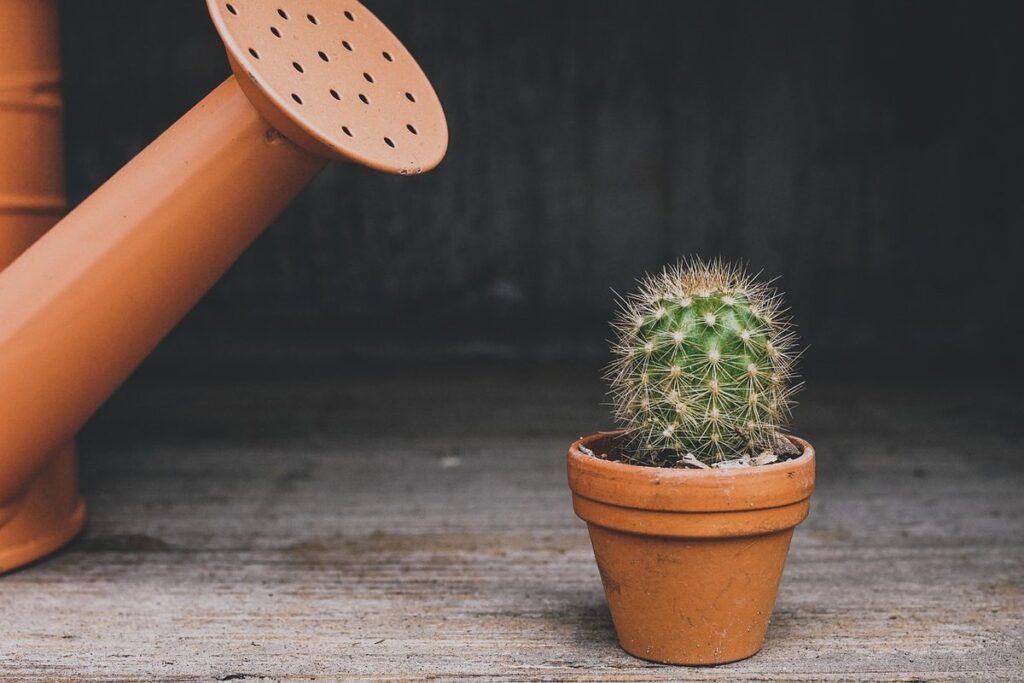
Understanding Your Succulents’ Needs
Now that we’ve covered the basics of succulent watering, let’s dive into what your plants specifically need to thrive and stay healthy. This involves understanding their unique requirements based on type and environment.
Types of Succulents and Their Water Requirements
There are over 60 different types of succulents, and each has its unique watering needs. Knowing which type you have is crucial to determining the right watering schedule for your plant.
Start by identifying the type of succulent you have. Look at the shape of the leaves, their texture, and color. For example, Aloe Vera has thick, fleshy leaves with a smooth surface, while Echeveria has plump, rounded leaves with a powdery coating. Crassula, on the other hand, has small, rounded leaves that are often clustered together.
Here’s a brief guide to some common succulent types and their watering needs:
* Aloe Vera: Requires more frequent watering, as it stores water in its thick leaves.
* Echeveria: Needs less frequent watering, as it stores water in its plump leaves.
* Crassula: Can thrive with infrequent watering, making it a great choice for forgetful plant owners.
* Cacti: Require even less frequent watering than most succulents, as they store water in their stems.
When in doubt, research the specific needs of your succulent type to ensure you’re providing the right amount of moisture.
Environmental Factors Affecting Water Needs
When it comes to understanding your succulents’ needs, environmental factors play a significant role in determining their water requirements. Temperature, humidity, and light exposure are three key elements that can either help or hinder your succulents’ ability to absorb water.
Temperature fluctuations can cause stress on your succulents, making them more susceptible to overwatering. For example, if you live in an area with extremely hot summers, your succulents may require less water during this time as the soil temperature increases. Conversely, if you’re growing succulents in a cold climate, they’ll need more water due to the dry air.
Humidity also affects how much water your succulents absorb. In dry environments, they’ll need more frequent watering, whereas in humid climates, less water is required. To gauge humidity levels, you can use a hygrometer or simply observe how much moisture accumulates on surfaces – if it’s high, your succulents will require less water.
Light exposure also impacts your succulents’ water needs. Direct sunlight can cause rapid evaporation, leading to overwatering issues. In such cases, reduce watering frequency and ensure the soil has time to dry out between waterings. Conversely, low-light conditions may necessitate more frequent watering as plants struggle to absorb moisture from the air.
Creating a Customized Watering Schedule
Now that you have a good understanding of the general watering rules, it’s time to create a customized schedule tailored to your succulents’ specific needs. We’ll walk through how to set up a personalized watering plan.
Assessing Your Climate and Region’s Weather Patterns
To create an effective watering schedule for your succulent, it’s essential to understand the local weather patterns and climate of your region. This will help you tailor your watering approach to meet the unique needs of your plant.
Start by observing the temperature fluctuations in your area throughout the year. If you live in a hot and dry climate, your succulent may require more frequent watering during the summer months when temperatures soar above 90°F (32°C). Conversely, if you reside in a cooler region with moderate rainfall, your succulent might need less water during the winter months.
Take note of the average humidity levels and rainfall patterns in your area. This information will help you determine the frequency and quantity of water needed to prevent overwatering or underwatering. For instance, if your region experiences sudden downpours followed by dry spells, your succulent may require more frequent watering during these periods.
Consider the time of year and how it affects local weather patterns. In regions with distinct seasons, such as those in the northern hemisphere, you’ll need to adjust your watering schedule accordingly. For example, you might water less frequently during the spring months when temperatures are mild and rainfall is more consistent, but increase frequency during the summer months when temperatures rise.
By taking these factors into account, you can create a customized watering schedule that caters to your succulent’s specific needs based on its climate and region. This will ensure it thrives under optimal conditions, rather than struggling with inconsistent watering practices.
Setting Up a Watering Calendar
Creating a watering calendar tailored to your specific climate and region is crucial for ensuring your succulents receive the right amount of water at the right time. To start, determine the average temperature range for your area during different times of the year. This will help you establish a baseline for watering frequency. For example, if your region experiences a hot summer with temperatures often reaching 90°F (32°C), you’ll need to water more frequently than in cooler winter months.
Next, consider precipitation patterns in your area. If it rains regularly, you may not need to water as much during those periods. Conversely, areas with low rainfall require more frequent watering. To make this process easier, use online resources such as the USDA’s Plant Hardiness Zone Map or local gardening websites to gather climate-specific data.
Now that you have an understanding of your region’s temperature and precipitation patterns, create a calendar with specific watering days marked for each month. Be sure to account for seasonal variations in weather and adjust accordingly. For instance, if your area experiences a dry spell during the spring, water more frequently than usual until rainfall returns. By taking these factors into consideration, you’ll be able to craft a customized watering schedule that meets the unique needs of your succulents.
Basic Watering Techniques
When it comes to giving your succulents a drink, getting the basics right is key. This is where you’ll learn simple yet effective techniques for watering like a pro!
How Often Should You Water Your Succulents?
Watering your succulents can be a delicate task, as overwatering is one of the most common mistakes beginners make. To determine the optimal watering frequency for your succulents, consider three key factors: pot size, soil type, and plant age.
Start by assessing the size of your pot – small pots tend to dry out faster than larger ones. For example, a tiny 2-inch pot may need water every 3-4 days during hot summer months, while a 6-inch pot can go up to 7-10 days without watering. Next, think about the soil type: well-draining mixes allow for more frequent watering, whereas denser soils require less.
The age of your succulent is also crucial – younger plants need more water than mature ones, as they have a larger root-to-shoot ratio. As a general rule, young plants (under 6 months) should be watered every 5-7 days, while mature plants can go up to 10-14 days between watering sessions.
Keep in mind that these are rough estimates, and the specific needs of your succulents may vary depending on their species, climate, and environment. To get it right, observe your plants closely and adjust your watering schedule accordingly – this is key to developing a healthy, thriving relationship with your succulent collection!
Tips for Effective Water Delivery
When it comes to delivering water to your succulents, efficiency is key. You want to ensure that each plant receives just the right amount of moisture without wasting a single drop. To achieve this, start by watering at soil level rather than getting water on the leaves or crown of the plant. This prevents fungal diseases and root rot from taking hold.
For larger plants, try using a long-spouted watering can or a soaker hose to deliver water directly to the roots. This not only saves time but also helps you avoid overwatering common mistakes like standing in one spot for too long. For smaller succulents, gently pour water onto the soil surface and let it soak in slowly.
Avoid getting water on the leaves by holding the watering can at an angle or using a fine spray nozzle on your hose. This will prevent any excess moisture from accumulating on the plant’s surface and causing rot or other problems. By following these simple tips, you’ll be well on your way to creating a thriving succulent garden with happy, healthy plants.
Advanced Watering Strategies
Now that you’ve mastered the basics, it’s time to take your succulent parenting skills to the next level with these advanced watering strategies that’ll ensure your plants thrive in any environment.
Monitoring Soil Moisture Levels
Monitoring soil moisture levels is crucial to avoid overwatering and ensure your succulents receive just the right amount of hydration. You can use a moisture meter to accurately measure the soil’s water content, but if you don’t have one, simply inserting your finger into the soil up to the first knuckle can give you an idea of its dryness.
If the soil feels damp or moist, it’s likely too wet and may cause root rot. On the other hand, if it feels dry, it’s time to water. It’s also essential to note that different types of succulents have varying levels of moisture tolerance, so research specific watering needs for your plant.
For example, aloe vera prefers well-draining soil and should be watered only when the top 1-2 inches feel dry. In contrast, echeveria likes its soil to be moist but not wet, so it’s best to check the soil moisture daily during hot summer months. By monitoring your succulents’ soil moisture levels regularly, you’ll develop a sense of what works best for each plant and fine-tune their watering schedule accordingly.
Adjusting Your Schedule Based on Seasons
As we’ve discussed earlier, succulents have adapted to survive in arid environments, but even they require some level of moisture to thrive. However, the frequency and amount of watering can vary greatly depending on the season.
In general, succulents require more water during their active growing seasons – typically spring and summer months when temperatures are higher and days are longer. Conversely, during fall and winter months, succulents enter a dormant phase and require significantly less water.
A good rule of thumb is to increase watering frequency by 1-2 times in the spring and summer months compared to the fall and winter months. For example, if your succulent typically requires watering once a week during the cooler months, you may need to water it twice a week during the warmer months.
Be aware that this adjustment should be made gradually, allowing your plant to acclimate to the new watering schedule.
Troubleshooting Common Issues
Don’t worry, we’ve all been there – overwatering or underwatering can be a common mistake when it comes to succulent care. This section will help you troubleshoot common issues and get back on track.
Identifying Signs of Overwatering and Underwatering
When it comes to succulents, overwatering and underwatering are two common issues that can be detrimental to their health. However, these problems often go unnoticed until the damage is done. That’s why it’s essential to learn how to identify signs of overwatering and underwatering, so you can take corrective action before it’s too late.
If your succulent is suffering from overwatering, you’ll likely notice soft, mushy leaves that are prone to rotting. This can be caused by water pooling in the pot or consistent moisture levels that don’t allow the plant to dry out between waterings. On the other hand, underwatering can cause crispy tips and yellowing leaves due to a lack of moisture. Sometimes, you might notice both problems occurring simultaneously.
To determine if your succulent is receiving too much or not enough water, pay attention to its physical appearance. Check for soft spots on the leaves, which are a clear indication of overwatering. Conversely, look out for brown or yellow tips, which can be a sign that your plant needs more hydration. By paying close attention to these warning signs, you can make adjustments to your watering schedule and prevent further damage.
Revamping Your Watering Schedule Based on Experience
As you continue to care for your succulents, it’s essential to revisit and refine your watering schedule based on your experiences. No two plants are alike, and what worked initially may not be optimal for the long-term. Take note of how your succulents respond to different watering frequencies and adjust accordingly.
For instance, if you notice that your plants are developing brown tips or soft spots, it’s a sign that they’re receiving too much water. Conversely, if leaves start shriveling up or falling off, it may indicate underwatering. Observe these changes closely and use them as cues to reassess your watering routine.
Consider implementing a “water-and-wait” approach: water your succulents thoroughly when you see signs of needing moisture, then wait for the soil to dry out completely before watering again. This strategy allows you to tailor your schedule to each plant’s unique needs, ensuring they receive just the right amount of hydration. Be patient and attentive, making adjustments as needed to create a personalized watering plan that keeps your succulents happy and thriving.
Long-Term Care and Maintenance
Now that you’ve mastered the basics of succulent watering, let’s dive into what happens next: caring for your plants long-term and keeping them thriving month after month.
Rotating Plants for Even Growth
When it comes to long-term care and maintenance of succulents, one often-overlooked aspect is rotating plants periodically. This simple yet crucial step ensures even growth and prevents uneven water distribution, which can lead to weak or deformed leaves.
To prevent this, try to rotate your succulent pots every 7-10 days by about 90 degrees. This allows sunlight to reach each leaf evenly, promoting healthy growth and preventing leaning towards the light source. You can also adjust the rotation as needed based on your plant’s specific needs. For example, if you have a large or heavy pot, it may be more challenging to rotate frequently.
Keep in mind that rotating plants doesn’t just benefit succulents; it also helps prevent pests and diseases from spreading unevenly throughout the plant. By maintaining consistent growth patterns through regular rotation, you’ll enjoy healthier, more vibrant succulents for years to come.
Remember to monitor your plants closely during this process, as over-rotation can cause stress that may lead to weak or damaged leaves.
Scheduling Regular Repotting
Regular repotting is an essential part of long-term care and maintenance for succulents. When you first bring home a new succulent, it’s often planted in a small pot to encourage root growth and help the plant establish itself. However, as time passes, this small pot can become too restrictive for the growing roots, leading to nutrient deficiencies and stunted growth.
To avoid this issue, it’s recommended to repot your succulents every 6-12 months, depending on their rate of growth. As a general rule of thumb, look for signs such as water pooling around the base of the plant or roots poking out of the drainage holes – these are indicators that it’s time to give your succulent some extra room.
When repotting, choose a pot that is only slightly larger than the original one, as this will prevent the soil from becoming too wet. Use a well-draining potting mix and gently remove any dead or damaged roots before replanting the succulent in its new home. By incorporating regular repotting into your succulent care routine, you’ll be providing your plants with the best chance to thrive and reach their full potential.
Final Tips and Recommendations
Now that you’ve mastered the art of creating a tailored watering schedule for your succulents, it’s time to put these new skills into practice. Let’s review some final tips for optimal care.
A Succulent Watering Schedule That Works for You
As you’ve made it through this comprehensive guide on creating an ultimate succulent watering schedule, now it’s time to put everything into practice. Let’s summarize the key takeaways and provide a general framework for creating an effective watering schedule that works just right for you.
First and foremost, remember that different types of succulents have varying watering needs. Factors such as climate, soil mix, pot size, and personal care habits all play a role in determining how often to water your succulents. Take note of the specific requirements for the type of succulent(s) you’re caring for.
When it comes to creating an effective schedule, consider setting up a routine based on seasons or your local climate. For example, during warmer months, most succulents require more frequent watering – typically every 7-10 days. Conversely, during cooler winter months, they can go longer without water, usually requiring only once-a-month watering.
To make it simpler, use the following general guidelines to structure your schedule:
* Water your succulents when the top inch of soil feels dry to the touch.
* Use the “soak and dry” method: Water thoroughly until excess moisture drains from the pot. Allow the soil to completely dry out between waterings.
* Be mindful of overwatering, which is a common mistake many succulent enthusiasts make.
By taking into account these guidelines and tailoring your schedule according to your specific climate and succulent types, you’ll be well on your way to creating a successful and stress-free watering routine. Remember, patience and flexibility are key – observe your plants’ responses and adjust as needed. With time and practice, you’ll develop an intuitive sense of when it’s time to water your beautiful succulents.
Frequently Asked Questions
How Do I Know If My Succulent is Really Dying From Underwatering, or Just Going Dormant?
Yes, it can be tricky to tell the difference between underwatering and dormancy. Check for signs of actual damage, such as shriveled leaves or a limp stem. If your plant has been dormant before, you know what to expect – new growth should emerge after the dry spell ends. For first-time succulent owners, a good rule of thumb is to wait at least 2-3 months without water before assuming dormancy.
Can I Water My Succulents in the Morning or Afternoon? Does It Really Matter?
Yes, timing does matter when it comes to watering your succulents. Aim for late morning to early afternoon when the plant has had a chance to photosynthesize and absorb moisture through its leaves. Avoid watering in direct sunlight, as this can cause water to evaporate quickly, leading to overwatering.
What If I Live in an Area With Extreme Weather Conditions – How Can I Adjust My Watering Schedule?
Adjust your schedule based on the specific weather conditions in your area. For example, if you live in a region with intense heatwaves, reduce watering frequency during these periods. Conversely, increase watering when there’s heavy rainfall or extreme humidity. Keep a close eye on your plant’s response to these changes and adjust accordingly.
How Often Should I Check My Succulents’ Soil Moisture Levels?
Check the soil moisture levels at least once a week, especially during hot or dry weather. Insert your finger into the soil up to the first knuckle – if it feels dry, it’s time to water. This is a simple yet effective way to gauge whether your succulent needs hydration.
Can I Use Any Type of Water for My Succulents, or Are Some Better Than Others?
No, not all types of water are suitable for your succulents. Tap water can contain chemicals like chlorine and fluoride that can harm your plants. Instead, use rainwater or filtered water to ensure the best results. If you must use tap water, let it sit overnight before watering – this allows some of these chemicals to evaporate.