
Are you ready to bring the tropics indoors with your very own Monstera? With its striking leaves and adaptable nature, this plant has become a favorite among indoor gardeners. But let’s face it: growing a thriving Monstera can be tricky, especially for beginners. Lighting, watering, humidity – there are so many factors to consider when caring for your Monstera indoors.
In this article, we’ll dive into the world of Monstera care, covering all the essential tips and tricks you need to know. We’ll explore how to provide the perfect lighting conditions, when to water and fertilize, and even offer advice on pest control. By the end of this guide, you’ll be well-equipped to grow a lush, healthy Monstera that brings life and energy to any room. So, let’s get started on your journey to becoming a Monstera expert!
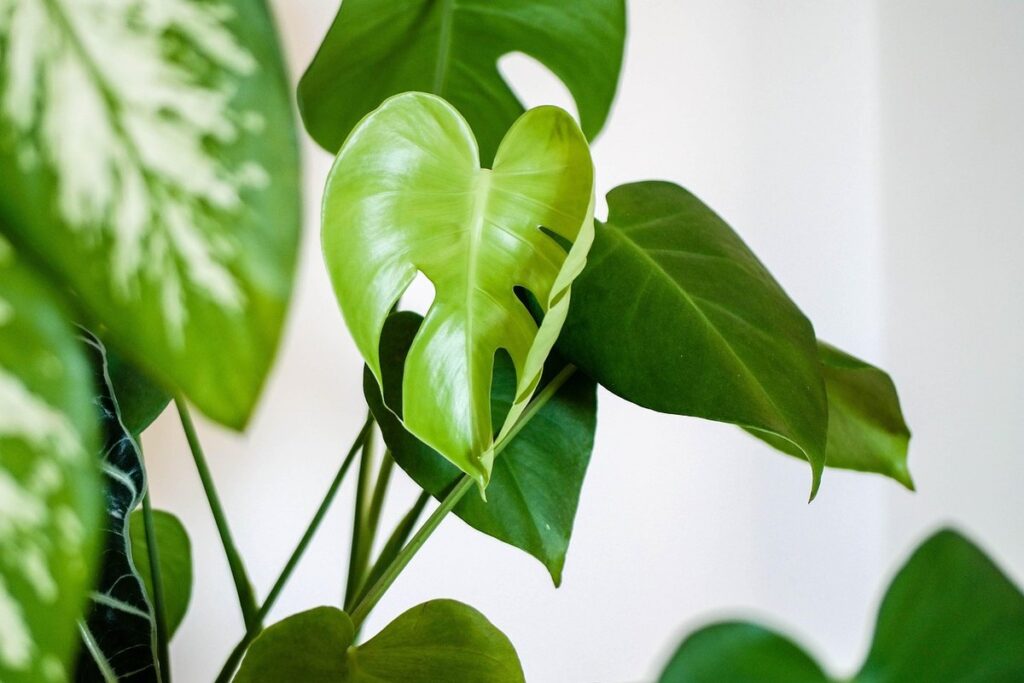
Understanding Your Monstera
To truly care for your monstera, you need to understand its unique needs and characteristics, including its native habitat and natural behaviors. Let’s dive into what makes this plant tick.
Choosing the Right Location
When it comes to placing your Monstera plant indoors, choosing the right location is crucial for its optimal growth and health. Lighting is a key factor to consider, as Monstera plants thrive in bright, indirect light but can tolerate low light conditions.
Ideally, place your Monstera near an east- or west-facing window, where it will receive gentle, filtered light throughout the day. Avoid placing it directly in front of a south-facing window, as this can cause scorching and damage to the leaves.
Temperature is also essential for your Monstera’s well-being. Keep it away from areas with extreme temperatures, such as near heating or cooling vents, fireplaces, or drafty windows. A consistent temperature between 65°F to 75°F (18°C to 24°C) will promote healthy growth and prevent shock.
By avoiding drafts and placing your Monstera in a spot with gentle light and stable temperatures, you’ll be providing it with the perfect environment for thriving indoors. Remember, happy plants make beautiful additions to any room, so take the time to choose a location that suits your Monstera’s needs.
Preparing Your Space
Before bringing your Monstera indoors, it’s essential to prepare its space for optimal growth. Pruning and repotting are crucial steps that help the plant adjust to indoor conditions and promote healthy development.
Prune your Monstera by removing dead or damaged leaves, cutting back overgrown stems, and shaping the plant to maintain a balanced structure. This process encourages new growth, prevents pest infestations, and enhances air circulation within the plant. Remove any weak or spindly stems, as these can be susceptible to disease.
Repot your Monstera in a well-draining potting mix specifically designed for tropical plants. Use a high-quality fertilizer with a balanced NPK ratio (20-20-20) to provide essential nutrients. Fertilize sparingly during the first growing season, and more frequently during periods of active growth. Other necessary materials include a suitable container with good drainage holes, a trellis or stake for support, and a water reservoir or saucer for easy watering.
When selecting a potting mix, consider a blend containing perlite or vermiculite to improve soil structure and prevent waterlogged conditions.
Lighting Requirements
When it comes to growing a healthy Monstera indoors, proper lighting is crucial. In this section, we’ll break down the specific lighting requirements for your plant to thrive.
Natural Light vs Artificial Light
When it comes to providing Monsteras with sufficient light, you have two primary options: natural light and artificial lighting. While both have their advantages, there are also some potential drawbacks.
Natural light is often the preferred choice for indoor plants like Monstera, as it provides a more balanced spectrum of wavelengths that promote healthy growth. Placing your Monstera near an east- or west-facing window can be ideal, as these directions receive gentle, indirect sunlight throughout the day. However, direct sunlight from south-facing windows can cause scorching and discoloration, especially during peak hours.
On the other hand, artificial lighting offers more flexibility in terms of intensity and duration. LED grow lights are a popular choice for indoor gardening, as they provide high-intensity light with minimal heat emission. By adjusting the distance between the plant and the light or using multiple lights, you can optimize the spectrum to meet your Monstera’s specific needs.
If natural light isn’t an option, consider placing sheer curtains in front of a window to filter the sunlight while still allowing it to enter the room. Alternatively, use artificial lighting as a supplement to enhance the overall light level during periods of reduced daylight hours or poor weather conditions.
Supplemental Lighting Options
When it comes to providing supplemental lighting for your Monstera, there are several options available. LED grow lights and fluorescent lights are two popular choices that can be effective in promoting healthy growth.
LED grow lights, in particular, offer a high level of intensity while using relatively little energy. They also produce minimal heat, making them an excellent option for indoor plants like Monsteras. Some popular types of LED grow lights include strip lights, panel lights, and single-unit lights.
Another option is to use fluorescent lights. These are often less expensive than LED grow lights and come in a range of spectrums, including full-spectrum, warm white, and cool white. However, they can be quite dim and may not provide enough intensity for larger plants.
Floor lamps can also serve as supplemental lighting options, especially if you have limited space or prefer a more minimalist setup. When selecting any of these options, consider the intensity needed by your plant. Most Monsteras require at least 10-12 hours of bright light per day to thrive.
In general, it’s best to choose a light that provides a balanced spectrum and sufficient intensity for your Monstera’s needs. Be sure to follow the manufacturer’s instructions for usage and adjust as necessary based on your plant’s response.
Watering and Humidity
When it comes to indoor Monstera care, getting the right balance of water and humidity is crucial for your plant’s health. This section will walk you through essential tips on watering and maintaining optimal humidity levels.
Monitoring Soil Moisture
Monitoring soil moisture is crucial to provide the right amount of water for your Monstera. Overwatering can lead to root rot and kill the plant, while underwatering causes stress and stunted growth. To avoid these extremes, check the soil moisture levels regularly.
You can use a moisture meter, which gives you an accurate reading of the soil’s moisture level. These devices are available at most gardening stores or online. Simply insert the probe into the soil, following the manufacturer’s instructions, and get your reading. Another method is to stick your finger into the soil up to the first knuckle; if the soil feels dry, it’s time to water.
Water when you feel a slight resistance as your finger slides in – this indicates the right level of moisture for your Monstera. For best results, check the soil moisture once a week during the spring and summer months, and once every 10-14 days in winter when your plant is dormant.
Maintaining Optimal Humidity Levels
When it comes to maintaining optimal humidity levels for your indoor Monstera, it’s essential to understand that this plant thrives in a humid environment. The ideal humidity range for Monsteras is between 50-70%. To achieve this level of moisture, you can employ various methods.
One simple yet effective way to increase the humidity around your Monstera is by placing it on a tray with pebbles and water. This method allows excess moisture from the plant’s roots to evaporate into the air, creating a humid microclimate around the plant. Make sure to keep the water level topped up, but avoid letting the pebbles sit in water as this can cause root rot.
Using a humidifier is another effective way to maintain optimal humidity levels for your Monstera. These devices release a controlled amount of moisture into the air, ensuring that your plant receives the right amount of humidity without over- or under-hydrating it. You can also group plants together to create a humid environment by placing them in close proximity.
Consider grouping plants with similar humidity needs to maximize their collective impact on the surrounding environment.
Temperature and Pruning
When it comes to monstera care indoor, pruning is a crucial aspect that’s often misunderstood. Let’s dive into how temperature affects your plant’s pruning needs.
Ideal Temperature Range
When it comes to providing the perfect environment for your Monstera, temperature plays a crucial role. This is especially true when it comes to avoiding extreme temperatures that can harm your plant.
First and foremost, try to keep your Monstera away from heating vents, radiators, and air conditioning units. These appliances can dry out the air in your home and cause stress to your plant. For example, if you have a radiator near your Monstera, it may dry out the soil too quickly, causing root rot. Similarly, if you place your Monstera directly in front of an air conditioner, it may suffer from cold temperatures that can shock its roots.
Instead, aim for an ideal temperature range of 65-75°F (18-24°C) for optimal growth. This is slightly above room temperature, which allows your Monstera to thrive without experiencing stress. If you live in a cooler climate, ensure your plant is away from drafty windows and doors that can cause cold air to circulate around it. On the other hand, if you reside in a warmer region, consider using shades or blinds to block direct sunlight during peak hours when temperatures tend to soar. By keeping your Monstera at a comfortable temperature, you’ll be well on your way to enjoying a lush and healthy plant.
Pruning and Training Techniques
Pruning and training your Monstera is essential for maintaining its desired shape while promoting healthy growth. To prune your Monstera, start by removing any dead or damaged leaves to prevent the spread of disease. Use clean pruning shears to avoid transferring bacteria to the plant.
When it comes to shaping your Monstera, focus on removing leggy stems and encouraging lateral growth. Cut back long stems to about one-third from the top, just above a node (where a leaf meets the stem). This will encourage new growth and help maintain a fuller appearance.
For training your Monstera to climb up a trellis or other support system, start by providing a sturdy anchor. Attach the plant to the trellis using a soft tie or twine, making sure not to constrict the stem. As the plant grows, gently guide it towards the trellis, using plant clips or ties to secure it in place.
Regular pruning and training will help your Monstera grow strong and sturdy, while also encouraging new leaves and roots to form. Remember to prune your Monstera regularly to maintain its desired shape and encourage healthy growth.
Fertilization and Pest Control
To keep your Monstera plant thriving indoors, it’s essential to know when to fertilize and how to protect against common pests that can damage its delicate leaves. We’ll cover the dos and don’ts of fertilization and pest control in this section.
Choosing the Right Fertilizer
When it comes to fertilizing your Monstera indoor, choosing the right fertilizer is crucial for its growth and overall health. As a monstera owner, you want to provide your plant with the necessary nutrients to thrive, but using the wrong type of fertilizer can cause more harm than good.
A balanced, water-soluble fertilizer specifically formulated for indoor plants like Monsteras is essential. These fertilizers are designed to provide a broad spectrum of micronutrients and macronutrients that cater to the unique needs of indoor plants. Look for a fertilizer that contains a mix of nitrogen (N), phosphorus (P), and potassium (K) – typically represented by the N-P-K ratio on the packaging.
For example, a 20-20-20 fertilizer is a good starting point, but be sure to follow the manufacturer’s instructions for dilution. Over-fertilizing can damage your Monstera’s roots, so it’s crucial to dilute the fertilizer according to package instructions. A general rule of thumb is to use half the recommended strength for the first application and adjust as needed based on plant response.
Monitoring for Pests
Common pests that can affect Monstera plants indoors include spider mites, mealybugs, and scale insects. These tiny creatures can cause significant damage to your plant’s leaves and stems if left unchecked.
To identify an infestation, look for white, cottony patches on the undersides of leaves or small, moving dots on the surface of the leaves. Spider mites are often visible as fine webs on the stems and leaves. Mealybugs appear as small, white, fuzzy spots that can be mistaken for aphids.
Preventing infestations is key to maintaining healthy Monstera plants. Ensure good air circulation around your plant by keeping it at least 6-8 inches away from any walls or other objects. Regularly inspect your plant’s leaves and stems for signs of pests. If you notice an issue, treat the plant with neem oil or insecticidal soap according to the product’s instructions.
For severe infestations, isolate the affected plant to prevent the pest from spreading to other plants in the area. Use a combination of these methods and monitor your plant closely to ensure that the pests are completely eliminated.
Frequently Asked Questions
How often should I water my Monstera plant indoors, considering the humidity levels?
Water your Monstera sparingly, allowing the top 1-2 inches of soil to dry out between waterings. This approach is crucial for maintaining optimal humidity levels and preventing root rot.
Can I use tap water for my Monstera plant, or should I opt for distilled water?
Yes, you can use tap water for your Monstera, but make sure it’s not too hard or alkaline. You can also add a few drops of vinegar to the water to adjust its pH levels and prevent nutrient deficiencies.
How do I know if my Monstera plant is getting enough humidity indoors?
Monitor your Monstera’s leaves; if they start to droop or develop brown tips, it may be a sign that the air is too dry. You can also use a humidifier to maintain optimal humidity levels between 50-70%.
Can I grow a Monstera plant in a low-light environment, such as an office cubicle?
Yes, Monstera plants are adaptable and can thrive in low-light conditions. However, be prepared for slower growth rates, and consider using supplemental lighting options like LED grow lights to promote healthy development.
How often should I fertilize my Monstera plant indoors, considering its nutrient needs?
Fertilize your Monstera every 4-6 weeks during the growing season (spring-fall) with a balanced, water-soluble fertilizer. During the dormant season, reduce fertilization to once a month or skip it altogether to prevent overfertilization.