
Are you tired of watching your precious plants succumb to unexpected frosts? A frost cloth garden can be just what you need to protect your outdoor space from harsh winter conditions. Not only does it provide a safeguard against damage, but it also allows you to extend the growing season and keep your plants healthy year-round.
In this ultimate guide, we’ll walk you through everything you need to know about creating a frost cloth garden that thrives. We’ll explore the benefits of using frost cloths, discuss the different types available, and share expert tips on how to select the right one for your needs. You’ll also learn how to use it effectively, avoid common mistakes, and keep your fabric in top condition throughout the seasons. By the end of this article, you’ll be equipped with the knowledge to create a frost cloth garden that brings life and vibrancy to your outdoor space even during the coldest months.
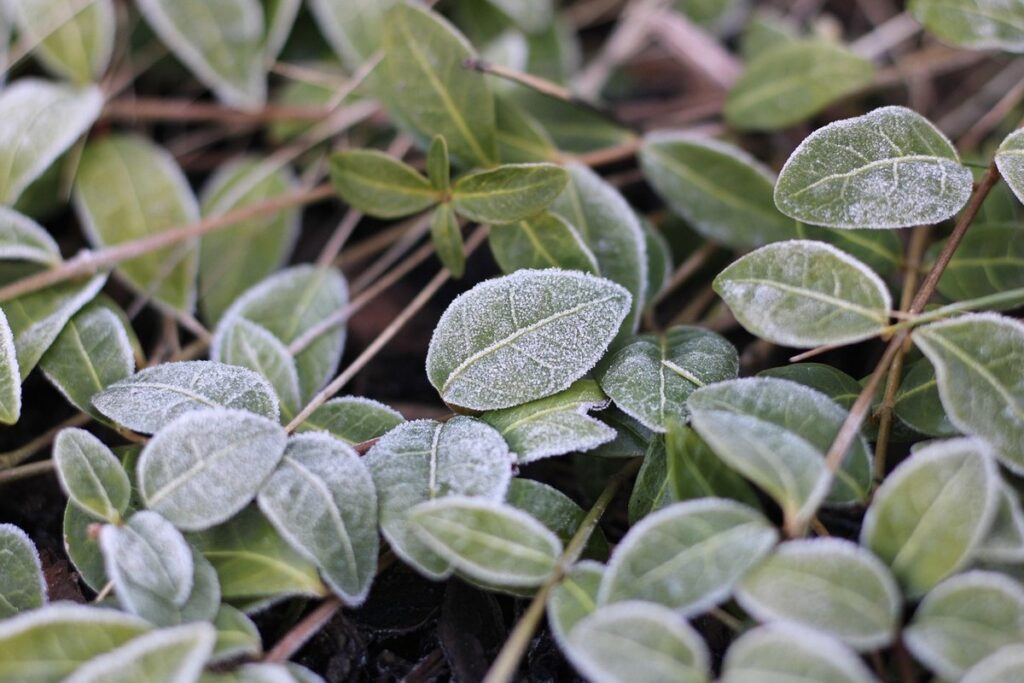
Understanding Frost Cloth Gardens
Understanding how frost cloth works is crucial for successful garden protection, so let’s dive into the key factors that affect its performance and effectiveness.
What is a Frost Cloth Garden?
A frost cloth garden is essentially an outdoor space designed to protect plants from extreme temperatures and harsh weather conditions. Its primary purpose is to extend the growing season for delicate plants that wouldn’t survive in normal outdoor conditions.
One of the key benefits of a frost cloth garden is its ability to regulate temperature fluctuations, keeping plants at a relatively stable temperature even when external temperatures drop significantly. This allows gardeners to grow a wider variety of crops, including those sensitive to frost.
A well-designed frost cloth garden can be up to 5-10°F warmer than the ambient temperature, making it an ideal environment for tender seedlings and young plants. The added protection also reduces stress on plants caused by extreme weather conditions, resulting in healthier and more productive growth.
When creating a frost cloth garden, consider incorporating features like row covers, cold frames, or even mini-greenhouses to maximize its potential. With careful planning, you can create an optimal environment for your plants to thrive, regardless of the season.
Types of Frost Cloths Used in Gardening
There are several types of frost cloths used in gardening, each with its unique characteristics and uses. The most common type is the traditional polypropylene frost cloth, which is lightweight, breathable, and easy to install. It’s an excellent choice for protecting delicate plants from frost damage and can be reused multiple times.
Another popular option is the blackout frost cloth, designed specifically for areas with intense sunlight. This type of fabric is heavier and provides complete blockage of light, making it ideal for seedlings or plants that require complete darkness during the day.
For more extreme weather conditions, there’s the specialized heavy-duty frost cloth, which offers enhanced protection against wind-driven rain and hail. It’s often used in areas prone to intense storms or where strong winds are common.
Lastly, some gardeners opt for the organic frost cloth made from natural materials like cotton or hemp. These eco-friendly options may not offer the same level of protection as their synthetic counterparts but provide a more environmentally friendly solution for small gardens or sensitive plants.
Benefits of Using Frost Cloth in Your Garden
Using frost cloth in your garden is a simple yet effective way to protect your plants from harsh winter conditions. By covering your plants with a breathable fabric, you can prevent damage from cold temperatures and frost. This not only helps to preserve the health of your plants but also reduces the risk of them dying off completely.
One of the most significant benefits of using frost cloth is that it allows for some flexibility when it comes to temperature fluctuations. Unlike plastic covers which can trap heat and moisture, causing condensation to build up on the plants, frost cloth breathes easily allowing excess moisture to escape. This reduces the risk of fungal diseases and helps maintain a healthy plant population.
Another advantage of using frost cloth is that it allows for easy monitoring of your plants’ health. With the cover removed, you can quickly inspect your plants without having to dig through layers of protection. This makes it easier to identify any potential issues early on and take corrective action before they become major problems.
Choosing the Right Frost Cloth for Your Needs
When selecting a frost cloth, consider factors such as durability, breathability, and UV resistance to ensure it meets your garden’s specific needs effectively.
Factors to Consider When Selecting a Frost Cloth
When selecting a frost cloth for your garden, there are several factors to consider. First and foremost, think about the size of the area you need to protect. Measure the space carefully, taking into account any obstructions such as trees or garden features. A good rule of thumb is to add 10-15% to your measurements to ensure the cloth covers the entire area.
Next, consider the material of the frost cloth. Look for high-quality materials that are breathable, durable, and water-resistant. Some popular options include polyester, polypropylene, and cotton blends. Be wary of low-cost alternatives that may not provide adequate protection or durability.
Finally, think about the coverage area you need. Frost cloths come in a range of sizes, from small individual covers to large rolls that can cover entire beds. Consider how often you’ll be using the cloth and whether it’s worth investing in a larger size that can be reused multiple times. A good quality frost cloth will pay for itself over time by protecting your plants from damage and preserving their health.
Popular Brands and Products for Frost Cloths
When it comes to choosing the right frost cloth for your garden, you’ll want to consider popular brands and products that offer a range of features and benefits. Some well-known brands in the market include Row Garden, Fiskars, and Agroloth.
Row Garden offers a premium frost cloth with a 5-mil thickness, providing excellent protection against extreme temperatures. Its unique grid pattern allows for increased airflow and prevents damage to plants due to moisture buildup. One of its key benefits is that it’s machine washable, making maintenance easy.
Fiskars, on the other hand, provides a more budget-friendly option with their 3-mil frost cloth. While not as thick as Row Garden’s product, it still offers sufficient protection against light frosts. Fiskars’ frost cloth also features a breathable mesh that allows for moisture transfer and prevents condensation buildup.
Agroloth is another popular brand offering high-quality frost cloths with varying thickness options. Their 4-mil frost cloth provides excellent insulation and can withstand harsh weather conditions. Agroloth’s products are also known for their durability and long lifespan, making them a great investment for gardeners who need reliable protection.
How to Use Frost Cloth Effectively
To get the most out of your frost cloth, it’s essential to learn how to use it effectively and protect your plants from damage. We’ll walk you through some best practices for successful application.
Preparing Your Garden for Frost Protection
As we discussed earlier, preparing your garden for frost protection is a crucial step before wrapping it with frost cloth. This involves pruning, cleaning up debris, and removing sensitive plants to prevent damage from harsh winds and frost.
Start by inspecting your plants for any signs of damage or stress caused by the previous season’s weather conditions. Remove any dead or diseased branches, as these can provide an entry point for disease and pests when wrapped in cloth. Cut back perennials like roses, lavender, and hydrangeas to about 6-8 inches from the ground, and trim back deciduous shrubs by one-third to reduce wind resistance.
Next, remove any debris, leaves, or weeds that can harbor moisture and create an environment conducive to fungal growth. Clear a 3-foot radius around each plant of any obstructions, including lawn furniture, garden ornaments, and mulch. This will allow for good air circulation and help prevent the buildup of condensation on the cloth.
Also, consider relocating sensitive plants to a protected area or bringing them indoors until the frost season is over. This includes tropical species like citrus trees, passionflower vines, and ferns that can’t tolerate even light frosts.
Applying and Securing the Frost Cloth
To apply and secure the frost cloth effectively, start by selecting a suitable location for installation. This is often near the area you want to protect from frost damage. Begin by laying out the frost cloth, ensuring it covers the desired space. For optimal results, stretch the material tightly over any supporting structures like trellises or stakes.
Tensioning is key to preventing sagging and ensuring the cloth remains effective. Use bungee cords or ropes to secure the fabric in place, anchoring it to the ground with heavy weights if necessary. Make sure to maintain a uniform tension across the entire area to prevent gaps and hotspots.
To achieve optimal results, aim for a 30-40% overlap between adjacent panels of frost cloth. This will help minimize cold air penetration and ensure comprehensive protection. Regularly inspect your installation to make any necessary adjustments or repairs. With proper application and maintenance, your frost cloth garden can thrive even in the coldest weather conditions.
Common Mistakes to Avoid When Using Frost Cloths
As you start protecting your garden from frost, be aware of these common mistakes that can compromise the effectiveness of your frost cloths. We’ll highlight what not to do when using them.
Incorrect Size or Coverage Area
When selecting a frost cloth, it’s easy to overlook one crucial detail: ensuring the correct size and coverage area for your garden. This might seem like a minor mistake, but it can have significant consequences on the effectiveness of your frost protection.
If you choose a frost cloth that’s too small, it won’t be able to cover all the plants in your garden, leaving them vulnerable to damage from harsh weather conditions. On the other hand, if the cloth is too large, it may flap excessively in the wind, causing more harm than good. To avoid this, measure your garden carefully before selecting a frost cloth.
Take note of the dimensions of your garden beds and make sure to choose a cloth that covers at least 10-15% more area than necessary. This will give you some wiggle room in case you need to adjust the placement of the cloth. Additionally, consider factors like air circulation and potential obstructions when positioning the frost cloth.
By taking the time to select the right size and coverage area for your frost cloth, you’ll be able to safeguard your plants from damage caused by frost and harsh weather conditions.
Poor Application Techniques
When it comes to using frost cloths effectively, it’s not just about draping them over plants and calling it a day. Unfortunately, many gardeners make the mistake of not securing their frost cloths properly, which can lead to damage or even total loss of crops.
One common pitfall is failing to account for wind direction. If you live in an area with strong gusts, you need to position your frost cloth accordingly to prevent it from being blown away. Imagine spending hours setting up a protective barrier only to have the wind rip it off during the night, leaving your plants vulnerable to frost damage.
To avoid this issue, take the time to research local weather patterns and adjust your frost cloth placement accordingly. You can also weigh down the edges with rocks or sandbags for added stability. By taking these simple precautions, you’ll be able to safeguard your crops from wind-borne frost cloths and enjoy a successful harvest come springtime.
Tips and Tricks for Extending the Life of Your Frost Cloth
To get the most out of your frost cloth, it’s essential to know how to properly care for and maintain it, extending its life and effectiveness. By following these simple tips and tricks, you’ll be on your way to a thriving frost cloth garden all season long.
Maintenance and Cleaning
Proper maintenance and cleaning of your frost cloth is essential to extend its lifespan. Over time, dirt, dust, and debris can accumulate on the fabric, reducing its effectiveness and potentially damaging it. To prevent this, regularly inspect your frost cloth for signs of wear and tear.
To clean your frost cloth, start by gently brushing off any loose debris with a soft-bristled brush or a vacuum cleaner. For more stubborn stains, mix a solution of mild soap and warm water, and gently scrub the affected area with a soft sponge. Avoid using harsh chemicals or abrasive materials that can damage the fabric.
It’s also essential to dry your frost cloth thoroughly after cleaning, especially if it’s been exposed to moisture. This will help prevent mold and mildew from growing on the fabric. To speed up the drying process, you can hang your frost cloth outside in direct sunlight or use a fan to circulate air.
By following these simple maintenance and cleaning tips, you can extend the life of your frost cloth and ensure it continues to protect your plants from frost damage for years to come.
Repairing and Replacing Damaged Sections
When dealing with damaged sections of frost cloth, it’s essential to assess the extent of the damage before deciding on a course of action. If only minor tears are present, you can often repair them using a needle and matching thread or a specialized fabric adhesive. For more extensive damage, however, replacing the affected section entirely may be necessary.
Before attempting any repairs, inspect the surrounding area for potential weaknesses that could compromise the integrity of the frost cloth. Apply a reinforcing material, such as a strip of tape or a patch, to vulnerable spots to prevent further damage. If replacement is required, select a matching fabric type and color to ensure seamless integration with the rest of the cloth.
When repairing or replacing damaged sections, take care not to compromise the original structure of the frost cloth. Use minimal force when manipulating the fabric, and avoid using harsh chemicals that could damage the material or harm nearby plants. Regular maintenance, including cleaning and inspections, can help identify potential issues before they become major problems, allowing you to address them promptly and extend the life of your frost cloth.
Additional Resources and FAQs
We hope you found our ultimate guide to frost cloth gardens informative and helpful, but we know you might still have a few more questions. Below, we’ve answered some of your most frequently asked questions about using frost cloth in gardening.
Recommended Reading and Online Resources
If you’re eager to dive deeper into the world of frost cloth gardens, here are some recommended reading and online resources that can provide valuable insights and information. The National Gardening Association is a great starting point, with their comprehensive guide on using frost cloths for protecting plants from frost damage.
For those looking for more technical advice, check out the USDA’s Plant Hardiness Zone Map, which can help you determine the best locations for your frost cloth garden based on your local climate. The map categorizes regions by their hardiness zones, making it easier to choose varieties that thrive in your area.
Additionally, online forums and communities like GardenWeb and Reddit’s r/gardening are excellent resources for connecting with experienced gardeners who have successfully used frost cloths in their own gardens. You can ask questions, share tips, and learn from others’ experiences – a great way to get hands-on advice and stay updated on the latest best practices.
Some essential books on frost cloth gardening include “The New Seed Starter’s Handbook” by Nancy Bubel and “The Vegetable Gardener’s Bible” by Edward C. Smith. These resources offer in-depth guidance on using frost cloths as a tool for protecting your plants, along with expert advice on garden design and maintenance.
Frequently Asked Questions (FAQs)
One of the most common questions about frost cloth gardens is whether they are truly effective in protecting plants from frost damage. The answer is a resounding yes! Frost cloth is designed to be a lightweight, breathable barrier that traps warm air next to plant stems and prevents cold air from penetrating.
When used correctly, frost cloth can prevent significant damage to your garden by reducing temperature fluctuations. For example, using a 6-mil or heavier weight frost blanket can reduce the impact of an overnight frost event by as much as 50%. However, it’s essential to apply the correct amount and type of fabric for your specific climate and plant types.
In terms of durability, high-quality frost cloth is designed to withstand repeated use over multiple seasons. Many users report getting several years out of a single roll, making it a cost-effective solution for protecting your garden from frost damage. To extend the life of your frost cloth, be sure to wash it gently after each use and store it in a dry location when not in use.
Frequently Asked Questions
Can I use a frost cloth garden on slopes or uneven terrain?
You can use a frost cloth garden on slopes or uneven terrain, but it’s essential to secure the fabric properly to prevent damage from wind or water accumulation. Use stakes and weights strategically placed to keep the fabric in place, and consider installing a drainage system to minimize moisture buildup.
What if I have a small garden space – can a frost cloth still be effective?
A frost cloth garden can be adapted to smaller spaces by selecting a compact design or using a smaller-sized fabric. Measure your space carefully before purchasing, and choose a frost cloth that fits snugly over the plants without leaving gaps for cold air to seep in.
How do I handle condensation under the frost cloth during warmer days?
Condensation under the frost cloth is normal but can lead to fungal diseases if left unchecked. Regularly inspect your garden and lift the fabric on mild days to allow for air circulation and prevent moisture buildup. Consider installing vents or using a breathable fabric to minimize condensation issues.
Can I reuse my frost cloth year after year, or do I need to replace it?
With proper care and maintenance, a frost cloth can last multiple seasons. Regularly clean the fabric with mild soap and water, repair any damaged sections promptly, and store it in a dry place when not in use. Inspect your fabric annually for signs of wear and tear; if you notice significant deterioration, consider replacing it to ensure optimal performance.
How do I know which type of frost cloth is best suited for my specific climate?
Different climates require various levels of protection against cold temperatures. Research the temperature extremes in your area and choose a frost cloth with the necessary insulation rating (R-value) to withstand those conditions. Consider factors like wind, precipitation, and humidity when selecting a fabric that suits your regional weather patterns.