
Are you looking for ways to improve your soil health without breaking the bank? Green manure crops are an innovative solution that’s gaining popularity among farmers and gardeners alike. By incorporating these beneficial plants into your rotation, you can boost soil fertility, suppress weeds, and even reduce the need for synthetic fertilizers. But what exactly are green manure crops, and how do they work their magic? In this article, we’ll delve into the benefits of using green manure crops, from improving soil structure to reducing erosion. We’ll also provide practical tips on how to implement these eco-friendly crops in your field, so you can start enjoying a more sustainable agriculture practice today.
What Are Green Manure Crops?
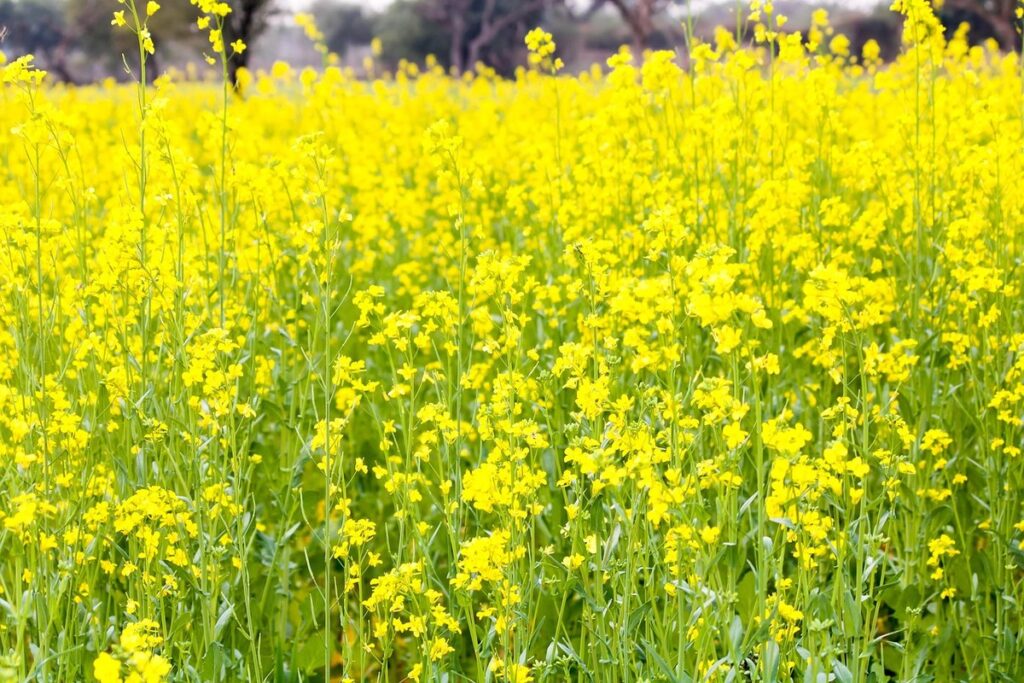
Green manure crops are a type of crop that’s intentionally grown and then turned into the soil to improve its fertility. We’ll explore what makes them so beneficial for your garden.
Definition and Purpose
Green manure crops are an essential component of sustainable agriculture and play a vital role in soil conservation. Simply put, green manure crops are plants that are grown specifically to be tilled into the soil as a nutrient-rich mulch, rather than being harvested for food or animal feed. This practice has been used for centuries in various forms around the world.
The primary purpose of growing green manure crops is to replenish the soil with nutrients and organic matter, which can become depleted over time due to intensive farming practices. By incorporating these crops into your rotation, you can improve soil structure, increase fertility, and support beneficial microbial activity. For example, legumes like clover or beans are excellent choices for green manure, as they fix nitrogen in the soil, making it available to subsequent crops.
By using green manure crops strategically, farmers can reduce their reliance on synthetic fertilizers and other chemicals, creating a more balanced and sustainable agricultural ecosystem.
Types of Green Manure Crops
Green manure crops can be broadly categorized into three main types: legumes, grasses, and mixtures. Legume green manures are particularly popular due to their ability to fix nitrogen in the soil, reducing the need for synthetic fertilizers. Examples of legume green manures include clover, beans, and peas. These plants are easy to incorporate into existing rotations and can be seeded directly into vegetable beds or used as a cover crop.
Grasses, on the other hand, provide excellent soil erosion control and help maintain soil structure. Popular grass options for green manure crops include rye, oats, and wheat. While they don’t have the same nitrogen-fixing abilities as legumes, grasses can still contribute to nutrient cycling in the soil. For those looking for a more diverse approach, mixtures of legumes and grasses are also available.
When choosing a green manure crop, consider factors such as climate, soil type, and intended use. Some crops may thrive in specific conditions or serve particular purposes. For example, rye is often used to provide winter cover and prevent soil erosion, while clover can be seeded directly into vegetable beds to promote nitrogen fixation.
Advantages of Using Green Manure Crops
When used correctly, green manure crops offer numerous benefits for your garden’s health and productivity. Let’s explore some of the advantages of incorporating these crops into your soil management routine.
Soil Improvement
Green manure crops are incredibly effective at improving soil structure, fertility, and overall health. When incorporated into the soil, these crops break down and release nutrients that can’t be accessed by other plants. This process is especially beneficial for soils that have been depleted of their natural nutrient stores due to intensive farming practices.
One key benefit of using green manure crops is their ability to improve soil structure. By adding organic matter through crop decomposition, green manures help to increase the soil’s water-holding capacity and aeration. This leads to better root growth, improved drainage, and increased yields for subsequent crops. For example, clover-based green manures have been shown to increase soil organic carbon by up to 20% in just one growing season.
In addition to improving structure, green manure crops can also help to replenish the soil’s nutrient stores. Legumes, such as beans and peas, are particularly effective at fixing atmospheric nitrogen into the soil, making it available for other plants. By incorporating these crops into your rotation, you can reduce the need for synthetic fertilizers and create a more sustainable farming system.
Weed Suppression and Erosion Control
Green manure crops offer a natural solution for weed suppression and erosion control. One of the most significant advantages of using green manure is its ability to crowd out weeds by growing densely. Legumes like clover and beans produce an abundance of foliage, shading out competing weeds and preventing them from germinating.
In addition to suppressing weeds, green manure crops also help prevent soil erosion. Their extensive root systems hold the soil in place, reducing runoff and preventing nutrient loss. For example, winter rye is a popular choice for cover cropping as it has an extensive root system that can bind up to 4 tons of soil per acre.
To effectively use green manure for weed suppression and erosion control, it’s essential to choose the right crop for your specific climate and soil type. Be sure to plant your green manure crop before weeds begin to germinate, allowing it to establish a strong presence in the soil. Regular maintenance, such as mowing or incorporating the crop into the soil, can also help maintain its effectiveness.
Nitrogen Fixation and Fertilization
One of the most significant advantages of using green manure crops is their ability to fix nitrogen in the soil, reducing the need for synthetic fertilizers. Legume-based green manures are especially effective at this, thanks to their unique relationship with rhizobia bacteria. These beneficial microbes live within the plant’s roots and convert atmospheric nitrogen (N2) into a form that can be used by plants.
This process is called nitrogen fixation, and it’s essential for maintaining soil health and fertility. By incorporating legume-based green manures into your rotation, you can significantly reduce your reliance on synthetic fertilizers. In fact, research has shown that using green manure crops can decrease fertilizer application rates by up to 50%. This not only saves money but also reduces the environmental impact of fertilizer production.
To make the most of this benefit, be sure to choose legume-based green manures like clover or beans for your crop rotation. Plant them at the right time and in conjunction with other crops that complement their growth habits.
Choosing the Right Green Manure Crop for Your Needs
When it comes to selecting a green manure crop, the options can be overwhelming, but choosing the right one will make all the difference in your garden’s success. Let’s explore some key factors to consider.
Climate and Soil Considerations
When selecting a green manure crop, it’s essential to consider the climate and soil conditions of your farm or garden. Different crops thrive in varying temperatures, moisture levels, and soil types, so choosing one that suits your specific environment is crucial.
For example, if you live in an area with hot summers and mild winters, you may want to choose a green manure crop like cowpeas, which can tolerate high temperatures and drought. On the other hand, if you have cool and wet conditions, a crop like winter rye or oats might be more suitable.
When assessing your soil type, consider its pH level, nutrient content, and texture. If your soil is heavy clay or sandy, choose a green manure crop that can help improve its structure. Legumes like clover and beans are excellent choices for poor soils as they fix nitrogen, making it available to subsequent crops.
It’s also worth noting that some green manure crops can be used to break up compacted soils, while others may require specific preparation or treatment before being incorporated into the soil.
Rotational Planning and Timing
When planning to incorporate green manure crops into your rotation, timing is everything. A well-planned rotational strategy will ensure successful establishment and optimal benefits from these valuable crops.
To start, consider the lifecycle of the specific green manure crop you’ve chosen. Some varieties mature quickly, while others take longer. For example, ryegrass can be harvested in as little as 60 days, whereas clover may require up to 120 days. Knowing this will help you plan when to sow and how often to rotate.
It’s also essential to consider your local climate and soil type. Green manure crops thrive in areas with adequate moisture and a moderate temperature range. In regions with harsh winters or extreme summers, choose varieties that are tolerant of these conditions.
In general, aim to establish green manure crops during the spring or fall when the weather is cooler. This allows for healthy growth without excessive heat stress. As you begin implementing rotational planning, keep in mind that it’s a process that requires flexibility and adaptability. Be prepared to adjust your strategy based on specific crop performance and soil conditions.
By taking these factors into consideration, you can create an effective rotation plan that maximizes the benefits of green manure crops for your farm or garden.
Integration with Other Farming Practices
Green manure crops can be seamlessly integrated with other farming practices to enhance soil health and increase crop yields. One of the most effective ways to incorporate green manures is through cover cropping. By planting a green manure crop as a cover crop, you can prevent soil erosion, suppress weeds, and maintain soil fertility. For instance, winter rye or hairy vetch can be used as a cover crop in the off-season, followed by a spring green manure such as crimson clover or cowpeas.
Crop rotation is another essential practice that can be combined with green manures to promote soil health and reduce pests and diseases. By rotating your crops, you can break disease cycles and improve nutrient availability for future crops. For example, planting a legume-based green manure like beans or peas before transitioning to a non-legume crop like corn or wheat will provide the necessary nitrogen.
When integrating green manures with other practices, it’s essential to consider factors such as soil type, climate, and the specific needs of your crops. By doing so, you can create a diverse and resilient farming system that promotes long-term sustainability and profitability.
Implementing Green Manure Crops in Your Field
To successfully integrate green manure crops into your field, you’ll need to consider factors like soil type and crop selection. Let’s explore practical steps for implementing a green manure strategy.
Preparation and Establishment
When preparing to plant green manure crops, it’s essential to select the right variety for your specific climate and soil type. Start by choosing a crop that suits the season you plan to establish it, as some green manures are more suitable for spring or fall planting. Consider factors like maturity date, growth rate, and nitrogen content when selecting your crop.
In terms of seed selection, look for varieties that are specifically labeled as “green manure” or have high nitrogen-fixing capabilities. Some popular options include clover, rye, and oats. When it comes to planting techniques, make sure to follow the recommended seeding rates and depths for your chosen variety. Plant seeds in well-prepared soil, ideally 1-2 inches deep, depending on the crop.
To ensure successful establishment, incorporate organic matter like compost or manure into the soil before planting. This will help improve its structure and fertility, creating an optimal environment for your green manure crop to thrive. By following these steps, you’ll be well on your way to a healthy, productive green manure crop that will benefit your soil for years to come.
Management and Monitoring
Managing green manure crops requires attention to their specific needs, just like any other crop. One of the most crucial factors is irrigation management. Green manure crops have different water requirements compared to traditional crops, so it’s essential to monitor their moisture levels closely. A good rule of thumb is to provide about 20-25% more water than you would for a regular crop.
Pest management is another critical aspect to consider when growing green manure crops. Since these crops are often grown as a cover crop, they can attract pests that may damage the subsequent cash crop. Regularly inspect your field and monitor for signs of pests like aphids, whiteflies, or slugs. Use integrated pest management techniques whenever possible, combining physical barriers, biological controls, and targeted pesticide applications only when necessary.
Additionally, monitor soil temperature, as green manure crops can be sensitive to cold temperatures, which may delay their germination. Keep a record of your crop’s growth, noting any changes in its appearance or performance.
Incorporation into the Soil
When harvesting your green manure crop, it’s essential to incorporate it into the soil correctly to maximize its benefits. This process can be broken down into several steps.
First, ensure that the green manure has reached a sufficient level of maturity, typically when 75-80% of the plants have turned yellow or brown and begun to die back. This is usually indicated by a noticeable change in leaf color and a softening of the stems.
Next, mow or chop the crop close to the ground using a string trimmer, lawn mower, or sickle bar mower. This helps break down the plant material into smaller pieces that can be easily incorporated into the soil.
Once chopped, the green manure can be spread evenly across the field using a mechanical spreader or by hand. A recommended application rate is 2-4 tons per acre, depending on soil type and crop requirements.
After incorporation, allow the green manure to break down for several weeks before planting new crops. This will give the microorganisms in the soil sufficient time to decompose the plant material and release its nutrients.
Challenges and Limitations of Green Manure Crops
While green manure crops offer numerous benefits, they’re not without their challenges. Let’s explore some of the common limitations you may encounter when using these crops in your garden or farm.
Potential Drawbacks and Pitfalls
While green manure crops offer numerous benefits for soil health and fertility, there are potential drawbacks and pitfalls to consider. One of the main challenges is dealing with pests and diseases that can affect these crops. For example, green manure crops like clover can be susceptible to powdery mildew, a fungal disease that can significantly reduce yields.
To mitigate this risk, it’s essential to choose pest- and disease-resistant varieties or implement integrated pest management (IPM) strategies. This might involve crop rotation, biological control methods, or using organic pesticides as a last resort. Regular monitoring of your green manure crops is also crucial to catch any issues early on.
Another potential pitfall is over-fertilization, which can lead to nutrient imbalances in the soil. To avoid this, it’s essential to carefully plan and manage your green manure crop’s nutrient inputs. This might involve incorporating cover crops with complementary nutrient profiles or using natural fertilizers like compost.
By being aware of these potential challenges and taking proactive steps to address them, you can successfully grow green manure crops that provide long-term benefits for your soil health.
Strategies for Overcoming Challenges
Overcoming challenges is an essential part of successfully incorporating green manure crops into your farming routine. One key strategy for overcoming challenges is crop selection and rotation planning. This involves choosing the right types of green manure crops for your specific climate, soil type, and desired outcome.
For example, legumes like clover or beans are ideal for improving soil fertility, while grasses and cereals can help to break up compacted soils. When planning rotations, consider the growth periods of each crop and ensure that there’s enough time between plantings for the green manure to fully decompose before planting new crops.
Another strategy is to start small and gradually build up to more extensive use of green manure crops. This can help you gain experience and fine-tune your techniques without overwhelming yourself or risking crop failures. Additionally, consider incorporating cover crops into your rotation to provide a continuous supply of green manure throughout the year.
It’s also essential to monitor and adjust your strategy as needed based on factors like weather conditions and soil health. By being flexible and adaptable, you can overcome challenges and make the most of the benefits that green manure crops have to offer.
Future Directions and Research Opportunities
As you continue exploring the benefits of green manure crops, let’s turn our attention to the exciting possibilities that lie ahead for their use and development. New research is shedding light on innovative ways to harness these incredible plants’ potential.
Emerging Trends and Technologies
As green manure crop research continues to evolve, several emerging trends and technologies are gaining traction. One notable example is the use of precision agriculture techniques, such as drones and satellite imaging, to optimize green manure crop planting and management. These tools enable farmers to monitor soil health, detect nutrient deficiencies, and adjust their green manure crop plans accordingly.
Another area of interest is the development of new green manure crop varieties that are more resilient to climate change. Scientists are working on creating crops that can thrive in challenging conditions, such as extreme temperatures or droughts. For instance, researchers have developed a new green manure crop variety that can tolerate high levels of salinity, making it ideal for use in coastal areas.
The use of cover cropping apps is also becoming increasingly popular among farmers. These apps provide personalized recommendations on which green manure crops to plant, when to plant them, and how to maintain them. They often incorporate data from local weather forecasts, soil types, and pest management strategies to ensure optimal results.
Potential Applications and Benefits
Green manure crops have numerous potential applications and benefits across various agricultural contexts. For instance, they can be used as a cover crop to improve soil health and structure, reducing erosion and increasing water retention. This is particularly beneficial for farmers with sloping lands or those prone to drought.
In intensive cropping systems, green manure crops can serve as a rotational crop to break disease cycles and pests, maintaining soil fertility and biodiversity. The legumes in these crops fix nitrogen, eliminating the need for synthetic fertilizers and reducing greenhouse gas emissions.
Green manure crops can also be used as a trap crop to lure pests away from main crops, or as a nurse crop to provide shade and support for young seedlings. They can even be incorporated into permaculture designs, where they contribute to the ecosystem’s resilience and self-sufficiency.
When implementing green manure crops, farmers should consider factors such as climate, soil type, and available space to maximize their benefits. A minimum of two weeks’ growth is recommended before incorporation to allow for sufficient biomass buildup.
Frequently Asked Questions
How can I determine the best time to plant green manure crops for my specific region?
Before planting, consider your local climate and soil conditions. Green manure crops thrive in temperate climates with adequate moisture. In regions with extreme temperatures or low rainfall, choose heat-tolerant or drought-resistant varieties.
What if I have limited space on my farm or garden – can I still use green manure crops effectively?
Yes. You can grow green manure crops in containers or intercrop them with other plants to maximize space efficiency. This technique is ideal for small-scale farmers and gardeners who want to reap the benefits of green manure without sacrificing valuable land.
Can I mix different types of green manure crops together for a more diverse soil ecosystem?
Yes. By incorporating multiple species, you can create a more resilient and nutrient-rich soil environment. For example, legumes like clover or beans fix nitrogen, while grasses like rye or oats provide structural support. Choose a mix that suits your climate and soil type.
How do I manage pests and diseases in my green manure crop without using synthetic pesticides?
To minimize pest pressure, use physical barriers, crop rotation, and biological control methods whenever possible. If necessary, apply organic pesticides or fungicides specifically labeled for green manure crops. Regular monitoring and maintenance are key to preventing infestations.
Can I incorporate green manure crops into my existing farming practices without disrupting the soil ecosystem?
Yes. Green manure crops can be integrated seamlessly with conventional farming methods. Start by allocating a small portion of your land for a trial crop, then monitor its impact on your overall system before scaling up. Be prepared to adjust your approach as needed based on observations and results.