
Are you tired of waiting months for your compost to break down? Do you want to create rich, nutrient-dense soil for your garden without attracting pests? An effective compost turning schedule is the key. By understanding when and how often to turn your compost pile, you can speed up decomposition, reduce odors, and prevent pests from taking over. But with so many variables at play – temperature, moisture, carbon-to-nitrogen ratios – it’s easy to get overwhelmed. In this article, we’ll show you how to create a tailored compost turning schedule that boosts decomposition speed, reduces pest issues, and yields high-quality compost for your garden. We’ll cover the basics of composting, common mistakes to avoid, and provide a simple step-by-step guide to creating your own customized schedule.
Understanding the Importance of Compost Turning
Composting isn’t just about tossing food scraps and yard waste together, it’s a delicate process that requires regular maintenance to avoid odors and pests. Let’s explore why turning your compost pile is crucial for a healthy ecosystem.
What is Compost Turning?
Compost turning is an essential process that involves regularly aerating and mixing the compost pile to accelerate decomposition, eliminate odors, and achieve optimal nutrient-rich soil. Essentially, it’s like turning over a layer of mulch in your garden – you’re flipping the contents of your compost bin to introduce oxygen and speed up the breakdown of organic materials.
The primary purpose of compost turning is to ensure that microorganisms have enough oxygen to function efficiently. These tiny organisms feed on the waste and produce heat, which helps kill off weed seeds and pathogens. By mixing the pile regularly, you’re allowing them to breathe and work effectively. This process also helps prevent anaerobic conditions, where decomposition occurs in the absence of air, resulting in unpleasant odors and reduced compost quality.
For gardeners, regular compost turning has numerous benefits. It ensures a finished product with improved texture, structure, and nutrient content – perfect for enriching your soil.
Why Turn Your Compost Pile Regularly?
Turning your compost pile regularly is crucial to maintain its optimal functioning and prevent unwanted consequences. If left unturned for an extended period, your compost pile can develop anaerobic conditions, which hinder the decomposition process. This occurs when oxygen levels drop, allowing pathogens and pests to thrive. Fruit flies, rodents, and other vermin might find their way into your compost heap, contaminating it with diseases and parasites.
A neglected compost pile also slows down its decomposition speed. As organic matter breaks down, it releases heat, which can lead to overheating if the pile is compacted. Turning your compost regularly helps maintain oxygen levels, allowing microorganisms to break down materials efficiently. Aim to turn your compost every 7-10 days during hot weather and every 2-3 weeks in cooler conditions. This frequency will help you manage pest attraction and promote a balanced decomposition process, ultimately resulting in nutrient-rich compost for your garden.
Determining the Right Composting Method
Now that you’ve decided to create a compost turning schedule, it’s essential to choose a method that suits your lifestyle and compost needs. We’ll explore the different methods to help you determine which one is best for you.
Choosing Between Active and Passive Composting
When it comes to composting, you’ll often come across two main types: active and passive composting. Understanding the differences between these methods is crucial in determining which one suits your needs best.
Active composting involves regular turning of the pile, usually every 2-3 days, to maintain optimal oxygen levels and moisture. This method requires more labor but yields faster results – typically within a few weeks. If you have limited space, active composting might be the way to go. For example, if you live in an urban area with a small backyard, a compact bin or container can make active composting feasible.
On the other hand, passive composting relies on natural processes and requires minimal maintenance. The pile is left untouched for longer periods, allowing microorganisms to break down the organic matter at their own pace. This method is ideal for those with ample space and patience – results may take several months or even years to achieve. Consider passive composting if you have a large garden or want to minimize labor.
Space requirements vary significantly between active and passive composting. Active composting needs a larger area to accommodate regular turning, whereas passive composting can thrive in smaller spaces. It’s essential to assess your available space before choosing a method.
In terms of waste management, both methods require attention to balance the carbon-to-nitrogen ratio (C/N) and moisture levels. However, active composting allows for more flexibility in monitoring these factors due to its regular turning schedule.
Understanding the Carbon-to-Nitrogen Ratio
Achieving an optimal balance between carbon-rich “brown” materials and nitrogen-rich “green” materials is crucial for successful composting. The carbon-to-nitrogen ratio (C:N ratio) determines the rate of decomposition and overall quality of the final product.
To put this into perspective, consider a general rule of thumb: for every 25% green material (high in nitrogen), you need to add 75% brown material (high in carbon). This translates to a C:N ratio of about 25:1. However, ideal ratios can vary depending on the specific composting method and materials being used.
A good starting point is to aim for a range of 20-30:1. For example, if you’re using kitchen scraps as your primary green material, balance them out with an abundance of dry leaves or shredded newspaper. Monitor the pile’s temperature and moisture levels, adjusting the mix accordingly.
Some key signs of imbalance include:
• Excessive heat, indicating too much nitrogen
• Slow decomposition, suggesting insufficient carbon
By maintaining a balanced C:N ratio, you’ll optimize the composting process, ensuring a rich, nutrient-dense end product.
Planning Your Compost Turning Schedule
To effectively manage your compost pile, it’s essential to plan a regular turning schedule to maintain optimal conditions for decomposition and minimize odors. This involves considering factors like climate, material inputs, and desired end product.
Factors to Consider When Creating a Turning Schedule
When creating a turning schedule for your compost pile, several factors come into play that can significantly impact its success. Climate and seasonality are crucial considerations as they dictate the ideal temperatures for decomposition to occur efficiently. In warmer climates, for instance, you may need to turn your compost more frequently to prevent it from overheating and losing nutrients.
Garden size also plays a significant role in determining the frequency of turning. A larger garden will naturally require more frequent turning due to increased waste generation. This is especially true if you’re dealing with a high volume of leaf litter, grass clippings, or other materials that contribute to a faster decomposition rate.
Additionally, the type of waste being composted can influence your turning schedule. For example, adding large quantities of dry leaves may require more frequent turning to prevent matting and ensure even moisture distribution. By considering these factors and tailoring your turning schedule accordingly, you’ll be able to create an optimal environment for efficient decomposition and nutrient-rich compost production.
Sample Composting Schedules for Different Seasons
When creating a compost turning schedule, it’s essential to consider the changing seasons and adjust the frequency of turns accordingly. This ensures that your composting process remains efficient and effective.
Spring:
In spring, temperatures are typically rising, and moisture levels may be higher due to rainfall. Aim to turn your compost pile every 7-10 days during this season. This will help prevent matting and ensure aeration, allowing for optimal decomposition.
To maintain balance, you can alternate between adding “green” materials like food scraps and grass clippings, which are high in nitrogen, and “brown” materials such as dried leaves or shredded newspaper, which are high in carbon. For example:
* Week 1: Add 2-3 inches of green material on top
* Week 2: Turn the pile and add 2-3 inches of brown material
Summer:
As temperatures soar during summer, compost piles can heat up rapidly. Monitor your pile’s temperature regularly and turn it every 10-14 days to maintain optimal decomposition.
You may need to adjust the amount of green materials you add, as high temperatures can lead to an overabundance of nitrogen-rich materials.
Fall:
In fall, temperatures are generally cooler, and moisture levels decrease. Reduce turning frequency to every 2-3 weeks during this season. This allows for slower decomposition rates and helps retain heat in the pile.
During fall, focus on adding more brown materials like fallen leaves or straw to maintain a balance of carbon-rich and nitrogen-rich ingredients.
Implementing Your Compost Turning Schedule
Now that you’ve created your compost turning schedule, let’s dive into how to effectively implement it and make the most of your hard work. We’ll cover the nitty-gritty details of daily, weekly, and monthly tasks.
Setting Up Your Compost Bin or Pile
When it comes to setting up your compost bin or pile, there are several factors to consider to ensure that you’re creating an optimal environment for decomposition. First and foremost, choose a location for your compost that is well-ventilated and accessible. Avoid placing your compost bin in a shaded area or near any structures that could be damaged by moisture.
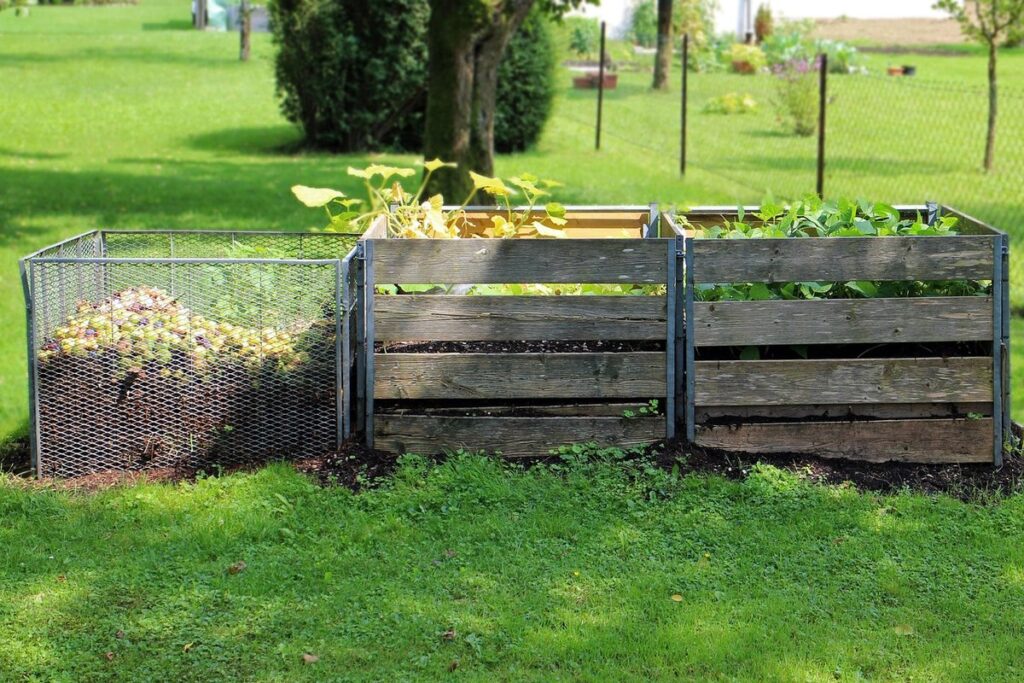
Selecting the right type of compost bin or pile configuration can also make a big difference. Consider investing in a tumbling composter, which allows for easy turning and minimal odor issues. Alternatively, you can opt for a simple wire mesh enclosure or a wooden pallet structure to create an aerated pile. Regardless of your choice, ensure that your compost bin has adequate ventilation – at least 3-4 inches of space between the walls and floor.
Drainage is also crucial to preventing waterlogging and anaerobic conditions. Consider incorporating a slight slope into the bottom of your compost bin or using a French drain system to direct excess moisture away from the pile.
Tips for Effective Compost Turning Techniques
When it comes time to turn your compost pile, you want to make sure you’re doing it safely and effectively. This is where proper technique comes into play.
To begin with, always use a long-handled turning tool to keep you at a safe distance from the pile. A fork or aerator will also help to break up clumps of material without compacting them further. When using a shovel, aim for gentle scoops and avoid packing down the materials. This can lead to anaerobic conditions that stifle decomposition.
Consider composting in thin layers, turning each layer as you go along. This encourages air circulation and facilitates even decomposition. For larger piles, create pathways through the middle so that oxygen can reach the interior. Regular turning will help break down organic matter efficiently while minimizing odors and pests.
Another key consideration is timing – avoid turning when the pile is wet or saturated, as this can lead to nutrient loss and reduced effectiveness. Instead, wait for the material to dry slightly before turning.
Monitoring Progress and Adjusting Your Schedule
Now that you have a solid compost turning schedule, it’s time to see how it’s working out and make any necessary adjustments to keep your composting process on track. This section shows you how.
How to Check the Compost’s Quality and Readiness
Checking the compost’s quality and readiness is an essential step in ensuring you’re producing nutrient-rich soil for your garden. To assess maturity, look for signs of decomposition such as a dark brown or black color, earthy aroma, and crumbly texture. Avoid checking by sight alone, as some materials like coconut coir can remain light-colored even when fully broken down.
To test the compost’s readiness, perform the ‘squeeze test’. Take a handful of compost and squeeze it firmly. If water droplets form on the outside but the interior remains dry, it’s likely ready to use. Alternatively, you can also perform the ‘smell test’, where you break apart some compost and inhale its aroma. A sweet, earthy smell indicates maturity.
It’s also essential to check for pests or diseases by examining the compost for signs of infestation or unusual odors. Finally, take a small sample of your finished compost and mix it with soil in a pot. Observe the plant’s growth over time to gauge the effectiveness of your compost.
Adjusting Your Turning Schedule as Needed
As you monitor your compost pile’s progress, it’s essential to pay attention to three critical factors: temperature, moisture levels, and pest activity. These indicators will help you determine whether your turning schedule is on track or needs adjustments.
Temperature is a crucial aspect of the composting process. A healthy compost pile typically reaches temperatures between 130°F and 140°F (54°C to 60°C) as microorganisms break down organic matter. However, if the temperature exceeds 160°F (71°C), it can lead to a decrease in microbial activity, causing the composting process to slow down or even stop. To avoid this, regularly check the pile’s temperature and turn it when it drops below 130°F (54°C) or rises above 140°F (60°C).
Keep an eye on moisture levels as well. Compost needs to be kept moist but not soggy. If the pile is too dry, microorganisms will struggle to break down organic matter efficiently. Conversely, if it’s too wet, anaerobic conditions can occur, leading to unpleasant odors and pest infestations.
Pests like rodents, insects, or even flies can invade your compost pile, causing problems for your finished product. Monitor for signs of pests and adjust the turning schedule accordingly. If you notice a high level of pest activity, turn the pile more frequently to prevent the problem from escalating.
By regularly checking temperature, moisture levels, and pest activity, you’ll be able to make informed decisions about adjusting your turning schedule. This will ensure that your composting process remains efficient, effective, and free of problems.
Troubleshooting Common Composting Issues
We’ve all been there – a smelly compost pile, moldy mess, or struggling to balance moisture levels. Don’t worry, we’ll tackle these common issues together in this next section!
Identifying and Addressing Pests and Diseases
As you tend to your compost pile, it’s essential to keep an eye out for pests and diseases that can hinder the decomposition process. Common culprits include rodents, flies, and ants, which can be attracted to sweet or fermented odors emanating from the pile.
To identify pests, look for signs like holes in the pile, shredded paper or cardboard, or unusual tracks leading away from it. Regularly inspect your compost pile, turning it every 7-10 days as mentioned in our turning schedule guide, will help you catch issues before they become severe. Keep the pile at least 3 feet off the ground to discourage rodents and pests.
Some diseases that can affect compost piles include fungal growths like powdery mildew or botrytis, which appear as white or gray patches on the surface. Regularly monitor the pile’s moisture levels – ideal is a damp sponge-like consistency – to prevent excessive wetness that fosters disease growth.
To address these issues, balance your carbon-to-nitrogen ratio by adding more browns (dried leaves) and greens (food scraps), which will help starve pests of their food sources. Introduce beneficial organisms like worms or composting microorganisms to control pest populations. By recognizing and addressing these problems early on, you’ll maintain a healthy, thriving compost pile that produces nutrient-rich soil for your garden.
Resolving Odor and Moisture Problems
When it comes to composting, odor and moisture issues are two common problems that can arise. A smelly pile not only attracts pests but also indicates anaerobic conditions, where decomposition slows down. On the other hand, excess moisture leads to mold growth, which can harm microorganisms and create an unhealthy environment.
To mitigate these issues, it’s essential to maintain a balance in your compost pile. To address odor problems, ensure that you have adequate airflow by turning the pile regularly. You can also add brown materials like straw or shredded newspaper to absorb excess moisture and odors. Another solution is to incorporate green materials with high nitrogen content, such as fresh grass clippings, which will help balance out the carbon-rich materials.
To address moisture issues, make sure your compost pile has sufficient space for air circulation. You can also sprinkle a thin layer of brown materials on top of the pile to absorb excess moisture. It’s also crucial to avoid overwatering, which can lead to anaerobic conditions and create more problems than it solves. By maintaining a balance between green and brown materials, turning your pile regularly, and ensuring good airflow, you’ll be well on your way to creating a healthy compost environment that encourages decomposition.
Frequently Asked Questions
What if I have a small garden or limited space for composting?
If you’re short on space, consider using a compact compost bin or even a vermicomposting system (worm composting). These options can help you manage your organic waste without sacrificing valuable garden real estate. Just remember to monitor temperature and moisture levels closely, as these systems can be prone to overheating.
Can I adjust my compost turning schedule seasonally?
Yes! Depending on the climate and season, you may need to adjust your turning frequency. For example, in warmer months, you might turn your pile more frequently (every 7-10 days) to control odors and pests. In cooler months, you can slow down the process (every 4-6 weeks). Be prepared to adapt as conditions change.
How do I know if my compost is too dry or too wet?
Check the texture by squeezing a handful of compost – it should hold its shape but crumble easily when released. If your compost feels powdery, it’s too dry; add some water and mix well. Conversely, if it forms clumps, it’s too wet; let it aerate for a few days to dry out.
What happens if I skip turning my compost pile entirely?
If you neglect to turn your compost, it can lead to anaerobic conditions, attracting pests and creating unpleasant odors. In extreme cases, this can even result in the formation of pathogenic microorganisms – essentially, making your compost a breeding ground for disease-causing bacteria. Regular turning is crucial for maintaining a healthy ecosystem.
Can I use my compost turning schedule as a template for other gardening projects?
While your compost turning schedule provides valuable insights into managing decomposition and nutrient distribution, its specific parameters may not directly translate to other gardening endeavors (e.g., seed starting, pruning). Tailor the principles learned from creating this schedule to suit each new project’s unique requirements.