
Are you tired of waiting months for your compost pile to break down? Don’t worry, you’re not alone. Composting is a vital process that turns food scraps and yard waste into nutrient-rich soil, but it can be slow and frustrating if not done correctly. Achieving the perfect balance between carbon-rich “brown” materials like leaves and nitrogen-rich “green” materials like grass clippings is crucial for speeding up composting. But how do you get it just right? In this article, we’ll share expert advice on creating a speedy compost pile that’s teeming with life. We’ll cover tips on adding green materials, using speed-up agents, and achieving the ideal carbon-to-nitrogen ratio to ensure your compost is breaking down quickly and efficiently.
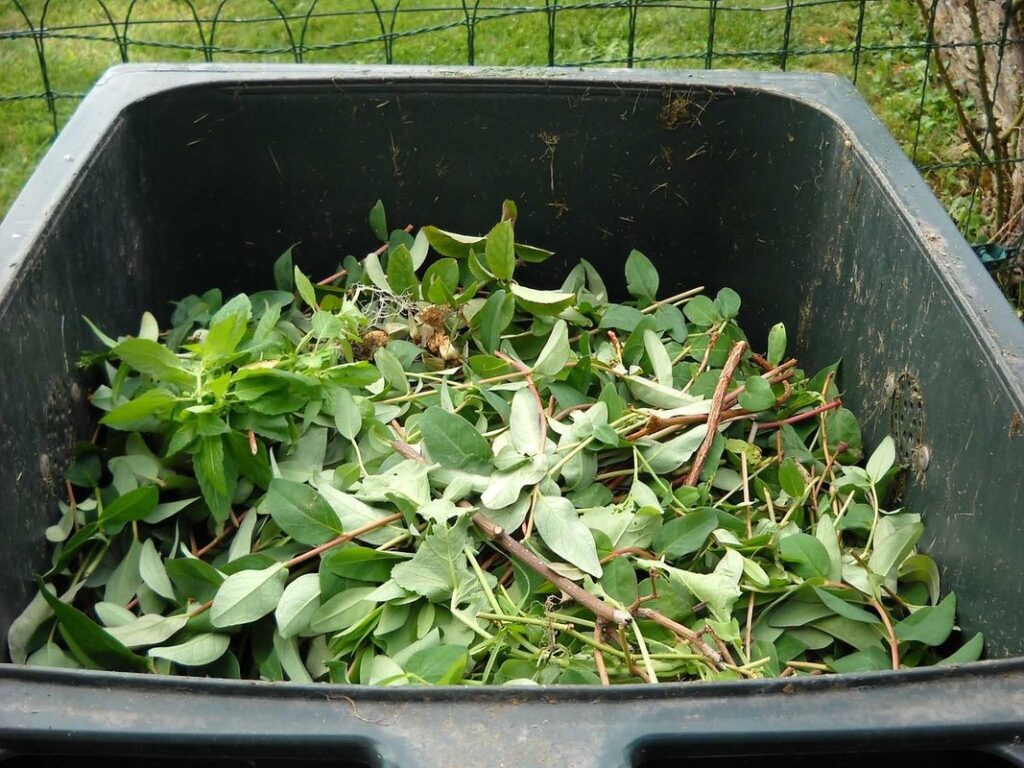
Understanding the Basics of Composting
To successfully speed up composting, you need a solid foundation in how it works and what makes a good compost pile. Let’s start by understanding the basics of this natural process.
What is Composting and Why is it Important?
Composting is the process of breaking down organic materials like food waste, leaves, and grass clippings into a nutrient-rich soil amendment. This natural process is essential for creating healthy soil structure, increasing fertility, and reducing greenhouse gas emissions. By composting, you can divert significant amounts of waste from landfills, decrease your carbon footprint, and produce a valuable resource for gardening and agriculture.
However, traditional composting methods can be slow, taking anywhere from several months to over a year to produce finished compost. Speeding up the process is necessary because it allows gardeners and homeowners to get their hands on the benefits of compost sooner. With faster composting comes reduced waste, more efficient gardening practices, and improved soil health. To achieve these goals, we’ll explore practical tips and tricks for speeding up the composting process in the following sections.
Common Challenges in Composting and Their Solutions
As you’re working towards speeding up your composting process, it’s essential to address common challenges that might slow you down. These obstacles can be frustrating, but don’t worry – we’ve got practical solutions for each one.
Odors are often a major issue when composting. When materials break down too quickly, they can release unpleasant smells. To prevent this, ensure you maintain an adequate carbon-to-nitrogen ratio in your compost pile. Add brown materials like leaves or shredded paper to balance out excess green waste like food scraps. Regularly turning the pile will also help oxygenate it and speed up decomposition.
Pests like rodents, raccoons, or flies can be a nuisance when composting outdoors. Keep your compost area clean by regularly removing any finished compost and adding fresh materials. Cover the pile with a lid or tarp to prevent pests from accessing food scraps. If you do encounter pests, try using natural deterrents like hot pepper spray or copper mesh.
Inadequate moisture is another common challenge that can slow down composting. Aim for a damp, not soggy, texture by checking on your materials every few days. You can even water the pile if necessary.
Choosing the Right Ingredients for Speedy Composting
When it comes to speeding up your composting process, selecting the right ingredients is crucial – let’s dive into the best materials to include and avoid in your compost pile.
Selecting the Perfect Carbon-to-Nitrogen Ratio
Achieving an optimal carbon-to-nitrogen balance is crucial for speeding up composting. This ratio determines how quickly microorganisms break down organic matter into a rich, nutrient-dense soil amendment. The ideal range is between 20:1 and 30:1, with carbon being the dominant component.
To calculate your pile’s carbon-to-nitrogen ratio, consider the types of materials you’re using. For example, if you have 10 pounds of dry leaves (high in carbon) and 3 pounds of fresh grass clippings (high in nitrogen), the calculation would be: total weight of carbon-rich materials divided by total weight of nitrogen-rich materials. In this case, that’s 13 (10+3).
To achieve a balanced ratio, aim to include more ‘brown’ materials like dried leaves, straw, or shredded newspaper than ‘green’ materials like grass clippings, food scraps, or manure. You can also add bulking agents like wood chips or sawdust to absorb excess moisture and odors.
Remember, the key is to create a diverse mix that will support healthy microbial activity. By getting this ratio right, you’ll speed up your composting process and end up with high-quality finished compost faster.
Incorporating ‘Green’ Materials for Nutrient-Rich Compost
When it comes to speeding up composting, incorporating “green” materials is essential. These materials, such as food scraps, grass clippings, and manure, are high in nitrogen and help fuel the decomposition process. To get the most out of these green materials, make sure to add them in moderation – a general rule of thumb is to balance green with brown materials (like dried leaves or shredded paper) at a ratio of 2:1 or 3:1.
For example, if you’re adding a bucket of grass clippings, be sure to balance it out with an equal amount of dry leaves. This will prevent anaerobic conditions from developing and ensure that your compost stays well-oxygenated and healthy. It’s also crucial to chop or shred these green materials before adding them to the pile – this increases their surface area and helps them break down faster.
Some other tips for incorporating green materials effectively include:
• Adding a 2-3 inch layer of food scraps on top of your compost pile, where they can easily be covered by brown materials
• Mixing in a handful of manure from herbivores (like horses or cows) to provide an extra boost of nitrogen
• Shredding grass clippings before adding them to the pile to prevent matting and promote airflow
Optimizing Composting Conditions for Faster Breakdown
To speed up composting, let’s dive into optimizing the conditions that make or break your pile’s breakdown process. This includes temperature, moisture, and air flow to get those nutrients turning faster.
Monitoring Temperature and Maintaining Optimal Levels
Monitoring temperature is a crucial aspect of composting, as it determines the rate at which microorganisms break down organic matter. The ideal temperature for composting ranges from 130°F to 140°F (54°C to 60°C). To monitor temperature effectively, you can use a compost thermometer, which can be inserted into the pile without disturbing its structure.
It’s essential to check temperature regularly, ideally once or twice a day, to ensure that it remains within the optimal range. If temperatures exceed 160°F (71°C), the microorganisms may die, slowing down the decomposition process. Conversely, if temperatures drop below 100°F (38°C), the process will slow down.
To maintain optimal levels, add materials like brown carbon-rich items or finished compost to absorb excess heat. You can also turn the pile periodically to aerate it and prevent overheating. By keeping a close eye on temperature fluctuations, you’ll be able to fine-tune your composting process and achieve faster breakdown results.
Ensuring Adequate Moisture and Oxygenation Levels
Maintaining optimal moisture and oxygen levels is crucial to speed up composting. If your pile becomes too dry, it will slow down decomposition as microorganisms need water to function efficiently. Conversely, if the pile is too wet, anaerobic bacteria will thrive, producing unpleasant odors and potentially creating pathogens.
The ideal moisture level for a compost pile is between 40-60%. To check this, simply stick your hand into the pile up to the wrist. If it feels dry, add water. If it’s soggy, wait a day or two to allow excess liquid to evaporate. Ensure adequate oxygenation by turning the pile regularly – at least once every week or two. This will also help prevent matting and promote even decomposition.
A well-ventilated compost area can make a significant difference in breakdown speed. Consider placing your compost bin in an open spot, allowing for natural airflow. This simple adjustment can encourage faster microbial activity, ultimately leading to more efficient composting results.
Adding Speed-Up Agents to Enhance Composting Efficiency
To give your compost pile a serious boost, let’s explore the power of speed-up agents that can help break down materials faster and more efficiently. We’ll dive into the best additives to try.
Using Bokashi or EM Products for Rapid Decomposition
Incorporating speed-up agents like bokashi or effective microorganisms (EM) products can significantly enhance composting efficiency and accelerate decomposition. These natural additives contain beneficial microbes that feed on organic matter, breaking it down rapidly.
When using bokashi products, follow the manufacturer’s instructions for application rates and mixing with water. Typically, a 1:10 ratio is recommended. Add this liquid mixture to your compost pile or bin, ensuring even distribution throughout the material.
EM products are also available in powder form and can be added directly to the compost pile at a rate of about 1-2% of the total weight of materials. Some users mix EM with water to create a liquid solution before applying it to their compost.
Benefits of using bokashi or EM products include accelerated decomposition, reduced odors, and improved nutrient retention in finished compost. Regularly monitor your pile’s temperature, moisture levels, and carbon-to-nitrogen ratio for optimal conditions.
When selecting speed-up agents, consider factors like the product’s microbial diversity, shelf life, and user reviews to ensure you choose a reputable and effective option.
Other Additives that Can Expedite the Process
While molasses and worm tea are gaining popularity as speed-up agents, there are other additives worth exploring. Compost accelerators, for instance, contain a blend of beneficial microbes that help break down organic matter quickly. These products can be particularly useful when working with large quantities of compost or in areas with cold climates.
Some gardeners swear by adding a tablespoon of molasses to their compost pile each week. This thick, syrupy liquid is high in sugars and micronutrients that feed the microorganisms responsible for decomposition. Worm tea, on the other hand, is made from worm castings (vermicompost) and can be used as a liquid fertilizer or added directly to the compost pile.
When choosing an additive, consider the specific needs of your composting system. Compost accelerators, like those containing effective microorganisms (EM), may be more suitable for outdoor composting bins with limited access to oxygen.
Managing Pests and Odors to Prevent Setbacks
As you work towards speeding up your composting process, it’s essential to manage pests and odors that can slow down progress. Let’s tackle these common issues head-on!
Identifying and Eliminating Unwanted Insects and Rodents
When it comes to speeding up composting, deterring pests from your pile is crucial. Unwanted insects and rodents can not only slow down decomposition but also attract more pests, creating an unwelcome ecosystem. To eliminate these unwanted visitors, you’ll need to identify their entry points and take preventative measures.
Common culprits include fruit flies, ants, and rodents like mice or raccoons. Fruit flies are attracted to sweet or fermented materials, so ensure you’re not adding overripe fruits or vegetables to your pile. Rodents often enter through gaps in the compost bin or surrounding area, so seal any holes with hardware cloth or wire mesh.
To prevent pests from taking up residence, maintain a balanced carbon-to-nitrogen ratio by mixing “green” and “brown” materials. Green materials like kitchen scraps and grass clippings are high in nitrogen, while brown materials like leaves or shredded paper are low in nitrogen. This balance will encourage beneficial microorganisms to thrive, repelling pests. Regularly turning your pile also helps aerate it, reducing moisture and odor that attract unwanted visitors.
Natural Methods for Minimizing Odor Issues
When it comes to composting, odor issues are often a major concern. But did you know that most common culprits can be managed with simple natural methods? Let’s take a closer look at what’s causing those stinky problems and how to eliminate them.
Food scraps like fruits, vegetables, and bread are the primary offenders, breaking down quickly and releasing pungent vapors. To minimize this issue, make sure to balance your carbon-to-nitrogen ratio by adding plenty of “brown” materials like dried leaves or straw. This will help speed up decomposition and reduce odor-causing microorganisms.
Other common culprits include high-moisture contents from green materials like grass clippings or fresh vegetable scraps. To combat this, ensure your compost pile has adequate airflow by leaving space between the layers and turning it regularly. You can also add a small amount of sand or sawdust to absorb excess moisture and control odors.
By implementing these simple strategies, you’ll not only minimize odor issues but also create a healthy environment for beneficial microbes to thrive – ultimately speeding up your composting process!
Maintaining a Healthy Compost Pile for Continued Speed
Now that you’ve got your composting speed on track, let’s talk about how to keep it that way by maintaining a healthy pile and preventing common problems. A well-maintained compost pile is key to consistent results.
Regular Turning and Aerating Techniques
Regular turning and aerating practices are essential to maintaining a healthy compost pile. As waste decomposes, it generates heat, and if not aerated, can lead to anaerobic conditions. This can produce unpleasant odors and slow down the decomposition process.
To prevent this, turn your compost pile every 7-10 days during hot weather and every 4 weeks in cooler temperatures. Start by removing any finished compost from the top of the pile. Then, use a pitchfork or shovel to gently mix the materials at the bottom of the pile with those on top. Make sure to include both “green” (nitrogen-rich) and “brown” (carbon-rich) materials in each turn.
Aerating your compost pile also helps break down clumps and promotes even decomposition. Use a fork to poke holes in the pile, allowing oxygen to penetrate and carbon dioxide to escape. This simple process will keep your compost pile well-ventilated and speed up the decomposition process, reducing odors and promoting faster results.
Monitoring Progress and Adjusting Your Strategy as Needed
As you monitor the progress of your compost pile, it’s essential to make adjustments as needed to optimize results and speed up the process. Regular monitoring will help you identify areas where your strategy might be falling short, allowing you to make targeted changes to get your composting back on track.
To start, check the temperature of your compost pile daily or every other day. This is one of the best indicators of its health. A healthy compost pile should reach temperatures between 130°F and 140°F (54°C to 60°C) within a few days of adding materials. If the temperature falls below this range, it could be a sign that your pile lacks sufficient carbon-rich “brown” materials or needs more moisture.
Keep an eye out for signs of over-oxidation, such as a strong ammonia smell or the presence of pests like rodents and flies. These issues can be resolved by adding more carbon-rich materials or mixing in some high-nitrogen ingredients like blood meal or alfalfa meal to balance things out.
Check the pile’s moisture levels regularly. If it feels dry to the touch or has a dusty appearance, it needs water. However, be cautious not to overwater, as this can lead to anaerobic conditions and slow down the composting process. Aim for a mix of 50-60% “green” materials (high in nitrogen) and 40-50% “brown” materials (high in carbon).
Remember, every compost pile is unique, so it’s essential to tailor your monitoring and adjustments accordingly. Keep notes on what you add, when, and how often, and use this information to inform future changes to your strategy. By paying attention to these key indicators and making adjustments as needed, you’ll be well on your way to creating a thriving compost pile that churns out rich, nutrient-dense soil at an impressive rate.
Frequently Asked Questions
What if I’m new to composting and don’t know where to start with balancing the carbon-to-nitrogen ratio?
Start by mixing a 2/3 “brown” materials (dry leaves, straw) with a 1/3 “green” materials (grass clippings, food scraps). As you get more comfortable with the process, adjust the proportions based on the specific ingredients and their moisture levels. It’s better to err on the side of caution and add more green materials initially than to end up with too much carbon-rich material.
Can I use kitchen scraps that contain meat or oil in my compost pile?
No, it’s best to avoid adding meat, bones, or oils to your compost pile as they can attract pests and create unpleasant odors. Focus on incorporating fruits, vegetables, tea bags, and coffee grounds instead. If you do accidentally add a meat or oily item, be sure to balance the carbon-to-nitrogen ratio with additional brown materials.
How often should I turn my compost pile to speed up the decomposition process?
Regular turning (every 1-2 weeks) is crucial for maintaining optimal oxygen levels and preventing matting. Aim to turn your compost pile when it’s about 6-8 inches deep, and use a pitchfork or shovel to gently mix the materials without compacting them.
What if I notice unwanted insects or rodents in my compost pile?
Identify the source of the issue (e.g., overripe fruit, standing water) and address it promptly. Consider using natural deterrents like diatomaceous earth, cayenne pepper, or essential oils to repel pests without harming beneficial microorganisms.
Can I use a Bokashi bin instead of a traditional compost pile?
Yes, Bokashi bins can be an effective alternative for indoor composting and speed-up agents. They work by using microorganisms to break down organic matter quickly, often within days or weeks. Just be sure to follow the manufacturer’s instructions and ensure proper maintenance to prevent unpleasant odors and pests.