
Creating a thriving garden ecosystem is within your reach, but it starts with one simple yet powerful ingredient: natural compost. You don’t need to rely on store-bought products or complicated processes to get started. By making your own natural compost starter at home, you can improve soil fertility and give your plants the best possible chance of success.
Composting may seem intimidating, but it’s actually a straightforward process that requires minimal effort and resources. With the right guidance, anyone can create their own natural compost starter and reap its benefits. In this article, we’ll explore the advantages of using natural compost starters, provide expert tips for successful composting, and walk you through the simple steps to create your own at home. By the end of it, you’ll be well on your way to a lush, healthy garden that’s teeming with life.
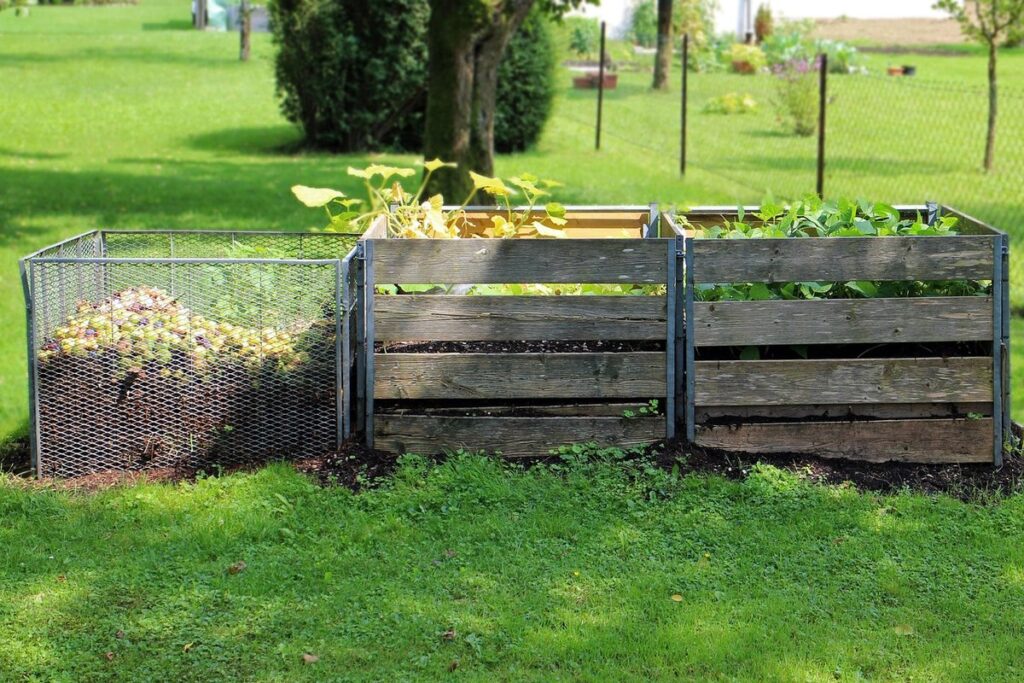
What is Compost Starter and Its Benefits
So, what exactly is compost starter and how can it help you create a thriving garden ecosystem? Let’s dive into the world of compost starters and their benefits.
Introduction to Compost Starters
Compost starters are specialized formulas designed to kickstart the composting process and enhance soil fertility. Their primary purpose is to accelerate the decomposition of organic matter, allowing for faster nutrient cycling and improved overall soil health.
When added to a compost pile, these ingredients help break down complex nutrients, making them readily available to plants. This not only promotes healthy plant growth but also fosters beneficial microbial activity within the soil. Compost starters often contain microorganisms such as mycorrhizal fungi or beneficial bacteria that further support this process.
The benefits of incorporating a compost starter into your natural gardening routine are numerous. By improving soil structure, increasing nutrient availability, and promoting biodiversity, these additives help to create a thriving ecosystem. They can also aid in the reduction of waste by speeding up the decomposition rate, making it easier to manage organic matter on-site. By understanding how compost starters work and utilizing them effectively, gardeners can take a significant step towards establishing a balanced and productive garden environment.
Types of Compost Starters Available
When it comes to choosing a compost starter, you’ll come across two primary types: natural and chemical-based. While both can aid in the decomposition process, they differ significantly in their approach.
Natural compost starters are made from organic materials such as bacteria-rich peat moss, coconut coir, or worm castings. These products work by introducing beneficial microorganisms into your compost pile, accelerating the breakdown of organic matter. They’re often preferred for their eco-friendly nature and ability to promote a balanced ecosystem in your garden.
Chemical-based starters, on the other hand, rely on synthetic additives like urea or ammonium nitrate to stimulate microbial growth. These products can be quicker to act, but they may also introduce unwanted chemicals into your compost, potentially harming beneficial microorganisms and contaminating your soil.
If you’re opting for a natural approach, look for products that have been certified organic or are made from locally sourced materials. Some popular examples include Effective Microorganisms (EM) and MycoApply. When selecting either type of starter, consider the specific needs of your compost pile and choose a product that aligns with those requirements.
Benefits of Using Compost Starters
Using compost starters can significantly accelerate the decomposition process, breaking down organic matter into nutrient-rich soil amendments. This natural process not only saves time but also ensures that your garden receives a steady supply of essential nutrients. By incorporating compost starters, you can speed up the breakdown of complex carbon-based materials, such as leaves and branches, which would otherwise take months to decompose.
Compost starters also improve soil structure by introducing beneficial microorganisms that help break down organic matter into its constituent parts. These microbes then work in harmony with the existing soil ecosystem to create a more balanced environment. This improved structure allows roots to grow deeper, enabling plants to access vital nutrients more efficiently.
As a result of this accelerated decomposition and improved soil structure, compost starters promote healthy plant growth by providing an optimal balance of nutrients. By incorporating compost starters into your garden routine, you can expect increased yields, better drought resistance, and enhanced overall plant health. For instance, adding 1-2% compost starter to the soil blend for a 1000 sq ft garden can yield significant improvements in soil fertility and ecosystem resilience.
Choosing the Right Natural Compost Starter
When it comes to creating your own natural compost starter, choosing the right one can be overwhelming. Let’s break down the key factors to consider for a successful composting experience.
Factors to Consider When Selecting a Natural Compost Starter
When selecting a natural compost starter, there are several key factors to consider. First and foremost, take a close look at the ingredients. A good compost starter should be made from 100% natural ingredients that won’t harm your plants or contaminate the soil. Some common ingredients to watch out for include nitrogen-rich additives like fish emulsion or alfalfa meal, as well as beneficial microbes such as bacteria and fungi.
Ease of use is also a crucial consideration. You want a compost starter that’s easy to mix with your existing compost pile or bin contents, and one that doesn’t require a lot of special equipment or expertise. Some natural compost starters come in the form of granules or powders, while others are more liquid-based. Consider how you plan to use the product and choose one that fits your needs.
Lastly, consider the cost-effectiveness of the compost starter. While some natural options may be pricier than their synthetic counterparts, they often provide longer-lasting results and don’t require ongoing purchases. Look for products that offer a high concentration of beneficial microbes or other active ingredients to get the most value out of your investment.
Popular Natural Ingredients for Compost Starters
When it comes to creating a thriving garden ecosystem with natural compost starters, choosing the right ingredients is crucial. Fortunately, there are several popular options that can help you get started.
One of the most widely used natural ingredients for compost starters is worm castings, also known to as vermicompost. This rich soil amendment is packed with nutrients and microorganisms that promote healthy plant growth. Worm castings are particularly beneficial for seedlings and young plants, as they improve soil structure and fertility. However, keep in mind that high-quality worm castings can be expensive, so it’s essential to source them from reputable suppliers.
Bokashi compost starters are another popular option. Made from a mixture of microorganisms and natural ingredients, bokashi starters help break down organic matter quickly and efficiently. They’re ideal for small-scale gardeners or those with limited space, as they can be used in compact spaces like balconies or patios.
Epsom salt is also often used as a natural compost starter, particularly for its high magnesium content. This mineral-rich ingredient helps to balance soil pH levels and promotes healthy root growth. However, use it sparingly, as excessive amounts can lead to an overabundance of magnesium in the soil.
DIY vs. Store-Bought Natural Compost Starters
When it comes to choosing a natural compost starter, you’re faced with two popular options: making your own at home versus purchasing a commercial product. Both have their advantages and disadvantages, which we’ll explore below.
Making your own natural compost starter at home is a cost-effective and customizable way to ensure that your garden gets the nutrients it needs. By mixing together ingredients like vegetable scraps, coffee grounds, and eggshells, you can create a rich and diverse blend that’s tailored to your specific soil conditions. This approach also allows you to avoid any potential additives or preservatives found in commercial products.
However, DIY compost starters require some trial and error, as the proportions of different ingredients can affect the final product’s quality. You’ll need to research and experiment with different combinations to achieve optimal results. Commercial natural compost starters, on the other hand, offer a convenient and consistent solution. They’re often made from high-quality, organic ingredients and have undergone rigorous testing for efficacy.
Ultimately, the choice between DIY and store-bought natural compost starters depends on your garden’s unique needs and your personal preferences. If you enjoy experimenting with new recipes and don’t mind investing time in research, making your own starter might be the way to go. But if convenience is your top priority, a commercial product could provide the easy solution you’re looking for.
When selecting a commercial natural compost starter, look for products that are certified organic or OMRI-listed (Organic Materials Review Institute). These labels ensure that the product meets strict standards for safety and effectiveness.
How to Make Your Own Natural Compost Starter at Home
Creating your own natural compost starter at home is easier than you think, and we’ll walk you through a simple recipe to get started right away. This DIY method uses just three easy-to-find ingredients.
Gathering Essential Ingredients
To make a natural compost starter at home, you’ll need to gather the right ingredients. Start by collecting a mix of “green” and “brown” materials, which will provide the necessary nutrients for decomposition. Green materials like food scraps, grass clippings, and fresh leaves are rich in nitrogen, while brown materials such as dried leaves, shredded newspaper, and cardboard provide carbon.
For a basic compost starter recipe, you’ll need about 2-3 parts of “brown” material to 1 part of “green” material. For example, you can mix 3 cups of shredded newspaper with 1 cup of food scraps or grass clippings. You’ll also want to add a few handfuls of soil or compost tea to introduce beneficial microorganisms.
When collecting materials, avoid using meat, dairy, and oily foods as they can attract pests and create unpleasant odors. Also, steer clear of weeds with seeds, as they may sprout in your compost pile. A good mix of ingredients will help create a balanced environment for decomposition, allowing you to create a thriving garden ecosystem.
Mixing the Perfect Blend
When combining ingredients for your natural compost starter, it’s essential to strike the right balance. A mix that’s too rich in nitrogen can lead to anaerobic conditions and unpleasant odors, while a mix lacking sufficient nitrogen may slow down decomposition.
A general rule of thumb is to maintain a carbon-to-nitrogen ratio between 20:1 and 30:1. To achieve this, include a higher proportion of carbon-rich materials like dried leaves, shredded newspaper, or coconut coir, alongside nitrogen-rich additions such as kitchen scraps, grass clippings, or fresh manure.
Here’s an example blend you can use to get started:
* 2 parts dry brown materials (dried leaves, shredded newspaper)
* 1 part green materials (kitchen scraps, grass clippings, fresh manure)
Adjust the ratio based on your specific composting needs and the availability of ingredients. Keep in mind that this is just a starting point, and you may need to fine-tune the mix as you monitor decomposition rates and observe how different materials interact with one another.
Experiment with various combinations to find what works best for your garden ecosystem, and remember to maintain an even moisture level throughout the process.
Tips for Successful Composting
To create optimal composting conditions and maintain a thriving garden ecosystem, there are several essential considerations to keep in mind. First, ensure that your compost pile has the right balance of “green” (nitrogen-rich) materials like food scraps and manure, and “brown” (carbon-rich) materials like leaves or straw. Aim for a mix of 2/3 brown materials and 1/3 green materials to achieve efficient decomposition.
To prevent pests and odors in your compost pile, maintain adequate moisture levels by sprinkling water as needed. Avoid over-mixing the pile, which can cause it to dry out and become vulnerable to pests. Keep the pile covered with a lid or tarp to contain odors and keep insects at bay. Additionally, ensure good airflow within the pile by leaving space between layers for oxygen to circulate.
Regularly turning your compost pile will also promote healthy decomposition and prevent issues like anaerobic conditions that can lead to pest infestations. This process should be done every 7-10 days in warm weather and less frequently in colder months. By following these guidelines, you’ll be well on your way to creating a natural compost starter at home that will enrich your garden’s soil for years to come.
Using Natural Compost Starters Effectively
Now that you’ve chosen a natural compost starter, let’s dive into how to use it effectively and make the most of its benefits for your garden. This section will cover practical tips for incorporating starters into your composting routine.
Applying the Right Amount of Compost Starter
When it comes to applying compost starter, one of the most common mistakes gardeners make is using too much or too little. This can lead to a weakened ecosystem, reduced nutrient availability, and even plant disease. To avoid this, you need to determine the ideal quantity of compost starter based on your soil type and plant requirements.
A general rule of thumb is to use 1-2% compost starter by volume in relation to the total amount of compost or soil mixture. For example, if you’re making a batch of 100 pounds of compost, use one pound of compost starter. However, this ratio can vary depending on your soil type and plant requirements.
If you have heavy clay soils, for instance, you may need to use more compost starter (up to 3%) to improve drainage and structure. On the other hand, if you’re growing delicate plants like orchids or tomatoes, a lower concentration of compost starter (0.5-1%) is recommended to avoid over-fertilization.
Timing for Application of Compost Starters
When it comes to applying natural compost starters, timing is everything. The key is to use them strategically throughout the growth cycle of your plants. For newly planted seeds or seedlings, a general rule of thumb is to mix the starter into the soil at planting time. This gives the beneficial microbes in the starter an immediate head start on breaking down organic matter and establishing a healthy root system.
For established plants that require transplanting, apply the compost starter 7-10 days before moving them to their new location. This allows the starter to begin working its magic on the soil without shocking the roots during the transition process.
Pruning is another great opportunity to incorporate natural compost starters into your garden routine. Apply a layer of starter around the base of the plant after pruning, and mulch on top to retain moisture and suppress weeds. This will help stimulate new growth, promote root development, and create an ideal environment for beneficial microbes to thrive. By incorporating these timing strategies into your gardening routine, you can unlock the full potential of natural compost starters and create a thriving garden ecosystem.
Monitoring Progress and Adjustments
As you incorporate natural compost starters into your garden ecosystem, it’s essential to monitor their effectiveness and make necessary adjustments. This ensures that your composting process is on track to produce nutrient-rich soil for your plants.
To do this, regularly inspect the compost pile’s temperature and moisture levels. You can check the temperature by inserting a long-handled thermometer or simply observing how quickly it heats up after adding fresh materials. Aim for temperatures between 130°F and 140°F (54°C to 60°C) for optimal decomposition.
Monitor moisture levels by ensuring the compost pile is consistently damp, like a damp sponge. Avoid over-saturation, which can lead to anaerobic conditions and unpleasant odors.
Also, keep an eye out for pests, such as rodents or flies, that may be attracted to the compost pile’s nutrient-rich environment. Take action promptly if you notice any issues.
By monitoring these key factors, you’ll be able to adjust your composting process accordingly. For example, if the temperature is too low, add more “green” materials like food scraps or grass clippings. If it’s too high, mix in some dry carbon-rich materials like shredded newspaper or cardboard. Regularly assessing and adjusting your compost pile will help you achieve optimal results and maintain a thriving garden ecosystem.
Troubleshooting Common Issues with Natural Compost Starters
Don’t let common issues derail your natural compost starter journey! In this section, we’ll address and troubleshoot frequent problems that may arise along the way.
Dealing with Odors and Pests
When dealing with odors and pests in your composting process, it’s essential to address these issues promptly to prevent damage to your garden ecosystem. Unpleasant odors can be a sign of over-ripeness or inadequate carbon-to-nitrogen ratio. To rectify this, add more brown materials like leaves, straw, or shredded newspaper to balance out the composition.
Pest infestations can also arise from an unbalanced compost pile or insufficient turning. Ensure that your compost pile has adequate airflow and is regularly turned to prevent pests like fruit flies, ants, or rodents from taking over. If you notice pests already present, use natural deterrents such as diatomaceous earth, cayenne pepper, or essential oils (like peppermint or tea tree oil) to repel them.
Some common signs of pest infestation include live insects in the compost pile, webbing, or even seeing pests crawling out of the pile. Regularly inspect your compost and take action immediately if you notice any of these symptoms. By maintaining a well-balanced compost pile with adequate air circulation and regular turning, you can minimize the risk of odors and pest infestations, ensuring a healthy garden ecosystem.
Addressing Nutrient Deficiencies
Recognizing signs of nutrient deficiencies caused by inadequate natural compost starters is crucial to maintaining a thriving garden ecosystem. One common issue is stunted plant growth, which can be a sign that essential nutrients like nitrogen, phosphorus, or potassium are lacking. Yellowing leaves, often referred to as chlorosis, can also indicate a nutrient deficiency.
To correct these issues, start by conducting regular soil tests to identify specific nutrient deficiencies. Based on the results, adjust your compost starter natural recipe accordingly. For example, if a test reveals low nitrogen levels, you can add more nitrogen-rich materials like chicken manure or blood meal to your compost pile.
When selecting additional ingredients to boost nutrient levels, choose organic options whenever possible. Consider adding worm castings, which are rich in micronutrients and beneficial microbes that help plant roots absorb nutrients more efficiently. By regularly monitoring soil health and adjusting your natural compost starter accordingly, you can create a balanced ecosystem that supports the growth of vibrant, healthy plants.
Overcoming Common Challenges
When working with natural compost starters, you may encounter some common challenges that can impact their effectiveness. One of the main issues is adapting to different soil types. For instance, if you’re using a natural compost starter on heavy clay or sandy soils, it may not break down as quickly due to the lack of organic matter. To overcome this, consider adding additional amendments like peat moss or well-rotted manure to improve soil structure and increase its capacity for nutrient retention.
Climate can also be a significant factor in using natural compost starters. Extreme temperatures or moisture fluctuations can slow down decomposition processes. For example, if you’re living in an area with intense sunlight, the microorganisms may die off quickly, rendering the compost starter useless. To mitigate this, choose a natural compost starter specifically designed for your region’s climate, and ensure it’s applied at the optimal time.
It’s also essential to note that using chemical-based fertilizers or pesticides can harm the beneficial microbes in your compost starter, leading to reduced effectiveness.
Frequently Asked Questions
Can I use natural compost starters on my indoor plants as well?
Yes, you can use natural compost starters for your indoor plants to improve soil fertility and boost growth. However, make sure to adjust the application rate according to the size of your pots and the specific needs of your plants.
How do I know if my natural compost starter is working effectively?
Monitor your garden’s progress by observing changes in soil color, texture, and overall health. You can also take regular soil tests to check for nutrient levels and pH balance. Adjust your composting process as needed to ensure optimal results.
Can I mix different types of natural ingredients to create a custom compost starter blend?
Yes, experimenting with various combinations of natural ingredients can help you find the perfect blend for your specific garden needs. Just remember to maintain a balanced ratio of carbon-rich materials (e.g., leaves, straw) and nitrogen-rich materials (e.g., grass clippings, food scraps).
What are some common mistakes beginners make when using natural compost starters?
Common pitfalls include over- or under-applying the compost starter, failing to monitor soil pH levels, and neglecting to aerate the compost pile. To avoid these mistakes, follow the guidelines in this article and keep an eye on your garden’s progress.
How long does it take for natural compost starters to start showing results?
Results may vary depending on factors like climate, soil type, and the effectiveness of your compost starter blend. Generally, you can expect to see improvements in soil fertility within 1-3 months after application. Be patient, and make adjustments as needed to optimize your composting process.