
If you’re like many gardeners and cooks out there, you’ve probably struggled with finding the perfect way to compost at home. A good compost bin is essential for turning kitchen scraps into nutrient-rich soil for your garden, but it’s not always easy to find a solution that fits your space and style. Whether you’re a seasoned green thumb or just starting to get into gardening, having the right composting setup can make all the difference in reducing waste and creating healthy soil. In this article, we’ll explore creative compost bin ideas that cater to different needs and budgets, from DIY upcycled containers to stylish commercial designs. We’ll also share expert tips on how to compost effectively and get the most out of your compost bin.
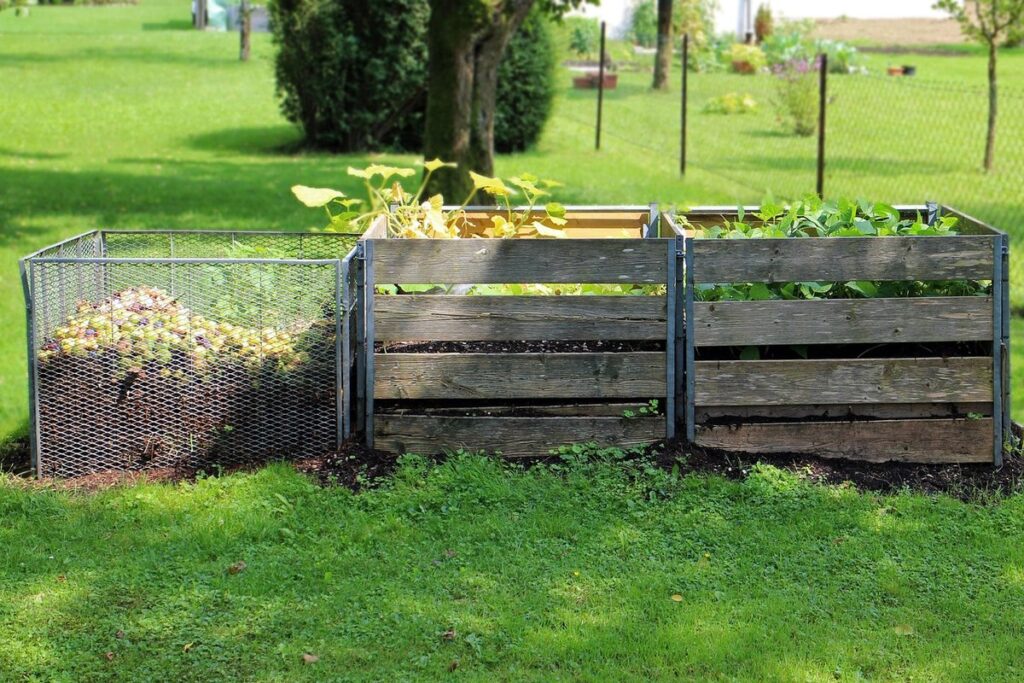
Introduction to Composting
Let’s start with the basics: composting is a natural process that breaks down food waste and yard trimmings into nutrient-rich soil. We’ll cover what you need to know to get started.
Benefits of Composting
By turning kitchen scraps and yard waste into nutrient-rich compost, you’re not only reducing your environmental footprint but also creating a natural fertilizer for your garden. Composting is an easy way to give old materials new life.
Think of it this way: when you compost, you’re taking organic materials that would otherwise end up in landfills – where they release greenhouse gases and contribute to pollution – and turning them into a valuable resource for your soil. By composting regularly, you can create a rich, fertile soil that supports healthy plant growth and reduces the need for synthetic fertilizers.
Some benefits of composting include improved soil structure, increased water retention, and enhanced biodiversity in your garden ecosystem. Plus, composting helps to reduce waste sent to landfills by up to 30% – a significant reduction in one of the largest contributors to greenhouse gas emissions worldwide.
To start composting at home, begin with a simple bin or pile setup and collect materials like food scraps, leaves, grass clippings, and shredded paper. Regularly mixing and aerating the pile will help speed up decomposition, ensuring you have nutrient-rich compost within weeks rather than months.
Choosing the Right Location
When deciding where to place your compost bin, there are several factors to consider. One of the most important things is proximity to a water source. You’ll want to locate your bin near a hose or watering can so that you can easily add water to your compost pile as needed. This will help keep the pile moist and promote decomposition.
Another consideration is sunlight. While some light is beneficial for the composting process, direct sunlight can actually be detrimental. It can cause the pile to dry out and kill off microorganisms. Aim for a spot that receives partial shade or dappled sunlight throughout the day.
Accessibility is also crucial when it comes to maintaining your compost bin. Choose a location that’s easily accessible from both ends, so you can add materials and turn the pile without straining yourself. This will also make regular maintenance tasks like monitoring moisture levels and adding new materials much easier.
DIY Compost Bin Ideas
Take your composting game to the next level by creating your own unique and functional bin using these clever DIY ideas, tailored to both kitchen and garden needs.
Upcycled Container Composting
Upcycling old containers into compost bins is not only eco-friendly but also adds a personal touch to your garden’s aesthetic. Start by collecting items like pallets, wire mesh, or wooden crates that can be transformed into unique composting spaces.
To create a pallet compost bin, you’ll need 2-3 pallets depending on the size of your bin. Disassemble the pallets and arrange them in a square or rectangular shape, securing them with screws or nails. You can also add a lid made from a wooden plank to make it easier to turn the compost.
When using wire mesh containers, simply clean and disinfect them before filling them with kitchen scraps and yard waste. Wooden crates, on the other hand, can be arranged side by side to create a larger composting area.
Remember to drill holes in the bottom of your upcycled bin for proper ventilation and drainage. This will ensure that your compost remains healthy and odour-free. With a little creativity, you can turn discarded items into functional compost bins that fit seamlessly into your garden’s design.
Wooden Crate Composters
If you’re looking for a DIY compost bin that’s both sturdy and attractive, consider using wooden crates. This creative solution is perfect for those who want a compost bin that can be easily assembled and disassembled.
To get started, gather a few wooden crates of the same size and material. You’ll need at least four to five crates to create a decent-sized compost bin. Make sure they’re sturdy enough to hold their own weight and can withstand exposure to the elements.
To assemble your crate compost bin, start by stacking the crates on top of each other, leaving some space in between for air circulation. Use some wire or twine to tie the crates together, creating a stable structure. You can also add a lid made from an old pallet or a piece of wood to keep pests out and maintain temperature.
This crate compost bin is perfect for small gardens or kitchens with limited space. Plus, it’s easy to disassemble when you need to access your compost pile. Simply untie the wire or twine, and separate the crates for easy cleaning and maintenance. With this creative solution, you can start composting without breaking a sweat.
Commercial Compost Bin Options
When it comes to composting on a larger scale, commercial compost bins offer a convenient and efficient solution for homes, restaurants, and businesses. Let’s take a look at some of these options in more detail.
Tumbling Compost Bins
When it comes to simplifying the composting process, tumbling compost bins are an excellent option. These innovative bins make quick work of decomposition by constantly turning and aerating the contents. Take the NatureMill, for example, which uses a built-in electric turner to simplify the composting process. With this bin, you can toss in your kitchen scraps and yard waste without having to worry about manual turning.
The Spin Doctor is another popular option that offers similar benefits. Its dual-turning mechanism ensures that your materials are constantly aerated, speeding up decomposition and minimizing odors. Both of these bins are ideal for busy households or those new to composting, as they require minimal maintenance and effort.
To get the most out of a tumbling compost bin like the NatureMill or Spin Doctor, remember to add equal parts “green” (kitchen scraps) and “brown” (yard waste) materials. This balance will help create an optimal environment for decomposition, allowing you to harvest nutrient-rich compost in as little as 10-14 days.
Aesthetically Pleasing Designs
When it comes to composting, aesthetics often take a backseat to functionality. However, there’s no reason why your garden’s décor and waste management can’t harmonize beautifully. Aesthetically pleasing designs are not only visually appealing but also contribute significantly to the overall ambiance of your outdoor space.
Consider a modern wooden compost bin with clean lines and a minimalist aesthetic that blends seamlessly into any garden setting. These bins often feature slatted or perforated panels, allowing for airflow while maintaining a sleek appearance. Alternatively, you can opt for a stylish metal design that complements industrial-chic gardens.
Some key factors to consider when choosing an aesthetically pleasing compost bin include:
• Color: Select a bin with a color scheme that matches your garden’s palette to create visual harmony.
• Material: Wood, metal, or recycled plastic options offer different aesthetic appeal and durability levels.
• Size: Ensure the bin is proportionate to its surroundings to maintain balance in your outdoor space.
By choosing a design that balances form and function, you can enjoy the benefits of composting while maintaining a beautiful garden.
Indoor Composting Solutions
If you’re short on outdoor space, don’t worry – we’ve got some fantastic indoor composting solutions that will keep your kitchen scraps and garden waste under control.
Miniature Compost Bins
If you’re short on space but still want to compost indoors, miniature compost bins are an excellent solution. These compact units are perfect for small kitchens, apartments, or indoor gardens with limited room for a full-sized bin.
One popular option is the countertop Worm Factory, which can fit snugly on your kitchen counter. This worm composter uses red wiggler worms to break down food waste and turn it into nutrient-rich compost in as little as 1-2 weeks. It’s a great choice for those who live in apartments or have limited outdoor space.
Another option is the indoor Compost Bin by NatureMill, which can be placed in a corner of your kitchen or on a shelf. This bin uses a combination of microorganisms and oxygen to break down food waste quickly and efficiently. Both of these options are perfect for small spaces and can help you reduce your waste output while creating a valuable resource for your garden.
When choosing a miniature compost bin, consider the size of your space, the type of materials you’ll be composting, and how often you plan to empty it. This will help you select the right unit for your needs and ensure that you’re getting the most out of your indoor composting experience.
Vermicomposting
Vermicomposting is a fascinating method of composting that’s perfect for indoor use. This process involves using worms to break down organic matter into nutrient-rich compost. By providing the right environment and conditions, you can create high-quality compost using just worms and some basic materials.
To start vermicomposting, you’ll need a worm-friendly bin or container with good airflow and moisture control. You can purchase a pre-made bin or repurpose a plastic container like a tub or bucket. Add a layer of bedding material such as coconut coir or shredded newspaper to the bottom of the bin, followed by your food scraps and other organic matter.
The worms will do the rest, breaking down the materials into compost that’s rich in nitrogen and other nutrients. It’s essential to maintain the right balance of “green” (food scraps) and “brown” (dried leaves or shredded paper) materials to ensure a healthy worm population.
Some key benefits of vermicomposting include:
* High-quality compost produced quickly
* Minimal odor and mess
* Easy to manage, even in small spaces
By following these simple steps and maintaining a balanced environment, you can successfully use worms to create nutrient-rich compost for your kitchen garden.
Outdoor Compost Bin Designs
When it comes to containing outdoor composting, there are many stylish and practical designs to consider for your garden space. From wooden pallet bins to metal composter cages, we’ll explore some great options next.
A-Frame Compost Bins
When it comes to space-saving composting solutions, A-frame compost bins are an excellent choice. These designs typically feature a sturdy frame that supports a mesh or slatted panel, allowing for easy airflow and access to the compost. This setup not only keeps pests out but also makes turning and maintaining the compost a breeze.
One of the key benefits of A-frame compost bins is their versatility. They can be placed against walls, in corners, or even freestanding, making them perfect for small gardens, urban areas, or backyards with limited space. Some designs may come with additional features such as adjustable width and height, allowing you to customize the bin to fit your specific needs.
When choosing an A-frame compost bin, consider a model with a durable frame and sturdy mesh panels that can withstand outdoor conditions. You should also look for bins with easy access doors or hatches, making it simple to add materials and turn the compost without having to remove everything at once.
Compost Bay Designs
When it comes to composting, having a convenient and accessible space is crucial for maintaining a healthy compost pile. Compost bays are an excellent solution, offering a designated area for adding food scraps and yard waste while keeping pests and odors at bay. If you’re looking for innovative ways to design your compost bay, consider the following features.
Hinged lids on compost bays provide easy access for adding materials and turning the pile without having to lift heavy bins. They also help prevent pests from getting into the compost. Another option is a locking mechanism, which can be particularly useful if you have pets or children who might accidentally open the lid. Decorative trim adds an aesthetic touch while keeping the compost bay’s functionality intact.
When choosing a compost bay with these features, consider the size of your space and the type of materials you plan to compost. For example, a smaller bay with a hinged lid is perfect for compact kitchens or apartments, while larger bays with locking mechanisms are ideal for bigger households or gardeners who need more storage capacity.
Incorporating decorative trim into your design can also enhance the visual appeal of your outdoor space. You can opt for a simple, clean look or get creative with materials like reclaimed wood or colorful stones to match your garden’s style. Whichever design you choose, make sure it aligns with your composting needs and preferences.
Some popular options for decorative trim include cedar planks, which add a rustic charm, and stainless steel accents, which provide a sleek modern look. You can also repurpose old pallets or bricks to create a unique and eco-friendly compost bay that blends seamlessly into your garden’s design.
When selecting materials for your compost bay, keep in mind the durability and maintenance requirements. Cedar is an excellent choice due to its natural resistance to rot and insects, while stainless steel requires minimal upkeep but can be more expensive upfront.
Tips for Effective Composting
Now that you’ve chosen your perfect compost bin, let’s dive into some valuable tips to help you get the most out of your new addition and create nutrient-rich soil for your garden.
Layering Materials Correctly
When layering materials in your compost bin, it’s essential to alternate between green and brown materials for optimal decomposition. Green materials, such as food scraps, grass clippings, and fresh leaves, are high in nitrogen and will quickly break down but can attract pests and odors. Brown materials, like dried leaves, twigs, and shredded newspaper, are high in carbon and help balance out the mix.
To create a healthy compost pile, start with a 4-6 inch layer of brown materials at the bottom of your bin. This provides a foundation for decomposition and helps absorb excess moisture. Next, add a layer of green materials, followed by another layer of browns. Continue alternating between the two until your bin is about 2/3 full.
Aim to maintain a mix that’s roughly 25-30% green materials and 70-75% brown materials. This ratio will help you achieve a balanced carbon-to-nitrogen ratio, which promotes efficient decomposition and minimizes odors.
Monitoring Temperature and Moisture
Monitoring temperature and moisture levels is crucial to maintaining a balanced compost ecosystem. If these parameters are not within the optimal range, it can lead to unpleasant odors, pests, and even pathogenic organisms. A well-functioning compost bin should have temperatures between 130°F (54°C) and 140°F (60°C), which indicates the presence of microorganisms actively breaking down organic matter.
To maintain these ideal conditions, ensure your compost bin has adequate airflow. This can be achieved by using aeration tools or turning the pile regularly. Aim to keep the moisture level around 50-60%. Too little water will slow decomposition, while excessive water can lead to anaerobic conditions and unpleasant odors.
Regular temperature checks can be performed by inserting a thermometer into the compost. Compare these readings with the ambient air temperature to gauge the effectiveness of your composting process. With practice, you’ll develop an intuitive sense for when temperatures are optimal or when adjustments need to be made to balance moisture levels.
Frequently Asked Questions
How do I ensure my compost bin is accessible for regular maintenance?
Ensure your compost bin is located near a water source and has easy access for turning, adding new materials, and monitoring temperature and moisture levels. Consider placing it on a flat surface or using a cart to make transportation easier.
What types of food waste can be composted indoors, even in small spaces?
You can compost fruit and vegetable peels, tea bags, coffee grounds, eggshells, and shredded paper in indoor compost bins like tumbling composters or vermicomposting systems. Just be sure to follow the manufacturer’s guidelines for materials and space.
Can I use any type of wood for my outdoor compost bin?
Not all types of wood are suitable for building an outdoor compost bin. Opt for rot-resistant woods like cedar, cypress, or reclaimed pine. Avoid using pressure-treated wood or chemically treated lumber, as these can leach chemicals into the compost.
How do I troubleshoot common issues with my compost pile, such as too much moisture?
Common issues like excessive moisture can be resolved by adjusting your layering technique. Ensure you’re maintaining a balance of “green” (high in nitrogen) and “brown” (high in carbon) materials. You may also need to aerate the pile or turn it regularly.
What are some tips for incorporating compost into my garden, beyond just using it as fertilizer?
In addition to fertilizing your soil, use finished compost as a natural mulch to retain moisture and suppress weeds. You can also mix compost with potting soil for containers or use it as a cover crop to improve soil structure and fertility.