
Creating rich soil for your garden can be as simple as turning trash into treasure. Hot composting is a method that transforms kitchen scraps, yard waste, and other organic materials into a nutrient-rich amendment that can supercharge plant growth. But what exactly is hot compost, and how do you make it? In this step-by-step guide, we’ll walk you through the process of creating a thriving compost pile from scratch. We’ll cover everything from preparation to layering, maintenance tips, and the benefits of using hot compost in your garden. With these easy-to-follow instructions, even beginners can create their own nutrient-dense soil amendment. By the end of this article, you’ll be well on your way to growing healthier, more productive plants with minimal waste and maximum results.
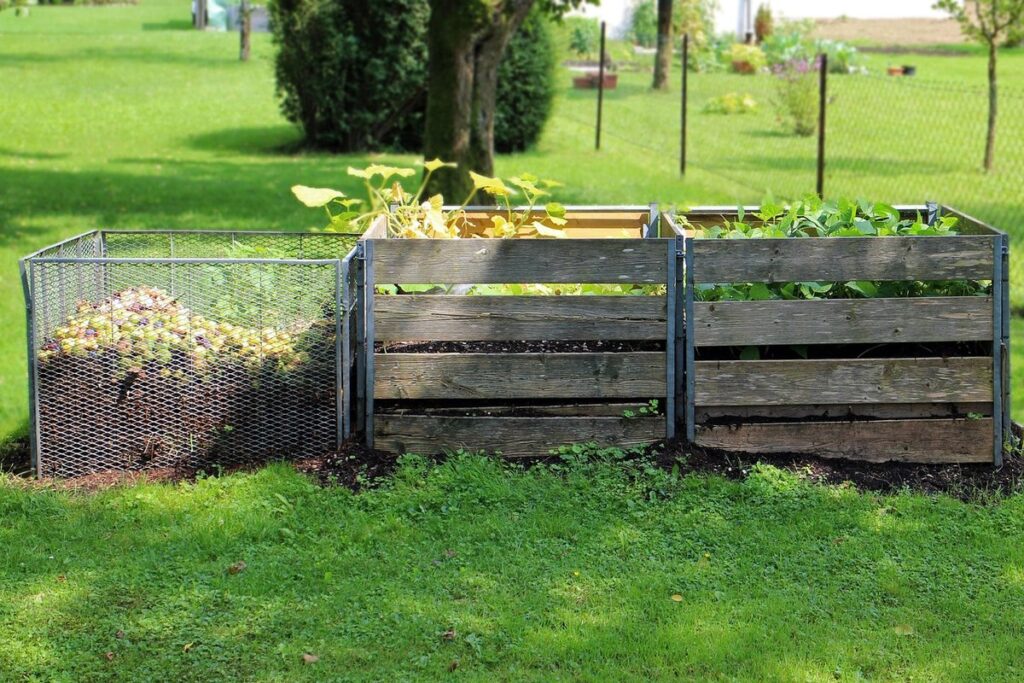
Understanding Hot Composting
Hot composting is a high-temperature process that breaks down organic matter quickly, but it requires careful balance and monitoring to achieve optimal results. In this section, we’ll explore what makes hot composting tick.
What is Hot Composting?
Hot composting is an accelerated decomposition process that breaks down organic materials into a nutrient-rich soil amendment. This method is ideal for gardeners who want to create a high-quality compost quickly. By combining the right mix of green and brown materials, hot composting creates a self-heating process that kills off weed seeds and pathogens, producing a sterile end product.
The benefits of hot composting are numerous. For instance, it allows for fast decomposition – typically within 1-2 weeks – which is significantly faster than cold composting methods. The resulting compost is also extremely high in nutrient value, making it an excellent fertilizer for garden soil. According to the USDA, a well-balanced hot compost can provide up to 50% of the essential nutrients that plants need to thrive.
To achieve these benefits, it’s essential to follow proper hot composting techniques, such as maintaining the right carbon-to-nitrogen ratio and ensuring adequate moisture levels. By doing so, you’ll be able to create a high-quality hot compost that will elevate your garden’s fertility and productivity.
Choosing the Right Location
When selecting a location for your hot compost pile, there are several factors to consider. First and foremost, think about sunlight – ideally, you want the pile to receive direct sunlight for at least part of the day. This will help speed up the decomposition process by providing warmth. However, be mindful of extreme temperatures, which can lead to overheating.
Another crucial consideration is wind direction. You’ll want to position your compost pile in a way that prevents odors from carrying away and disturbing neighbors or household members. A location with some natural screening, such as trees or walls, can help minimize these issues. Finally, consider the accessibility of the site – you’ll need easy access to the pile for regular turning and monitoring.
In practice, this might mean choosing a spot near your kitchen or gardening area, where you can easily incorporate finished compost into your soil. Avoid areas with standing water or prone to flooding, as this can create an ideal environment for pests and diseases. By carefully selecting a location, you’ll be setting yourself up for success in creating a thriving hot compost pile.
Building the Perfect Mix
To create hot compost that’s rich in nutrients and free of pathogens, it’s essential to strike the right balance between green and brown materials. The ideal carbon-to-nitrogen (C:N) ratio for hot composting is 2/3 “brown” materials and 1/3 “green” materials. Brown materials are high in carbon and low in nitrogen, while green materials are high in nitrogen and low in carbon.
To create a balanced mix, start by collecting brown materials like shredded newspaper, cardboard, or coconut coir. These should make up about two-thirds of your compost pile. For the remaining one-third, focus on gathering green materials such as fresh grass clippings, vegetable scraps, or manure from herbivores. Avoid mixing meat, dairy, and oily foods into your hot compost, as they can attract pests and create unpleasant odors.
When building your mix, aim to alternate layers of brown and green materials. A good starting point is a 2-3 inch layer of brown material, followed by a 1-2 inch layer of green material. Continue this pattern until you’ve reached the desired pile size, finishing with a layer of brown material on top. This will help your compost heat up efficiently and promote microbial activity.
Creating Your Hot Compost Pile
Now that you’ve gathered your materials, let’s dive into creating your hot compost pile by layering ingredients in a specific order to create the perfect blend. This precise setup is crucial for achieving optimal decomposition rates.
Layering Techniques
Creating layers within your compost pile is an art that requires balance and harmony. To achieve this balance, you’ll want to start by creating a foundation of “brown” materials, which are dry and carbon-rich. This can include shredded newspaper, cardboard, or dried leaves. Next, add a layer of “green” materials, such as kitchen scraps, grass clippings, or fresh manure, which are high in nitrogen and moisture.
As you build your layers, remember to leave space for air circulation between each layer. This will help prevent anaerobic conditions from developing, which can lead to unpleasant odors and reduced decomposition rates. Aim for a ratio of 2/3 brown materials to 1/3 green materials, but feel free to adjust this ratio based on the specific needs of your compost pile.
For example, if you’re adding a lot of high-nitrogen materials like grass clippings or manure, you may want to increase the proportion of brown materials to balance things out. By following this simple layering technique, you’ll create an environment that fosters healthy decomposition and minimizes odors and pests.
Adding Moisture and Aeration
Maintaining adequate moisture levels is crucial to speeding up decomposition in your hot compost pile. Aim for a mix that’s about 50-60% “green” materials like food scraps and grass clippings, which are high in water content, and 40-50% “brown” materials like dried leaves or shredded newspaper, which absorb moisture.
To ensure the perfect balance, check your pile daily by sticking your hand into it up to the forearm. If it feels dry, add a little more green material or some water. Conversely, if it’s too wet and squelching between your fingers, introduce some brown materials to absorb excess moisture. Aim for a consistency similar to a damp sponge.
Aeration is equally important as moisture levels in hot composting. Every few days, turn the pile to expose the inner layers to oxygen. This will help prevent anaerobic conditions that can lead to unpleasant odors and slowed decomposition. Use a pitchfork or shovel to gently mix the materials, working from one end of the pile to the other.
Managing Temperature and Odor
Monitoring temperature and odor levels is crucial when creating a hot compost pile. As your pile heats up, it’s essential to strike a balance between generating heat and minimizing unpleasant smells.
You can monitor temperature using a thermometer, aiming for an internal temperature of 130°F to 140°F (54°C to 60°C). If the pile gets too hot, around 160°F (71°C) or more, it can start to kill off beneficial microorganisms. To prevent this, turn your pile regularly to ensure air circulation and speed up decomposition.
To minimize odor, focus on maintaining a balance of ‘green’ materials (food scraps, grass clippings) and ‘brown’ materials (dried leaves, shredded paper). A mix of 2/3 brown materials to 1/3 green materials will help absorb excess moisture and odors. Regular turning also helps to aerate the pile, reducing ammonia production.
If your pile does start to smell strongly, don’t be alarmed – it’s a sign that decomposition is occurring rapidly! However, if the odor persists or becomes overwhelming, consider adding more brown materials or mixing in some finished compost to balance out the pile.
Monitoring Progress and Maintenance
Now that you’ve set up your hot compost, it’s essential to regularly check its progress and make adjustments as needed to achieve a successful finish. This ensures optimal decomposition and a finished product worth using in your garden.
Checking for Completion
Now that your hot compost is actively decomposing and reaching high temperatures, it’s essential to monitor its progress closely. This will help you determine when it’s finished and ready for use as nutrient-rich fertilizer. One way to check for completion is by observing the absence of odors. If you’ve done everything right, including layering the right carbon-to-nitrogen ratio and maintaining adequate moisture, your hot compost should no longer smell like rotting garbage. In fact, it might even have a slightly earthy or grassy aroma.
Another sign of completion is the texture of your compost. When finished, it should be crumbly and resemble potting soil. This indicates that the materials are fully broken down and can be easily mixed into the soil to benefit plants. Check for this texture by digging in with your hands or a tool; if it’s still too wet or too dry, give it some more time. With regular monitoring, you’ll know exactly when your hot compost is ready to use – typically within 7-10 days of active decomposition beginning.
Harvesting Your Compost
Now that you’ve created a rich and nutrient-dense compost pile, it’s time to harvest and put it to use. This is arguably the most exciting part of the process – getting to see the fruits of your labor transform into a valuable resource for your garden or indoor plants.
When collecting finished compost, wear gloves and use a pitchfork or shovel to gently break up any clumps. Be sure to turn off any heat-producing mechanisms you may have used during the active composting phase, such as the occasional water spray bottle. You’ll know your compost is ready when it’s dark brown in color, has an earthy aroma, and feels crumbly to the touch.
When using your finished compost in gardens or indoor plants, start by mixing 2-3 inches of it into the top layer of soil. This will not only improve drainage but also provide essential nutrients for plant growth. For more severe soil deficiencies, you can incorporate a greater amount of compost into the top 6-8 inches of soil.
Troubleshooting Common Issues
As you’re making hot compost, you may encounter some common issues that can hinder the process. One of the most frustrating problems is pests, such as fruit flies, ants, and rodents, which can infest your pile. To prevent this, ensure that your pile has a balanced carbon-to-nitrogen ratio, and maintain regular moisture levels. Also, bury food scraps deep within the pile to discourage scavengers.
Mold can be another issue when making hot compost. This usually occurs when there’s too much nitrogen-rich material in the pile or when it gets waterlogged. To prevent mold, make sure to add sufficient carbon-rich materials like shredded newspaper and straw, and avoid overwatering your pile.
Inadequate decomposition can also slow down the composting process. Check for adequate moisture and temperature levels; if they’re too low, the pile may not be decomposing properly. Monitor your pile’s temperature regularly and turn it when it cools down to around 130°F (54°C) to ensure optimal decomposition rates.
If you notice any of these issues, don’t panic! Just adjust your approach accordingly. Regularly monitoring your pile will help you catch problems early on, making it easier to resolve them before they become major setbacks.
Advanced Techniques and Variations
Once you’ve mastered the basics, it’s time to take your hot composting skills to the next level with some advanced techniques and creative variations to try.
Bokashi Composting
If you’re looking for an alternative to traditional hot composting methods, you might want to consider bokashi composting. This technique uses microorganisms to break down food waste quickly and efficiently indoors. Unlike hot composting, which requires a large bin and regular turning, bokashi composting can be done in a small container or even a plastic bucket.
To get started with bokashi composting, you’ll need to obtain a bokashi bin, which typically includes a fermentation liquid and microorganisms that help break down the waste. Simply add your food scraps, along with some water, to the bin, and let it sit for 1-2 weeks. The microorganisms will do their magic, breaking down the waste into a nutrient-rich compost tea.
One of the benefits of bokashi composting is that it can handle high amounts of protein-rich foods like meat and dairy without producing unpleasant odors. This makes it an ideal option for households with multiple pets or those who prefer to avoid strong smells in their kitchen.
Vermicomposting
Vermicomposting is another effective technique for breaking down organic matter, using worms to convert food waste into nutrient-rich compost. This method is also known as worm composting and has gained popularity worldwide due to its efficiency and minimal space requirements.
To vermicompost, you’ll need a worm bin, which can be a commercial unit or a DIY setup using a plastic container. The key to successful vermicomposting is maintaining optimal conditions for the worms: high moisture levels (around 70-80%), adequate ventilation, and a consistent temperature between 55°F to 77°F (13°C to 25°C).
Red wiggler worms are ideal for vermicomposting due to their robust nature and ability to thrive in confined spaces. A general rule of thumb is to start with one pound of worms per square foot of bin space, adding a mix of green (nitrogen-rich) and brown (carbon-rich) materials as feedstock. Some benefits of vermicomposting include high nutrient content, minimal odors, and the ability to compost in small spaces. However, challenges may arise from maintaining optimal conditions and ensuring the worms’ health.
Conclusion and Next Steps
Now that you’ve completed making hot compost, it’s time to reflect on your progress and think ahead to how you’ll continue improving your skills. Let’s review what you’ve learned!
Recap of Hot Composting Process
You’ve made it through the hot composting process! To recap, let’s review the key steps involved. First, we prepared our materials by collecting a mix of “green” and “brown” waste – carbon-rich dry leaves or straw and nitrogen-rich food scraps or grass clippings.
Next, we created the initial layer of brown materials to absorb excess moisture and provide air pockets for optimal decomposition. Then, we added alternating layers of green and brown waste, ending with a 4-6 inch layer of brown materials on top.
As you maintained your compost pile, you ensured it remained moist but not waterlogged, regularly turning it to aerate the contents and speed up the process. Finally, after just a few weeks, your hot compost was ready – teeming with beneficial microorganisms that could help improve your garden’s soil health.
Remember, the key to successful hot composting is balance: balancing carbon-rich and nitrogen-rich materials, maintaining optimal moisture levels, and providing adequate aeration throughout the process. With these tips in mind, you’ll be well on your way to creating nutrient-rich compost for your garden.
Encouraging Further Exploration
As you’ve successfully made hot compost and are enjoying its numerous benefits, we encourage you to continue exploring the world of composting. There’s more to discover beyond this one method – after all, every gardener is unique with their specific needs and preferences.
Have you considered vermicomposting or bokashi? These alternatives may be a better fit for your lifestyle, especially if space is limited or you want a faster process. Vermicomposting uses worms to break down organic matter, while bokashi involves fermenting food waste in an anaerobic environment.
Experiment with different composting techniques and ingredients to suit your garden’s specific needs. For instance, if you have pets, consider adding their bedding to the mix for added nutrient value. Similarly, if you’re dealing with a large quantity of kitchen scraps, try using a tumbling composter or a static pile with regular turning.
The possibilities are endless, and we invite you to keep learning and adapting your composting methods as needed. Happy experimenting, and don’t be afraid to get creative with your compost piles!
Frequently Asked Questions
Can I use hot composting for small spaces or indoor applications?
Yes, with some modifications to the process and equipment, you can create a hot compost pile in a small space or indoors using a bokashi bin or vermicomposting system. This method is ideal for urban gardeners or those with limited outdoor space.
How do I maintain a consistent temperature during hot composting?
To maintain a consistent temperature (130°F – 140°F) during hot composting, ensure that your pile has the right balance of green and brown materials. Add moisture as needed to keep the pile moist but not soggy. Regularly turn the pile every 2-3 days to aerate it.
Can I add meat, bones, or dairy products to my hot compost?
No, adding animal products like meat, bones, or dairy can attract pests and create unpleasant odors. Stick to vegetable scraps, yard waste, and other organic materials that are safe for composting.
How do I speed up the hot composting process in cold climates?
In cold climates, add more brown materials (e.g., leaves, straw) to your pile to help retain heat. You can also use a compost turner or aerator to increase oxygen flow and speed up decomposition. Monitor temperature closely, as it may take longer to reach optimal temperatures.
What happens if my hot compost pile is too wet or too dry?
If your pile is too wet, it can create anaerobic conditions that lead to unpleasant odors and slow down the process. Add more brown materials to absorb excess moisture. If it’s too dry, add water in small amounts to maintain optimal moisture levels (like a damp sponge). Regular monitoring will help you catch these issues before they become major problems.