
When it comes to creating high-quality compost, understanding the balance between green and brown materials is crucial. This delicate dance is known as the green-brown ratio, and mastering it can unlock the secrets to sustainable gardening practices that promote healthy soil, efficient waste management, and optimal plant growth. But what exactly is this balance all about? Simply put, the green brown ratio refers to the proportion of “green” materials like food scraps, grass clippings, and manure, to “brown” materials such as dried leaves, straw, or shredded newspaper. By getting this balance right, you can create a nutrient-rich compost that will elevate your garden game. In this article, we’ll delve into the importance of the green-brown ratio and provide practical tips on how to achieve it in your own backyard.
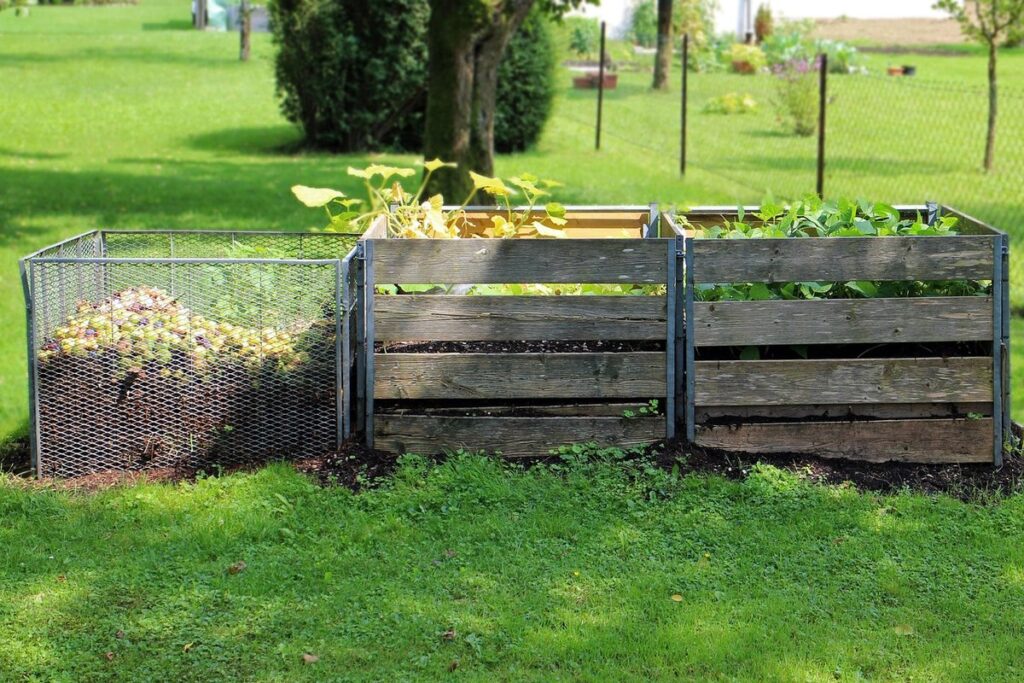
Understanding the Importance of Green and Brown Materials in Composting
To create a balanced compost, it’s crucial to understand the role that green and brown materials play in breaking down organic matter. Let’s explore their importance together!
What is Composting and Why is it Important for Sustainable Gardening?
Composting is a natural process that breaks down organic materials into a nutrient-rich soil amendment. It’s an essential practice for sustainable gardening, as it reduces waste, conserves resources, and promotes healthy ecosystems. By composting, gardeners can create their own fertilizer, reducing the need for synthetic chemicals and minimizing environmental impacts.
When done correctly, composting improves soil structure by increasing its water-holding capacity, aeration, and overall fertility. This, in turn, supports a thriving ecosystem where plants grow strong and resilient. Composting also helps to regulate soil pH levels, suppress plant diseases, and support beneficial microorganisms that live in the soil.
For example, a study on composting showed that adding just 1% of compost to potting soil can increase its water-holding capacity by up to 20%. This is particularly useful for gardeners who want to reduce watering frequencies while still maintaining healthy plants. By incorporating compost into their gardening routine, gardeners can create a balanced ecosystem where plants thrive and the environment benefits from reduced waste and pollution.
Benefits of Achieving the Perfect Green Brown Ratio in Composting
Achieving the perfect green brown ratio in composting is crucial for creating high-quality compost that benefits your plants and reduces waste. When this balance is disrupted, anaerobic conditions can develop, leading to unpleasant odors and a decrease in compost quality. This imbalance occurs when there’s too much “green” material (high in nitrogen) or not enough “brown” material (high in carbon). As a result, microorganisms break down the green materials quickly, producing excessive heat that can kill off beneficial microbes.
On the other hand, achieving the perfect balance leads to improved compost quality. With an optimal mix of 2/3 brown materials and 1/3 green materials, microorganisms thrive, breaking down organic matter efficiently. This results in a rich, earthy-smelling compost with higher nutrient availability for plants. For example, if you’re adding kitchen scraps (green) to your compost pile, balance them out by mixing in dry leaves or shredded newspaper (brown). By striking the right balance, you’ll create a fertile soil amendment that promotes healthy plant growth and reduces waste sent to landfills.
The Basics of Green and Brown Materials: What’s the Difference?
Let’s dive into the basics of green and brown materials, which form the foundation of your compost pile and are crucial for achieving that perfect balance.
Types of Green Materials: Leaves, Grass Clippings, and Kitchen Scraps
Green materials are the foundation of a balanced compost pile. They provide nitrogen-rich nutrients that help break down organic matter and create a nutrient-dense soil amendment. Leaves, grass clippings, and kitchen scraps are all excellent examples of green materials.
Leaves, for instance, are packed with nitrogen and can be added to your compost pile in abundance. However, it’s essential to mix them with brown materials to prevent the pile from becoming too soggy and anaerobic. Grass clippings, on the other hand, are high in moisture and nutrients, but they can also create a slimy texture if not balanced correctly.
Kitchen scraps, including fruit and vegetable peels, tea bags, and coffee grounds, are also rich in nitrogen and can be added to your compost pile. It’s crucial to include a variety of green materials to maintain a healthy balance and prevent odors. Aim for 2/3 brown materials and 1/3 green materials as a general guideline. By incorporating different types of green materials, you’ll create a nutrient-rich compost that will improve soil structure, fertility, and overall health.
Types of Brown Materials: Dried Leaves, Shredded Newspaper, and Wood Chips
When it comes to creating a balanced compost pile, understanding the role of brown materials is crucial. Brown materials are essentially carbon-rich ingredients that provide essential structure and stability to your compost heap. Think of them as the “skeleton” of your compost, holding everything together while allowing for air circulation.
Some common examples of brown materials include dried leaves, shredded newspaper, and wood chips. These items may seem mundane, but they play a vital role in absorbing excess moisture within the pile. When green materials like food scraps or grass clippings are added to the mix, they bring high levels of nitrogen with them. Brown materials act as a sponge, soaking up this excess moisture and helping maintain a healthy carbon-to-nitrogen ratio.
Aim to include a 2/3 brown material to 1/3 green material ratio in your compost pile. This balance will prevent odors and excessive heat buildup while promoting efficient decomposition.
How to Achieve the Perfect Green Brown Ratio in Your Compost Pile
Achieving a balanced green brown ratio is crucial, but it can be tricky – that’s why we’ll dive into practical tips for getting it just right. Let’s explore some expert advice to get you there!
Calculating the Ideal Carbon-to-Nitrogen Ratio for Optimal Composting
Calculating the ideal carbon-to-nitrogen ratio (C:N) is crucial for efficient composting. This balance determines how quickly microorganisms can break down organic matter into a nutrient-rich soil amendment. To calculate the C:N ratio, you’ll need to know the percentage of carbon and nitrogen in your compost materials.
For example, if you’re composting 50% grass clippings (high in nitrogen) with 25% dried leaves (high in carbon), you can estimate their respective N and C percentages as follows: Grass clippings contain approximately 20-30% N and 40-50% C. Dried leaves have about 2-3% N and 45-55% C.
To calculate the overall C:N ratio, divide the total percentage of carbon by the total percentage of nitrogen. Using our example, (0.4C + 0.45C) / (0.2N + 0.03N) = 0.825 / 0.23 ≈ 3.6:1. This ratio indicates you have too much nitrogen and may need to add more carbon-rich materials like straw or shredded newspaper.
Maintaining an optimal C:N balance is essential for efficient composting as it promotes healthy microbial activity, preventing odors and pests, and ultimately achieving a balanced, nutrient-rich soil amendment.
Balancing Act: Tips for Achieving the Perfect Green Brown Mix in Your Pile
Achieving the perfect green brown mix in your compost pile is an art that requires balance and patience. To get it just right, you need to consider both the quantity and quality of your materials. Start by layering your green materials, such as fresh grass clippings or food scraps, with a mix of brown materials like dry leaves or shredded newspaper. Aim for a 2/3 brown to 1/3 green ratio, but remember that this is just a starting point.
As you add layers, monitor moisture levels closely – too little and the pile won’t decompose efficiently, while too much can lead to anaerobic conditions. Check the pile’s temperature regularly; it should reach at least 130°F within a few days of turning. Some common mistakes to avoid include overloading with green materials, which can create an ideal environment for pests and odors.
To correct this imbalance, add more brown materials or turn the pile frequently to introduce oxygen. By being mindful of these variables and adjusting your approach as needed, you’ll be well on your way to achieving a perfectly balanced compost pile.
Overcoming Common Challenges in Composting: From Odors to Mold
Let’s tackle the tough stuff – we’ll walk you through how to overcome common composting challenges, from pesky odors to unwanted mold growth.
Dealing with Unpleasant Odors in Your Compost Pile
Dealing with Unpleasant Odors in Your Compost Pile is a common challenge many composters face. But why do odors occur in the first place? It’s often due to anaerobic conditions, where oxygen levels are too low for microorganisms to break down organic matter efficiently. Excess nitrogen-rich materials can also contribute to odor-causing microorganisms like ammonia and volatile fatty acids.
To eliminate unpleasant odors, start by turning your compost pile regularly. This ensures oxygen reaches all areas of the pile, preventing anaerobic conditions from developing. Aim to turn your pile every 7-10 days, especially during hot weather when decomposition speeds up.
Maintaining adequate aeration is also crucial. Add carbon-rich materials like dry leaves or shredded newspaper to balance out excess nitrogen inputs. This will help microorganisms thrive in well-oxygenated environments, minimizing odor production. Remember, a balanced compost pile with an ideal green brown ratio (typically 2/3 “brown” materials) will naturally minimize odors and create a rich, earthy scent instead.
Managing Mold and Fungal Growth in Compost
Managing mold and fungal growth in compost is a common challenge that can occur when the balance of green and brown materials is off. When organic matter breaks down too quickly, it creates an ideal environment for mold and fungi to thrive. These microorganisms feed on easily decomposable materials like food scraps, grass clippings, and manure, releasing spores into the air. If not managed properly, mold and fungal growth can pose risks to human health, particularly for individuals with weakened immune systems or respiratory issues.
To control mold and fungal growth in compost, it’s essential to maintain a balanced mix of green and brown materials. Brown materials like dried leaves, straw, or shredded newspaper help absorb excess moisture and provide carbon-rich nutrients that slow down decomposition rates. Regularly monitoring moisture levels is also crucial – if the pile becomes too wet, microorganisms will feed on the readily available carbon sources, leading to mold growth.
To avoid this issue, aim for an optimal C:N balance of 25:1 or higher. This means adding more brown materials than green ones to slow down decomposition rates and prevent over-fermentation.
Advanced Techniques for Optimizing the Green Brown Ratio in Your Composting Process
Now that you’ve mastered the basics of compost green brown ratio, it’s time to take your skills to the next level and learn advanced techniques for fine-tuning your process. We’ll explore expert strategies for achieving a perfect balance.
Using Carbon-Rich Materials to Enhance Compost Quality
Incorporating high-carbon materials like wood chips or straw into your compost pile can significantly enhance compost quality, structure, and nutrient availability. These materials are rich in carbon, which is essential for creating a balanced compost that will support healthy microbial growth.
When you add carbon-rich materials to your compost pile, they help absorb excess moisture, reducing odors and preventing anaerobic conditions that can lead to pathogen development. Additionally, these materials provide structure and texture to the compost, making it easier to aerate and turning it into a more stable end product. For instance, wood chips from sustainably managed forests can add significant amounts of carbon to your compost pile while also providing a natural source of potassium.
A 2:1 or even 3:1 carbon-to-nitrogen ratio can be achieved by incorporating these materials into your compost pile. This balance is crucial for creating a nutrient-rich compost that will support plant growth without depleting the soil’s natural resources. By adding high-carbon materials, you’re essentially “supercharging” your compost, allowing it to break down faster and more efficiently.
As you begin experimenting with carbon-rich materials in your compost pile, keep an eye out for signs of improvement, such as increased microbial activity, reduced odors, and a more uniform texture. With these simple additions, you’ll be well on your way to creating high-quality compost that will support the health and productivity of your garden or farm.
Maximizing Nitrogen-Rich Green Materials for Rapid Decomposition
Maximizing nitrogen-rich green materials is crucial for creating an optimal compost pile. These materials, such as kitchen scraps and grass clippings, are high in nitrogen but low in carbon. To maximize their use, it’s essential to balance them with sufficient brown materials, like leaves or shredded newspaper.
When incorporating green materials, aim for a mix of 2/3 “browns” and 1/3 “greens.” This ratio maintains the optimal C:N balance, allowing microbes to break down the nitrogen-rich greens efficiently. To rapidly decompose these materials, ensure adequate moisture (like a damp sponge) and oxygen flow through regular turning.
Adding bulking agents like straw or coconut coir can also help absorb excess liquid and prevent anaerobic conditions. Monitor your pile’s temperature – ideally, it should reach 130-140°F (54-60°C), indicating active decomposition.
To achieve rapid breakdown while maintaining balance, aim for a “green-to-brown” ratio of approximately 1:3 to 1:5. For example, if you add 10 pounds of kitchen scraps (high in nitrogen), balance it with 30-50 pounds of brown materials. By following this approach, you’ll create an ideal environment for microbes to thrive and convert your green waste into a nutrient-rich compost.
Frequently Asked Questions: Debunking Common Composting Myths and Misconceptions
We’ve heard them all before – misconceptions that can trip up even the most enthusiastic composters. Let’s set the record straight on some common myths surrounding composting ratios.
Addressing Misconceptions About Green Brown Ratio and Compost Quality
One of the most common misconceptions about green brown ratio is that too much nitrogen is always a bad thing. While it’s true that excessive nitrogen can lead to an overabundance of ammonia and potentially harm plants, the issue usually lies not with the amount of nitrogen itself but rather how it’s balanced with carbon.
Many people believe that adding more carbon-rich materials will magically solve the problem, but this is often a temporary fix at best. The truth is that achieving the perfect balance between green (nitrogen-rich) and brown (carbon-rich) materials requires a deeper understanding of what each component brings to the compost pile.
Let’s take an example: you’ve added a batch of fresh grass clippings to your compost pile, which are high in nitrogen but also contain some carbon. To balance this out, you might be tempted to add more dried leaves or shredded newspaper. However, if your compost pile is already too wet due to the high moisture content of the grass clippings, adding more dry materials won’t solve the problem.
In reality, what’s needed is a more nuanced approach. You might need to introduce some carbon-rich materials that are designed specifically for balancing nitrogen levels, such as peat moss or coconut coir. These products can help absorb excess moisture and provide additional structure to your compost pile while also helping to regulate nitrogen levels.
Ultimately, the key to achieving high-quality compost is not just about getting the green brown ratio right but also understanding how each component interacts with others in the compost pile. By taking a more holistic approach and considering factors like moisture, pH, and nutrient availability, you’ll be well on your way to creating rich, fertile soil that will support optimal plant growth.
Frequently Asked Questions
What are some common mistakes to avoid when achieving the perfect green brown ratio?
When aiming for the ideal balance, it’s easy to go overboard with either green or brown materials. A common mistake is adding too much nitrogen-rich green material, leading to unpleasant odors and anaerobic conditions. To avoid this, maintain a mix of 2/3 “brown” materials (e.g., dried leaves) and 1/3 “green” materials (e.g., food scraps). Regularly monitoring moisture levels, oxygen flow, and pH can also help prevent common pitfalls.
How often should I turn my compost pile to ensure optimal decomposition?
Turning your compost pile is crucial for maintaining a healthy balance of green and brown materials. Aim to turn the pile every 7-10 days, especially during the initial stages when materials are breaking down rapidly. This will help introduce oxygen, prevent matting, and promote even decomposition.
Can I use composted manure from my pets in my garden?
While composted manure can be a valuable nutrient-rich resource, it’s essential to note that pet waste can harbor pathogens like E. coli and Salmonella. To safely utilize this material, ensure it has undergone sufficient heat treatment (at least 131°F for several days) or allowed to age for at least 6-12 months before incorporating it into your compost pile.
How do I know if my compost is too dry or too wet?
Monitoring moisture levels is crucial for maintaining a balanced compost. Aim for a mix that feels like damp soil, not soggy or parched. Check by squeezing a handful of materials – if water drips out, it’s likely too wet; if it crumbles easily, it might be too dry.
Can I use shredded newspaper as a sole source of brown material?
While shredded newspaper can be an excellent addition to your compost pile, relying solely on this material may lead to an unbalanced mix. Brown materials like dried leaves, straw, or wood chips provide essential carbon-rich nutrients and help maintain aeration. A balanced mix of 2/3 “brown” materials and 1/3 “green” materials will promote optimal decomposition and nutrient release.