
Weeds can be a constant source of frustration for gardeners of all levels. They seem to pop up out of nowhere, stealing water and nutrients from your carefully tended plants. But did you know that some weeds are more than just pesky interlopers? Certain types can actually harm the soil quality, spread disease, and even take over entire gardens. If you’re tired of feeling like you’re losing the battle against weeds in your garden, it’s time to learn how to identify, prevent, and manage them effectively. In this comprehensive guide, we’ll cover everything from the different types of weeds to control methods, including organic and chemical approaches. By the end of this article, you’ll have the knowledge and skills you need to create a healthy, weed-free growing space where your plants can thrive.
What are Weeds?
When it comes to weeds, understanding what they are and how they grow is key to effective management. Let’s start by defining what we mean by ‘weeds’ in a gardening context.
Definition and Characteristics of Weeds
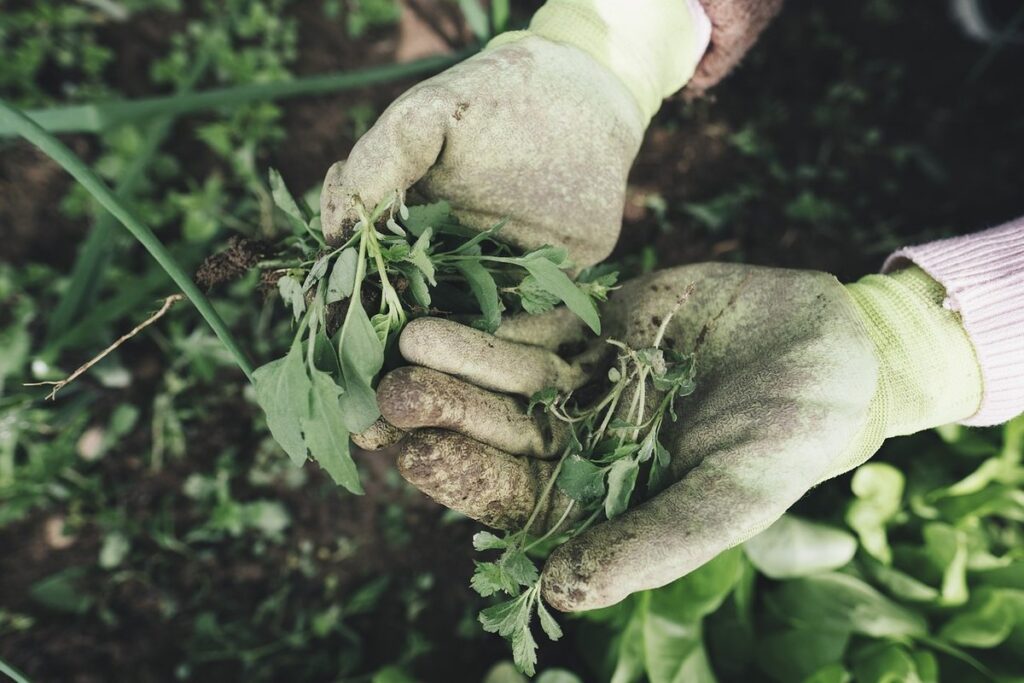
Weeds are unwanted plants that grow in areas where they’re not desired, competing with other plants for water, nutrients, and light. A weed’s growth can be aggressive, overtaking garden beds, lawns, and even entire landscapes. They can be annual or perennial, meaning they complete their life cycle within a year or come back year after year.
One way to identify weeds is by their appearance. Many have coarse, thick stems and leaves that don’t resemble the plants you intentionally planted in your garden. Dandelions, for instance, are known for their bright yellow flowers and jagged leaves. Thistles sport tall stalks with purple blooms, while clover forms small white clusters.
Other common weeds include creeping Charlie (Glechoma hederacea) and bindweed (Convolvulus arvensis). Creeping Charlie spreads quickly through underground rhizomes, taking over lawns and garden beds. Bindweed wraps its stems around support structures like trellises or fence posts, making it difficult to eradicate.
When trying to identify weeds in your garden, remember that even if a plant grows well in certain conditions, it can still be considered a weed if it’s not wanted in that particular area.
Types of Weeds: Annuals, Perennials, and Biennials
Weeds come in all shapes and sizes, but their life cycle is what truly sets them apart. Understanding the different types of weeds based on their growth patterns can help you tackle infestations more effectively.
Annual weeds complete their entire life cycle within a year, germinating, growing, producing seeds, and dying off before winter sets in. These weeds often thrive in disturbed soil and can be quite aggressive. Examples include crabgrass and foxtail, which can quickly outcompete desirable plants for water and nutrients. To manage annuals, focus on removing the entire root system to prevent regrowth.
Perennial weeds, on the other hand, live for multiple years, often producing new growth from existing roots or underground stems. These weeds require more persistent management strategies, such as repeated mowing or mulching. Examples include dandelions and thistle. Biennials, like plantain and hemlock, take two years to complete their life cycle, typically germinating in the first year and flowering in the second.
Identifying the type of weed you’re dealing with is crucial for developing an effective management plan. By recognizing the characteristics that define annuals, perennials, and biennials, you can tailor your approach to suit the specific needs of your garden.
Reasons Why Weeds Grow in Gardens
Weeds can pop up unexpectedly, but have you ever wondered why they keep coming back to your garden? Let’s explore some common reasons behind their growth.
Soil Conditions and Nutrient Imbalance
Poor soil quality is one of the primary contributors to weed growth. When soil lacks essential nutrients, it creates an environment where weeds can thrive. Nutrient imbalance is another factor that allows weeds to outcompete desired plants. Weeds often have adapted to grow in conditions where their competitors are struggling.
To understand why this happens, consider that weeds like dandelions and thistle can tolerate a wide range of pH levels and nutrient deficiencies. In contrast, most garden vegetables require specific soil conditions to thrive. If your soil is lacking in nutrients or has an unbalanced pH, it’s more likely that weeds will dominate the landscape.
To improve soil health and reduce weed infestation, focus on adding organic matter like compost or manure. This can be done through mulching, adding a layer of compost to the topsoil, or incorporating it into your gardening routine. By enriching your soil with essential nutrients, you’ll create an environment that supports healthy plant growth and discourages weeds from taking over.
Overwatering and Poor Garden Maintenance
When it comes to creating an ideal environment for weeds to grow, overwatering and poor garden maintenance are two significant contributors. Overwatering can lead to a range of problems, including weakened soil structure, increased susceptibility to disease, and ultimately, an invitation for weeds to take hold.
Inadequate pruning and neglect also play a crucial role in allowing weeds to thrive. When plants are not properly pruned, they can become leggy and weak, creating an opportunity for weeds to fill the gaps. Similarly, neglecting garden maintenance tasks like mulching, weeding, and fertilizing can create an environment that favors weed growth.
To combat this, focus on establishing a regular watering schedule that allows your soil to dry slightly between waterings. Prune plants regularly to maintain their shape and promote healthy growth. Additionally, implement a mulch layer around plants to suppress weeds and retain moisture in the soil. By adopting these habits, you’ll be able to create a more balanced garden ecosystem where plants can thrive without being overwhelmed by weed growth.
Effects of Weeds on Plant Growth and Health
Weeds can have a significant impact on your garden’s overall health, causing damage to plants and even altering their growth patterns in unwanted ways. Let’s explore how this happens.
Competition for Resources: Light, Water, and Nutrients
Weeds not only compete with desired plants for space, but they also vie for essential resources that are crucial for healthy plant growth. Light, water, and nutrients are the primary resources that weeds steal from your garden, potentially stunting the development of your plants or even causing disease.
When it comes to light, weeds can shade out your plants, preventing them from receiving the sunlight they need to undergo photosynthesis. This is especially true for small plants that may be overshadowed by tall weed growths. For instance, if you have a garden bed filled with weeds like dandelions or thistle, their height can block sunlight from reaching smaller herbs or seedlings.
Water and nutrients are also hotly contested resources in the garden. Weeds can draw water away from your plants through deep taproots that allow them to access groundwater, leaving your plants parched and vulnerable to drought stress. Similarly, weeds like clover and plantain have extensive root systems that enable them to absorb more nutrients than they need, depriving nearby plants of essential minerals.
In addition to competing for resources, weeds can also harbor diseases and pests that spread to your desired plants. For example, fungal spores on weed leaves can infect your prize-winning roses or tomatoes, causing them to become diseased and unsalable. By removing weeds from your garden, you not only free up space but also create an environment where your plants can thrive with the resources they need.
Spread of Diseases and Pests through Weeds
Weeds can serve as vectors for diseases and pests that can harm your garden, making it essential to control weed populations. These unwanted plants can harbor pathogens and insects, which are then transferred to nearby plants through contact, wind, or water. For instance, the fungus-like organism that causes powdery mildew can infect a plant when an infected weed’s spores land on its leaves.
Diseases spread through weeds include root rot, leaf spot, and crown rot, among others. These diseases not only weaken the affected plants but also create conditions for secondary infections to take hold. Similarly, pests like aphids, whiteflies, and spider mites can infest your garden by hiding in weed populations. To manage this risk, it’s crucial to remove weeds regularly, especially those with high disease or pest pressure.
When clearing weeds, be sure to disinfect tools and wash hands afterward to prevent the spread of diseases. Additionally, practicing good sanitation, maintaining a balanced soil pH, and promoting beneficial microbial activity can also help reduce the likelihood of weed-borne pathogens and pests.
Methods for Weed Control
Effective weed control requires a multi-faceted approach, which is why we’re sharing some practical methods you can use to keep those unwanted plants at bay. From physical removal to chemical control, we’ve got you covered!
Chemical Herbicides: Benefits, Risks, and Alternatives
Chemical herbicides are a popular solution for weed control due to their fast and effective results. However, it’s essential to weigh the benefits against the potential risks before using them in your garden. Chemical herbicides can be effective in killing weeds quickly, but they can also harm desirable plants, contaminate soil and water, and even pose health risks to humans and pets.
When choosing a chemical herbicide, select one that is labeled for specific use on weeds in your area, following the recommended application rates and timing. However, keep in mind that repeated use of chemical herbicides can lead to herbicide resistance in weeds, making them less effective over time.
If you’re concerned about the potential risks associated with chemical herbicides, consider safer alternatives such as organic herbicides or manual removal methods. For example, using a sharp hoe or weeding fork to remove weeds by hand is an eco-friendly option that can be just as effective as chemical herbicides.
Physical and Cultural Controls: Mulching, Composting, and Crop Rotation
When it comes to managing weeds without relying on chemicals, physical and cultural controls are effective strategies that can be employed in conjunction with other methods. Mulching is one such technique where a layer of organic material like wood chips, bark, or leaves is applied to the soil surface to suppress weed growth by preventing light from reaching them.
Composting also plays a vital role in improving soil quality, thereby reducing weed pressure over time. By incorporating compost into your garden beds, you’re enhancing the soil’s structure and fertility, creating an environment where desired plants thrive while making it difficult for weeds to compete. Crop rotation is another technique that can significantly reduce weed populations by disrupting their life cycles.
For instance, rotating between corn and soybeans or other legumes can break the reproductive cycle of certain weeds, limiting their ability to spread and thrive. Implementing these cultural controls not only reduces herbicide usage but also contributes to maintaining a balanced ecosystem in your garden.
Best Practices for Preventing Weed Infestation
To effectively manage weeds, it’s essential to prevent them from taking over your garden in the first place. By following these best practices, you can reduce weed infestations and keep your plants thriving.
Planning and Preparation: Choosing the Right Plants and Soil Mixes
When planning your garden, it’s essential to choose plants that are less likely to be outcompeted by weeds. Consider selecting native species, which have adapted to local conditions and often require minimal maintenance. For example, native flowers like coneflowers and black-eyed susans are not only low-maintenance but also attract pollinators that can help control weed populations.
When it comes to soil mixes, using a well-balanced blend of organic matter can discourage weed growth from the outset. Look for mixes containing compost or peat moss, which improve soil structure and fertility while suppressing weeds. Avoid using sterile potting mixes, as they can create an environment conducive to weed growth when planted outdoors.
Some plants, like groundcovers and succulents, have natural characteristics that make them more resistant to weed competition. These plants spread quickly and form a dense mat that crowds out weeds. By incorporating these types of plants into your garden design, you can reduce the need for herbicides and manual removal methods.
Monitoring and Early Intervention Strategies
Regular monitoring is key to detecting early signs of weed infestation. This allows gardeners to take action before weeds become established and cause significant damage. Set aside time each week to walk through your garden, inspecting the soil and plants for signs of weeds.
Look for tiny seedlings, usually no larger than 1-2 inches tall, as these are often indicative of weed infestation. Check the soil texture and moisture levels, as weeds tend to thrive in areas with poor drainage or inconsistent watering schedules. Take note of any unusual growth patterns or discoloration on plants, which can be a sign of weed competition for resources.
Take action immediately if you notice even a single weed seedling. Remove it by digging up the entire root system to prevent regrowth. Implement preventive measures such as mulching, crop rotation, and using physical barriers like landscape fabric to reduce weed growth. By monitoring your garden regularly and taking prompt action, you can effectively prevent weeds from becoming a problem in the first place.
Conclusion: Managing Weeds as a Long-Term Garden Management Strategy
As you’ve learned throughout this article, managing weeds is an ongoing process that requires patience and persistence. It’s not something you can tackle once and then forget about it – no, weed management needs to be integrated into your garden’s long-term care plan. This means regularly monitoring your garden for weeds, removing them before they spread, and implementing strategies to prevent new ones from growing in the future.
For example, mulching around plants can help suppress weed growth by blocking light and preventing seeds from germinating. Similarly, choosing drought-tolerant plants that require less watering can also reduce weed competition. By adopting these habits and staying vigilant, you’ll be able to enjoy a healthier, more productive garden for years to come. With time and practice, managing weeds will become second nature – just part of your regular gardening routine.
Frequently Asked Questions
How can I prioritize which weeds to control first in my garden?
When managing weeds, it’s essential to focus on the most aggressive types that are harming your plants or taking over your garden space. Start by identifying and controlling weeds with deep taproots like dandelions, thistles, or Canada thistle. These invasive species can outcompete your desired plants for resources, so tackling them first will make a significant impact.
What if I have limited time to manage my weed problem? Are there any shortcuts?
If you’re short on time, consider implementing physical controls like mulching around plant bases or using landscape fabric to suppress weeds. These methods are effective and relatively low-maintenance. You can also try selective herbicides that target specific weeds without harming your desired plants.
Can I use the same weed control method for all types of weeds in my garden?
No, it’s essential to choose a control method tailored to the type of weed you’re dealing with. For example, annual weeds like crabgrass respond well to pre-emergent herbicides, while perennial weeds like clover are often best controlled through mulching or solarization.
How can I prevent weeds from growing in areas where I’ve previously used chemical herbicides?
To minimize the risk of weed growth in treated areas, use a combination of physical and cultural controls. Apply a layer of organic mulch to suppress weed seed germination, and ensure good soil health through regular composting or fertilizing.
What’s the best way to deal with weeds that have already spread into my garden pathways?
To manage weeds growing in paths, try using a combination of physical control methods like hand-weeding, hoeing, or using a weeding fork. Follow up by applying a non-selective herbicide to prevent regrowth and re-establishing your desired plants around the affected area.