
Growing your own fenugreek can be a rewarding experience for any gardener or herb enthusiast. This versatile herb has been used in traditional medicine and cooking for centuries, and with its numerous health benefits and culinary uses, it’s no wonder people are eager to cultivate it themselves. However, growing fenugreek can be a bit tricky, especially if you’re new to gardening. It requires specific soil conditions, climate considerations, and proper planting techniques to thrive. In this comprehensive guide, we’ll walk you through the process of growing fenugreek from scratch. We’ll cover everything from preparing the right soil and choosing the ideal climate to harvesting your fenugreek crop successfully. Whether you’re a seasoned gardener or just starting out, this article aims to equip you with the knowledge and confidence to grow healthy and productive fenugreek plants in no time.
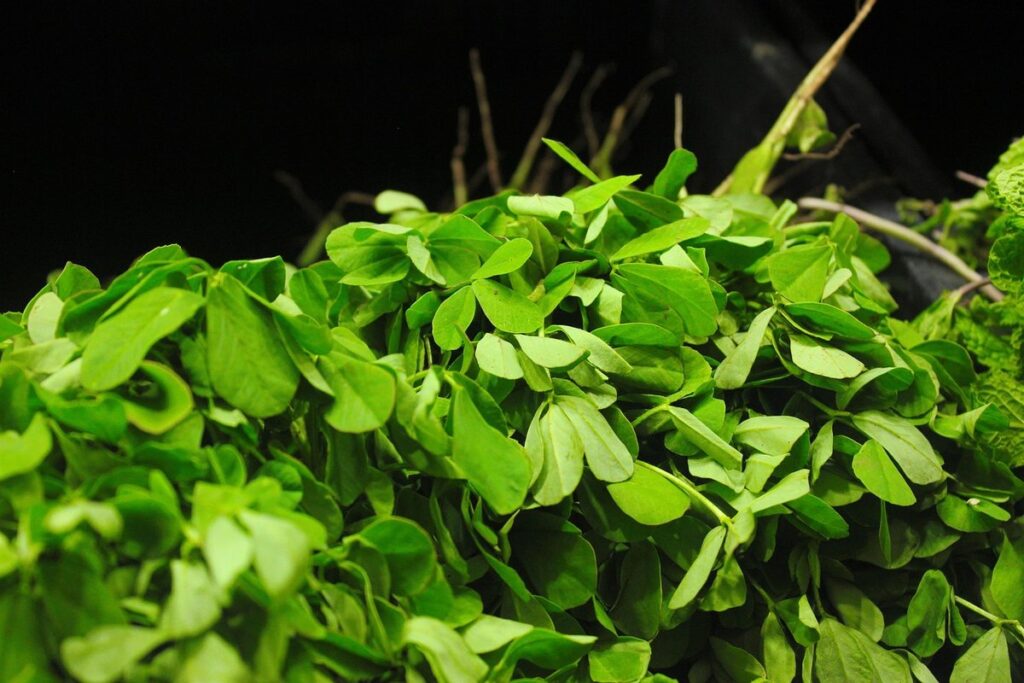
Understanding Fenugreek Basics
Before we dive into the specifics of growing fenugreek, let’s start with the basics: understanding what it is and how it grows will give you a solid foundation for success.
What is Fenugreek?
Fenugreek is an annual herb native to the Indian subcontinent and parts of Europe. Its botanical name is Trigonella foenum-graecum, which can be a bit tricky to pronounce for beginners. Don’t worry; just remember it by its common names like methi or Greek clover.
In cooking, fenugreek seeds are widely used in Indian cuisine to add flavor to curries, stews, and pickles. They have a slightly bitter taste, but their aroma is unmistakable. In the Middle East and Mediterranean regions, fenugreek leaves are often added fresh to salads or sautéed as a side dish.
Fenugreek has also been used in herbal medicine for centuries due to its potential health benefits. It’s believed to help lower blood sugar levels, improve digestion, and even alleviate symptoms of menopause. Some people consume it in capsule form, while others use the seeds as a tea or add them to their meals.
Before you start growing fenugreek, it’s essential to understand its uses and properties. This knowledge will not only help you appreciate your harvest but also encourage sustainable cultivation practices.
Benefits and Uses of Fenugreek
Fenugreek is one of the most versatile and beneficial herbs you can grow in your garden. Not only does it offer a range of medicinal properties, but its culinary uses are also numerous. By growing fenugreek yourself, you’ll have access to fresh leaves and seeds that can be used in various recipes.
From a medicinal standpoint, fenugreek has been shown to lower blood sugar levels and reduce inflammation. Studies have demonstrated its effectiveness in managing symptoms of diabetes, as well as alleviating menstrual cramps and other women’s health issues. The herb also boasts antimicrobial properties, making it a natural remedy for skin irritations and wounds.
In terms of culinary uses, fenugreek leaves can be used fresh or dried to add flavor to curries, stews, and teas. They have a slightly sweet and nutty taste that pairs well with spices like cumin and coriander. The seeds, on the other hand, can be roasted as a snack or added whole to recipes for an extra burst of nutrition.
As you grow fenugreek in your garden, keep in mind that it’s a cool-season crop, thriving best in temperate climates with moderate temperatures. With proper care and attention, this versatile herb will reward you with a bountiful harvest and countless health benefits.
Choosing the Right Variety
When it comes to growing fenugreek, selecting the right variety is crucial for optimal results. This section will guide you through the process of choosing the perfect variety for your garden or farm.
Popular Types of Fenugreek
When it comes to growing fenugreek, you’ll find that there are several popular varieties to choose from. Each of these has its unique characteristics, growth habits, and adaptability to different climates. Here’s a brief overview of some of the most commonly cultivated types.
One of the most widely grown varieties is ‘Trailing’ Fenugreek (Trigonella foenum-graecum), which is known for its fast-growing habit and high yields. This type thrives in warm weather conditions, making it ideal for tropical and subtropical regions. On the other hand, ‘Compact’ Fenugreek is a great choice for cooler climates, as it has a more compact growth habit and can tolerate light frosts.
Another variety worth mentioning is ‘Wild’ Fenugreek (Trigonella corniculata), which is native to the Mediterranean region. This type is more tolerant of drought conditions and has a lower yield compared to other varieties but is an excellent choice for areas with poor soil quality.
Lastly, there’s ‘Microgreens’ Fenugreek, which is gaining popularity among gardeners due to its fast growth rate and high nutritional value. Microgreens can be harvested within 10-15 days of sowing and are perfect for adding a burst of flavor to salads, sandwiches, and other dishes.
It’s essential to choose a variety that suits your specific climate, soil type, and growing conditions to ensure the best results from your fenugreek crop.
Selecting Seeds or Seedlings for Planting
When selecting seeds or seedlings for planting fenugreek, it’s crucial to prioritize quality and viability. Look for seeds that have a high germination rate, typically 70% or higher. You can check the package or consult with the supplier to confirm this information. Some popular varieties of fenugreek include ‘Trailing’ and ‘Compact’, which are bred for their disease resistance and compact growth habit.
When choosing seedlings, inspect them carefully for signs of pests, diseases, or nutrient deficiencies. Check the roots for any damage or rot, as this can weaken the plant and make it more susceptible to disease. Also, ensure that the seedlings have a sturdy stem and are free from yellowing leaves, which may indicate stress or overwatering.
For optimal results, purchase seeds or seedlings from reputable suppliers that specialize in herb or spice crops. This will help you avoid contaminated or low-quality materials that can compromise your harvest.
Preparing the Soil and Climate
To grow fenugreek successfully, you’ll first need to prepare your soil by ensuring it has the right pH level and nutrient balance for optimal growth. This crucial step sets the foundation for a thriving crop.
Soil Requirements for Fenugreek
Fenugreek prefers well-drained soil with a slightly alkaline pH between 6.0 and 7.5, making it adaptable to various soil types. However, if you’re planting fenugreek in areas with high rainfall, ensure the soil drains quickly to prevent root rot.
In terms of nutrient needs, fenugreek is relatively low-maintenance but thrives in soils rich in nitrogen, phosphorus, and potassium (NPK). A balanced fertilizer application at planting time can promote healthy growth. You can also consider adding compost or manure to enrich the soil’s organic matter content.
Moisture levels play a crucial role in fenugreek cultivation. The plant requires consistent moisture, especially during germination and seedling stages. Aim for about 1-2 inches of rainfall or irrigation per week, reducing watering when mature plants develop deeper root systems.
To achieve optimal growth, monitor your soil’s pH regularly and adjust accordingly. For areas with acidic soils, add lime to raise the pH gradually. Avoid over-fertilizing, as this can lead to weak plant growth and reduced yields. By understanding fenugreek’s specific soil requirements, you’ll be better equipped to provide the right conditions for a healthy and bountiful harvest.
Climate and Temperature Considerations
Fenugreek is a versatile crop that can thrive in various climate conditions. However, it prefers well-defined seasons with moderate temperatures and rainfall. When it comes to temperature, fenugreek grows best in areas with mild winters and warm summers. The ideal temperature range for germination is between 65°F (18°C) and 75°F (24°C), while optimal growth occurs at temperatures ranging from 70°F (21°C) to 85°F (29°C).
Fenugreek can tolerate heat up to 90°F (32°C), but prolonged exposure to extreme temperatures above 95°F (35°C) can be detrimental. On the other hand, it’s relatively cold-tolerant and can withstand light frosts. Nevertheless, prolonged periods of frost or temperatures below 40°F (4°C) may damage the crop.
In terms of drought tolerance, fenugreek is relatively resilient but still requires adequate moisture, especially during its early stages of growth. Regular watering should be maintained to ensure optimal growth and prevent stunted development. Aiming for about 20-25 inches (500-650 mm) of annual rainfall or supplemental irrigation can help support healthy plant growth.
Planting and Care Techniques
To successfully grow fenugreek, you need to master essential techniques for planting and caring for these delicate herbs, which we’ll cover in the next few paragraphs. Let’s dive into the specifics of getting it right.
Sowing Seeds or Seedlings
When it comes to planting fenugreek, you have two main options: sowing seeds directly into the ground or transplanting seedlings. Both methods can be effective, but they require slightly different techniques.
To sow seeds, start by selecting a spot with full sun and well-draining soil. Fenugreek prefers a slightly acidic to neutral soil pH, ranging from 6.0 to 7.0. Sow the seeds about 1/4 inch deep and 1-2 inches apart in late spring or early summer when the soil has warmed up to at least 60°F (15°C). You can also sow fenugreek seeds in the fall for a winter harvest.
Alternatively, you can start with seedlings indoors 6-8 weeks before the last frost date in your area. Transplant them into larger pots and then directly into the ground when they have 2-3 sets of leaves. Space them about 12-18 inches apart to allow for proper growth and air circulation.
Watering and Fertilization Needs
Fenugreek requires careful attention to watering and fertilization to ensure optimal growth. As a semi-arid crop, it’s susceptible to overwatering, which can lead to root rot and other problems. To avoid this, water fenugreek seeds or seedlings only when the top inch of soil feels dry to the touch. A general rule of thumb is to water every 2-3 days during hot weather and less frequently in cooler temperatures.
Fenugreek also needs a balanced diet to produce healthy leaves and seeds. Use a fertilizer with a nitrogen-phosphorus-potassium (NPK) ratio of 10-20-10 for optimal growth. You can apply the fertilizer once a month, following the manufacturer’s instructions. Additionally, add compost or well-rotted manure to maintain soil fertility and structure.
Avoid using high-nitrogen fertilizers, as they can promote leaf growth at the expense of seed production. Also, keep in mind that fenugreek has a deep root system, so it’s essential to provide adequate nutrients throughout the growing season. By following these tips, you’ll be able to provide your fenugreek plants with the right amount of water and nutrients for optimal growth.
Managing Pests and Diseases
As a fenugreek gardener, you’ll inevitably encounter pests and diseases that can harm your crop – learning how to manage them is crucial for success. This section will walk you through common issues and effective solutions.
Common Pests Affecting Fenugreek
Fenugreek is susceptible to several common pests that can significantly impact its growth and yield. One of the most prevalent issues is aphids, which are small, soft-bodied insects that feed on sap, causing curled or distorted leaves. To manage aphid infestations, inspect your plants regularly for signs of aphids, such as sticky honeydew droplets or white powdery eggs. Use neem oil or insecticidal soap to control the population.
Another common pest affecting fenugreek is the whitefly, which lays eggs on the underside of leaves and sucks plant sap, causing yellowing or stunted growth. Spider mites are also a concern, as they feed on plant sap and cause fine webbing between leaves. To prevent infestations, ensure good air circulation around your plants and maintain a healthy soil environment with adequate moisture and nutrients.
Regularly inspect your fenugreek plants for signs of pests and take action promptly to avoid the spread of infestations. Consider introducing beneficial insects, such as ladybugs or lacewings, which prey on aphids and other pests, reducing the need for chemical controls. By being vigilant and proactive in managing these common pests, you can minimize damage to your fenugreek crop and enjoy a bountiful harvest.
Prevention and Treatment of Root Rot and Other Diseases
Fenugreek is prone to root rot and other diseases that can be devastating if left unchecked. To prevent this, make sure your soil has good drainage and aeration. Mix in some compost or well-rotted manure to improve its structure and fertility. Water your fenugreek plants at the base, avoiding overhead watering which can encourage fungal growth.
Keep an eye out for signs of fungal infections such as yellowing leaves, black spots on stems, and soft mushy roots. Remove any infected areas immediately to prevent the spread. Treat with a fungicide according to the product’s instructions if the problem persists.
Nutrient deficiencies can also lead to disease in fenugreek plants. Ensure you’re providing your plants with a balanced fertilizer throughout the growing season. A general-purpose fertilizer with a mix of nitrogen, phosphorus, and potassium will do. Avoid over-fertilizing as this can burn your plants’ roots.
Monitor your plants regularly for any signs of stress or decline, taking action at the first sign of trouble to prevent more severe issues from developing.
Harvesting and Storing Fenugreek
Now that you’ve successfully harvested your fenugreek crop, it’s time to learn how to dry, store, and preserve it for optimal flavor and nutrition. Proper storage techniques will help keep your fenugreek fresh for months to come.
Timing and Techniques for Harvesting
Harvesting fenugreek at the right time is crucial to ensure its quality and potency. As a general rule, fenugreek is ready for harvest when it reaches 30-40 cm (12-16 inches) in height. However, timing can vary depending on the climate and growing conditions.
To determine if your fenugreek is mature, look out for signs such as:
* The leaves start to turn yellow and droop
* The stems become woody and fibrous
* The seed pods start to split open
Cutting the plants at the correct time will also impact their regrowth. For optimal results, harvest the top third of the plant when it reaches maturity, leaving about 10-15 cm (4-6 inches) of stem intact. This will encourage new growth and prevent the entire plant from flowering and going to seed.
When cutting, use a sharp knife or pruning shears to avoid damaging the stems. Cut just above a node, as this will help promote new growth.
Drying and Storing Seeds and Leaves
Proper drying and storage of fenugreek seeds and leaves are crucial to preserving their flavor, aroma, and nutritional value. When harvesting fenugreek, it’s essential to dry the leaves and seeds quickly to prevent spoilage. One method is air-drying: tie the leaves in small bunches and hang them upside down in a warm, dry place with good ventilation.
For seeds, spread them out on paper towels or a clean cloth and allow them to air-dry completely. This process can take several days to a week, depending on the temperature and humidity levels. You can also use a food dehydrator set at a low temperature (135°F – 150°F) for 6-8 hours.
Store dried fenugreek seeds in airtight containers, such as glass jars or paper bags, and keep them away from direct sunlight and moisture. Frozen leaves can be stored in airtight containers or freezer bags and used within six months. Freeze-dried or dehydrated leaves can also be stored for up to 12 months. Regularly check your stored fenugreek seeds and leaves for signs of spoilage, such as mold or rancidity.
Frequently Asked Questions
Can I grow fenugreek indoors if I don’t have a garden or suitable climate outdoors?
Yes, you can successfully grow fenugreek indoors, especially during winter months when outdoor temperatures are too low. Provide your plants with adequate sunlight (at least 4-6 hours of direct light) and maintain a consistent temperature between 65-75°F (18-24°C). Use well-draining pots to prevent waterlogged soil.
How do I protect my fenugreek crop from pests like aphids, whiteflies, and spider mites?
Monitor your plants regularly for signs of infestation. Use neem oil or insecticidal soap as a preventative measure to control pest populations. You can also introduce beneficial insects like ladybugs or lacewings to maintain balance in your garden ecosystem.
Can I save fenugreek seeds from my harvested crop for replanting next season?
Yes, fenugreek seeds are relatively easy to save and store. Dry the seeds thoroughly after harvesting and store them in a cool, dry place. Make sure to label the seeds with their variety name or characteristics to ensure you plant identical seeds next season.
How often should I water my fenugreek plants during hot summer months?
Fenugreek requires consistent moisture, especially when it’s producing flowers and seeds. Water your plants deeply once or twice a week, depending on weather conditions. Avoid overwatering, which can lead to root rot and other diseases.
Can I grow multiple varieties of fenugreek together in the same bed without compromising their growth?
It is generally not recommended to intercrop different varieties of fenugreek together. Fenugreek plants have specific growing requirements and spacings, so planting them separately will ensure optimal growth and prevent competition for resources like light, water, and nutrients.