
Do you find yourself constantly battling against unwanted growths in your garden? Pictures of garden weeds can be incredibly helpful in identifying these pesky plants, but where do you even start? With so many species out there, it’s easy to get overwhelmed. That’s why we’ve put together this comprehensive guide on how to identify common garden weeds using high-quality pictures and expert advice.
In this article, we’ll delve into the world of photography and identification, covering the basics of what makes a good weed photo, as well as some top tips for getting up close and personal with those hard-to-reach areas. We’ll also provide expert insights on how to control weeds effectively, so you can say goodbye to unwanted growths once and for all. Whether you’re a seasoned gardener or just starting out, this guide will have you confidently identifying and managing garden weeds in no time.
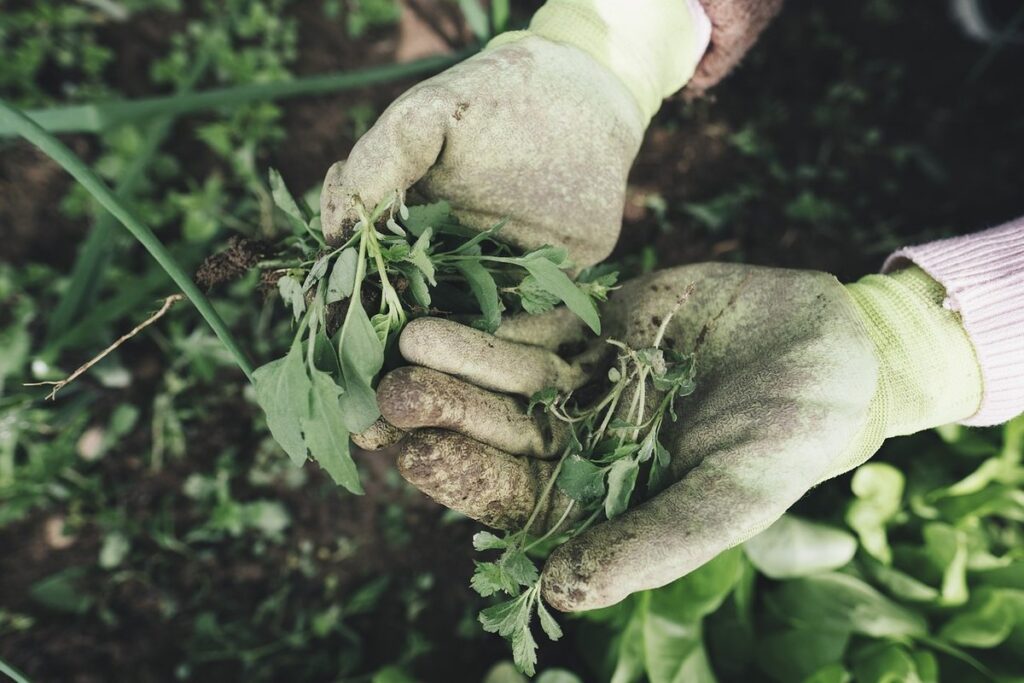
Understanding Garden Weeds
Let’s dive into understanding garden weeds, starting with their definition and how they can benefit from a little unwanted attention in our gardens. Identifying weeds is key to proper control.
What Are Garden Weeds?
Garden weeds are unwanted plants that grow in gardens, yards, and other cultivated areas. They can be annuals or perennials, and come in a wide range of shapes, sizes, and growth habits. One of the key characteristics of garden weeds is their ability to spread quickly and compete with desired plants for water, nutrients, and light.
Some common types of garden weeds include broadleaf weeds like dandelions, clover, and plantain, as well as grassy weeds like crabgrass and quackgrass. These weeds can outcompete desirable plants for resources, leading to reduced growth rates and lower yields.
The impact of garden weeds on gardens can be significant. They can reduce the aesthetic value of a garden, decrease crop yields, and even harbor pests and diseases that can harm other plants. Identifying and controlling garden weeds is essential to maintaining healthy and productive gardens.
When it comes to identifying garden weeds, look for characteristics like leaf shape, stem color, and growth habit. For example, dandelions have jagged tooth-like edges on their leaves, while clover has round, flat leaves with white or pink flowers.
Types of Common Garden Weeds
Garden weeds come in all shapes and sizes, but some are more common than others. Among the most recognizable types of garden weeds are dandelions (Taraxacum officinale), clover (Trifolium spp.), and thistle (Cirsium spp.). These plants may seem harmless, but they can outcompete your desired plants for water, nutrients, and light.
Dandelions, with their bright yellow flowers and feathery foliage, are perhaps the most recognizable weed of all. They produce seeds that are dispersed by wind, allowing them to spread quickly throughout your garden. Clover, on the other hand, has small white or pink flowers and is often mistaken for a desirable plant due to its nitrogen-fixing properties.
Thistle, with its distinctive purple flowers and spiny leaves, is another common weed found in many gardens. All three of these weeds are easy to identify by their unique characteristics, making it simple to distinguish them from your desired plants. To control these weeds, try removing them manually or using a targeted herbicide. Be sure to remove the entire root system to prevent regrowth. Regularly monitoring your garden and taking action early will help keep these common weeds under control.
Benefits of Identifying Garden Weeds
Identifying garden weeds may seem like a daunting task, but knowing what they are and why you should remove them can save your garden from unnecessary damage. This knowledge is crucial for healthy plant growth.
Why Identify Garden Weeds?
Identifying garden weeds is often overlooked as an essential part of gardening. However, it’s crucial for several reasons. First and foremost, knowing what type of weed you’re dealing with allows you to choose the most effective control method. For example, some weeds are more susceptible to herbicides while others require manual removal.
By identifying your garden weeds, you can also refine your gardening techniques. If you know which weeds thrive in certain conditions or under specific care practices, you can adjust your strategies accordingly. This could mean adjusting soil pH levels, reducing watering frequency, or altering the type of fertilizers used.
Moreover, accurately identifying weeds helps minimize unnecessary herbicide use. When you know what’s growing, you’re less likely to reach for chemicals as a quick fix. Instead, you can focus on targeted control methods that prioritize long-term sustainability and reduce chemical exposure in your garden. With practice, you’ll become more discerning about when to use herbicides, and when manual removal or other techniques are the better choice.
Using Pictures to Identify Garden Weeds
When it comes to identifying garden weeds, pictures can be an incredibly valuable tool. By having a visual reference, you can easily recognize unwanted plants that may have otherwise gone unnoticed. This is especially true for beginners who may not have extensive knowledge of different weed species.
You can find many online resources and databases that offer high-quality images of various weeds. Some popular websites include the USDA’s PLANTS database and the National Institute of Floriculture in Japan, which both provide detailed photographs and descriptions of different plant species. Additionally, social media platforms like Instagram and Flickr often have dedicated communities for gardening enthusiasts who share pictures and advice on weed identification.
When using pictures to identify garden weeds, look for key characteristics such as leaf shape, stem color, and growth habit. Compare these features with the images you’ve found online or in reference books. This can help you narrow down the possibilities and make a more accurate identification.
How to Take Good Pictures of Garden Weeds
Now that you know what to look for, let’s dive into the art of photographing these unwanted plants, and explore some tips on how to take clear and useful images. This includes composition and lighting techniques.
Equipment Needed for Weed Photography
When it comes to taking good pictures of garden weeds, having the right equipment can make all the difference. You don’t need a professional-grade camera or an expensive studio setup, but investing in a few essential tools will help you capture high-quality images.
A digital single-labor (DSLR) camera or a mirrorless camera is ideal for weed photography, as they offer manual controls and interchangeable lenses. If you’re just starting out, consider a mid-range DSLR or mirrorless camera with good low-light performance.
A macro lens is also crucial for capturing detailed shots of weeds. A 50mm or 100mm macro lens will allow you to get up close and personal with the plant’s textures, shapes, and patterns. You can use a prime lens or a zoom lens with a macro capability. When choosing a lens, consider the type of photography you’ll be doing most often – for example, if you’re focusing on flowers, a 50mm lens might be more suitable.
In addition to your camera and lenses, make sure you have a tripod to keep your equipment stable and avoid camera shake. A remote shutter release or camera timer can also come in handy to minimize vibrations and ensure sharp images.
Tips for Capturing High-Quality Images
When it comes to capturing high-quality images of garden weeds, there are several key factors to consider. First and foremost, composition is crucial. Instead of placing the weed in the center of the frame, try experimenting with unique angles or perspectives that highlight its texture and shape. For example, shoot from directly above or at an angle to emphasize the weed’s interesting patterns or growth habits.
Lighting also plays a significant role in creating visually appealing images of garden weeds. Natural light is ideal, but if shooting indoors, invest in a good quality softbox or diffuser to minimize harsh shadows and create a more even illumination. Avoid using flash as it can flatten the image and make it look unnatural.
In terms of photography techniques, consider using shallow depth of field to blur the background and draw attention to the weed itself. You can also experiment with macro photography to capture intricate details such as seed pods or flowers. Experimenting with different lenses and camera settings will help you develop a unique style for showcasing garden weeds in your images.
Common Mistakes in Identifying Garden Weeds
When it comes to identifying garden weeds, one of the biggest obstacles is recognizing common mistakes that can lead to misidentification and poor control. Let’s take a closer look at these pitfalls together.
Misidentification due to Similarity with Desirable Plants
When it comes to identifying garden weeds, one of the most common mistakes is misidentifying them due to their similarity with desirable plants. This can be especially true for beginners who may not have a deep understanding of the differences between various plant species.
For example, the invasive weed Nut Sedge (Cyperus esculentus) can easily be mistaken for its edible cousin Water Chestnut (Eleocharis dulcis). Both plants have long stems and flat leaves that resemble those of grasses, making them difficult to tell apart. In fact, a study found that up to 50% of people surveyed were unable to correctly identify Nut Sedge in the field.
Another example is the weed Field Bindweed (Convolvulus arvensis) which can be mistaken for the ornamental Morning Glory (Ipomoea spp.). Both plants have twining stems and trumpet-shaped flowers, making them almost indistinguishable at first glance. To avoid this mistake, it’s essential to take a closer look at the plant’s leaves and growth habit.
Overreliance on Online Resources
When it comes to identifying garden weeds, it’s tempting to rely solely on online resources for guidance. However, this can lead to pitfalls that may ultimately do more harm than good. Relying too heavily on a single source or website can result in misidentification of weeds, which can be detrimental to your garden’s health.
For instance, some websites may provide outdated information or lack concrete evidence to support their claims. This is especially true for rare or newly introduced weed species that might not have extensive online documentation. Moreover, using only one resource can lead to a narrow perspective on the issue at hand. Consulting multiple sources, including field guides, expert opinions, and peer-reviewed studies, can provide a more comprehensive understanding of your garden weeds.
To avoid this pitfall, it’s essential to verify information across multiple platforms. Check for updates from reputable websites, consult with local gardening experts or extension services, and consider physical field guides for accurate identification. This approach will not only increase the accuracy of your weed identification but also provide you with a deeper understanding of the complex relationships within your garden ecosystem.
Pictures of Garden Weeds: Uses in Gardening and Beyond
We’ve already discussed how to identify and control those pesky garden weeds, now let’s explore some surprising uses for them in gardening and beyond. You might be surprised at their versatility!
Educational Tools
When it comes to garden weeds, most of us think about removing them from our gardens and lawns. However, pictures of these unwanted plants can be a valuable resource for learning and teaching. By leveraging images of common weeds, educators and gardening enthusiasts alike can use them as educational tools in various settings.
In classrooms, pictures of garden weeds can help students learn to identify different types of weeds. This is particularly useful for younger learners who may not have had hands-on experience with gardening yet. Teachers can show students pictures of various weeds and ask them to describe their characteristics, such as leaf shape, color, or growth habits. This interactive approach makes learning fun and engaging.
Workshops and online courses can also benefit from using images of garden weeds as educational tools. Instructors can use high-quality photos to illustrate key points about weed identification, control methods, and the impact of invasive species on ecosystems. For example, pictures of dandelions can help participants understand how their deep taproots allow them to compete with desirable plants for water and nutrients.
By incorporating pictures of garden weeds into educational settings, learners of all ages can gain a deeper appreciation for botany, ecology, and sustainable gardening practices.
Conservation Efforts
When it comes to garden weeds, many of us tend to think of them as pesky plants that need to be eradicated. However, some species have a more significant impact than others. By taking pictures of these invasive species, we can contribute to conservation efforts and help prevent their spread.
Monitoring invasive species is crucial in preventing ecological damage. Pictures of garden weeds can serve as valuable records for researchers and conservationists. By documenting the presence and distribution of invasive species, we can better understand their behavior and develop strategies for control. For instance, taking high-quality photos of invasive plants like Japanese knotweed or English ivy can help scientists track their movement and spread.
To get involved in monitoring invasive species through photography, start by researching local species and their habitats. Familiarize yourself with the characteristics of invasive weeds and learn how to identify them accurately. When photographing these species, consider using a camera trap or time-lapse equipment to capture detailed images over time. Share your photos on platforms dedicated to citizen science initiatives, where they can be used by researchers and conservationists. By leveraging pictures of garden weeds in this way, you’ll be contributing to the greater good while also expanding your own knowledge of these plants.
Conclusion
Now that we’ve explored how to identify and manage common garden weeds, let’s recap the key takeaways from our comprehensive guide. Reviewing these insights will ensure you’re equipped to tackle any unwanted growth in your garden.
Recap of Key Points
To successfully identify and control garden weeds, it’s essential to remember the following key points. Firstly, familiarize yourself with common weed types and their distinguishing features by examining our extensive gallery of pictures. Pay particular attention to the shape, size, color, and growth patterns.
When attempting to eradicate weeds, don’t forget that prevention is better than cure. Implementing effective soil preparation techniques, such as tilling or mulching, can significantly reduce the likelihood of weeds sprouting in the first place. Be sure to maintain a clean environment by regularly removing weeds before they have a chance to produce seeds.
It’s also crucial to understand the life cycle of weeds and their unique characteristics during different growth stages. For instance, some weeds may be difficult to eradicate due to deep taproots or extensive root systems, while others may be more susceptible to control methods like herbicides or physical removal. By being aware of these nuances, you’ll be better equipped to tackle garden weed issues head-on.
Final Thoughts
As you’ve navigated through this comprehensive guide on identifying and controlling garden weeds, it’s essential to remember that accurate identification is the first step towards effective control. Without proper identification, you may inadvertently spread weeds or use ineffective methods, leading to wasted time and resources.
To reinforce good habits in your gardening routine, take a moment to review the key takeaways from this guide. Make sure you can confidently identify common garden weeds, such as dandelion, clover, and thistle, by their unique characteristics, growth patterns, and flower shapes. This knowledge will enable you to develop targeted control strategies, including mechanical removal, hand-pulling, or using selective herbicides.
In conclusion, accurate identification and control of garden weeds are crucial for maintaining a healthy and thriving garden ecosystem. By incorporating these principles into your gardening practice, you’ll be better equipped to manage weed populations, prevent damage to your desired plants, and enjoy the rewards of a lush, vibrant garden.
Frequently Asked Questions
How can I apply the knowledge from this guide to my own garden?
You can start by taking a closer look at your garden’s specific needs and challenges. Identify the most common weeds present and consult the pictures provided in this guide for accurate identification. Next, prioritize control methods such as manual removal or using targeted herbicides. Be sure to consider long-term prevention strategies like improving soil health and promoting healthy plant growth.
What if I’m still unsure about the identity of a particular weed?
If you’re struggling to identify a specific weed, try consulting multiple sources, including this guide, online forums, and local gardening experts. You can also experiment with different control methods on small areas before applying them more widely. Remember that it’s better to err on the side of caution when dealing with potentially invasive species.
How do I balance weed control with preserving beneficial insects in my garden?
Maintaining a balanced ecosystem is crucial for long-term success. When using herbicides, choose products labeled as “bee-friendly” or “environmentally friendly.” Consider natural methods like hand-pulling or mulching to reduce chemical use. Also, avoid using broad-spectrum herbicides that can harm beneficial insects.
Can I use pictures of garden weeds from online sources for educational purposes?
While it’s tempting to reuse existing images, ensure they’re correctly attributed and meet your needs. For educational purposes, consider taking high-quality photos yourself or commissioning them from a professional photographer. This will not only guarantee accuracy but also support local photography and gardening communities.
How can I use pictures of garden weeds for conservation efforts?
Share your knowledge by contributing photos to public databases like iNaturalist or Wikimedia Commons. Collaborate with local organizations, such as botanical gardens or nature reserves, to create educational materials and promote awareness about the importance of responsible gardening practices.