
Are you ready to unlock the secrets of growing one of the most nutritious vegetables out there? Chayote, also known as vegetable pear, is a delicious and versatile ingredient that’s packed with vitamins and minerals. Whether you’re a seasoned gardener or just starting out, learning how to grow chayote can be a game-changer for your kitchen. Not only will you enjoy a bountiful harvest of this tasty treat, but you’ll also have the satisfaction of knowing exactly where it came from. In this comprehensive guide, we’ll walk you through the ins and outs of growing chayote, covering everything from soil preparation to pest management, nutrition, varieties, and harvesting techniques. By the end of this article, you’ll be equipped with all the knowledge you need to grow your own chayote at home.
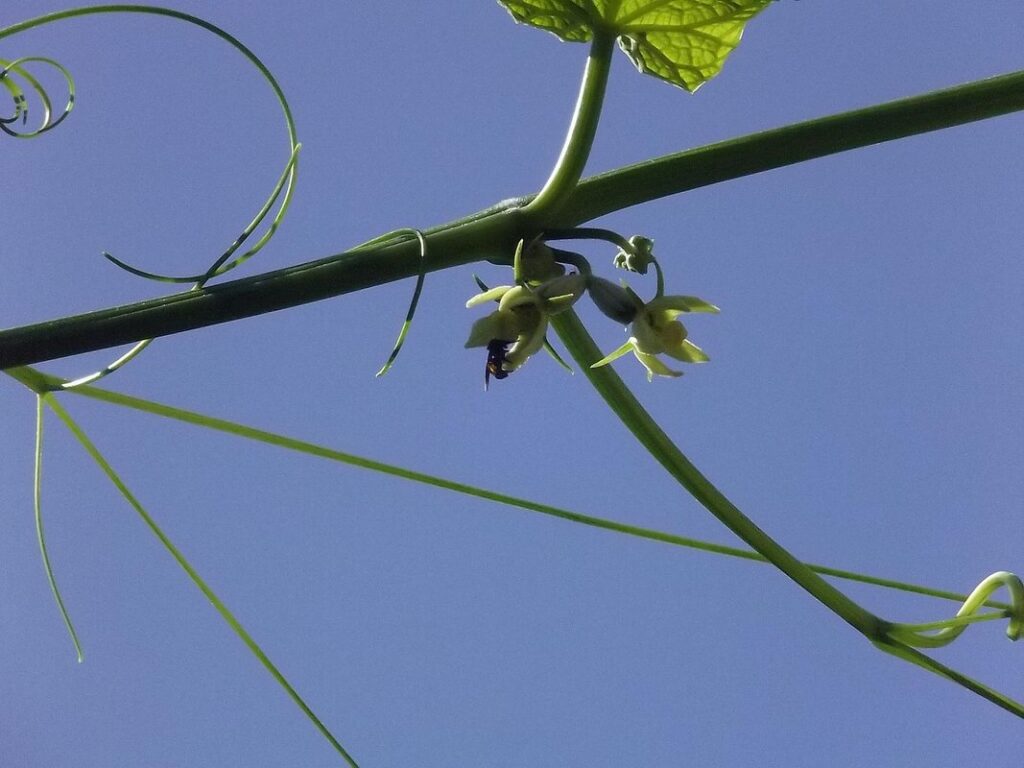
Understanding Chayote and its Benefits
Before we dive into growing chayote, it’s essential to understand what this versatile vegetable is and how it can benefit your health. Let’s explore its unique characteristics and advantages.
What is Chayote?
Chayote is a unique and versatile vegetable that has been a staple in many cultures for centuries. Its botanical name is Sechium edule, which might not ring a bell, but its nickname “vegetable pear” certainly will. This refers to the fruit’s shape, which resembles a small, green pear with a smooth skin.
Native to Mesoamerica, chayote has been cultivated since pre-Columbian times and was even considered a delicacy by the Aztecs and Mayans. Today, it’s grown in many parts of the world, including Central and South America, Asia, and the southern United States. Chayote is a vining plant that thrives in warm weather and well-drained soil, making it an ideal crop for gardeners with mild winters.
When choosing a chayote variety, look for ones that are disease-resistant and suitable for your climate. In some regions, chayote is grown as a perennial, while in others it’s treated as an annual. Whichever method you choose, make sure to provide the plant with sufficient sunlight (at least 6 hours of direct sun) and regular watering.
Nutritional Value and Health Benefits
Chayote is not only an easy-to-grow vegetable but also packed with nutrients that offer numerous health benefits. One medium-sized chayote provides a significant amount of vitamin C, potassium, and fiber, making it an excellent addition to a healthy diet.
The high water content in chayotes makes them an ideal snack for hydration. Chayote is also rich in antioxidants like beta-carotene and lutein, which help protect the eyes from damage caused by free radicals. These compounds have anti-inflammatory properties that may reduce the risk of chronic diseases such as heart disease and diabetes.
Consuming chayote has been linked to improved digestion due to its high fiber content. A diet rich in fiber can regulate bowel movements, prevent constipation, and support healthy gut bacteria. Chayotes also contain various minerals like magnesium and phosphorus that contribute to bone health and immune function. To maximize the nutritional benefits of chayote, cook it lightly or enjoy it raw in salads. You can also use its seeds as a natural remedy for digestive issues.
A single serving of cooked chayote provides about 20% of the recommended daily intake of vitamin C. This essential nutrient plays a vital role in immune function and collagen production. With its impressive nutritional profile, incorporating chayotes into your diet is an excellent way to support overall well-being.
Choosing the Right Chayote Variety
When it comes to growing chayote, selecting the right variety is crucial for optimal results. Let’s explore the different options available and what they have to offer in terms of flavor and productivity.
Types of Chayote
When it comes to growing chayote, choosing the right variety can make all the difference. There are several types of chayotes available, each with its unique characteristics and growth habits.
One popular variety is ‘Lubert’, which is widely grown in the United States. This type tends to have a more compact growth habit, making it ideal for smaller gardens or containers. The fruit of the ‘Lubert’ variety is also relatively small, measuring around 2-3 inches in diameter, and has a sweeter flavor profile compared to other types.
Other notable varieties include ‘Zaboca’, which is known for its larger fruit size (up to 4 inches in diameter) and more vigorous growth habit. This type is often preferred by commercial growers due to its high yields and better disease resistance. Meanwhile, the ‘Monterrey’ variety has a unique sweet-and-sour flavor profile, making it a favorite among chefs and home cooks.
When selecting a chayote variety for your garden, consider factors such as climate, space constraints, and desired fruit size. By choosing the right type of chayote, you’ll be well on your way to enjoying a bountiful harvest of this versatile and nutritious vegetable.
Characteristics of a Healthy Chayote Plant
A healthy chayote plant is one of the most critical factors in determining the success of your harvest. To identify a thriving plant, look for robust leaf growth, which should be dark green and have a glossy appearance. The leaves should be a moderate size, not too small or spindly, indicating that the plant has sufficient nutrients and water.
Inspect the fruit itself, paying attention to the skin’s firmness. A healthy chayote fruit will have a smooth, glossy skin that is free of soft spots or blemishes. Avoid plants with fruits that are misshapen or discolored, as these can be signs of disease or pests.
Another key characteristic of a healthy chayote plant is its freedom from pests and diseases. Check the leaves for any signs of infestation, such as white powdery patches or tiny eggs on the underside. Also, inspect the fruit for any visible damage or fungal growth. A pest- or disease-free plant will have a higher chance of producing healthy fruits and surviving environmental stressors.
Preparing the Soil for Chayote Growth
Before planting chayote, it’s essential to prepare your soil by loosening and aerating it to create a healthy environment for your vines to thrive in. Let’s explore how to do this effectively.
Soil Requirements
When it comes to growing chayote, having the right soil conditions is crucial for optimal growth. Chayote prefers well-draining, rich soil with a slightly acidic pH level between 6.0 and 7.0. If your soil’s pH level is too high or too low, it can lead to nutrient deficiencies, affecting the plant’s ability to absorb essential nutrients.
To achieve the right nutrient balance, aim for a mix of organic matter like compost, manure, or peat moss that provides a rich source of nitrogen, phosphorus, and potassium. Chayote also benefits from calcium, magnesium, and sulfur, so incorporate these elements into your soil as well.
Chayote plants require consistent moisture levels throughout the growing season. Soil with good water-holding capacity will help regulate watering schedules, reducing the risk of overwatering or underwatering. Consider adding perlite or vermiculite to improve drainage and prevent waterlogged soil conditions. This will ensure that your chayote plant receives the necessary nutrients and support for healthy growth throughout its life cycle.
Companion Planting for Improved Yields
Companion planting is an effective technique to boost chayote yields while minimizing pests and diseases. By strategically combining chayote with other plants, you can create a thriving ecosystem that benefits all participating vegetables. Nasturtiums, for instance, repel aphids and whiteflies, which are notorious pests of the chayote plant.
Basil and dill also complement chayote growth by improving air circulation around the plant, reducing the risk of fungal diseases. Tomatoes and cucumbers benefit from being planted alongside chayote as they provide shade for younger plants during hot summer days. Chives, meanwhile, release nutrients into the soil that promote healthy chayote root development.
To implement companion planting effectively, begin by selecting a diverse mix of vegetables that thrive in your region’s climate and soil type. Plant them around the perimeter of your chayote bed to create a protective barrier against pests. Keep in mind that companion planting is an art, not a science – experiment with different combinations to find what works best for you.
When choosing companion plants, consider their growth habits and space requirements to avoid overcrowding your garden beds.
Planting and Caring for Chayote
To successfully grow chayote, you need to understand how to properly plant and care for it, including ideal soil conditions and regular maintenance. This section will walk you through those essential steps.
When to Plant Chayote
When planting chayote, timing is crucial to ensure a successful harvest. The ideal time to plant chayote depends on your region’s climate, temperature, and frost patterns.
In regions with mild winters, such as southern California or Florida, you can plant chayote year-round. In these areas, the soil remains warm enough for the vine to thrive, and frost is rare. Simply choose a location with full sun and well-draining soil, and plant your chayote seedling 1-2 feet deep in late winter or early spring.
For regions with cooler winters, like the Midwest or Northeast, it’s best to wait until last frost date has passed before planting. This ensures that the vine is not damaged by sudden frosts. In these areas, plant chayote in early spring or late summer for a fall harvest. Be sure to check your local weather forecast and plant accordingly.
In tropical regions with high humidity, like Hawaii or Puerto Rico, it’s essential to plant chayote during the dry season. This will help prevent root rot and ensure healthy growth.
In areas with cold winters, such as the Pacific Northwest or UK, you can start chayote indoors 4-6 weeks before the last frost date. This allows the vine to get a head start on the growing season.
Watering and Fertilization Needs
Chayote plants thrive when given consistent moisture and balanced fertilization. Water your chayote plant deeply once a week during its first year of growth, ensuring the soil is moist but not waterlogged. As the plant matures, reduce watering to every 10-14 days, allowing the top inch of soil to dry out between waterings.
Organic fertilizers like compost tea or fish emulsion are excellent choices for chayote plants. These products promote healthy microbial activity in the soil and provide essential nutrients without burning your plant’s roots. For a more intense fertilizer boost, apply synthetic options like 10-10-10 NPK (nitrogen-phosphorus-potassium) once every two weeks during the growing season.
When applying fertilizers, follow these guidelines: dilute organic products according to their instructions and spray them on the leaves as well as the soil. For synthetic options, mix them with water at half the recommended strength to avoid over-fertilizing. Monitor your plant’s response and adjust your fertilization schedule accordingly – if you notice signs of nutrient deficiencies or toxicity, adjust your feeding plan.
Be mindful that chayote plants are sensitive to high levels of nitrogen, so aim for balanced fertilizers rich in phosphorus and potassium.
Training and Pruning Chayote Vines
Now that you have your chayote plant growing, it’s essential to learn how to train its vines for optimal growth and fruit production. Let’s dive into the specifics of training and pruning these versatile plants.
Supporting the Vine
As your chayote vine begins to climb, it will need some support to maintain its shape and encourage upward growth. This is where trellises or stakes come into play. Chayote vines can grow quite long, up to 10 feet or more, so having a sturdy structure in place will help keep them under control.
Start by installing a trellis or stake near the base of your chayote plant. You can use wooden or metal stakes, or even a tomato cage as a makeshift solution. Make sure it’s at least 6-8 feet tall to give your vine enough room to grow.
As your vine begins to climb, gently tie its stems to the trellis using soft materials like twine or cloth. This will help train the plant to grow upwards and outwards, rather than sprawling across the ground. Be sure to check on your plant regularly and adjust the ties as needed to ensure it’s growing in the desired direction.
With a little patience and some basic support, you’ll be enjoying a lush, healthy chayote vine in no time.
Pruning Techniques for Better Fruiting
Pruning your chayote vine is an essential part of promoting healthy fruit production. The right pruning techniques can encourage a robust and thriving plant that produces plenty of delicious fruits. When to prune your chayote vine is crucial – ideally, you should do it during the dormant season or after harvesting in late summer or early fall.
When removing branches, use sharp and clean pruners or loppers to prevent damaging the bark and promoting disease. Cut back any weak or spindly growth, as well as any dead or diseased wood. This will help direct the plant’s energy towards producing fruit rather than excessive foliage.
In particular, aim to remove around 1/3 to 1/2 of the plant’s branches each year. This will encourage new growth and prevent the vine from becoming too leggy. You can also thin out the center of the plant to allow more sunlight to reach the inner branches, which can help improve fruit set and quality.
By pruning your chayote vine correctly, you’ll be rewarded with a healthier, more productive plant that yields plenty of delicious fruits.
Pest and Disease Management
As you cultivate your chayote plants, keeping pests and diseases at bay is crucial for a healthy harvest. We’ll walk you through common issues to watch out for and how to tackle them effectively.
Common Pests Affecting Chayote
When growing chayote, it’s essential to be aware of common pests that can damage your plants. Aphids, whiteflies, and spider mites are three primary culprits that target chayote. These tiny insects feed on sap, causing curled or distorted leaves, stunted growth, and reduced yields.
Aphids, in particular, are notorious for their sticky honeydew secretions, which can attract other pests and promote fungal growth. To manage aphid infestations, use neem oil or insecticidal soap to control populations. You can also introduce natural predators like ladybugs or lacewings to your garden.
Whiteflies and spider mites are more challenging to detect, but their presence is often indicated by fine webbing on plant surfaces. Isolate infected plants to prevent the spread of these pests, and use a mixture of water and mild dish soap to control infestations. Regularly inspecting your chayote plants and taking prompt action can help minimize damage from these common pests.
To adopt an integrated pest management (IPM) approach, combine physical barriers with cultural controls, such as pruning infested areas or adjusting irrigation schedules. By adopting a proactive stance against pests, you’ll reduce reliance on chemical pesticides and promote a healthier garden ecosystem.
Common Diseases and Their Prevention
Chayote is susceptible to several diseases that can impact its yield and overall health. Among the most prevalent ones are powdery mildew, root rot, and bacterial wilt.
Powdery mildew causes white patches on the leaves and stems, while root rot leads to softening of the stem near the soil line. Bacterial wilt, on the other hand, is identified by yellowing or wilting of the plant. These diseases can be prevented through good agricultural practices such as ensuring proper drainage and sunlight exposure.
Early detection is also crucial in preventing further damage. For instance, inspect your plants regularly for any signs of disease, such as white patches or softening of stems. If you notice any issues, treat them promptly with fungicides or bactericides. Maintain a clean growing environment by disposing of infected plants to prevent the spread of diseases.
To minimize the risk of infection, make sure to disinfect your tools and equipment regularly. Also, rotate your crop seasonally to avoid depleting the soil’s nutrient reserves and promoting disease development. This can be achieved through simple techniques like crop rotation and companion planting.
Harvesting Chayote Fruits
Now that your chayote vines are producing, it’s time to harvest those delicious fruits at the optimal stage of ripeness for maximum flavor and nutrition. This section will walk you through the process step by step.
Checking for Ripeness
When harvesting chayote fruits, it’s essential to check for ripeness to ensure they’re picked at their optimal stage. One way to determine if a chayote is ripe is by observing the color change. Typically, a ripe chayote will turn from green to a more yellowish or cream-colored hue.
However, not all chayotes will follow this exact color pattern. Some may remain mostly green even when fully ripe. To accurately gauge ripeness, gently press your thumb against the skin of the fruit. A ripe chayote should yield slightly to pressure but still have some firmness to it. Avoid squeezing too hard, as this can cause damage.
Another factor to consider is the softening of the skin. As a chayote ripens, its skin will soften and become more pliable. Be cautious not to confuse this with spoilage, which can lead to rotting. If you’re still unsure about the ripeness of your chayotes, gently sniff the fruit. A ripe chayote typically has a sweet, slightly musky aroma.
It’s worth noting that chayotes continue to ripen after being picked, so even if they seem unripe at harvest time, they will eventually become edible and tender.
Tips for Handling and Storing Chayote
When you’ve harvested your chayotes, it’s essential to handle and store them properly to maintain their quality and shelf life. Start by gently washing the fruits with cool water to remove any dirt or debris. Gently scrubbing the skin with a vegetable brush can also help remove any stubborn dirt.
After washing, dry the chayotes thoroughly using a clean towel or paper towels. This helps prevent moisture from accumulating and promoting fungal growth. You can store them at room temperature for up to 2-3 days in a cool, well-ventilated area, away from direct sunlight.
For longer storage, refrigerate the chayotes at a consistent temperature below 40°F (4°C). Wrap each fruit individually in plastic wrap or aluminum foil and place them in a sealed container or bag. You can store them for up to 2 weeks in the refrigerator. Keep in mind that refrigeration slows down ripening, so it’s best to check on them periodically to prevent over-ripening.
When storing chayotes, avoid washing them before refrigerating, as excess moisture can lead to spoilage.
Conclusion: Growing Chayote Successfully
Growing chayote successfully is largely dependent on providing optimal growing conditions. By carefully selecting a suitable variety, preparing a well-draining potting mix, and maintaining consistent moisture levels, you can enjoy a bountiful harvest. It’s also essential to ensure that your chayote plant receives sufficient sunlight, typically six hours of direct sunlight per day. Additionally, be mindful of temperature fluctuations, as chayote prefers warmer temperatures between 65°F to 75°F (18°C to 24°C). With proper care and attention, you can successfully cultivate this versatile vegetable and enjoy its numerous health benefits.
By following these guidelines and tips, you should be well on your way to growing delicious and nutritious chayote. Don’t hesitate to experiment with different varieties or growing methods to find what works best for you.
Frequently Asked Questions
Can I grow chayote in a container if I don’t have a garden space?
Yes, you can grow chayote in containers on balconies or patios as long as they provide enough sunlight and warmth. Choose a container that is at least 12 inches deep to accommodate the taproot of the plant.
What’s the ideal climate for growing chayote?
Chayote prefers a subtropical or tropical climate with average temperatures between 64°F and 90°F (18°C and 32°C). It can tolerate some frost but will not produce well in areas with prolonged cold snaps. If you live in an area with chilly winters, consider growing it as a summer crop.
How often should I water my chayote plant?
Water your chayote plant regularly, keeping the soil consistently moist but not waterlogged. Aim for about 1-2 inches of water per week, either from rainfall or irrigation. Reduce watering during winter months when the plant is dormant.
Can I grow multiple varieties of chayote together in the same bed?
While it’s technically possible to grow different types of chayote together, doing so may lead to cross-pollination and a loss of desired traits. For best results, separate each variety into its own bed or container to preserve their unique characteristics.
What should I do if my chayote vines become infested with pests like aphids or whiteflies?
Regularly inspect your plants for signs of pest infestation. If you detect any issues, treat the affected areas promptly with neem oil or insecticidal soap. Prune infected sections to prevent the problem from spreading and ensure proper air circulation around the plant.