
Growing your own chickpeas can be a rewarding experience, especially when you consider how nutritious and versatile they are. Whether you’re a seasoned gardener or just starting out, learning to grow chickpeas from seed to harvest can seem like a daunting task. But with the right guidance, anyone can cultivate these protein-packed legumes in their backyard.
In this comprehensive guide, we’ll take you through every step of the process, from preparing the soil and planting the seeds to managing pests and ensuring a successful harvest. We’ll share expert tips on irrigation, fertilization, and crop rotation to help you achieve optimal yields. By following our advice, you’ll be able to grow chickpeas with ease and enjoy the satisfaction of harvesting your own homegrown legumes.
Understanding Chickpea Basics
To get started with growing chickpeas, it’s essential to understand their basic needs and requirements. Let’s dive into the fundamental aspects of chickpea cultivation that will set you up for success.
Overview of Chickpeas and Their Importance
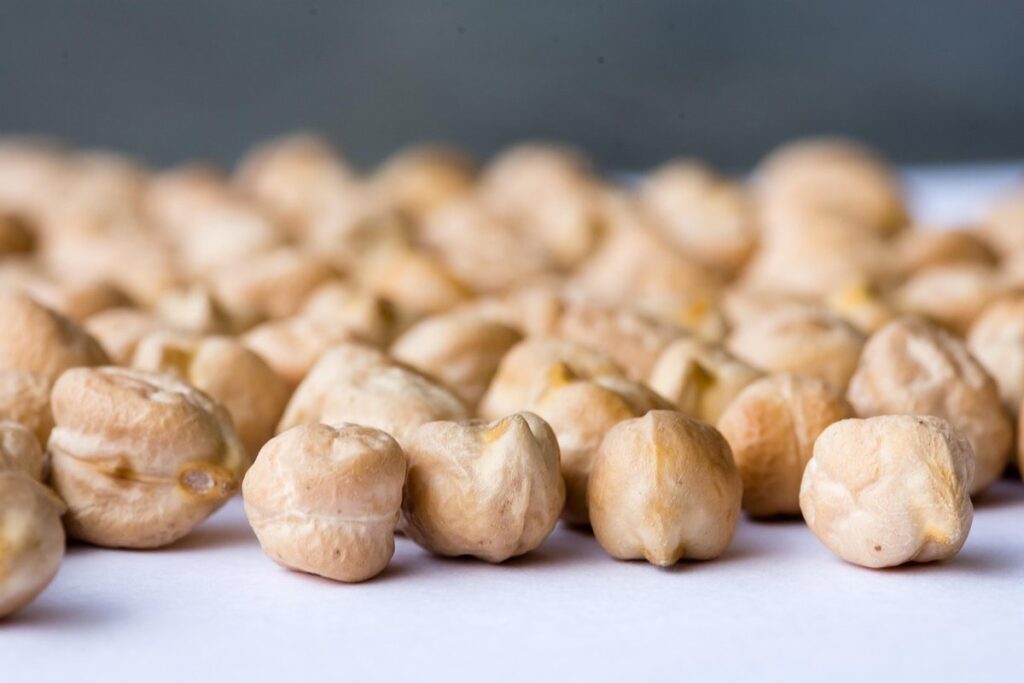
Chickpeas are one of the most versatile and nutritious legumes available to gardeners. Not only do they provide a rich source of plant-based protein, fiber, and essential minerals like potassium and iron, but they’re also incredibly easy to incorporate into a variety of dishes. Whether you’re a seasoned chef or just starting out in the kitchen, chickpeas are an excellent addition to salads, stir-fries, stews, and even as a standalone snack.
As the demand for plant-based protein continues to rise, chickpeas have become increasingly popular among health-conscious consumers. According to market research, global chickpea sales have seen a significant increase over the past five years, with no signs of slowing down. This is largely due to their versatility and adaptability in modern cuisine.
Incorporating chickpeas into your garden can be a rewarding experience, not only for their high yield but also for the environmental benefits they provide as a nitrogen-fixing crop. With proper care and attention, you’ll be enjoying fresh, homegrown chickpeas in no time – perfect for adding to your favorite recipes or experimenting with new ones!
Choosing the Right Variety for Your Climate
When selecting a chickpea variety for your garden, it’s essential to consider the climate and region you’re growing in. Different varieties have unique growth habits, maturity dates, and disease resistances that can impact their performance in specific conditions.
For example, some popular chickpea varieties include ‘Sonata’, ‘CDC Frontier’, and ‘CDC Strider’. ‘Sonata’ is a compact variety suitable for cooler climates with short growing seasons, while ‘CDC Frontier’ is more tolerant of heat and drought. ‘CDC Strider’ excels in warmer climates with well-drained soil.
When choosing a variety, consider the average temperature, rainfall, and frost patterns in your area. Cooler climates require early-maturing varieties to ensure harvest before winter sets in. Warmer climates can opt for longer-season varieties that thrive in hotter temperatures. Research local nurseries or extension services for region-specific recommendations on chickpea varieties. By selecting a suitable variety, you’ll set yourself up for success and maximize your crop’s potential.
Preparing the Soil for Chickpea Planting
Before planting chickpeas, it’s essential to prepare your soil properly. This includes loosening compacted soil and adjusting its pH levels for optimal growth.
Soil Requirements for Optimal Growth
When it comes to growing chickpeas, the right soil conditions are crucial for optimal growth. The ideal soil pH for chickpea cultivation ranges between 6.0 and 7.0, making it suitable for most temperate regions. However, if you live in an area with acidic or alkaline soils, adjustments can be made to create a conducive environment.
Chickpeas require a balanced nutrient profile to thrive. They are heavy feeders, meaning they need adequate amounts of nitrogen (N), phosphorus (P), and potassium (K). Aim for a soil test result showing 150-200 ppm N, 20-40 ppm P, and 100-150 ppm K. Legumes like chickpeas have the unique ability to fix atmospheric nitrogen through symbiotic relationships with Rhizobia bacteria, but they still require supplementary nutrients.
To ensure your soil meets these requirements, consider incorporating compost or well-rotted manure to enrich its fertility. Mulching also helps retain moisture and suppress weeds, reducing the need for herbicides.
Testing and Amending Your Soil
Testing and amending your soil is an essential step before planting chickpeas. Chickpeas require a specific set of conditions to grow well, including optimal pH levels, adequate nutrient supply, and proper water retention. To determine if your soil meets these requirements, it’s crucial to test it.
You can purchase a DIY soil testing kit or send a sample to a lab for analysis. A comprehensive soil test will provide information on pH levels, nutrient deficiencies, and contaminants like lead and mercury. Based on the results, you may need to make adjustments.
Common issues that might arise from soil testing include low nitrogen levels, high salt content, or an imbalanced pH. For instance, if your soil is too alkaline (above 7.0), it can hinder nutrient uptake by chickpeas. To correct this, add sulfur to lower the pH and improve nutrient availability.
To implement necessary amendments, consider adding compost or well-rotted manure to enrich the soil with organic matter. This will also help improve water retention and structure. It’s essential to follow the recommended application rates for any amendments to avoid over-fertilizing, which can be detrimental to your plants.
Sowing Chickpeas: Tips and Tricks
When it comes to sowing chickpeas, getting it right is crucial for a bountiful harvest. Let’s dive into some expert tips to help you plant these nutrient-rich legumes successfully.
Timing and Spacing for Maximum Yield
When it comes to growing chickpeas, timing and spacing are crucial for maximizing yield. The ideal time to plant chickpeas depends on your region’s climate. In temperate climates, spring planting typically occurs from late March to early May, while summer planting takes place from June to August. For regions with mild winters, fall planting can be done from September to November.
In terms of spacing, a general rule of thumb is to plant chickpeas 20-30 centimeters apart in rows that are spaced about 60-80 centimeters apart. This allows for proper air circulation and sunlight penetration, which helps prevent disease and promotes healthy growth. You can also consider using a companion planting technique by interspersing other plants like radishes or nasturtiums between the chickpea rows to deter pests.
To further optimize yield, consider staggering your plantings over several weeks rather than all at once. This approach helps distribute the risk of crop failure due to weather events or pests and ensures that you’ll have a steady harvest throughout the season. By paying attention to these timing and spacing factors, you can set yourself up for success and enjoy a bountiful chickpea harvest.
Sowing Methods: Direct Seeding vs. Transplanting
When it comes to sowing chickpeas, you have two main methods to choose from: direct seeding and transplanting. Both methods have their pros and cons, which we’ll discuss below.
Direct Seeding:
This method involves sowing chickpea seeds directly into the ground where they will mature. It’s a straightforward process that requires minimal effort. The advantages of direct seeding include faster establishment of plants, reduced risk of root damage, and easier crop management. However, it can be challenging to achieve uniform seed germination, which may lead to uneven growth.
Transplanting:
On the other hand, transplanting involves growing chickpea seedlings in pots or trays before transferring them to the final planting location. This method offers more control over soil quality, temperature, and moisture levels, leading to healthier plants. Transplanting also allows for greater flexibility in crop rotation and pest management. Nevertheless, it requires more labor and resources, including potting mix, containers, and a greenhouse or nursery space.
Ultimately, the choice between direct seeding and transplanting depends on your specific growing conditions, experience level, and available resources. If you’re short on time or have limited expertise, direct seeding might be the way to go. However, if you’re willing to invest in equipment and labor, transplanting can yield more consistent results and better crop quality.
Caring for Your Chickpea Crop
Now that you’ve successfully grown your chickpea crop, it’s time to focus on caring for them to ensure a bountiful harvest and healthy plants. This section will cover essential tips for maintaining your chickpeas throughout their growth cycle.
Irrigation Strategies for Healthy Growth
Proper irrigation is crucial for promoting healthy growth and maximizing yields in chickpea crops. Chickpeas are drought-tolerant but will still require adequate moisture levels to thrive. One effective method of irrigation is drip irrigation, which delivers water directly to the roots, reducing evaporation and runoff.
To monitor soil moisture levels, use a soil probe or moisture meter to check the depth at which the crop’s roots have developed. Aim for about 10-15 inches (25-38 cm) below the surface, where the majority of chickpea roots reside. This will help you avoid overwatering, which can lead to fungal diseases and root rot.
As a general rule, chickpeas require about 1-2 inches (2.5-5 cm) of water per week during vegetative growth, decreasing slightly during reproductive stages. It’s also essential to maintain soil moisture consistency by spreading out irrigation sessions rather than watering in single large events. This approach encourages healthy root development and enhances drought tolerance.
Managing Pests and Diseases in Your Chickpea Field
Chickpea farmers often face challenges from pests and diseases that can significantly impact yields and crop quality. Some common pests affecting chickpeas include the aphid, whitefly, and spider mite, which can be controlled using neem oil or insecticidal soap.
Diseases such as powdery mildew, fusarium wilt, and ascochyta blight are also prevalent in chickpea fields. These diseases can be managed through integrated pest management (IPM) techniques that combine physical barriers, crop rotation, and biofertilizers to promote plant health. For instance, applying a mixture of Trichoderma harzianum and Bacillus subtilis as a foliar spray has been shown to enhance plant defense mechanisms.
To manage pests and diseases effectively, it’s essential to monitor your field regularly for signs of infestation or infection. Keep a record of weather patterns, soil conditions, and pest activity to inform your management decisions. By adopting an IPM approach and using organic or integrated methods, you can reduce chemical usage and maintain the long-term health of your chickpea crop.
Harvesting and Processing Chickpeas
Now that your chickpea plants have matured, it’s time to carefully harvest them, followed by the processing steps to turn them into delicious, nutritious pods. Let’s walk through the process together!
Determining the Optimal Harvest Time
Determining the optimal harvest time for chickpeas is crucial to ensure maximum yields and quality. One of the most reliable signs is flower drop, where mature flowers fall off the plant as seeds begin to form. This process usually occurs 10-14 days before the pods reach full maturity.
Another indicator is seed maturity, which can be assessed by checking for plump, firm seeds within the pods. Gently press a pod between your fingers; if it’s dry and crackly, with visible cracks on the surface, it’s ready to harvest. On the other hand, if the pod still feels moist and pliable, wait another week or two.
As the plant matures, the pods will turn from green to light brown, losing their moisture content. This is a good indication that they’re ready for harvesting. Be mindful of weather conditions; avoid harvesting during heavy rain or extreme temperatures, as this can damage the crop.
Drying and Storage Techniques for Fresh Chickpeas
When it’s time to harvest your fresh chickpeas, proper drying and storage techniques are crucial to preserving their quality and nutritional value. Air drying is a simple and cost-effective method that involves spreading the harvested beans out in a single layer on a clean surface, such as a towel or tray. This process can take several days to a week, depending on the humidity level in your area.
Using a dehydrator is another effective way to dry fresh chickpeas quickly and evenly. Set the temperature between 135°F and 140°F (57°C – 60°C) to prevent overheating, which can cause loss of flavor and nutrients. Dehydration typically takes around 6-8 hours, but this may vary depending on the dehydrator model.
Once your chickpeas are dry, store them in airtight containers to maintain their freshness. You can also freeze them for longer-term storage by placing the dried beans in an airtight bag or container and storing them in the freezer at 0°F (-18°C) or below. Proper drying and storage will help extend the shelf life of your fresh chickpeas and keep them ready for use in your favorite recipes.
Troubleshooting Common Issues in Chickpea Cultivation
Growing chickpeas can be a rewarding experience, but things don’t always go as planned. This section will help you identify and resolve common problems that might arise during your chickpea cultivation journey.
Identifying and Addressing Common Problems
As you embark on growing chickpeas, it’s not uncommon to encounter some common issues that can impact your yield and overall success. Some of the most prevalent problems faced by chickpea farmers include poor germination rates, reduced yields, and soil-borne diseases.
Poor germination rates often stem from inadequate soil moisture or temperature fluctuations. To mitigate this, ensure that you maintain consistent soil temperatures between 60°F to 70°F (15°C to 21°C) during sowing. You can also try pre-soaking your chickpea seeds in water for 24 hours before planting.
Reduced yields can be caused by factors such as inadequate fertilization or pest infestations. Regularly monitor your crop’s nitrogen levels and adjust your fertilizing schedule accordingly. Keep an eye out for signs of pests like aphids, whiteflies, and spider mites, and use organic or integrated pest management (IPM) methods to control their populations.
To address soil-borne diseases like fusarium wilt and powdery mildew, adopt crop rotation practices, maintain good sanitation, and use resistant varieties. These simple measures can significantly improve your chances of a successful chickpea harvest.
Implementing Preventative Measures for Future Crops
To ensure that future crops of chickpeas are thriving and healthy, it’s essential to implement preventative measures. Crop rotation is a crucial strategy for maintaining soil health and preventing pests and diseases from building up over time. Consider rotating chickpeas with other legumes like beans or lentils, as well as non-legume crops such as corn or wheat.
Soil conservation practices are also vital in maintaining the fertility of your land. Mulching, cover cropping, and reduced tillage can all help to retain moisture, suppress weeds, and reduce erosion. For example, incorporating a leguminous cover crop like clover into your rotation can fix nitrogen in the soil, reducing the need for synthetic fertilizers.
Another key aspect is monitoring weather patterns and taking steps to mitigate potential damage from extreme temperatures or precipitation. This may involve using row covers to protect against frost, or installing drip irrigation systems to conserve water during dry spells. By proactively addressing these potential issues, you can minimize losses and ensure a bountiful harvest in the years to come.
Frequently Asked Questions
How do I know if my chickpea crop is ready for harvest?
Check the pods regularly, as they should turn from green to a light brown or beige color when ripe. Gently squeeze the pod; if it’s easily breakable and the chickpeas inside are firm but not hard, it’s time to harvest.
What can I do to prevent pests from damaging my chickpea crop?
Implement preventative measures such as crop rotation, using organic pest control methods like neem oil or soap solution, and keeping your field free of debris. Regularly inspect your plants for signs of infestation and address any issues promptly.
Can I grow chickpeas in containers or are they only suitable for large gardens?
Chickpeas can be grown in containers, but make sure the container is at least 12 inches deep to accommodate the taproot. Use a well-draining potting mix and ensure the container has enough room for the plants’ mature size.
How do I store dried chickpeas properly to maintain their nutritional value?
Store dried chickpeas in an airtight container in a cool, dry place such as a pantry or cupboard. Keep them away from direct sunlight and moisture. It’s also essential to check on them periodically for any signs of spoilage.
Can I replant the same variety of chickpeas year after year without risking disease or pest buildup?
It’s recommended to rotate your crop annually to prevent the buildup of diseases and pests that can be specific to certain varieties. Consider planting a different type of legume in its place during off-seasons to maintain soil health and reduce the risk of infestation.