
When you spot one slimy creature making its way across your garden path, do you know whether to call it a snail or a slug? While both may seem like pests to some, these gastropod friends play vital roles in maintaining healthy ecosystems. From their unique habitats and feeding habits to their fascinating reproduction cycles, there’s so much more to snails and slugs than meets the eye. As inhabitants of our gardens and forests, they contribute significantly to nutrient cycling and plant growth. In this article, we’ll delve into the world of snails and slugs, exploring their differences, habitats, and behaviors, as well as their essential functions in maintaining ecological balance. By understanding these slimy creatures better, we can appreciate their importance and perhaps adopt a more compassionate approach to managing them.
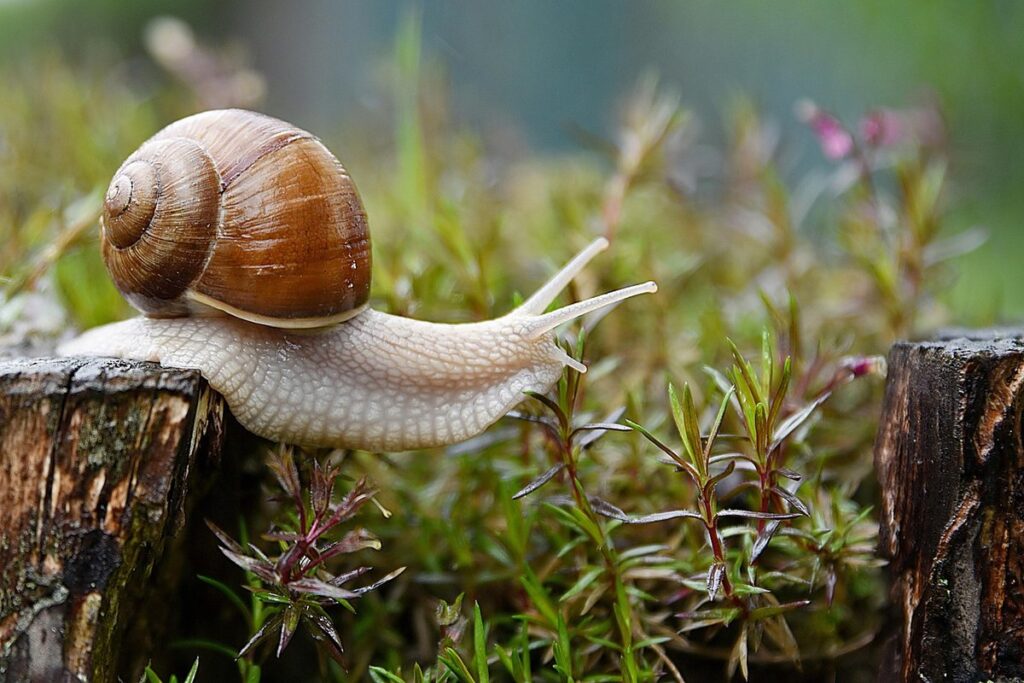
What are Snails and Slugs?
Let’s start at the beginning: what exactly are snails and slugs, and how do these slimy creatures fit into the animal kingdom. We’ll break down their basics.
Definition and Classification
So, what exactly are snails and slugs? Let’s start with the basics. Snails and slugs belong to the phylum Mollusca, a group of soft-bodied animals that also includes oysters, mussels, clams, squids, octopuses, and others. Within this phylum, snails and slugs fall under the class Gastropoda.
Gastropods are characterized by their single-shelled bodies and radula, a tongue-like structure with tiny teeth used for feeding. Snails have a hard shell that protects them from predators, whereas slugs do not have a visible shell. This difference in anatomy is due to their evolutionary history. Some species of snails lost their shells over time, resulting in the development of slugs.
There are many classifications within the Gastropoda class, including sea snails, land snails, and slug species. Snails can be further divided into two main categories: abalone and limpets, and pulmonate snails, which have a lung-like structure for breathing. Understanding these basic classifications will help you identify and distinguish between different types of snails and slugs in the wild or in your garden.
Physical Characteristics
When it comes to physical characteristics, snails and slugs share some similarities but also have distinct differences. One of the most notable differences is the presence of a shell. Snails have a protective shell that houses their internal organs, while slugs do not have a shell or have a greatly reduced one.
The shape of the foot is another key difference between the two. Snails have a broad foot with a flat base, which helps them to seal themselves within their shells for protection. In contrast, slugs have a longer and more pointed foot that allows them to move more efficiently without a shell. This unique foot shape also enables slugs to climb vertical surfaces and navigate complex terrain.
In terms of size, both snails and slugs can vary greatly in length, depending on the species. However, slugs tend to be larger than snails on average, with some species reaching lengths of up to 20 centimeters or more. Overall, understanding these physical characteristics is essential for accurately identifying and distinguishing between snails and slugs in the wild.
Habitat and Distribution
When it comes to snails and slugs, understanding where they live and thrive is crucial for spotting these slimy creatures. In their natural habitats, you can find them in a variety of environments.
Snail Habitats
When it comes to snail habitats, you’ll find these slimy creatures thriving in a variety of environments. Gardens are one of their favorite spots, particularly those with plenty of moisture and leafy greens like lettuce and spinach. Snails can be found crawling up the stems or munching on the leaves, leaving behind a trail of silvery slime.
In addition to gardens, snails also inhabit forests, where they make themselves at home in undergrowth and woodland edges. They’re often associated with damp areas like streams and riverbanks, as well as wetlands and marshes. These habitats provide them with an abundance of food and shelter, allowing them to thrive in a humid environment.
As you explore these habitats, keep an eye out for snail hideaways like rock crevices, log piles, or even under fallen leaves. Snails are skilled at finding tiny cracks and crevices where they can retreat from predators or hot weather. By understanding the types of environments that support snail populations, you’ll be better equipped to manage their presence in your own garden – whether you want to encourage or deter them.
Slug Habitats
Slugs are found in a variety of habitats, typically preferring damp and humid environments. These areas can be found in forests, gardens, and even backyards with rich soil and leaf litter. Leaf litter, in particular, provides an ideal habitat for slugs as it offers protection from the elements and a steady supply of food.
In addition to leaf litter, slugs are also known to inhabit underground burrows. These burrows can be complex networks of tunnels and chambers that provide shelter and protection from predators. Slugs will often line their burrows with mucus to keep them moist and comfortable.
When it comes to finding slug habitats, look for areas with high moisture levels, such as under rocks, logs, or other decaying plant matter. Be sure to check the undersides of plants, as slugs often hide in these areas during the day. By understanding where slugs live and thrive, you can take steps to prevent them from becoming a nuisance in your garden or yard. Regularly removing leaf litter and debris can help reduce slug populations by eliminating their preferred habitats.
Behavior and Lifestyle
When it comes to snails and slugs, their behavior and lifestyle can be quite fascinating, from their daily habits to how they interact with each other. Let’s take a closer look at these unique characteristics.
Snail Behavior
When it comes to understanding snail behavior, one of the most striking aspects is their nocturnal nature. Snails are most active at night, which is why you’re likely to catch them out and about under the cover of darkness. This is because their main predators, such as birds and hedgehogs, are diurnal, so by being active at night, snails can reduce their risk of being eaten.
In terms of feeding habits, snails are primarily herbivores, which means they feed on plants, algae, and lichens. They use their radula, a tongue-like structure with tiny teeth, to scrape up plant material from leaves, stems, and other surfaces. If you’re interested in keeping snails as pets, this is an important aspect of their behavior to understand – you’ll need to provide them with a diet rich in calcium and fiber.
Mating rituals in snails are also fascinating to observe. When a male snail finds a receptive female, he will deposit a spermatophore (a package of sperm) on the ground or on a surface nearby. The female then picks up this package using her foot and stores it in a special pouch until she’s ready to lay eggs. It’s worth noting that snails can store sperm for long periods, so mating is not always necessary for reproduction.
Slug Behavior
When it comes to slug behavior, one of their most distinctive features is their ability to move without shells. Unlike snails, which have a protective shell that they can retreat into for safety, slugs are more exposed and vulnerable to predators. However, this lack of a shell also allows them to be incredibly agile and mobile, making them well-suited to life in a variety of environments.
Slugs play a crucial role in many ecosystems, serving as both herbivores and nutrient vectors. They feed on plant matter, helping to break down organic material and recycle nutrients back into the soil. In addition, slugs are often an important food source for other animals, such as birds, hedgehogs, and small mammals.
Interestingly, slug behavior is also influenced by their environment. For example, some species of slugs are more active at night, while others prefer to move during the day. This nocturnal behavior allows them to avoid predators that are active during the day, providing an adaptive advantage in certain environments. By understanding these behaviors and needs, gardeners and naturalists can better appreciate the role of slugs in their ecosystems and take steps to conserve or manage slug populations effectively.
Diet and Nutrition
When it comes to maintaining a healthy snail or slug, proper diet and nutrition play a crucial role in their overall well-being and longevity. A balanced diet can help prevent common health issues.
Snail Diets
When it comes to snails’ diet, they are primarily herbivores, which means they feed on plant-based foods. Their favorite snacks include leaves, stems, and flowers from a variety of plants such as garden vegetables, fruits, and wildflowers. In fact, snails can eat up to 20-25% of their body weight in vegetation every day.
Snails have a unique way of eating by using their radula, which is a rough tongue-like structure with tiny teeth that helps them scrape off plant material. They tend to favor plants that are soft and easy to digest, such as lettuce, spinach, and hostas. However, they can also eat tougher materials like bean pods and corn husks.
To provide the best diet for your snails, you should offer a variety of leafy greens and vegetables in addition to their regular food sources. This will ensure they get all the necessary nutrients to stay healthy and thrive. It’s also essential to provide fresh water at all times and to maintain a clean environment by removing any rotting or moldy food sources that may harm them.
Slug Diets
Slugs are voracious eaters and will consume a wide range of plants to sustain themselves. Their diet includes leaves, stems, flowers, fruits, and even bark. In fact, slugs can be considered a significant pest for gardeners and farmers as they can cause substantial damage to crops. They have no natural predators in the wild and their ability to eat almost anything makes them a formidable force in many ecosystems.
In addition to plant matter, some slug species may also consume animal-based food sources such as decaying flesh or even live insects. This adaptability is likely due to their lack of a shell, which frees them from the constraints of digestive processes required for other mollusks. However, this flexibility comes at a cost: slugs are opportunistic feeders and will eat almost anything in their path.
To manage slug populations in your garden or agricultural setting, consider incorporating physical barriers such as copper tape or crushed eggshells to deter them from crossing over. You can also try using traps baited with fermented fruit to capture and remove slugs. Regularly monitoring your plants for signs of slug damage and taking prompt action will help mitigate the losses caused by these voracious eaters.
Reproduction and Life Cycle
Let’s dive into how snails and slugs reproduce, including the fascinating ways they mate, lay eggs, and care for their young. This process is unique to each species.
Snail Reproduction
Snails go through a complex reproductive process that’s essential for their survival and propagation. Mating rituals play a crucial role in this process. When a male snail is ready to mate, he will often search for a receptive female by following her pheromone trail. Once the pair finds each other, they’ll engage in a brief courtship dance, during which the male will deposit his sperm into the female’s genital pore.
After mating, the female snail will store the sperm in her body and use it to fertilize her eggs at a later time. This process is called “cross-fertilization.” The female snail can store sperm for several months, allowing her to control when she becomes pregnant. When she’s ready to lay eggs, she’ll search for a safe location with high humidity and adequate food sources.
The female snail will then deposit her eggs in this safe location, typically in a protected spot such as under a leaf or in a burrow. The number of eggs laid can vary greatly depending on factors like species, age, and environmental conditions. For example, some garden snails can lay up to 80 eggs at a time.
It’s worth noting that the reproductive habits of snails can be influenced by various factors such as diet, stress, and habitat quality. As a snail enthusiast or gardener, understanding these aspects can help you create an optimal environment for your snails to thrive in. By providing them with suitable conditions, you can encourage healthy reproduction and a strong population.
Slug Reproduction
When it comes to reproduction, slugs have some unique characteristics that set them apart from snails. Unlike snails, which rely on external fertilization, slugs can reproduce without the need for a mate. This process is called parthenogenesis, and it’s a common phenomenon among many species of mollusks.
In fact, some slug species are capable of self-fertilization, where they can produce viable offspring using only their own genetic material. This means that a single individual can potentially give rise to an entire population without the need for mate selection or fertilization.
However, it’s worth noting that parthenogenesis is not always 100% efficient, and the resulting offspring may be genetically identical to the parent. Nevertheless, this reproductive strategy allows slugs to quickly colonize new areas and adapt to changing environments, giving them a competitive edge over snails in some ecological niches.
Importance in Ecosystems
Snails and slugs play a vital role in ecosystems, serving as both decomposers and herbivores that help break down plant material and recycle nutrients. Let’s take a closer look at their importance.
Ecological Roles
In many ecosystems, snails and slugs are considered “keystone species” because of their crucial ecological roles. As primary consumers, they feed on plant matter, algae, and even other animals like insects and small vertebrates. This helps maintain the balance of vegetation growth, preventing any one species from dominating an area.
As a food source, snails and slugs are preyed upon by various predators such as birds, hedgehogs, and larger invertebrates. In turn, these predators help regulate snail and slug populations, maintaining their numbers within an ecosystem’s carrying capacity.
Snails and slugs also play a vital role in nutrient cycling, helping to break down organic matter and recycle nutrients back into the soil. As they feed on decaying plant material, they excrete a nutrient-rich waste that acts as a fertilizer for plants.
In gardens and farmland, snails and slugs can be seen as beneficial when their populations are balanced with natural predators or managed through integrated pest management techniques. By recognizing the important roles these mollusks play in ecosystems, we can develop more effective and sustainable ways to coexist with them.
Conservation Status
Conservation efforts for snails and slugs are crucial due to their vulnerability to environmental changes. Habitat destruction is a significant threat as natural habitats like forests, grasslands, and wetlands continue to shrink or disappear. Climate change also poses a substantial risk, particularly with rising temperatures altering soil chemistry and disrupting the delicate balance of ecosystems.
Many species of snails and slugs are already facing extinction due to these factors. For instance, the Roman snail (Helix pomatia) is listed as Vulnerable on the IUCN Red List, while the Spotted slug (Arion ater) is Near Threatened. Climate change also accelerates the spread of invasive species that compete with native snails and slugs for resources, further exacerbating the problem.
To contribute to conservation efforts, you can support organizations working to protect habitats and combat climate change. You can also make lifestyle changes by reducing your carbon footprint and using eco-friendly gardening practices that minimize habitat destruction. For gardeners, this may mean avoiding pesticides and herbicides that harm snails and slugs while creating a snail-friendly environment with appropriate food sources and shelter.
Frequently Asked Questions
How can I attract snails and slugs to my garden for nutrient cycling?
Attracting gastropods to your garden can be as simple as providing them with their preferred habitats and food sources. Plant species like hostas, astilbe, and sweet woodruff are favorite snacks for snails and slugs. Also, create a sheltered environment by incorporating native plants, rocks, or logs that provide hiding places.
Can I use commercial pest control methods to manage snail populations in my garden?
While it’s tempting to use chemical controls, these can harm beneficial insects and other wildlife. Instead, try physical barriers like copper tape around plant stems or hand-picking snails at night when they’re most active. This approach not only protects your plants but also maintains ecological balance.
How do I identify the difference between a snail and a slug in my garden?
Observe their physical characteristics: snails have a visible shell, while slugs are shell-less. Also, note that snails typically move slower than slugs due to their larger size and weight of their shells. If you still can’t tell, check for other signs like slime trails or the presence of a shell.
Can I raise snails or slugs as pets?
Some enthusiasts do keep gastropods as pets, but it’s essential to research local regulations first. Provide a suitable enclosure with adequate humidity and temperature control. Snails are relatively easier to care for, but slugs require more maintenance due to their sensitive skin.
How can I protect my garden plants from snail damage at night when they’re most active?
Implement a few preventive measures: cover vulnerable plants with fine mesh or fine-netted row covers, remove weeds that might provide shelter, and encourage beneficial insects like ground beetles and toads, which prey on slugs and snails.