
You’ve probably never heard of the thorn apple, but its history is as fascinating as it is complex. Belonging to the nightshade family, this plant has been used for centuries in various cultures for its medicinal and cosmetic properties. But beware: with great power comes great risk, and handling the thorn apple requires caution. From ancient civilizations that prized it for its curative powers to modern-day skincare products that harness its benefits, the thorn apple is an intriguing topic worthy of exploration. In this article, we’ll delve into the rich history of the thorn apple, uncover its uses in medicine and cosmetics, and discuss the essential safety guidelines you need to know when handling this versatile plant. By the end of it, you’ll have a deeper understanding of the thorn apple’s many facets – both beneficial and potentially hazardous.
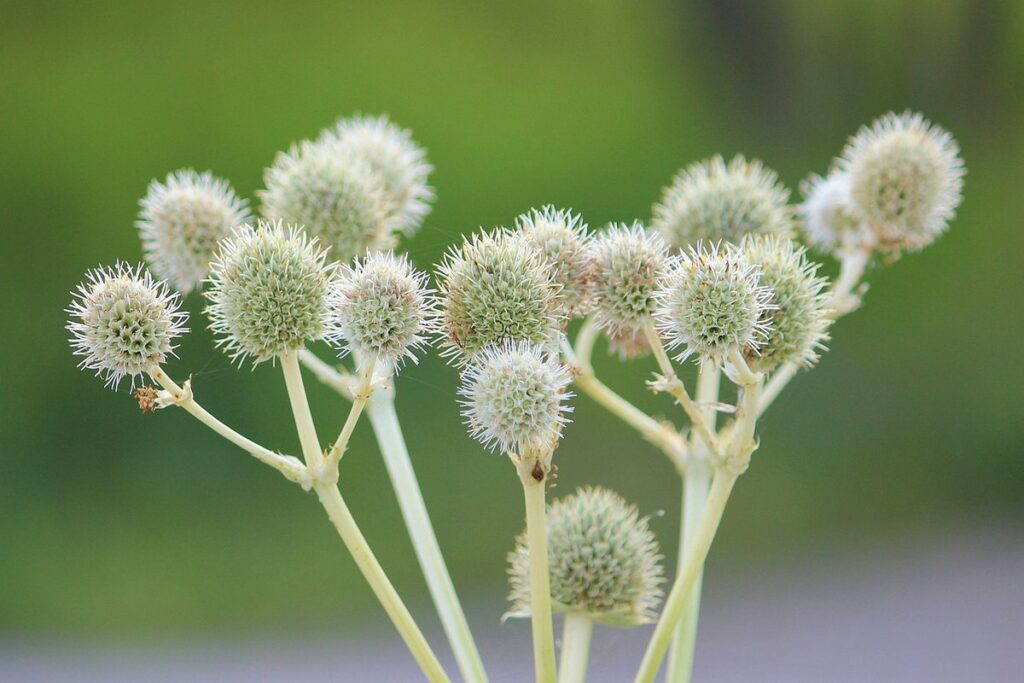
What is Thorn Apple?
Let’s start by taking a closer look at what thorn apple actually is, and how it fits into the broader world of plants and botanicals. We’ll explore its unique characteristics in detail here.
Definition and Classification
Thorn apple (Datura stramonium) belongs to the Solanaceae family and is commonly known by its synonyms Datura inoxia, Datura innoxia, or Jimsonweed. This classification puts it alongside other plants like tomatoes, peppers, and eggplants.
In terms of physical characteristics, thorn apple is a perennial plant that can grow up to 3 feet tall. Its stems are coarse and woody at the base, while its leaves are large and oval-shaped with a pointed tip. The leaves are also covered in tiny hairs that give them a soft texture. One of the most distinctive features of thorn apple is its flowers, which appear in clusters at the end of branches. These flowers are trumpet-shaped, white, and highly fragrant.
The plant produces seeds that contain the toxic alkaloid scopolamine, making it essential to handle thorn apple with care. Its physical characteristics can be deceiving, as they may lead you to mistake it for a harmless weed. However, its potential risks should not be underestimated, especially when handling the plant or consuming any of its parts.
Thorn apple’s classification is crucial in understanding its properties and how to use them safely. By knowing its botanical name and physical characteristics, you can identify it correctly and take necessary precautions.
Common Names and Variations
Thorn apple is known by various names across different regions and languages. In Europe, it’s commonly referred to as Datura stramonium or devil’s trumpet. The plant is also known as thorn apple or jimson weed due to its toxic properties and the prickly appearance of its fruit.
In some Asian cultures, the plant is called dhatu or dhatura. This variation in naming can sometimes lead to confusion, especially when dealing with herbal remedies or traditional medicine. For instance, in Ayurvedic medicine, Datura stramonium is used to treat fever and rheumatism, but it’s essential to exercise caution due to its toxicity.
In the United States, thorn apple is often associated with folklore and superstition. The plant was believed to have magical powers by some Native American tribes, who used it for spiritual purposes. However, its toxic alkaloids can be deadly in large quantities, making it a substance of interest for botanists and toxicologists alike.
When identifying or using thorn apple, it’s crucial to understand the various common names and variations within the species. This knowledge can help prevent misidentification and potential harm from consuming or handling the plant.
History and Cultural Significance
The thorn apple has a rich history that spans centuries, deeply intertwined with various cultures around the world. Let’s take a journey through its fascinating past.
Ancient Use and Folklore
Thorn apple has been used for centuries in ancient cultures for its medicinal and spiritual properties. In traditional Chinese medicine, it was known as “Lianhua Caizi” and used to treat a range of ailments from fever to rheumatism. The ancient Greeks and Romans also valued thorn apple for its antispasmodic and anti-inflammatory effects, using it to ease muscle cramps and joint pain.
In many cultures, thorn apple was believed to possess spiritual significance. In some African traditions, the plant is associated with protection and good fortune, while in others, it’s used in rituals to ward off evil spirits. For example, in some South American shamanic practices, thorn apple is used as a visionary plant to induce trance-like states for healing and divination.
It’s essential to note that while thorn apple has been used traditionally for its medicinal and spiritual properties, its use should be approached with caution due to its potential toxicity. If considering using thorn apple in any capacity, consult with an expert or healthcare professional first to ensure safe handling and preparation.
Modern Perception and Regulation
In modern times, society’s perception of thorn apple has undergone significant changes. What was once considered a valuable plant for its medicinal properties and traditional uses is now viewed with caution due to its toxic alkaloids. In many countries, regulation and prohibition of thorn apple have become more stringent.
For instance, in the United States, the plant is listed as a Schedule I controlled substance, making it extremely difficult to access or cultivate. Similarly, in some European countries, cultivation and trade of thorn apple are heavily restricted due to its potential for abuse and toxicity. This shift in perception can be attributed to increased awareness about the plant’s risks, particularly among young people.
Regulations vary across regions, but the consensus is clear: thorn apple should not be handled or consumed without proper knowledge and precautions. If you’re considering growing or using thorn apple, it’s essential to familiarize yourself with local laws and guidelines before proceeding.
Uses of Thorn Apple
Thorn apple has been utilized for centuries in various ways, from traditional medicine to folk remedies and even as a decorative plant. Let’s take a closer look at its most interesting uses.
Medicinal Properties and Preparations
The potential medicinal uses of thorn apple have been explored for centuries. Traditionally, it has been used to treat a range of ailments, from fever and rheumatism to skin conditions and snake bites. In Ayurvedic medicine, the plant’s leaves are used to make a paste that is applied topically to reduce inflammation and ease pain.
Modern scientific research has investigated the efficacy of thorn apple in treating various health conditions. Studies have shown that the plant contains compounds with antimicrobial, antifungal, and antioxidant properties. For example, one study found that an extract of thorn apple’s roots exhibited significant activity against certain bacteria and fungi. However, it is essential to note that more research is needed to fully understand the medicinal potential of thorn apple.
If you’re interested in trying thorn apple for medicinal purposes, be cautious when preparing the plant. Traditionally, a tea made from the leaves or roots has been used to treat various conditions. However, consult with a healthcare professional before using any herbal remedy, as they can interact with other medications or exacerbate underlying health issues.
Some researchers have also explored the potential of thorn apple in creating novel pharmaceuticals. For instance, one study suggested that compounds found in the plant may have anti-inflammatory properties similar to those found in non-steroidal anti-inflammatory drugs (NSAIDs). This has sparked interest in further investigating the plant’s potential as a source of new medicines.
When using thorn apple for medicinal purposes, it is crucial to follow proper preparation and dosing guidelines. Start with small amounts and gradually increase as needed, under medical supervision. Be sure to also identify the correct species of thorn apple, as some lookalikes can be toxic.
Cosmetics and Skincare
Thorn apple extracts have gained attention in the cosmetics and skincare industry due to their potential benefits. These extracts are rich in alkaloids, particularly scopolamine and hyoscyamine, which possess anti-inflammatory properties that can soothe irritated skin. As a result, thorn apple derivatives are often incorporated into products aimed at reducing fine lines, wrinkles, and hyperpigmentation.
Some skincare manufacturers also tout the extract’s ability to protect against environmental stressors like pollution and UV radiation. This is achieved through its antioxidant activity, which helps neutralize free radicals that can damage skin cells. However, it’s essential to note that the efficacy of thorn apple extracts in cosmetics may vary depending on individual skin types and conditions.
When considering using a product containing thorn apple extract, be aware of potential side effects like dryness, itchiness, or allergic reactions. It’s crucial to conduct patch tests and follow recommended usage guidelines to avoid any adverse outcomes. As with any new skincare ingredient, consult with a dermatologist before making significant changes to your routine.
Risks and Side Effects
As you consider using thorn apple, it’s essential to understand the potential risks and side effects associated with its ingestion or handling. We’ll explore these crucial factors in this section.
Toxicity and Poisoning
When it comes to thorn apple, one of the most significant risks associated with this plant is its toxicity and potential for poisoning. Thorn apple contains tropane alkaloids, specifically scopolamine and hyoscyamine, which are highly toxic if ingested. Ingestion can lead to severe symptoms such as hallucinations, delirium, confusion, tachycardia, constipation, and dry mouth.
The risk of poisoning is not limited to ingestion; even minor skin contact or eye exposure can cause irritation and discomfort. In severe cases, prolonged exposure to thorn apple’s toxic compounds has led to serious health issues, including respiratory failure and cardiac arrest. The most vulnerable individuals are children, pregnant women, and people with pre-existing medical conditions.
If you suspect someone has ingested or come into contact with thorn apple, it is crucial to seek immediate medical attention. To avoid poisoning, always exercise extreme caution when handling or approaching the plant. Wear protective gloves, eyewear, and clothing, and ensure good ventilation in areas where thorn apple is present. If you have accidental exposure, flush your eyes thoroughly with water and wash exposed skin immediately.
Interactions and Allergies
When it comes to thorn apple, it’s essential to consider potential interactions and allergies. While the plant has been used for various purposes, its active compounds can interact with other substances or medications, leading to adverse effects.
Some possible interactions to be aware of include:
* Blood thinners: The tropane alkaloids in thorn apple may enhance the blood-thinning properties of medications like warfarin, increasing the risk of bleeding.
* MAOIs (Monoamine Oxidase Inhibitors): Combining thorn apple with these antidepressants can lead to a sudden and dangerous increase in blood pressure.
* Other stimulants: The plant’s tropane alkaloids may amplify the effects of other stimulants like caffeine, leading to anxiety, jitteriness, or even heart palpitations.
As for allergies, some people may experience skin irritation, itching, or rashes when handling thorn apple. While rare, anaphylaxis is also a possibility in severe cases.
If you’re considering using thorn apple or are already taking it, be sure to consult with a healthcare professional about potential interactions and allergies. They can help you weigh the benefits against the risks and ensure safe use.
Identification and Cultivation
To grow thorn apple effectively, you’ll need to know how to identify it and create a suitable environment, which we’ll cover next. Here are some key factors to consider.
Physical Characteristics and Habitat
When venturing into the wild to identify thorn apple in its natural habitat, keep an eye out for this striking plant. Thorn apple (Datura stramonium) is a biennial herb that grows up to 4 feet tall, with a spread of about 3 feet. It has a coarse, hairy stem and a branching habit, often producing multiple stems from the base.
The leaves are large, oval-shaped, and pointed at the tip, measuring around 10 inches long. They have a soft texture and are covered in fine hairs. The flowers are trumpet-shaped, typically white or purple, and grow in clusters at the top of the stem. Each flower is about 3-4 inches long and has a distinctive tube-like structure.
To identify thorn apple, look for its characteristic spiny seed pods that resemble small eggshells. These pods contain numerous seeds and can be up to 2 inches long. When mature, they burst open, releasing the seeds, which are an important distinguishing feature of this plant. Thorn apple often grows in disturbed areas, along roadsides, or in fields, making it a common sight in many parts of the world.
Propagation and Care
Cultivating thorn apple can be a rewarding experience, but it requires careful attention to its specific needs. When growing from seed, start by selecting healthy seeds and sowing them indoors 1-2 inches deep in a well-draining potting mix. Keep the soil consistently moist but not waterlogged, as this can lead to rot and poor germination rates. Once seedlings have two sets of leaves, transplant them into individual pots or directly into the garden when temperatures allow.
For those with existing thorn apple plants, propagate new ones through cuttings taken from mature stems during spring or summer. Cut 6-8 inch sections just above a node, remove lower leaves, and dip the cutting in rooting hormone before planting it in moistened potting mix. Keep the soil warm (around 75°F to 85°F) and humid until roots develop, usually within 2-4 weeks.
When growing thorn apple outdoors, ensure your garden receives full sun to partial shade, depending on the climate you’re in. Thorny branches make it easy prey for pests like aphids and whiteflies; regular inspections can help catch any issues before they become severe. Regularly inspect your plants for signs of infestation or disease, and use organic pest control methods whenever possible.
Safety Precautions and Handling
When handling thorn apple, it’s essential to exercise caution as it can cause skin irritation and other adverse reactions. Be aware of these potential hazards before working with this plant.
Handling and Preparation
When working with thorn apple, proper handling and preparation techniques are crucial to avoid accidents and ensure safe use. Always wear protective gear, including long sleeves, gloves, and safety glasses, to prevent skin irritation and eye damage from the plant’s sap.
To prepare thorn apple for use, carefully wash the roots or seeds in cold water to remove any dirt or debris. Use a gentle scrub brush to clean the surface without scratching it. Once cleaned, dry the material thoroughly with a soft cloth to prevent moisture buildup.
When handling thorn apple seeds, be aware of their potential toxicity and handle them carefully. Store them in an airtight container to prevent accidental ingestion. If you’re using thorn apple for medicinal purposes, consult with a qualified healthcare professional or experienced practitioner to ensure proper preparation and dosage.
Invest in a good quality mortar and pestle or coffee grinder specifically designed for grinding herbs to avoid cross-contamination and make the process safer and more efficient. Finally, work in a well-ventilated area, away from heat sources and flammable materials, to minimize the risk of fires or explosions when preparing thorn apple.
Storage and Disposal
When handling thorn apple products or materials, it’s crucial to consider their storage and disposal to minimize risks. Regulatory agencies have established guidelines for storing and disposing of plant materials containing toxic compounds like solanidines. Ensure you follow these guidelines when storing thorn apple seeds, leaves, or roots.
For long-term storage, store thorn apple materials in airtight containers made from non-reactive materials, such as glass or plastic. Label the containers with their contents and any relevant safety warnings. Store them away from heat sources, open flames, and areas where they may be accessed by children or pets.
When disposing of thorn apple products, contact your local waste management agency to inquire about their regulations on hazardous plant waste. Some communities have designated collection facilities for toxic plant materials. Consider recycling options if the materials are safe for use in composting or other non-hazardous applications.
Before handling or storing thorn apple products, always wear protective gear, including gloves, goggles, and a dust mask to minimize exposure risks.
Frequently Asked Questions
Can I grow thorn apple at home, even though it’s a potentially hazardous plant?
While it is technically possible to grow thorn apple at home, we strongly advise against it due to the high risk of poisoning and toxicity associated with handling this plant. Instead, consider sourcing products that derive from thorn apple, such as skincare creams or supplements, which have undergone proper processing and safety measures.
How can I ensure safe handling of thorn apple in my daily life?
When working with thorn apple, it’s crucial to wear protective gloves, eyewear, and clothing to prevent skin irritation and eye damage. Also, avoid ingesting any plant parts, as even small amounts can be toxic. Keep the plant out of reach of children and pets, and dispose of waste properly after use.
Can I use thorn apple for medicinal purposes without consulting a healthcare professional?
Absolutely not. While thorn apple has been used in traditional medicine for centuries, its active compounds can interact with medications or exacerbate pre-existing conditions. Consult a qualified healthcare expert before attempting to use thorn apple for medicinal purposes, and only do so under their guidance.
How does the regulation of thorn apple vary across different countries?
Regulations regarding thorn apple differ significantly between nations due to varying levels of toxicity, cultural significance, and historical uses. Some countries may have stricter controls on cultivation, sale, or use, while others might be more lenient. Familiarize yourself with local laws and regulations before working with this plant.
What are some common skincare products that feature thorn apple as an ingredient?
Thorn apple is sometimes incorporated into creams, serums, and masks for its alleged anti-inflammatory, antioxidant, and skin-smoothing properties. However, be cautious when selecting such products, as some may contain high levels of toxic compounds or inadequate safety warnings. Always check the product label and manufacturer’s guidelines before use.