
Home composting is an easy and effective way to reduce your environmental footprint, save money on gardening supplies, and create nutrient-rich soil for your garden. But where do you start? With so many methods and techniques available, it’s no wonder that some of us feel overwhelmed by the prospect of turning our kitchen waste into gold. Don’t worry – with this ultimate guide, we’ll walk you through the benefits and basics of home composting, covering topics such as how to choose the right bin for your space, common mistakes to avoid, and troubleshooting tips for when things get tough. Whether you’re a seasoned green thumb or just starting out, our comprehensive guide will have you well on your way to becoming a composting pro in no time.
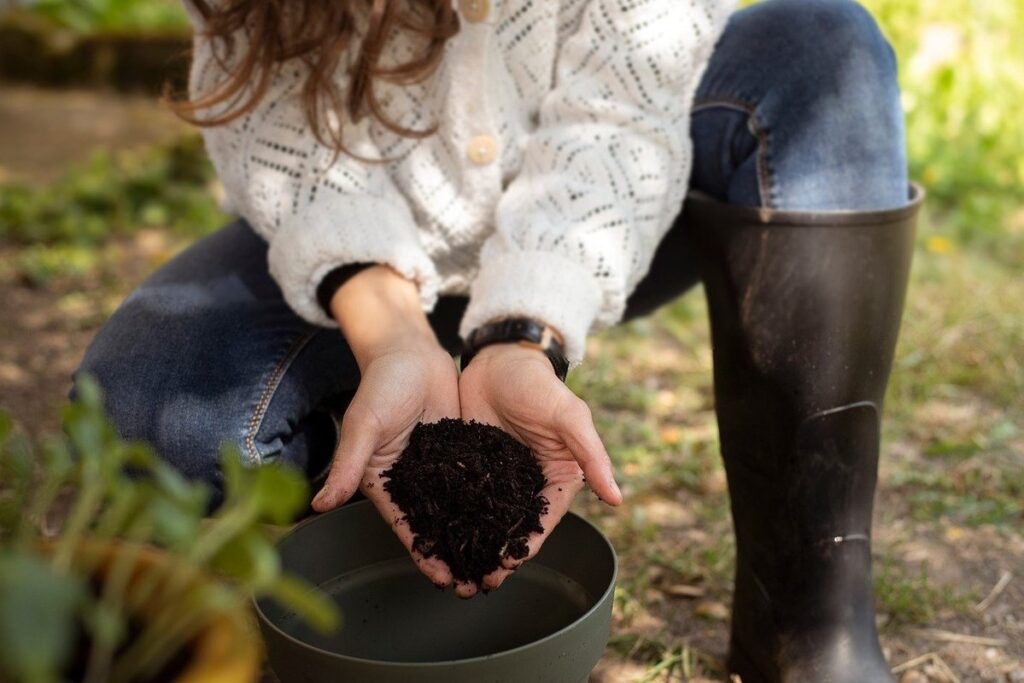
Benefits of Home Composting
Composting at home can have a profound impact on your environment and wallet, but what exactly are these benefits? Let’s dive into the advantages of turning food waste into nutrient-rich gold.
Reduces Waste and Saves Money
Composting at home not only benefits the environment by reducing waste and creating nutrient-rich soil for your garden, but it also has a significant impact on your wallet. One of the most cost-effective aspects of home composting is the reduction of trash bags needed for organic waste disposal.
By diverting food scraps and yard trimmings away from landfills, you’ll save money on waste collection services and reduce the need for plastic trash bags. In fact, according to the Environmental Protection Agency (EPA), composting can reduce household waste by up to 30%. This translates to substantial savings on waste disposal costs.
Home composting can also lead to water bill savings through reduced fertilizer needs. When you use compost as a natural fertilizer, you’ll need less synthetic fertilizers that are often water-intensive. For example, if you typically apply 2-3 pounds of nitrogen-based fertilizers per square foot, switching to compost can help reduce this amount by up to 50%. By cutting back on synthetic fertilizers and relying on compost, you’ll conserve water and save money on your water bills.
Creates Nutrient-Rich Soil
When you create nutrient-rich soil through home composting, it’s not just about recycling food waste – it’s also about giving back to your garden. Compost improves the structure of your soil by increasing its water-holding capacity and aeration. This allows roots to grow deeper, making plants more resilient to drought and extreme weather conditions.
As your compost matures, it becomes a rich source of nutrients for your garden. The microorganisms present in the compost help break down complex organic matter into simpler forms that plants can easily absorb. As a result, you’ll see an increase in soil fertility – a must-have for lush greenery and healthy plant growth.
To create nutrient-rich soil, focus on adding “green” materials like grass clippings, vegetable scraps, and fruit peels to your compost pile. These will provide the necessary nitrogen boost. Balance them with carbon-rich materials such as dried leaves or shredded newspaper to achieve optimal decomposition rates.
Over time, you’ll see your soil transform into a vibrant ecosystem teeming with life. Not only does it support healthy plant growth, but also attracts beneficial insects and microorganisms that help maintain ecological balance in your garden. With regular composting practice, you can enjoy an explosion of color and fragrance in your garden for years to come.
Choosing the Right Composting Method
When it comes to turning your food scraps into nutrient-rich soil, choosing the right composting method can make all the difference. This decision depends on your available space and lifestyle.
Indoor vs. Outdoor Composting
When it comes to choosing between indoor and outdoor composting methods, there are several factors to consider. Indoor composting, specifically worm composting, involves using red wiggler worms to break down food waste in a controlled environment. This method is ideal for small spaces, such as apartments or urban areas, where outdoor space may be limited.
One of the main advantages of indoor composting is its minimal environmental impact. Since it’s contained within a bin, there’s no risk of pests or odor issues spreading to neighboring properties. Additionally, worm composting produces a high-quality compost that’s rich in nutrients and can be used directly in plants without any further processing.
However, outdoor composting offers some benefits as well. It allows for larger quantities of waste to be processed, which is ideal for households with multiple people or those who generate a lot of organic material. Outdoor composting also provides an opportunity for natural pest control and soil conditioning through the use of beneficial microorganisms.
Ultimately, the choice between indoor and outdoor composting comes down to personal preference, available space, and the amount of waste you generate. Consider your specific needs and circumstances before deciding which method is best for you.
Bokashi vs. Traditional Composting
If you’re considering home composting, you may have come across two popular methods: bokashi and traditional composting. While both techniques share the goal of turning food waste into nutrient-rich soil, they differ significantly in their approach.
Bokashi composting uses a microbe-based process to ferment organic matter, breaking it down quickly without the need for oxygen. This makes it ideal for households with limited outdoor space or those who want to compost year-round, regardless of season. Benefits include faster decomposition rates and reduced odors. However, bokashi requires regular mixing and maintenance to prevent mold buildup.
In contrast, traditional composting relies on natural aeration and the work of beneficial microbes to break down organic matter. It’s often associated with outdoor piles or tumblers but can also be done indoors with the right setup. Traditional composting benefits from being low-cost and low-maintenance once established. However, it requires patience, as decomposition rates are generally slower than bokashi. If you’re short on space or prefer a hands-off approach, bokashi might be the better fit for your home composting needs.
Preparing Your Compost Bin
Before you start adding materials to your compost bin, take a few minutes to set it up correctly to ensure optimal decomposition and minimize odors. Let’s walk through the essential steps for preparing your compost bin.
Selecting a Suitable Location
When it comes to home composting, selecting a suitable location for your compost bin is crucial for optimal results. The ideal spot should be easily accessible from the kitchen, where most of your food waste is generated. This proximity will encourage regular contributions and make maintenance a breeze.
Consider placing your compost bin in a shaded area, preferably under a tree or a gazebo, to protect it from direct sunlight and maintain a consistent temperature. Avoid areas with standing water or where rainwater may collect, as excess moisture can lead to anaerobic conditions and unpleasant odors.
Ideally, locate your compost bin near a water source for easy watering and mixing. A spot close to the garden or vegetable bed will also allow you to transfer finished compost directly onto the soil when needed. This proximity will encourage you to turn your compost regularly and ensure it breaks down efficiently. Regular maintenance is key to successful home composting, so choose a location that suits your needs and habits.
Understanding Carbon-to-Nitrogen Ratio
Achieving a balanced Carbon-to-Nitrogen (C:N) ratio is crucial for creating an effective compost pile. The C:N ratio determines the decomposition rate of your compost and affects its quality. If the ratio is too high or too low, it can lead to an imbalance in microbial activity, resulting in either too much ammonia production or a lack of carbon sources.
To measure the C:N ratio effectively, you’ll need to know the percentages of carbon-rich materials (brown materials) and nitrogen-rich materials (green materials). Brown materials include dry leaves, straw, and shredded newspaper, which are high in carbon. Green materials like food scraps, grass clippings, and manure are high in nitrogen.
A general rule of thumb is to maintain a C:N ratio between 25:1 and 30:1. To achieve this, aim for adding 2-3 times more brown materials than green materials. For example, if you add one bucket of food scraps (high in nitrogen), balance it with three buckets of dry leaves or shredded newspaper (high in carbon). Monitoring the C:N ratio will help you adjust your compost pile and ensure a balanced decomposition process.
Adding Materials to Your Compost Pile
Now that you have your compost pile set up, it’s time to start adding materials to help break down food scraps and yard waste into nutrient-rich soil. We’ll cover what types of materials are safe for composting.
What Can (and Can’t) Be Composted
When it comes to home composting, understanding what can and cannot be added to your pile is crucial. While you may be excited to start tossing all sorts of materials into your compost bin, not everything will break down well or even safely.
Common household items that can be composted include food scraps like fruit and vegetable peels, tea bags, coffee grounds, and eggshells. These high-carbon rich materials are perfect for balancing out the nitrogen-rich green materials in your pile. You can also add yard trimmings, leaves, and grass clippings to your compost, as long as they’re free from weeds, seeds, and pesticides.
However, there are some items that should be avoided altogether. These include meat, dairy products, oils, and pet waste. Not only will these attract pests like rodents and flies, but they can also create unpleasant odors and even harbor pathogens. Additionally, don’t add coal or charcoal ash, as it can contain heavy metals and harm your soil’s pH levels. By sticking to the compost-friendly items listed above, you’ll be well on your way to creating a rich, nutrient-dense compost for your garden.
Managing Food Waste and Odors
Managing food waste and odors is an essential part of home composting. When adding materials to your compost pile, it’s common for unpleasant smells to arise from the decomposition process, especially when dealing with food scraps. To minimize these odors, focus on balancing the carbon-to-nitrogen ratio in your compost.
For every 2-3 parts of “brown” materials (dried leaves, straw, or shredded newspaper), add one part of “green” materials (food waste, grass clippings, or fresh fruit and vegetable scraps). This balance will help speed up decomposition and reduce the likelihood of unpleasant odors. Keep in mind that high nitrogen content from food waste can contribute to an overabundance of microbes, resulting in strong smells.
To further minimize odors, keep your compost pile covered with a lid or tarp to retain heat and prevent pests from attracting rodents. Regularly turn the pile, allowing oxygen to penetrate and aid decomposition. Monitor moisture levels – excess water can lead to anaerobic conditions, causing unpleasant odors. Aim for a damp but not soggy consistency.
Maintaining Your Compost Pile
Now that you’ve set up your compost pile, it’s essential to keep it healthy and active by regularly checking moisture levels and turning the materials. This ensures optimal decomposition and a great end product.
Turning and Aeration Techniques
Turning and Aeration Techniques are crucial steps in maintaining a healthy compost pile. Regular turning ensures that oxygen reaches all parts of the pile, promoting efficient decomposition and preventing anaerobic conditions that can lead to unpleasant odors and pest infestations.
To turn your compost pile effectively:
• Start by gently lifting the outer layer of materials to avoid compacting them further.
• Use a pitchfork or shovel to break up any clumps and mix the contents.
• Work from one end to the other, turning about 1/3 to 1/2 of the material at a time.
Aeration is also essential. You can achieve this by:
• Periodically poking holes in the compost pile using a fork or aerator tool.
• Adding materials like straw or shredded newspaper that allow for airflow and help maintain a loose structure.
Regular turning (every 7-10 days) and aeration will keep your compost pile healthy, speeding up the decomposition process and minimizing odors. By implementing these techniques, you’ll be well on your way to creating rich, nutrient-dense compost for your garden.
Monitoring Temperature and Moisture Levels
Monitoring temperature and moisture levels is crucial for maintaining a healthy compost pile. To achieve optimal conditions, you’ll want to aim for a temperature range of 55-160°F (13-71°C). This might sound like a broad range, but it’s essential to understand that temperatures can fluctuate depending on the materials being added, weather conditions, and the size of your pile.
To measure temperature, you can use a compost thermometer. These tools are usually inexpensive and easy to insert into the pile. Aim for a daily temperature increase of 10-20°F (5-11°C) over the course of several days. Once temperatures reach an internal peak of around 130-140°F (54-60°C), it’s time to turn your pile, allowing oxygen to re-enter and preventing overheating.
As for moisture levels, aim for a damp, but not soggy, consistency. This is usually achieved when the materials are about as moist as a damp sponge. Too much water can lead to anaerobic conditions, creating odors and attracting pests. On the other hand, too little water will slow down decomposition.
Some general guidelines include:
• Adding 2-4 inches of water per week for small piles
• Using rainwater or greywater (from sinks, showers, etc.) instead of tap water to save on resources
Troubleshooting Common Composting Issues
Don’t let common composting issues stump you! This section tackles problems like uneven decomposition, unpleasant odors, and pests, providing solutions to get your pile back on track.
Addressing Pests, Odors, or Mold
One of the most frustrating aspects of home composting is dealing with pests, odors, or mold. These issues can be a sign that something’s gone wrong in the composting process, but don’t worry – they’re relatively easy to fix.
First, let’s tackle pests. Red wigglers and other composting worms are beneficial, so don’t panic if you see them wriggling around! However, if you notice an infestation of fruit flies, ants, or rodents, it might be a sign that your compost is too wet or has food scraps that are attracting pests. To address this issue, make sure to balance the carbon-to-nitrogen ratio in your compost pile and cover it with a lid or tarp.
Odors can be a problem if your compost is too wet or has high levels of nitrogen-rich foods like meat, dairy, or oily scraps. To minimize odors, turn your compost regularly, aerate it by adding bulking agents like straw or coconut coir, and avoid adding excess nitrogen sources.
Mold growth can also occur when the compost pile is too wet or has poor airflow. Check for mold by examining the pile’s texture – if it’s soggy or slimy, it might be infested with mold spores. To prevent mold, maintain a consistent moisture level (like that of a damp sponge) and ensure good airflow by mixing in dry materials.
To address these issues proactively, maintain a regular composting routine, monitor the pile’s conditions, and take action quickly if you notice any signs of pests, odors, or mold.
Ensuring Optimal C:N Ratio
Ensuring an optimal C:N ratio is crucial for maintaining a healthy and productive compost pile. The ideal balance of carbon-rich materials (C) and nitrogen-rich materials (N) can be challenging to achieve, especially if you’re new to home composting.
If your C:N ratio becomes imbalanced, it can lead to issues such as anaerobic conditions, odors, or even pests. To prevent this, monitor your pile’s moisture levels and carbon-to-nitrogen balance by regularly checking for these signs: green sliminess (excess N), dryness (lacking sufficient water), or excessive heat (over-feeding). Adjust the ratio by adding more of the necessary component.
To rebalance a C:N ratio that’s too high in nitrogen, incorporate materials like shredded newspaper, cardboard, or straw to add carbon. Conversely, if it’s too low in nitrogen, introduce food scraps, grass clippings, or manure to boost N levels. Maintain a balanced pile by aiming for a mix of 25-30% “green” materials (food waste, grass clippings) and 70-75% “brown” materials (dried leaves, straw). Regular maintenance and monitoring will help you achieve this balance.
Frequently Asked Questions
How do I know when my compost is ready for use?
Your compost is typically ready to use after 2-3 months, depending on factors like temperature and moisture levels. Check the texture – it should be crumbly and resemble soil. You can also perform a “squeeze test” by squeezing a handful of compost; if it holds its shape but crumbles easily, it’s ready.
What happens if I notice pests or odors in my compost pile?
Don’t panic! Pests like ants or rodents are attracted to food scraps, while odors indicate too much nitrogen-rich material. To address these issues, add a balanced mix of carbon-rich materials (like leaves or straw) and turn the pile regularly. This will help regulate temperature, moisture, and nutrient levels.
Can I compost in cold weather or during winter?
While ideal temperatures for composting range from 50°F to 90°F (10°C to 32°C), you can still compost during colder months. However, the process may slow down, and you’ll need to take extra precautions to maintain moisture levels and keep the pile aerated.
How often should I turn my compost pile?
Turn your compost pile every 7-10 days to ensure optimal oxygen flow, temperature regulation, and nutrient distribution. This will also help prevent pests and odors from developing.
Can I use old or finished compost as mulch around plants?
Yes! Old or finished compost makes excellent mulch for plants, helping retain moisture, suppress weeds, and regulate soil temperature. Just be sure to mix it with other organic matter to maintain a balanced nutrient profile.